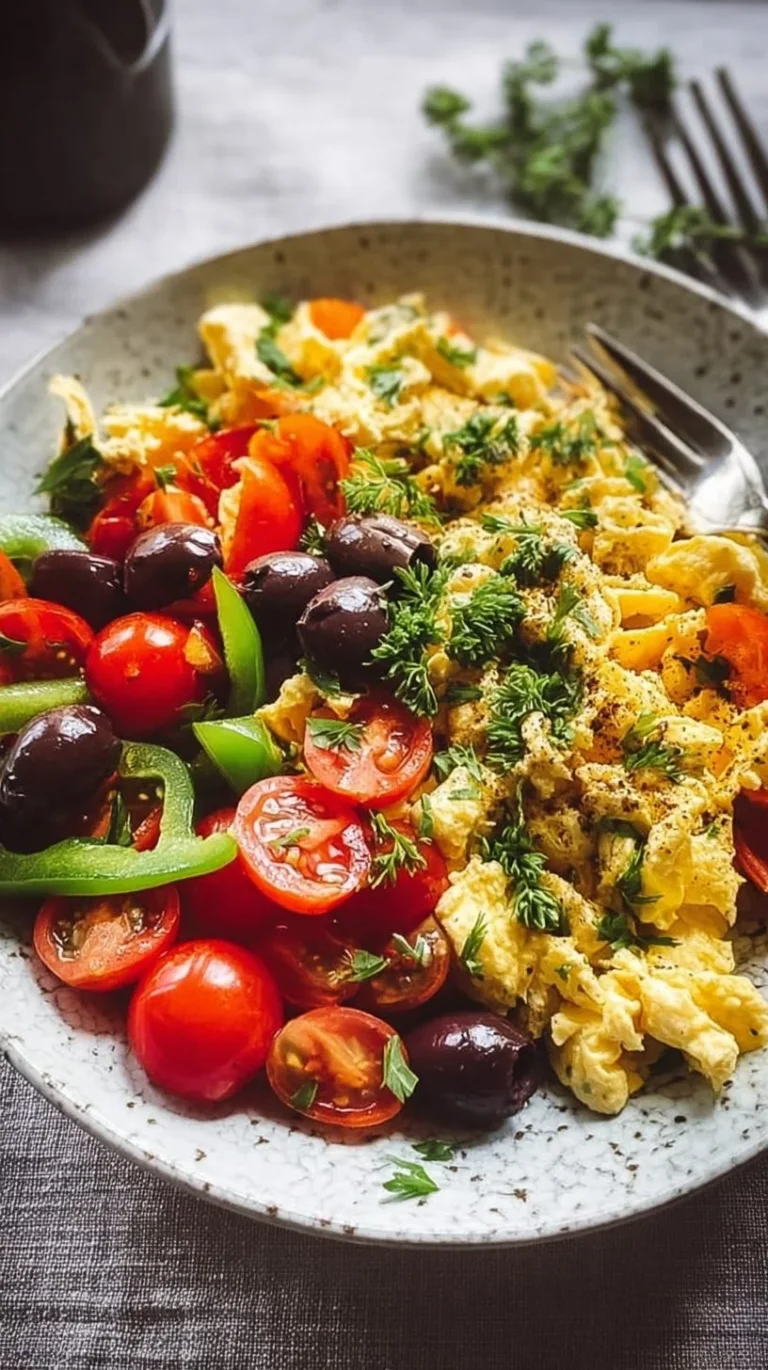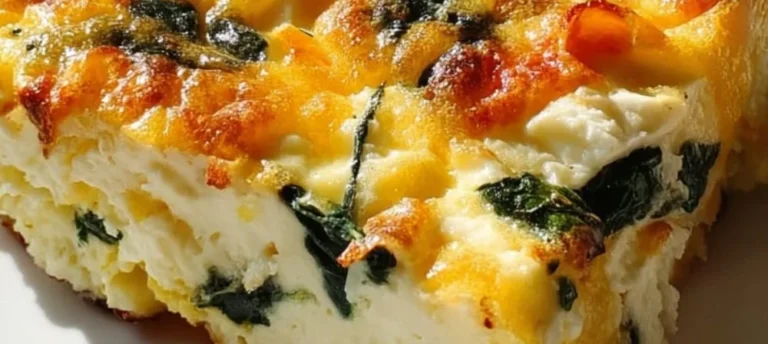
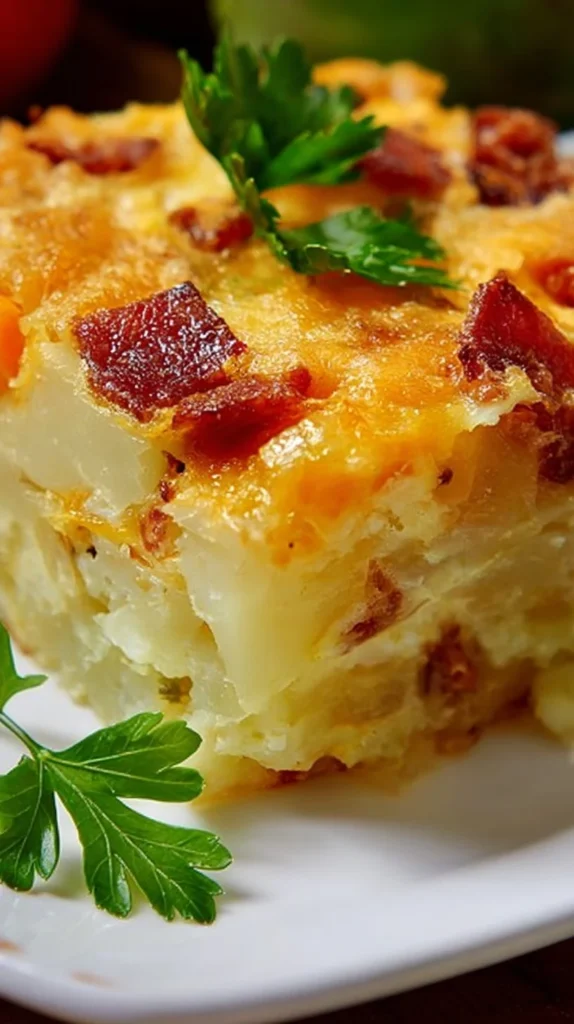
Easter Breakfast Casserole
If you’ve ever needed one dish to feed a crowd, calm a chaotic morning, or give you a stress-free make-ahead meal, an Easter Breakfast Casserole is exactly that kind of reliable friend in the kitchen. I’m Sarah Collins, and I write recipes for busy families who want food that feels like home without tying up the whole morning. This casserole is a perfect example of a dish that does the heavy lifting so you don’t have to.
Why this recipe works for busy families: it’s forgiving, quick to assemble, and flexible. You can chop vegetables while the coffee brews, pull the casserole together in one bowl, and pop it in the oven before you start other things. It’s the kind of recipe you can depend on for weekend gatherings, holiday brunches, or even a regular weeknight when everyone is on different schedules. Leftovers are easy to reheat and pack for lunches, so it stretches beyond just one meal.
The flavors are familiar and comforting — eggs, a touch of milk, seasoned simply with garlic and onion powder, vegetables for color and texture, and a little cheese if you want that golden, melty finish. These are flavors kids and grown-ups both accept readily, which makes serving time smoother. Because it’s straightforward and satisfying, this casserole easily becomes a go-to in a family rotation: it’s quick to prepare, hard to mess up, and gives you a warm, sit-down start to the day with minimal fuss.
How to make Easter Breakfast Casserole
Making this casserole is a matter of simple stages: mixing, folding, and baking. Expect to spend most of your time chopping vegetables and whisking eggs; the oven will do the rest. The process is deliberately low-tech — no fancy equipment, few moving parts — which makes it great for busy households or cooks who prefer straightforward steps.
At the start, you’ll preheat the oven so it’s ready the moment your mixture is in the dish. Whisking the eggs and milk together is the moment to introduce salt, pepper, and the dry seasonings so they’re evenly distributed. Stirring in vegetables and cheese lets you control how chunky the casserole will be; if you want a softer texture, dice vegetables smaller. If you’re using bread, cutting it into cubes and folding it in gives the casserole that classic, custardy-bread structure. Pouring into a greased dish and baking is the hands-off portion — check toward the end so the top gets lightly golden but the interior remains moist.
Beginners should slow down when chopping and when testing for doneness. A gentle poke in the middle or a toothpick test can tell you whether the eggs are set without overbaking. Shortcuts exist naturally: pre-chopped frozen vegetables, leftover cooked vegetables, or pre-shredded cheese all save time and still give excellent results.

Ingredients
12 large eggs, 1 cup milk (or dairy-free alternative), 2 cups diced vegetables (like bell peppers, spinach, and onions), 1 cup shredded cheese (optional), Salt and pepper to taste, 1 teaspoon garlic powder, 1 teaspoon onion powder, Gluten-free bread or no bread option
Below is what each ingredient is doing in plain home-cook terms:
- 12 large eggs: The backbone of the dish. Eggs provide structure, richness, and that warm, custardy texture that makes this casserole comforting. Using a dozen eggs makes enough to serve a family and leave leftovers for the next day.
- 1 cup milk (or dairy-free alternative): Adds creaminess and keeps the eggs from getting rubbery. A dairy-free milk works just as well if someone in your family avoids dairy. The milk also helps the casserole hold together when you slice it.
- 2 cups diced vegetables: This is where you add color, crunch, and flavor. Bell peppers add sweetness and color, spinach adds tenderness and a mild flavor, and onions add savory depth. Dice vegetables evenly so they cook at the same rate.
- 1 cup shredded cheese (optional): Cheese is optional, but it brings meltiness and a familiar, kid-friendly flavor. If you prefer no cheese, the casserole will still be satisfying — cheese simply adds a little richness and a nicely browned top.
- Salt and pepper to taste: Basic seasoning to lift the flavors. I recommend a light hand at first, then a quick taste of the finished dish to decide if a pinch more is needed.
- 1 teaspoon garlic powder and 1 teaspoon onion powder: These pantry staples give steady, even flavor without pieces of raw garlic or onion. They keep the flavor consistent and kid-friendly.
- Gluten-free bread or no bread option: Bread cubes make the casserole heartier and give it a more classic strata texture. If you prefer a lighter, more egg-forward dish, skip the bread entirely — both options are fine and change the texture in predictable, useful ways.
These are everyday ingredients most households keep on hand or can swap for similar items without upsetting the balance of the dish.
Directions
- Preheat the oven to 350°F (175°C).
- In a large mixing bowl, whisk together the eggs and milk.
- Stir in the diced vegetables, cheese (if using), salt, pepper, garlic powder, and onion powder.
- If using gluten-free bread, cut it into cubes and fold it into the mixture.
- Pour the mixture into a greased baking dish.
- Bake for 30-40 minutes, or until the eggs are set and the top is lightly golden.
- Let cool for a few minutes before slicing and serving.
These steps are intentionally simple, but a few friendly notes help make them foolproof:
- Preheat the oven: Don’t skip this — putting the dish in a fully heated oven helps the eggs set evenly. While it heats, finish your final assembly so nothing sits too long.
- Whisking eggs and milk: Whisk thoroughly until the mixture is slightly foamy on top. That small amount of air helps a lighter texture. You don’t need a mixer — a fork or a whisk works fine.
- Stirring in vegetables and seasonings: Make sure vegetables are drained if they were frozen and thawed; excess water can make the casserole watery. If you’re including onions raw, dice them small so they cook through.
- Folding in bread: If you use bread, stale bread or day-old bread soaks up the egg mixture better than fresh bread. Cut into uniform cubes so each piece rehydrates consistently.
- Baking time: Ovens vary, so start checking at 30 minutes. A toothpick or knife inserted in the center should come out mostly clean with just a few moist crumbs — that’s when you know it’s set but still tender.
- Resting before slicing: Letting the casserole cool a few minutes helps it firm up and makes slicing neater. It also keeps fingers from getting burned at the serving table.
Common small mistakes to avoid are overcrowding with too many raw, watery vegetables (which can make the casserole soggy) and overbaking (which dries out the eggs). Both are easy to avoid with a little attention at the mixing and timing stages.
Why families love this dish
There are a few reasons families keep returning to dishes like this. First, it’s predictable in a good way: you know how it will taste and how it will behave in the oven. Kids appreciate the familiar textures and flavors, and adults appreciate how little effort it needs to look and taste like a thoughtful meal.
Second, it’s flexible without being fussy. You can swap or omit the cheese, change the vegetables, or leave out the bread without changing the method or overall timing. That kind of adaptability is gold when you’re feeding a group with different preferences.
Third, it’s satisfying. Eggs and a little cheese give enough protein to hold people over until lunch, and the bread option gives a comfort-food element that’s filling without being heavy. It’s the kind of dish that sits well on a holiday table but is equally at home on a busy Tuesday morning.
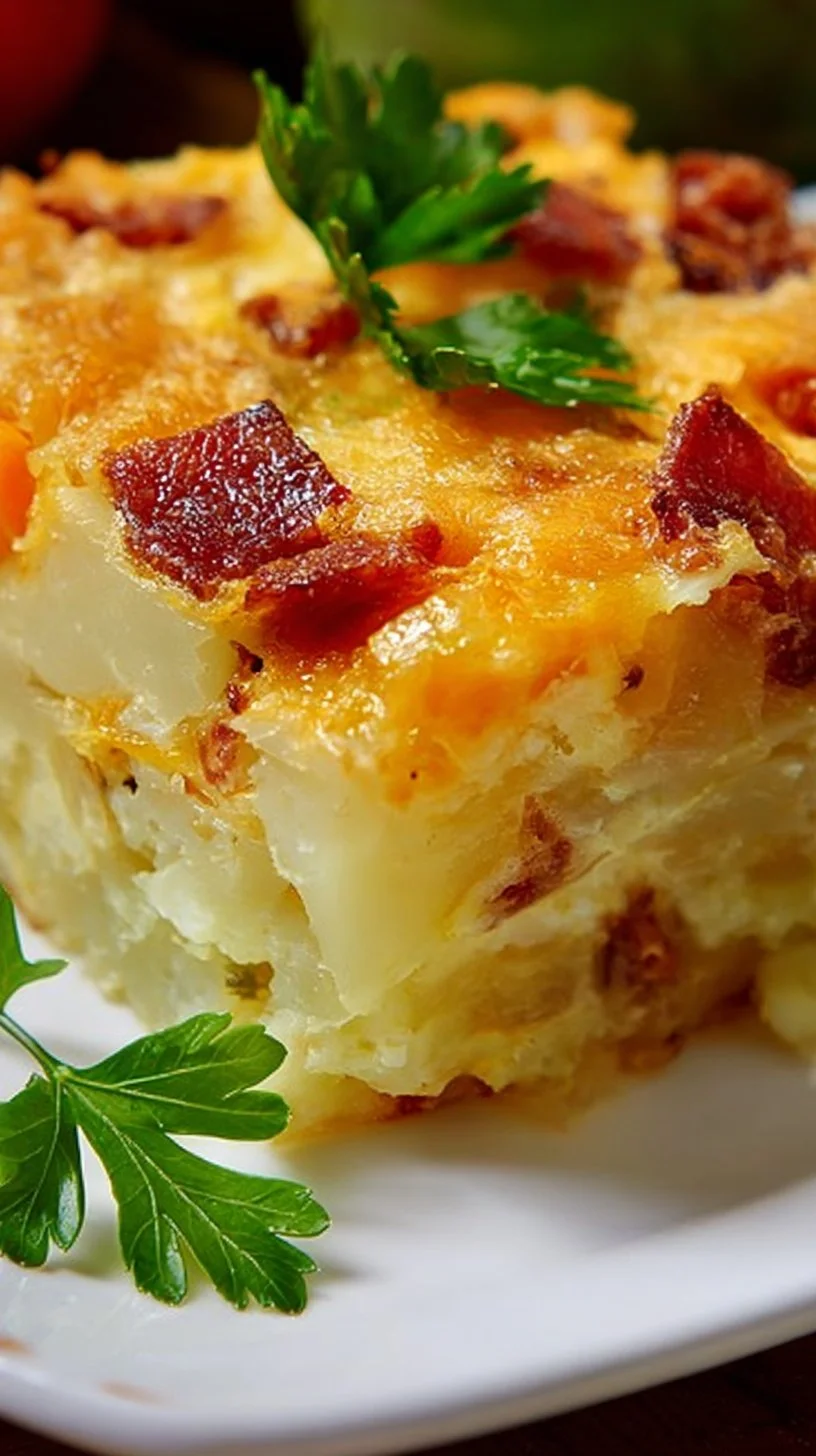
Finally, it’s visually inviting — a warm, golden top with colorful bits of vegetables — which matters when you want a meal to feel special without a lot of fuss.
Smart substitutions and simple variations
This is where the recipe’s flexibility shines, but remember: substitutions should keep the method intact. Here are practical swaps depending on what’s in your pantry:
- Vegetables: Use whatever your family prefers — diced tomatoes, mushrooms, broccoli florets (par-cooked), or zucchini can all work. If vegetables are watery (like mushrooms or zucchini), quickly sauté them to reduce moisture.
- Cheese: Try cheddar, Monterey Jack, or a mild mozzarella. If someone’s avoiding dairy, leave the cheese out or use a dairy-free shredded alternative.
- Milk: Any milk works — whole, low-fat, or unsweetened plant milk. The goal is moisture and tenderness, so choose what your family uses normally.
- Bread: If you don’t need gluten-free, regular day-old bread or an English muffin tear-apart works well. If you skip bread entirely, it becomes an egg-forward bake, more like a frittata-style casserole.
- Flavor boosts: Add a teaspoon of Dijon mustard or a handful of chopped fresh herbs (parsley, chives) at the end if you want a fresh lift without changing the technique.
For picky eaters, keep the vegetables finely diced or blended into a milder mix so they’re less noticeable. If someone dislikes onions, omit them and raise the garlic powder slightly — little adjustments like that keep everyone happy without reworking the recipe.
Pairing ideas for a complete, satisfying meal
This casserole is a great base to build a full brunch or a balanced family meal with minimal extra work. Here are simple pairings that won’t add a lot of prep time:
- A simple green salad with a light vinaigrette or baby spinach with lemon and olive oil to add freshness and color.
- Fresh fruit platter or easy fruit salad for quick sweetness that kids usually enjoy.
- Toast or warm rolls if you haven’t included bread in the casserole — it’s an effortless addition and great for dunking.
- A small side of breakfast potatoes: slice and roast cubes with oil and seasoning at the same time the casserole bakes, so two pans in the oven finish together.
- For a brunch gathering, set out condiments like salsa, hot sauce, or a chutney so everyone can customize their plate.
These pairings keep the meal balanced and simple, leaning on what you likely already have in the kitchen.
Make-ahead tips, leftovers, and storage
One of this casserole’s biggest strengths is how well it fits into make-ahead plans. You can assemble it fully the night before, cover it tightly with plastic wrap or foil, and refrigerate it. In the morning, take it out while the oven preheats and add a few extra minutes to the baking time so it heats through from cold. If the casserole is cold from the fridge, expect the bake to take closer to 40–45 minutes.
Leftovers keep well in an airtight container in the fridge for up to 3 days. Reheat slices in the microwave for a quick lunch or in a 325°F (160°C) oven covered with foil to keep moisture — 10 to 15 minutes is usually enough depending on slice thickness. To prevent drying, add a tiny splash of milk over the slice before reheating in the microwave, or cover with foil in the oven.
Slices also freeze well. Wrap individual portions in plastic wrap and place in a freezer bag for up to 2 months. Thaw overnight in the refrigerator before reheating gently.
For lunchboxes, a cold slice can work if your child prefers cold eggs, or pack a thermos with a warm slice and a cold side like fruit.
Common questions home cooks ask about this recipe
Q: How do I know when it’s done?
A: The center should be set and not jiggly; a toothpick or knife should come out mostly clean. Start checking at 30 minutes to avoid overbaking.
Q: Can I double the recipe for a crowd?
A: Yes. Use two baking dishes or a larger pan and increase bake time slightly; check for doneness as larger volumes take longer to set.
Q: Will the casserole be soggy if I use frozen vegetables?
A: Only if you don’t remove excess moisture. Thaw and drain or sauté briefly to dry them out before adding.
Q: What if I don’t want bread in it?
A: Skip it. The casserole will be more like a frittata or crustless quiche — still delicious and a little lighter.
Q: Can I add cooked meat?
A: Yes — cooked sausage, ham, or bacon folded in before baking is a classic addition. Just ensure it’s fully cooked before mixing in.
These are practical solutions meant to keep you confident when you make this again and again.
Final thoughts from Sarah
I love recipes that serve busy households and still feel like something you’d want to sit down and enjoy together. This Easter Breakfast Casserole is one of those dependable dishes that makes mornings calmer and brunches more relaxed. It’s forgiving, easy to tweak, and honest in flavor — no fuss, just reliable comfort.
Keep a version of this in your meal plan rotation. Make it for a holiday or a Wednesday morning; either way, it’s the kind of recipe that quietly does a lot of good for a family’s week. From my kitchen to yours, I hope it becomes a comforting habit that saves you time and delivers smiles.
Warmly,
Sarah Collins
Conclusion
If you want a look at a classic inspiration for this kind of dish, I sometimes refer to the Easter Breakfast Casserole Recipe – Allrecipes for ideas on ingredient ratios and oven timing. For make-ahead strategies and a similar family-friendly approach, Easy Breakfast Casserole Recipe – Sally’s Baking Addiction has helpful tips that echo this recipe’s simplicity. When you’re in the mood to browse different twists and lively variations for inspiration, 42 Breakfast or Brunch Easter Casserole Recipes is a good roundup to spark ideas. And for another familiar take with step-by-step notes, check out Easter Breakfast Casserole – A Pinch of Joy. These resources pair well with the straightforward method I’ve shared and can help you tailor the dish to your family’s tastes.
Easter Breakfast Casserole
Ingredients
Method
- Preheat the oven to 350°F (175°C).
- In a large mixing bowl, whisk together the eggs and milk.
- Stir in the diced vegetables, cheese (if using), salt, pepper, garlic powder, and onion powder.
- If using gluten-free bread, cut it into cubes and fold it into the mixture.
- Pour the mixture into a greased baking dish.
- Bake for 30-40 minutes, or until the eggs are set and the top is lightly golden.
- Let cool for a few minutes before slicing and serving.