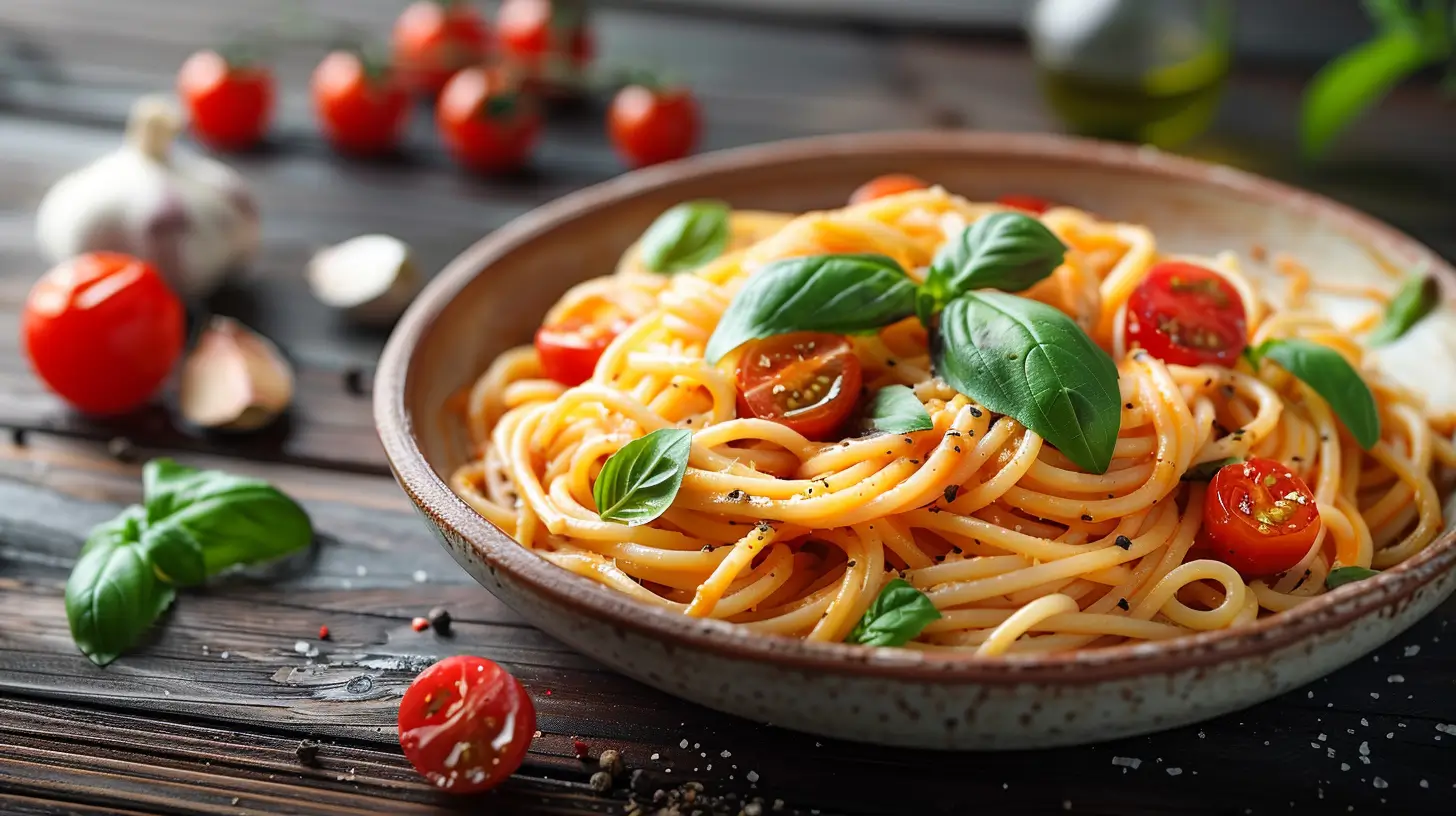
Creamy Roasted Tomato Pasta
Introduction
This creamy roasted tomato pasta is the ultimate comfort dish that transforms humble garden produce into a restaurant-quality meal right in your own kitchen.
I’ve always believed that the best sauces don’t come from a jar, but from the patient, transformative power of your oven. When you take the time to coax the sweetness out of fresh tomatoes, you are building a foundation of flavor that is simply impossible to replicate with shortcuts. By the end of this guide, you’ll be ready to master this velvety, vibrant pasta that is sure to become a staple in your rotation.
Now that we understand why this dish stands out, let’s talk about why it’s about to become your new favorite weeknight ritual.
Why this creamy roasted tomato pasta recipe is a must-try
If you’re looking for a meal that balances high-end flavor with absolute simplicity, this is it. The genius of this recipe lies in its “hands-off” approach; once your ingredients are on the tray, the oven does all the heavy lifting.
Approachability for every cook
You don’t need fancy culinary tools or hours of prep to achieve that luxurious, silky texture. Because we roast the tomatoes and garlic together, the flavors marry perfectly in the heat, creating a complex, savory base that requires very little seasoning adjustment later. It is forgiving, customizable, and consistently delicious.
Curious about how the magic happens? Let’s dive into the simple process of building this sauce from scratch.
How to make creamy roasted tomato pasta
The beauty of this method is its reliance on high-heat roasting to concentrate flavor. We are essentially letting the vegetables caramelize until they are at their peak sweetness, then emulsifying them into a rich sauce that clings to every strand of pasta.
The rhythm of the kitchen
We start by preparing our produce, then move through a quick roast, and finish with a simple blend-and-toss technique. It’s a rhythmic, satisfying flow that keeps the kitchen smelling like a Mediterranean summer afternoon.
Before we turn on the oven, let’s take a closer look at the key components that make this dish sing.
Ingredients
- Cherry Tomatoes: These are the heart of the dish. They have a higher sugar-to-water ratio than larger tomatoes, which is key for achieving that intense, caramelized sweetness.
- Whole Head of Garlic: Roasting the entire head mellows the sharp, pungent bite of raw garlic into a sweet, buttery paste.
- Olive Oil: Use your best quality extra-virgin oil; it carries the flavors and helps create the silky mouthfeel of the sauce.
- Cream Cheese: This acts as our emulsifier. It adds a subtle tang and that signature creamy body without the heaviness of traditional heavy cream.
- Fresh Basil: The bright, peppery notes of fresh basil provide the perfect aromatic lift to cut through the richness of the roasted vegetables.
- Pasta: A sturdy choice like spaghetti or bucatini works best to hold onto the sauce.
With our ingredients prepped and ready, it’s time to head to the stove. Let’s get cooking!
Directions
1. Roast the Vegetables
Preheat your oven to 400°F (200°C). Arrange your halved cherry tomatoes on a parchment-lined sheet. Place the halved head of garlic in the center, cut-side up. Drizzle everything generously with olive oil and a healthy pinch of salt. Roast until the tomatoes have shriveled and developed beautiful, charred edges—this visual cue tells you the sugars have caramelized perfectly.
2. Make the Creamy Sauce
Squeeze the roasted garlic cloves out of their skins directly into a blender. Scrape every bit of those roasted tomatoes and their flavorful juices from the pan into the mix. Add your cream cheese and fresh basil. Blend until the mixture reaches a velvety, smooth consistency. The smell at this stage is intoxicating!
3. Assemble
Pour your vibrant sauce into a large pan over low heat. Add your al dente pasta directly into the sauce. Toss gently, allowing the pasta to drink up the liquid until each noodle is coated in a thick, glossy layer of flavor.
Now that you’ve mastered the steps, let’s look at the specific techniques that elevate this from a simple meal to a professional-grade dish.
Key techniques you’ll practice
The most important technique here is emulsification. By blending the roasted garlic paste with the cream cheese and tomato juices, you are forcing water and fats to bond, which creates that stable, creamy texture.
The power of caramelization
You’re also practicing the Maillard reaction—that browning process that occurs when amino acids and reducing sugars react. This is where the deep, savory “umami” profile lives. Don’t be afraid of a little bit of dark char on those tomato skins; that is where the most concentrated flavor hides.
Even with a simple recipe, things can go wrong if you aren’t careful. Here is how to keep your sauce perfect every time.
Common mistakes and how to avoid them
One common issue is under-roasting. If your tomatoes still look firm and pale, they haven’t released their juices yet, which leads to a thin, watery sauce. Be patient; let them darken.
Balancing the consistency
If your sauce feels too thick after blending, don’t reach for water. Instead, use a splash of the starchy water you used to boil your pasta. The starch helps bind the sauce to the noodles, creating an even more cohesive dish.
Ready to put your own spin on this? Here is how to scale this recipe for your specific needs.
How to adjust confidently
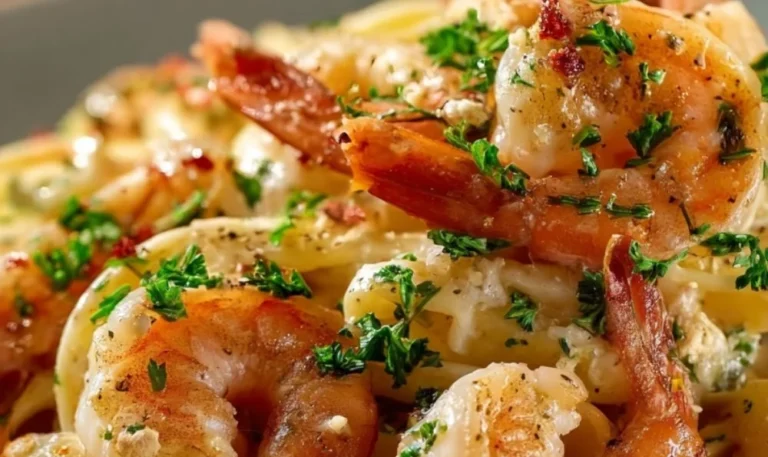
This recipe is incredibly flexible. If you want a protein boost, grilled shrimp or shredded rotisserie chicken pair beautifully with these Mediterranean flavors. If you prefer a lighter profile, you can substitute the cream cheese for a high-quality goat cheese for an extra tangy finish.
Scaling for guests
Hosting a larger group? Simply increase your sheet pan count. As long as you don’t overcrowd the pans, you can roast as many tomatoes as you like. Just remember to maintain the ratio of one head of garlic for every two pints of tomatoes.
Proper storage is essential for enjoying these flavors a second time around. Let’s cover the logistics.
Serving, storage, and reheating
Serve this immediately, topped with a few extra leaves of fresh basil and a crack of black pepper. The residual heat of the pasta helps the sauce stay silky on the plate.
Keeping the quality
If you have leftovers, store them in an airtight container in the fridge for up to three days. When reheating, I recommend a splash of water and a low-heat setting on the stove to prevent the sauce from “breaking” or separating. Avoid the microwave if possible, as it can make the pasta mushy.
Before you get started, here are a few things new cooks often ask me about this method.
Questions new cooks often ask
Can I use other cheeses?
Absolutely! Mascarpone works for a sweeter, richer sauce, while ricotta gives a lighter, fluffier texture.
What if I don’t have a blender?
You can use a potato masher or a sturdy fork to crush the roasted vegetables into a rustic, chunky sauce. It will be less smooth but equally delicious.
Why is my sauce pink instead of red?
The cream cheese creates a creamy, soft color. If you want a deeper red, increase the tomato-to-cheese ratio.
Finally, I have a few words of encouragement to help you feel confident in your kitchen today.
Final encouragement from Carla
Cooking is a journey, and every time you step up to the stove, you are learning something new about your own palate. Don’t worry if your sauce looks different from the pictures; focus on the smells, the sizzle, and the joy of creating something from scratch. You’ve got this!
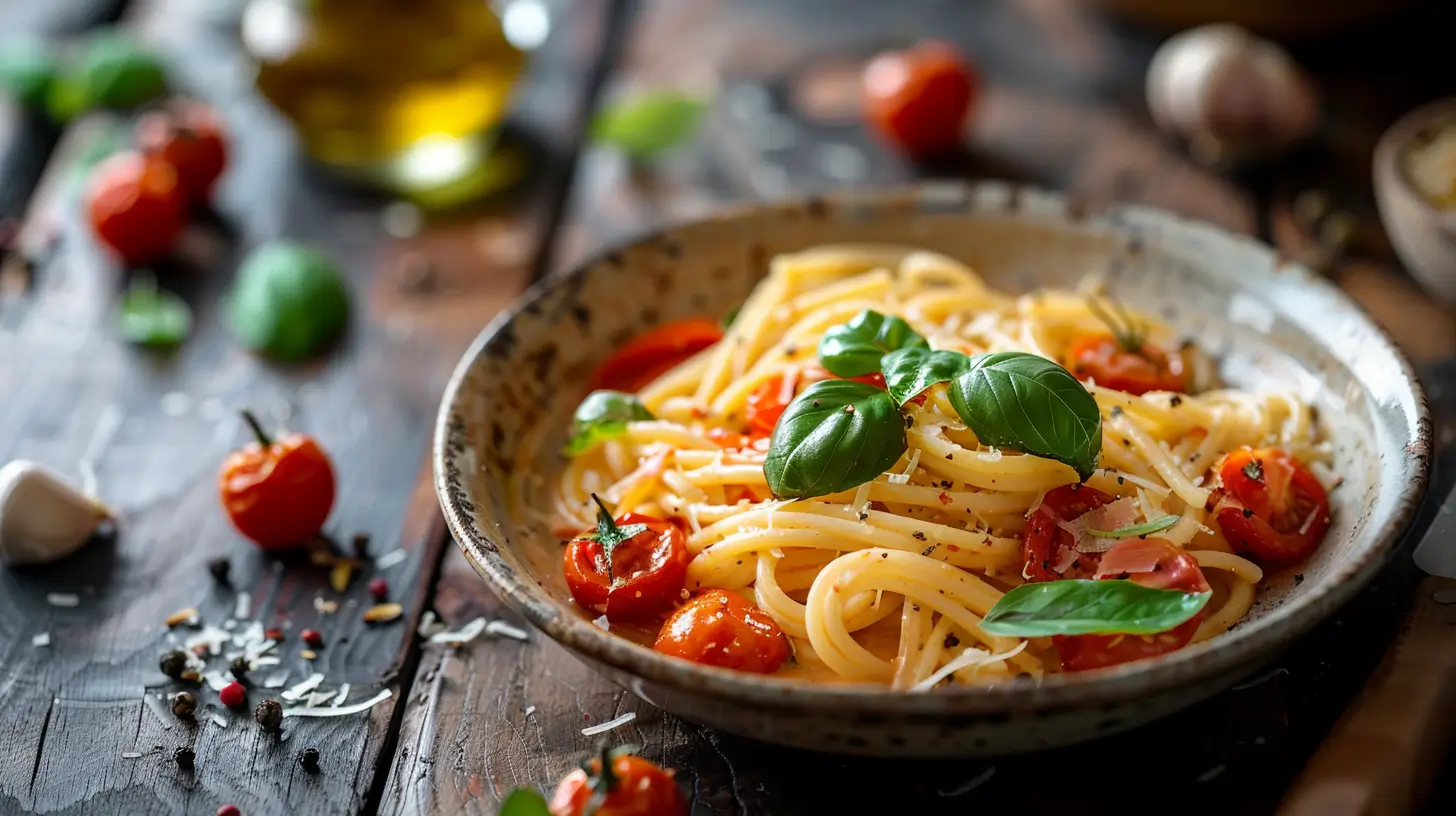
Creamy Roasted Tomato Pasta
Ingredients
Method
- Preheat your oven.
- Spread the halved cherry tomatoes on a baking sheet lined with parchment paper.
- Place the halved head of garlic in the center of the baking sheet with the cut side facing up.
- Drizzle generously with olive oil and sprinkle with salt.
- Roast in the oven until the tomatoes are softened and caramelized and the garlic is tender.
- Once roasted, remove the garlic from the head by squeezing it into a mixing bowl.
- Add the roasted tomatoes (along with all the juices from the pan) to the bowl.
- Add the cream cheese and fresh basil leaves.
- Transfer the mixture to a blender and blend until you have a smooth, creamy sauce.
- Pour the blended sauce into a pan and warm it slightly over the stove.
- Add your cooked pasta directly to the sauce and toss until well combined.