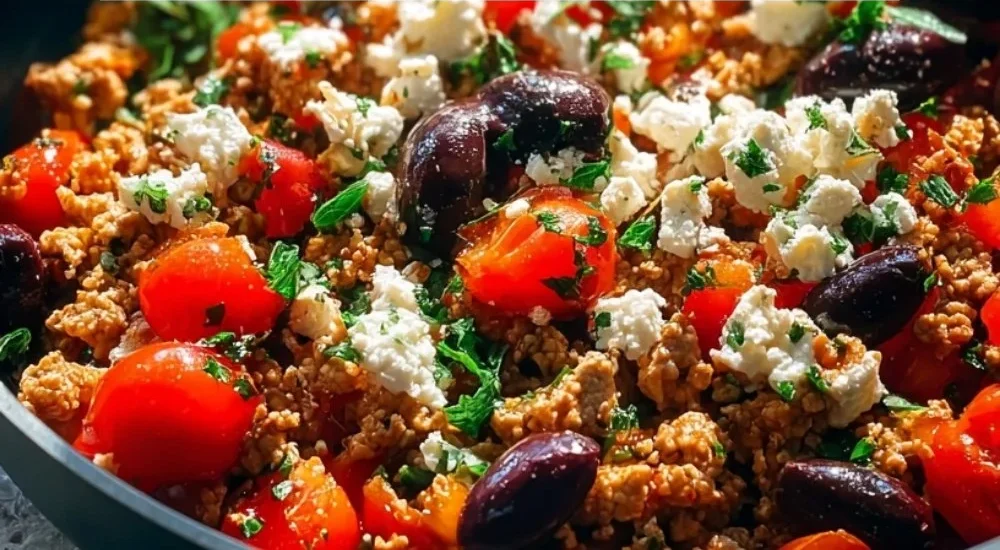
Mediterranean Keto Ground Chicken Skillet with Olives and Feta
Introduction
This Mediterranean Keto Ground Chicken Skillet with Olives and Feta is for anyone who wants a satisfying, flavorful meal without fuss — busy weeknights, people easing into low-carb eating, or cooks who simply want a comforting skillet dinner. It’s approachable because it relies on straightforward ingredients and a single skillet, so you’re not juggling pots and pans. If you like one-pan dinners that come together quickly, this is a lovely next recipe to try; you might also enjoy my creamy chicken and rice for another simple, comforting option.
I’ll walk you through what to watch for, why each step matters, and how to feel confident at the stove. This recipe is designed so you can succeed on the first try — I’ll point out the small things that make a big difference, and reassure you that small imperfections are completely fine.
Why this recipe is easy to get right
There are three reasons this skillet is forgiving and beginner-friendly:
- One-pan cooking: Everything happens in a single skillet, so flavor builds naturally as ingredients mingle. Less equipment means fewer opportunities to make mistakes.
- Flexible textures: Ground chicken is forgiving — it browns easily and mixes well with aromatics and vegetables. Even if the chicken is slightly overcooked, the tomatoes, olives, and feta add moisture and brightness.
- Clear visual cues: The steps are guided by easy-to-see changes — browning meat, translucent onion, softened peppers, and tomatoes that “give” as they cook. You’ll know what to look for without guessing.
You can be flexible with timing on a few steps (like letting the tomatoes reduce a bit more if you like a saucier finish), and this recipe still turns out delicious. It’s a great recipe for new cooks because it builds confidence around sautéing, seasoning, and finishing with bright accents like lemon and parsley.
How to make Mediterranean Keto Ground Chicken Skillet with Olives and Feta
This is the overall flow so you can picture the rhythm at the stove: brown the chicken, soften aromatics, add spices and vegetables, let the juicy ingredients meld, then finish with feta, parsley, and lemon. If you slow down at the beginning for clear browning and seasoning, everything that follows becomes easier.
Start by heating the oil and browning the ground chicken. Browning creates flavor through gentle caramelization — you should hear a steady, light sizzle and see small browned pieces forming. Next add onion and garlic so they soften and smell sweet and fragrant; this step is short because minced garlic can burn, so watch it closely. After that, stir in the bell pepper and spices; the spices bloom in the skillet and coat the meat and vegetables, deepening the flavor. When you add the cherry tomatoes and olives, you’re introducing juiciness and briny contrast — let the tomatoes cook down just enough so they release their juices and make a glossy, slightly saucy mixture. Finish by sprinkling the feta so it softens and melds into the warm mixture, then remove from heat and stir in parsley and lemon for brightness.
Beginners should slow down during the browning and the onion/garlic step. Brown the meat in batches if your skillet is crowded — crowded meat steams instead of browns. When adding spices, give them a minute to warm through the oil and release aroma; this makes the final dish taste layered and well-seasoned. If you’d like a similar hands-off meal with a different presentation, try my sheet pan chicken pitas with herby ranch for another easy family-friendly option.
Ingredients
1 tablespoon olive oil, 1 pound ground chicken, 1 small onion, finely chopped, 2 cloves garlic, minced, 1 bell pepper, chopped (red or green), 1 teaspoon dried oregano, 1 teaspoon smoked paprika, 1/2 teaspoon ground cumin, Salt and pepper to taste, 1 cup cherry tomatoes, halved, 1/3 cup pitted Kalamata olives, sliced, 1/4 cup crumbled feta cheese, 2 tablespoons fresh parsley, chopped, Juice of half a lemon
What each ingredient does and why none are intimidating:
- 1 tablespoon olive oil: This is the cooking fat that helps the chicken brown and carries the flavors of the spices. Olive oil adds a gentle fruity note; it’s easy to work with and forgiving at medium heat.
- 1 pound ground chicken: The main protein. Ground chicken cooks quickly and absorbs flavors from spices and aromatics. It gives the dish a light texture that pairs beautifully with feta and olives.
- 1 small onion, finely chopped: Onions provide sweetness and depth as they soften. Finely chopping helps them melt into the dish so you get even flavor in each bite.
- 2 cloves garlic, minced: Garlic gives immediate aroma and savory lift. Mince it small so it disperses through the skillet and becomes a background note rather than a single bold bite.
- 1 bell pepper, chopped (red or green): Adds color, a fresh crunch when slightly undercooked, or sweetness when softened. Either red or green works — red will be sweeter, green a little brighter.
- 1 teaspoon dried oregano: A classic Mediterranean herb that contributes an earthy, slightly floral note. Dried oregano is concentrated and easy to keep on hand.
- 1 teaspoon smoked paprika: Gives warm, smoky depth without heat. It rounds out the chicken and plays nicely with the olives and feta.
- 1/2 teaspoon ground cumin: Adds a faint, warm nuttiness that supports the paprika and oregano.
- Salt and pepper to taste: Essential for highlighting flavors. Season during cooking and adjust at the end as needed.
- 1 cup cherry tomatoes, halved: Bring juiciness and acidity. As they soften, they create a natural, light sauce that keeps the dish from feeling dry.
- 1/3 cup pitted Kalamata olives, sliced: Provide briny, savory contrast. They’re a small addition that makes a big flavor statement — a little goes a long way.
- 1/4 cup crumbled feta cheese: Salty and creamy, feta melts slightly and gives the skillet a luscious finish. It also contributes tang that balances the other elements.
- 2 tablespoons fresh parsley, chopped: Fresh herbs brighten and lift the whole dish at the end. Parsley is mild and refreshing.
- Juice of half a lemon: A final squeeze of lemon adds acidity and lightness, tying together the salty, smoky, and savory components.
None of these ingredients are complicated. They’re available in most grocery stores and work together to create a balanced, satisfying plate.
Directions
Heat the olive oil in a large skillet over medium heat. Add the ground chicken and cook until browned, breaking it apart with a spoon, about 6-8 minutes.
Add the chopped onion and minced garlic to the skillet. Sauté until the onion becomes translucent, about 2-3 minutes.
Stir in the bell pepper, oregano, smoked paprika, cumin, salt, and pepper. Cook for another 3-4 minutes until the bell pepper softens slightly.
Add the cherry tomatoes and olives to the skillet. Mix well and allow the tomatoes to cook down for about 5 minutes.
Sprinkle the crumbled feta cheese over the mixture and let it melt slightly into the skillet.
Remove from heat and stir in the fresh parsley and lemon juice.
Taste and adjust seasoning if necessary. Serve warm.
Supportive guidance for each step:
- Heat the olive oil and brown the chicken: When the oil shimmers gently, it’s ready. Add the ground chicken and spread it into an even layer so it can make contact with the skillet. You’ll see it change from pink to opaque and small browned bits will form — that’s flavor developing. Break it apart with a spoon and keep the heat at medium so it browns rather than dries out.
- Add onion and garlic: Once the chicken has browned, add the chopped onion. You’re looking for the onion to become translucent — it will look glossy and slightly softened. Add the garlic and watch closely; garlic releases its aroma quickly and will become golden within a minute or two. If garlic browns too fast, lower the heat briefly.
- Stir in pepper and spices: When you add the pepper and dried spices, they’ll coat the meat and release fragrant steam. Give them 3–4 minutes to soften and let the paprika gently toast — you should smell a warm, smoky scent. Adjust salt and pepper lightly here, knowing you can taste and tweak at the end.
- Add tomatoes and olives: As the cherry tomatoes warm and break down, they’ll get glossy and slightly saucy. Stir so the juices mingle with the spiced chicken. The olives add visible color and salty pops; when stirred through, they balance the richness. If you prefer a looser sauce, let the tomatoes cook a minute or two longer; for a firmer texture, five minutes is fine.
- Sprinkle feta and finish: Crumbled feta will soften but not fully melt; it should sit in small creamy pockets throughout the skillet. Remove from heat before adding parsley and lemon so the herbs stay bright and the lemon’s acidity remains lively. Stirring at the end brings everything together — that last stir is where the flavors harmonize.
- Taste and serve: A quick taste will tell you if it needs a pinch more salt or a squeeze more lemon. Serve warm straight from the skillet.
If something doesn’t look perfect — maybe the tomatoes didn’t break down as much as you wanted or the chicken is slightly drier — small fixes help: cover the skillet for a couple minutes to steam the tomatoes, or add a splash of water or broth and a quick stir. These are normal adjustments and part of learning how ingredients respond.
Key techniques you’ll practice in this recipe
- Browning ground meat: You’ll learn to create even contact between meat and the skillet so it browns instead of steams. Browning builds flavor and creates texture.
- Sautéing aromatics: You’ll practice softening onions and quickly cooking garlic without letting it burn. This develops sweetness and aroma.
- Blooming spices: Warming dried spices in oil releases their essential flavors. It’s a small step that makes a big difference in depth.
- Building a one-pan sauce: You’ll combine juicy vegetables and a protein to form a light pan sauce. Learning to adjust moisture (by reducing or adding a small splash) is a useful skill.
- Finishing with acid and herbs: Adding lemon and parsley at the end brightens the whole dish. This technique is essential for balancing richness in many recipes.
These techniques are foundational and will transfer to stir-fries, pasta sauces, and other skillet dinners.
Common mistakes and how to avoid them
- Overcrowding the skillet while browning: If too much meat is in the pan, it will steam instead of brown. Fix it by spreading the meat out or browning in two batches if needed.
- Burning the garlic: Garlic goes from fragrant to bitter quickly. Add garlic after the onion has softened and lower the heat if it starts to brown too fast.
- Underseasoning early: Season lightly as you cook, then taste and adjust at the end. Seasoning in layers prevents a flat final dish.
- Adding feta too early: If you add the feta over high heat and leave it long, it can become dry. Sprinkle it near the end so it softens into the mixture.
- Expecting the tomatoes to behave like a can of sauce: Fresh cherry tomatoes need time to break down. If you want more saucy texture, give them a few extra minutes and stir occasionally.
If something goes off track, take a breath. Add a splash of water to loosen things, cover briefly to steam and bring ingredients together, or finish with extra lemon and parsley to lift the flavors. Small fixes are normal and easy.
How to adjust confidently without changing the recipe
- Portion scaling: To double or halve the recipe, scale ingredients in direct proportion. Use a similarly sized skillet when increasing the amount; if you can’t fit more without crowding, cook in batches to preserve browning.
- Flavor preferences: If you want a milder flavor, reduce the smoked paprika slightly. For a bolder profile, add a small pinch of crushed red pepper at the spice step. These are conceptual adjustments — don’t change the listed ingredients or measurements, but understand the direction in which flavors move.
- Texture tweaks: For a more saucy finish, let the tomatoes cook a few minutes longer and press them gently to release juices. For a firmer texture, shorten the tomato cooking time. You’re not changing steps — you’re choosing the endpoint you like.
The goal is to adapt confidently while keeping the recipe structure intact. A small tweak here or there is about preference, not perfection.
Serving, storage, and reheating made simple
Serving: This skillet is satisfying on its own, spooned onto plates with a sprinkle of extra parsley and a wedge of lemon. It pairs nicely with simple sides — a crisp salad, leafy greens, or roasted vegetables. If you want a cool side, try my creamy cucumber salad with bacon and cheese for contrast.
Storage: Cool leftovers to room temperature (no longer than two hours), then transfer to an airtight container and refrigerate for up to 3–4 days. The flavors often become even more integrated after a day in the fridge.
Reheating: Reheat gently on the stovetop over low-medium heat so the chicken warms through without drying. If the mixture seems dry, add a tablespoon or two of water and cover briefly to steam. You can also reheat in the microwave in short 30–45 second bursts, stirring between, to keep texture even.
Simple serving and storage practices help you enjoy this dish without waste or fuss.
Questions new cooks often ask about this recipe
- How will I know the chicken is fully cooked? Ground chicken is done when it’s opaque and no longer pink; internal temperature should be 165°F if you use a thermometer. Visually, it will break into small, browned pieces.
- Can I use a nonstick skillet? Yes. A heavy-bottomed skillet gives more even browning, but a good nonstick works well and is easier to clean.
- What if my tomatoes don’t break down? They’ll still taste fresh and juicy. For more softness, press them gently with your spoon and let them go a minute or two longer, or add a splash of water and cover briefly.
- Is it normal for the feta not to fully melt? Yes — feta softens and creates creamy pockets rather than melting like mozzarella. That texture is part of the charm.
- My dish tastes a bit flat — what should I add? A small squeeze of lemon or a pinch more salt will usually bring it to life. Taste and adjust a little at a time.
These are common, simple questions — none of them mean you’ve failed. Each one is part of learning how ingredients behave.
Final encouragement from Carla
Cooking is a practice and this skillet is a gentle, satisfying place to build confidence. Small missteps are learning moments, not failures. If your first attempt looks a little different from the photo, that’s okay — it will still taste wonderful. Enjoy the process of browning, smelling the herbs as they bloom, and finishing with bright lemon and parsley. Keep experimenting, keep tasting, and remember that progress matters more than perfection.
Conclusion
If you’re curious about other Mediterranean-style skillet ideas, this Mediterranean Beef and Veggie Skillet – The Defined Dish is a helpful reference for similar flavor combinations. For a different ground chicken take with Mediterranean flavors, see this Mediterranean Stir Fry with Ground Chicken.