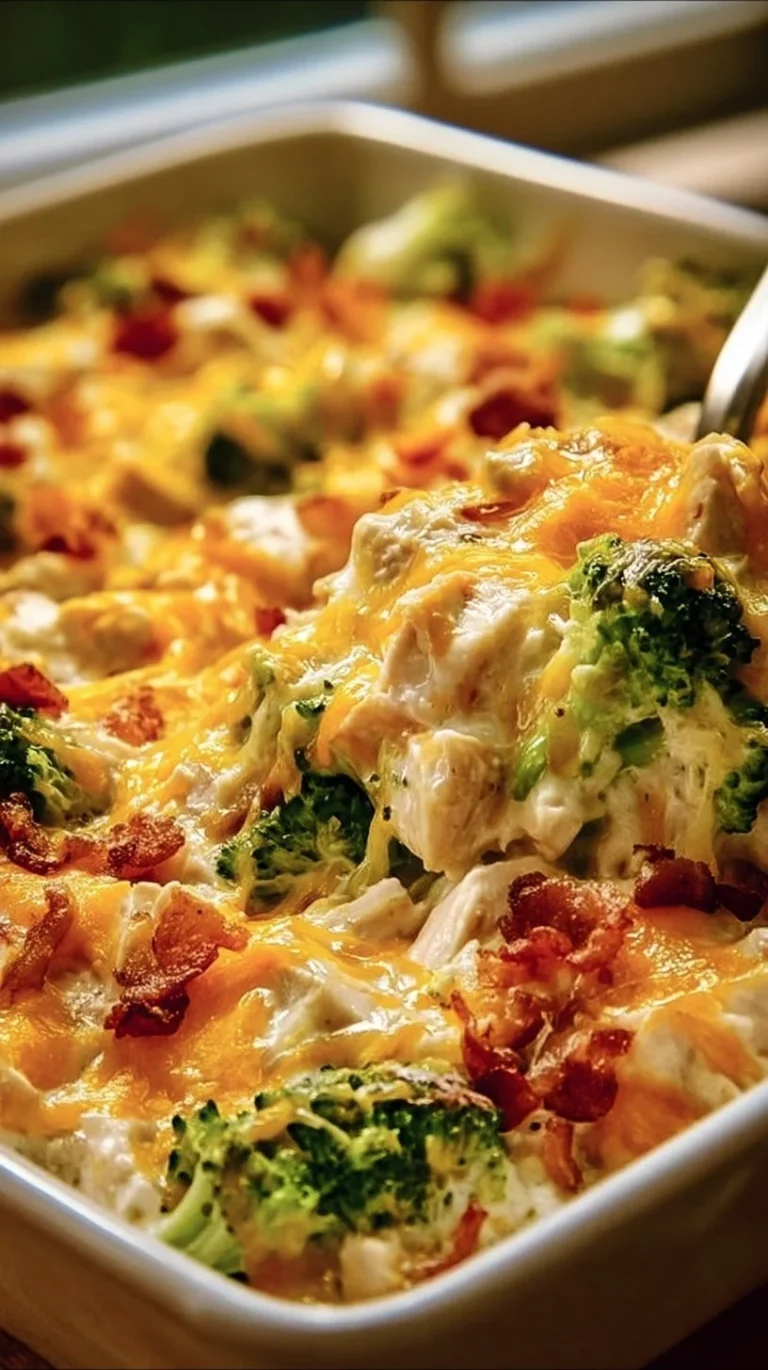
Bowls (High Protein & Freezer Friendly) Recipe

Introduction
This Bowls (High Protein & Freezer Friendly) Recipe is for busy folks who want a dependable, protein-forward meal that can be prepped ahead, stored, and reheated without fuss. If you’re new to meal prep or you’ve had kitchen misadventures before, this recipe is built to build your confidence: the ingredients are familiar, the steps are straightforward, and small imperfections won’t ruin the result.
If you enjoy simple, protein-packed breakfasts you can make on a weekend and rely on all week, you might also like my baked cottage cheese eggs, which follow the same gentle, forgiving approach to meal prep. Think of this bowl recipe as a low-stress way to learn how to roast, brown, and gently scramble — the same skills you’ll use over and over.
Why this recipe is easy to get right
This recipe is forgiving in three big ways. First, the ingredients are sturdy: red potatoes hold up to roasting and reheating, sausage keeps plenty of flavor, and eggs tolerate a little variability in texture. Second, timing windows are generous — a few extra minutes in the oven or on the stove won’t break things. Third, assembly is flexible; you can portion by eye rather than precise weights and still end up with balanced bowls.
You don’t need exact precision for every moment here. For example, roasted potatoes can be a little more or less brown and still taste fantastic. Likewise, scrambled eggs can be stopped a touch earlier or later depending on whether you like them creamier or firmer. For helpful ideas about treating breakfast as a simple, repeatable habit, glance through some of our other breakfast recipes — they embrace the same principles of ease and reliability.
How to make Bowls (High Protein & Freezer Friendly) Recipe
At a glance the process has three main stages: roast the potatoes, cook the sausage and peppers, and scramble the eggs — then assemble and chill. You’ll start with roasting because potatoes take the longest and will keep warm while you finish the stove-top work. Next, brown the sausage with the bell pepper so it develops a little caramelized color and deep flavor. Then scramble the eggs gently — they should be just set, not overcooked. Finally, combine everything into containers and top with cheddar.
Where to focus at each stage:
- Potatoes: Aim for golden edges and tender centers. Check by piercing a piece with a fork. If it slides in easily, they’re done.
- Sausage & pepper: Look for even browning on the sausage and softened pepper pieces. Drain only if the pan looks greasy to your taste.
- Eggs: Watch for small curds and a glossy surface; remove from heat just before they look totally dry, because residual heat will finish them.
Beginners should slow down when chopping and when watching the eggs. Dicing potatoes evenly helps them roast uniformly, and keeping an eye on the eggs prevents dryness. If anything looks less than perfect, that’s okay — the flavors will still come together, and the cheddar will bring everything into a warm, comforting finish.
Ingredients
7 medium red potatoes, diced, 1 pound breakfast sausage, 1 green bell pepper, diced, Salt and pepper, to taste, 6 eggs, Splash of milk (optional), 1 cup shredded cheddar cheese
Each ingredient plays a clear, simple role:
- 7 medium red potatoes, diced — These are the base and the starch that make the bowls filling. Red potatoes have a thin skin that crisps nicely and holds shape after roasting.
- 1 pound breakfast sausage — Provides the main savory, seasoned protein. It brings fat and seasoning that help the rest of the bowl taste fully rounded.
- 1 green bell pepper, diced — Adds freshness, a gentle crunch if not overcooked, and a little bright flavor to balance the richness of the sausage.
- Salt and pepper, to taste — Small amounts adjust the whole dish; salt highlights flavors, and pepper gives a subtle bite.
- 6 eggs — The second main protein, offering tenderness and cohesion when scrambled and mixed in.
- Splash of milk (optional) — Makes the eggs a touch creamier if you choose to use it; it’s small and flexible, so don’t worry if you skip it.
- 1 cup shredded cheddar cheese — A finishing touch that melts over the warm mixture to add gooeyness and sharp flavor.
None of these are exotic or fragile. They’re all ingredients most people have seen in a grocery store and can handle without special tools or experience. Together they balance texture (crispy roasted potato vs. soft eggs), savory richness (sausage and cheese), and brightness (bell pepper and seasoning).
Directions
Wash and dice the red potatoes into small cubes. Place on a greased baking sheet, season with salt and pepper, and roast for 20-25 minutes., Brown the sausage with the bell pepper on medium heat in a skillet. Drain if needed and set aside., Beat eggs with milk, salt, and pepper. Scramble in a pan until just cooked. Combine with the sausage mixture., Divide potatoes, sausage, and egg mixture among 6 containers. Top each with shredded cheddar., Once cooled, seal the containers tightly with lids and refrigerate until ready to eat.
Supportive guidance around the steps:
- Wash and dice the red potatoes into small cubes. When dicing, aim for pieces roughly the same size so they roast evenly. If some cubes are a touch bigger, that’s okay — they’ll simply take a minute or two longer. Small cubes give you more crispy edges, which I love for texture.
- Place on a greased baking sheet, season with salt and pepper, and roast for 20-25 minutes. Spread the potatoes out so they aren’t crowded; a single layer helps them brown. Look for golden-brown edges and a fork piercing easily through the center. A little browning equals more flavor.
- Brown the sausage with the bell pepper on medium heat in a skillet. Drain if needed and set aside. Browning is where the sausage develops deeper flavor. Stir occasionally so it browns evenly. The pepper should be softened and showing a few browned spots — that adds sweetness and contrast.
- Beat eggs with milk, salt, and pepper. Scramble in a pan until just cooked. Combine with the sausage mixture. For soft, tender eggs, cook them on medium-low and stir gently. Watch for glossy curds — remove from heat when they’re still a little glossy because they’ll finish setting off the stove. Then mix them with the sausage and peppers so every bite has both protein elements.
- Divide potatoes, sausage, and egg mixture among 6 containers. Top each with shredded cheddar. Portion by spoonfuls rather than exact weights if that’s easier. The cheddar will melt slightly from the warm mix and help everything stay cohesive in the container.
- Once cooled, seal the containers tightly with lids and refrigerate until ready to eat. Let containers cool to near room temperature before sealing to prevent condensation. Cool to the touch, then seal and chill.
Visual cues to watch for: golden color on the potatoes, browned edges on sausage, softened pepper, and eggs with small curds and a glossy sheen. If something doesn’t look perfect — a few under-browned potatoes or slightly firmer eggs — you can rewarm or adjust later. Small imperfections don’t ruin the dish; they are part of learning.
Key techniques you’ll practice in this recipe
This recipe is a gentle practice ground for a few essential kitchen skills:
- Roasting vegetables: learning even spreading, visual browning cues, and how to test doneness with a fork.
- Browning ground protein: watching color change and learning when to drain fat vs. leave it for flavor.
- Scrambling eggs gently: controlling heat and timing so eggs remain tender and not rubbery.
- Simple meal assembly and cooling: portioning into containers and allowing proper cooling before refrigeration to preserve texture.
These techniques translate to many other dishes — roasted root vegetables, skillet sauces, omelets, and batch meal prep. Each time you make this bowl, you refine knife control, temperature sense, and timing.
Common mistakes and how to avoid them
- Potatoes not crisping: This often happens when they’re crowded on the pan. Avoid crowding and use a greased baking sheet; larger pans give potatoes space to brown.
- Overcooked eggs: Eggs go from perfect to dry quickly. Cook on medium-low, stir gently, and remove when they still hold a little shine.
- Greasy final dish: If your sausage renders a lot of fat, drain some into a heatproof bowl or blot with a paper towel before combining with eggs and potatoes.
- Soggy reheated texture: Let containers cool before sealing to avoid steam creating sogginess. When reheating, use a microwave-friendly lid partially open or reheat in a skillet for crispier potatoes.
If a step goes off track — say potatoes get too browned — salvage them by removing the darkest pieces and mixing in more tender ones, or top with extra cheese and a splash of salsa or hot sauce to balance flavors. Recovery is almost always possible without starting over.
How to adjust confidently without changing the recipe
You’ll often want to scale portions up or down. Conceptually, scale each ingredient about the same amount so proportions stay balanced — more potatoes, more sausage, more eggs. If you’re reducing, keep roughly the same ratio so each container has enough starch and protein.
For flavor preferences, think conceptually: if you like more brightness, add a squeeze of citrus or a spoonful of salsa when serving; if you want it spicier, a pinch of red pepper flakes mixed into the eggs will work. For texture tweaks, a shorter roast keeps potatoes softer, a longer roast crisps them more. These are conceptual changes — don’t alter the given ingredients or steps, but use them to guide how you finish or serve.
Serving, storage, and reheating made simple
Best serving: These bowls are great straight from the fridge and warmed. Add a fresh topping when serving — chopped herbs, a spoon of yogurt, or hot sauce — to lift flavors and add freshness. If you want the potatoes crisper, reheat in a skillet on medium until edges are crunchy.
Storage: Chill the sealed containers in the refrigerator once cooled. They’ll keep well for several days. For longer storage, these bowls also freeze well; freeze flat in airtight containers or freezer bags for easy stacking. Label with the date so you use them within a sensible time.
Reheating: Microwave on medium power in 30–60 second bursts, stirring in between, to heat evenly and avoid overheating the eggs. For a crisper result, reheat in a skillet over medium until warmed through and the potatoes regain some crunch. Either method works; choose what fits your time and texture preference.
For dessert ideas to finish a make-ahead meal sweetly, peek through our collection of dessert recipes for treats that also favor simplicity and reliability.
Questions new cooks often ask about this recipe
Q: How small should I dice the potatoes?
A: Aim for bite-sized cubes, roughly 1/2-inch to 3/4-inch. Even sized pieces roast uniformly; if a few vary, that’s okay.
Q: Can I use another type of sausage?
A: Yes, but different sausages vary in salt and fat. If your sausage is particularly seasoned, taste and adjust salt accordingly.
Q: Do I have to use milk in the eggs?
A: No — the splash of milk is optional and only adds a touch of creaminess. Eggs scramble fine without it.
Q: What if I want extra vegetables?
A: Add extra peppers, onions, or mushrooms in the same pan as the sausage. Cook until softened and slightly browned. Just be mindful of extra moisture: cook vegetables a bit longer to evaporate excess liquid.
Q: Is it normal if the eggs look a little glossy when I remove them?
A: Yes — that gloss means they’re still slightly soft and will finish setting off the heat. Removing them a bit early prevents dryness.
Q: What containers should I use for freezing?
A: Use freezer-safe, airtight containers or heavy-duty freezer bags. Leave a little headspace in containers for expansion if freezing.
Final encouragement from Carla
Cooking is a practice, not a performance. Each time you make these bowls you’ll pick up small lessons — how long your oven takes to brown potatoes, the exact moment your eggs look perfect, and how much seasoning your family prefers. These are skills that grow with repetition, and this recipe is designed so that repetition is both easy and rewarding.
Be gentle with yourself if a batch isn’t textbook-perfect. Small fixes and simple strategies often bring the dish right back into balance. The point is nourishing food that supports your week, not stress. Keep going — your confidence will build faster than you expect.
Conclusion
If you’re looking for other make-ahead bowl ideas with freezer-friendly options, this Chicken Burrito Bowls (Make Ahead & Freeze) – Happy Money Saver article has a similar, practical approach to batch cooking. For more high-protein breakfast bowl inspiration, check this High Protein Egg & Hashbrown Breakfast Bowls (Easy Meal Prep) post which echoes the same meal-prep mindset. If you want ideas focused specifically on freezer-friendly potato-and-egg bowls, see this Freezer-Friendly Potato and Egg Breakfast Bowls – Homemade Nutrition for helpful tips. For different flavor profiles in meal prep bowls, this Korean Inspired Chicken Meal Prep Bowls – The Girl on Bloor shows how seasoning and sauces can transform a simple template into a new favorite.
You’ve got this — one tray of roasted potatoes and a skillet at a time.

High Protein & Freezer Friendly Bowls
Ingredients
Method
- Wash and dice the red potatoes into small cubes.
- Place on a greased baking sheet, season with salt and pepper, and roast for 20-25 minutes.
- Brown the sausage with the bell pepper on medium heat in a skillet. Drain if needed and set aside.
- Beat eggs with milk, salt, and pepper. Scramble in a pan until just cooked. Combine with the sausage mixture.
- Divide potatoes, sausage, and egg mixture among 6 containers. Top each with shredded cheddar.
- Once cooled, seal the containers tightly with lids and refrigerate until ready to eat.