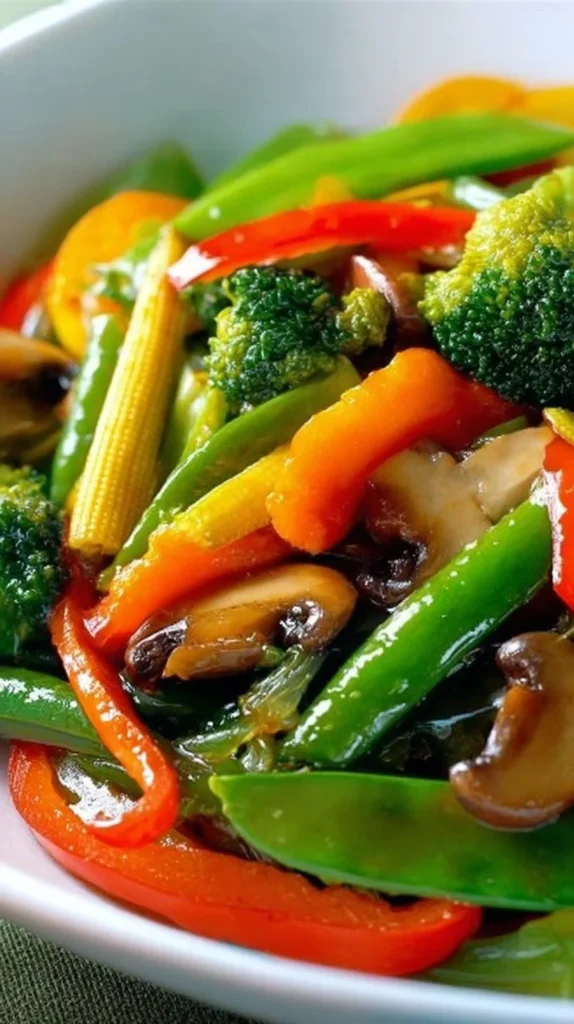
Vegetable Stir Fry
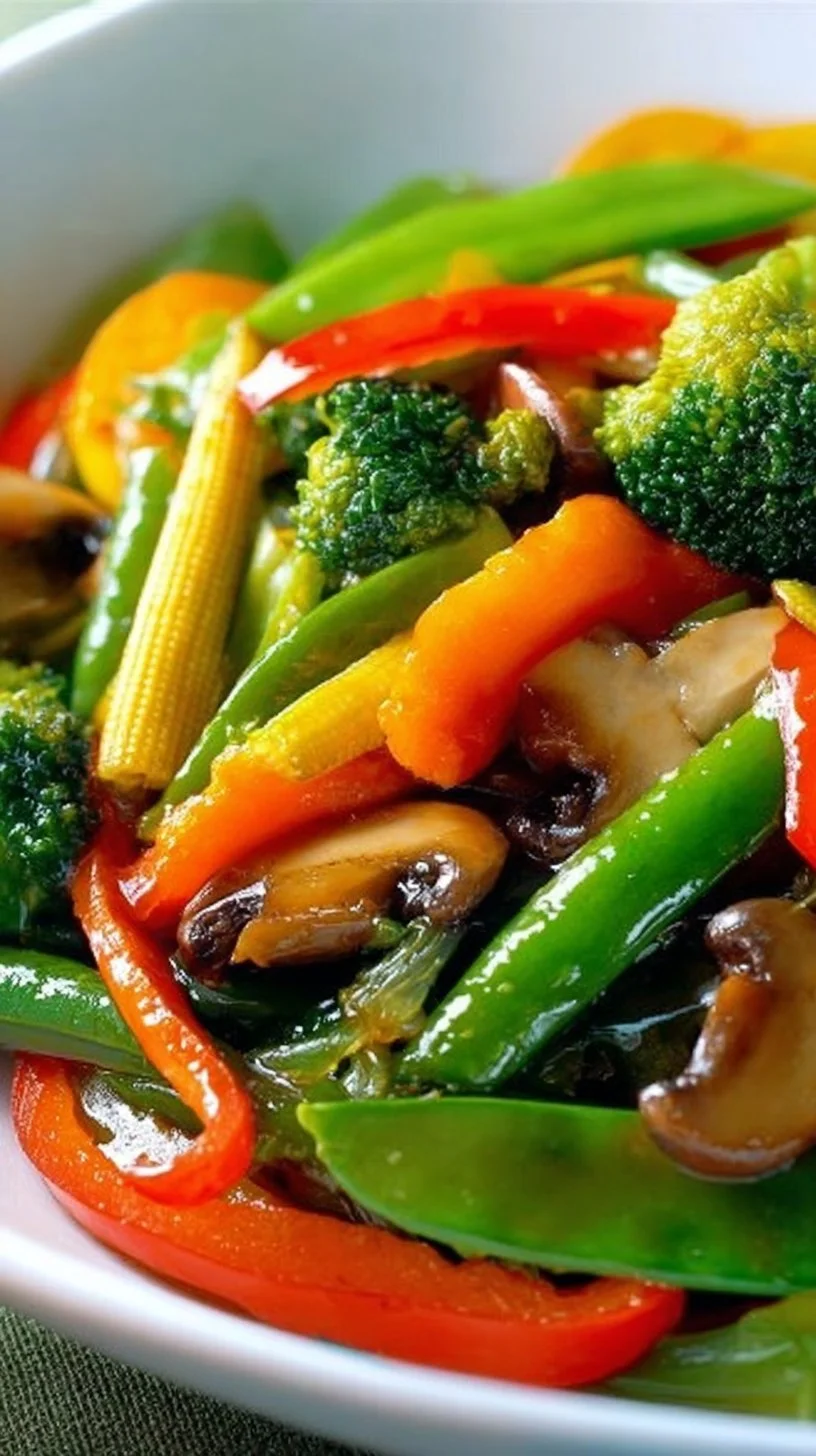
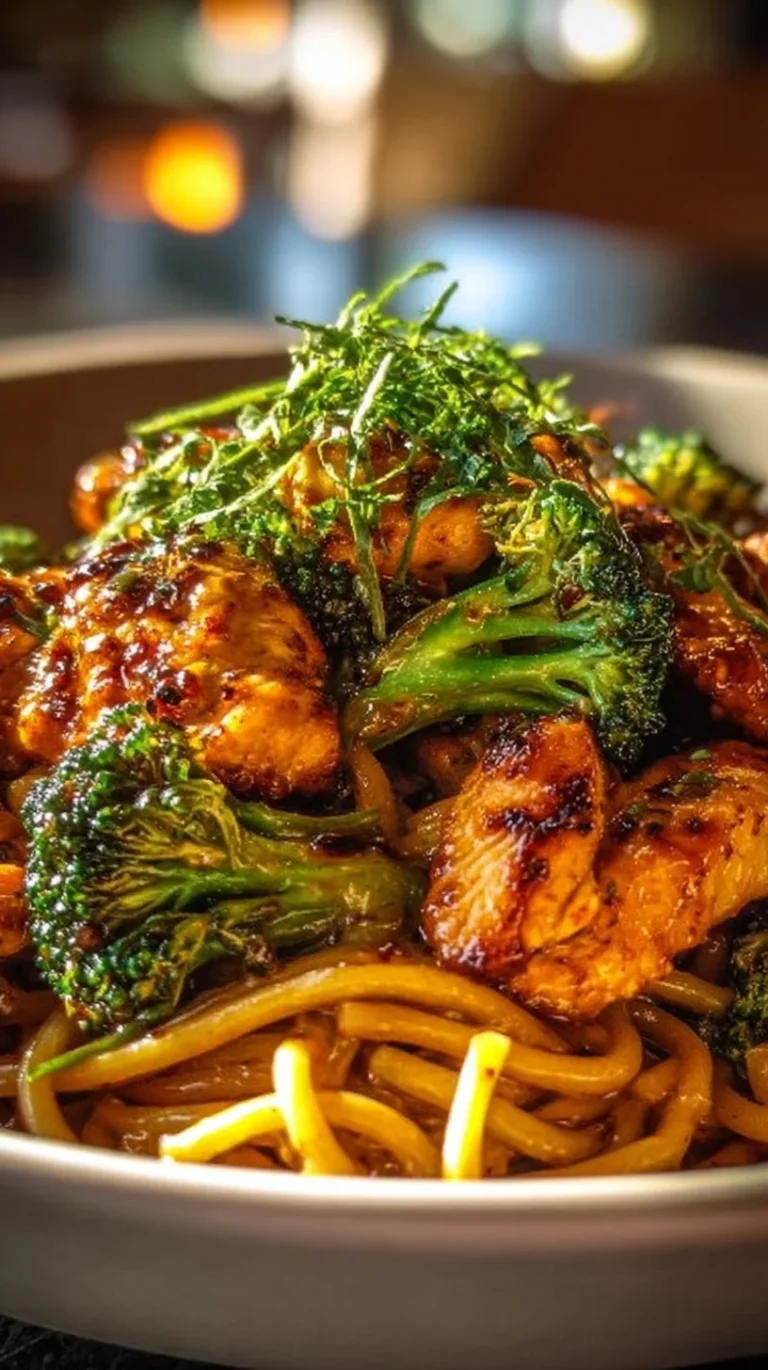
This vegetable stir fry is one of those go-to recipes that sits comfortably in a weeknight rotation: quick to pull together, forgiving on timing, and bright enough to feel light without leaving you hungry. It’s a plate of straightforward ingredients—broccoli, bell pepper, carrot, snap peas, garlic, soy sauce and olive oil—that, when handled with a few simple techniques, delivers vivid color, texture, and flavor.
Because it comes together in about the time it takes to cook rice or noodles, it’s ideal for evenings when you want a satisfying home-cooked meal without fuss. It also travels well as leftovers for lunch. If you sometimes want a heartier version, a related recipe like this beef and vegetable stir-fry can be useful inspiration—same principles, a different protein.
I write about balanced, practical meals that feel lighter while staying satisfying, and this stir fry is a textbook example: familiar comfort, minimal ingredients, and plenty of room for gentle personalization.
How this recipe fits into a balanced lifestyle
This dish supports moderation and enjoyment by focusing on ingredient quality and cooking method rather than restriction. The vegetables provide bulk and vitamins, while a modest amount of soy sauce and a tablespoon of olive oil bring savory, satisfying flavor without adding heaviness. The result is a plate that feels fresh—bright colors, crisp-tender textures—yet comforting because of its warm, cooked vegetables and umami notes.
Thinking about balance here is more about portion and pairing than abstention. Serving the stir fry over a small bowl of steamed rice, soba, or a modest nest of noodles adds familiar heft when you want it, while a larger pile of vegetables and a lighter grain portion keeps things feeling lighter on busier days. It naturally fits into a varied weekly routine: use it as a simple weeknight main, a component for meal-prep bowls, or a quick side to more elaborate dinners. If you enjoy exploring similar vegetable-forward ideas, try comparing techniques with an Asian cabbage stir-fry to expand your repertoire without complicating your grocery list.
How to make Vegetable Stir Fry
The cooking flow is intentionally simple: heat oil, aromatics, then vegetables, finish with soy sauce and seasoning. The point is to move steadily and confidently rather than dawdling and overcomplicating things. Work at medium-high heat once the pan is hot, but don’t try to race the vegetables—gentle control keeps them crisp-tender.
Simplicity matters most where timing and prep intersect. Have your vegetables washed, trimmed, and sliced before you start. Mince the garlic and measure the soy sauce so the moment you add the vegetables you’re not searching for tools or ingredients. Use a wide pan or a wok if you have one, so the vegetables have space to sear rather than steam. Treat the recipe as a template: follow the directions exactly as written, and then learn the small visual cues—bright color, a little browning at the edges, and a firm-but-tender bite—that tell you it’s ready.
If you enjoy mixing textures, you can slightly vary the cut sizes for interest: thin carrot slices for quick tenderness, larger broccoli florets for chew and structure. But keep the approach pragmatic: prep thoughtfully, keep heat consistent, and don’t overthink seasoning.
Ingredients
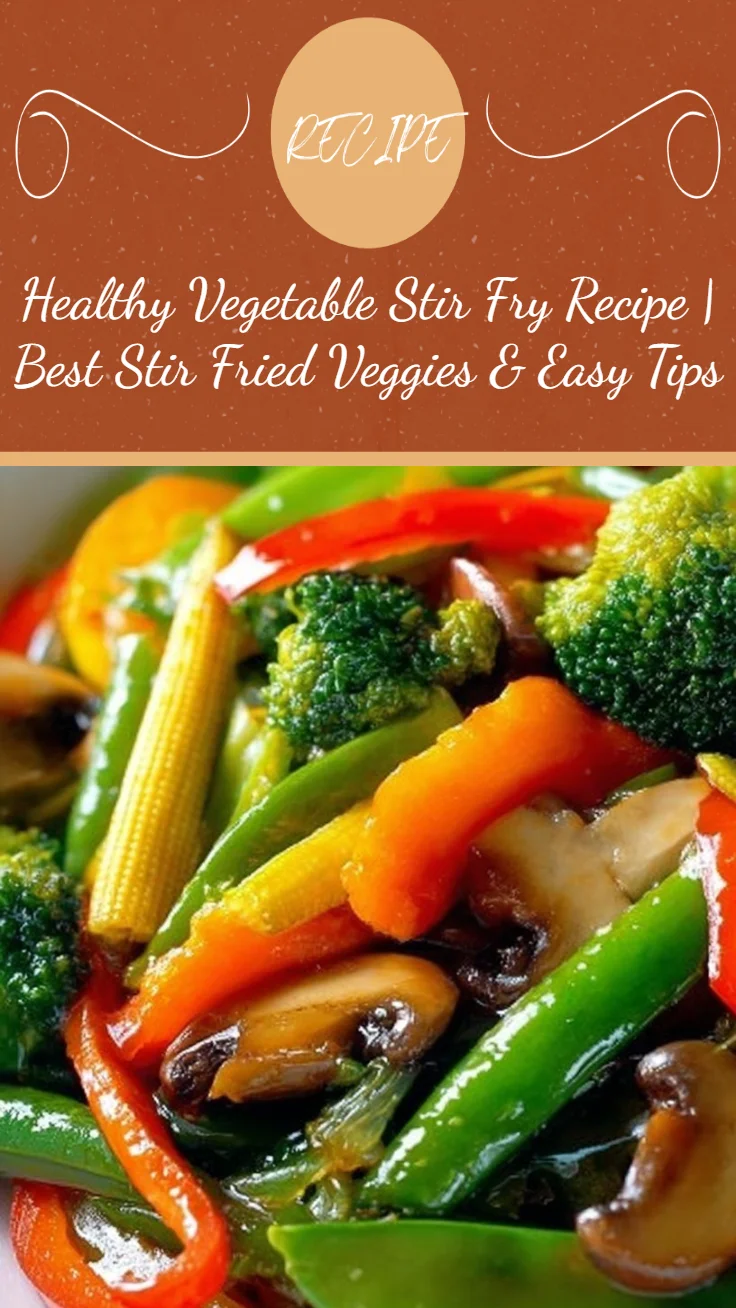
2 cups broccoli florets, 1 bell pepper, sliced, 1 carrot, thinly sliced, 1 cup snap peas, 2 cloves garlic, minced, 2 tablespoons soy sauce, 1 tablespoon olive oil, Salt and pepper to taste
Each ingredient has a clear role in this recipe:
- 2 cups broccoli florets: Broccoli gives structure and a satisfying chew. It browns slightly when cooked properly, adding a toasty note that contrasts with more delicate vegetables.
- 1 bell pepper, sliced: Bell pepper brings sweetness, color, and a softer texture that complements broccoli’s density. The slices soften quickly and maintain a pleasant bite.
- 1 carrot, thinly sliced: Thin carrot slices cook through in the same time as the other vegetables, offering mild sweetness and a firmer texture if sliced on the bias.
- 1 cup snap peas: Snap peas add a fresh snap and bright green color. They hold up well to stir-frying and keep the dish lively.
- 2 cloves garlic, minced: Garlic is the aromatic backbone here—just enough to perfume the oil and tie the vegetables and soy sauce together.
- 2 tablespoons soy sauce: Soy sauce is the primary seasoning, lending salt and umami. It’s enough to flavor everything without overpowering the vegetables.
- 1 tablespoon olive oil: Olive oil is the cooking fat; it helps with heat transfer and browning while keeping flavors clean and familiar.
- Salt and pepper to taste: A small finish of salt and pepper adjusts the seasoning and brings the dish into balance.
The beauty of this ingredient list is its clarity: each item provides a textural or flavor contrast that together creates a balanced plate. Mindful choices—using a modest amount of oil, favoring vegetables rather than heavy sauces—keep the final result feeling lighter without forfeiting satisfaction.
Directions
- Heat the olive oil in a large pan over medium heat.
- Add garlic and sauté for 1 minute.
- Add broccoli, bell pepper, carrot, and snap peas. Stir fry for about 5-7 minutes until vegetables are tender but still crisp.
- Pour in soy sauce and mix well.
- Season with salt and pepper to taste.
- Serve hot over rice or noodles.
Around the steps: what to watch for and how to keep things simple
- Step 1: Give the pan a moment to warm so the oil moves easily and the garlic sizzles rather than soaks. Use a large skillet or wok so vegetables have contact with the hot surface—crowding leads to steaming.
- Step 2: Watch the garlic carefully; it softens and releases aroma quickly. A minute is usually right—enough to become fragrant but not brown. If it begins to darken, reduce the heat slightly.
- Step 3: Add vegetables in one go for this recipe since their cut sizes are similar; stir frequently. Look for brightening color and just a touch of charring on broccoli edges. The goal is for them to be "tender but still crisp"—bite through a piece to check for a slight resistance in the center.
- Step 4: When you add soy sauce, stir well to coat evenly. The liquid should sizzle and evaporate slightly, concentrating the flavor without making the pan too wet.
- Step 5: Taste before adding salt—soy sauce adds saltiness, so you may not need much. A light grind of pepper is usually enough.
- Step 6: Serve immediately over rice or noodles. Warm starches complement the hot vegetables and round out the meal.
Avoid overcomplicating the process: don’t try to micromanage the pan temperature every few seconds, and resist the urge to add too many additional sauces or garnishes that mask the vegetables’ freshness. The recipe’s clarity is part of its strength.
The role of preparation in keeping this dish light
A lot of whether a meal feels heavy or light comes down to how you cook it. Stir-frying—quickly cooking food in a hot pan with a small amount of oil—locks in color and texture while limiting added fat and heaviness. Because vegetables are cooked briefly at high heat, they retain water and natural brightness instead of breaking down into a softer, denser stew.
Technique matters: slicing vegetables uniformly ensures even cooking. Properly pre-heating the pan means you use less oil and get a pleasing surface caramelization that adds flavor without extra calories. Timing matters too—remove the vegetables from heat when they’re just tender; overcooked vegetables become limp and less satisfying.
Small choices add up. Choosing a modest amount of a neutral oil like olive oil, using soy sauce as the main seasoning, and serving with a sensible portion of rice create balance. It’s not about omission; it’s about letting each element do its job so the dish reads as clean but complete.
Simple ways to adjust without losing balance
You can personalize this stir fry in several gentle ways while keeping its light, balanced spirit:
- Swap grains: Serve it over brown rice, quinoa, or a small portion of noodles depending on appetite and preference. The base changes the feel but not the technique.
- Add a protein thoughtfully: If you want more staying power, add a modest portion of tofu, tempeh, or thinly sliced chicken or shrimp—cooked separately and folded in at the end so the vegetables don’t steam.
- Brighten with acid: A squeeze of lemon or a splash of rice vinegar at the end lifts flavors without adding heaviness.
- Play with aromatics: A little grated ginger with the garlic adds warmth; scallions folded in at the end give a fresh finish.
- Single-sauce variations: If you want more sauce, keep it light by mixing soy sauce with a small amount of water and a teaspoon of honey or toasted sesame oil—use sparingly to preserve the dish’s clean feel.
For ideas on using similar vegetables in different preparations, compare this stir fry to a rustic skillet like a sausage and cabbage skillet—different mood, same simple approach to flavors and textures.
Pairing ideas for a complete, well-rounded meal
To build a satisfying plate without excess, think about complementary textures and portion sizes:
- Light starch: A small bowl of steamed jasmine or brown rice, a modest portion of whole-grain noodles, or a scoop of quinoa offers grounding comfort.
- Fresh contrast: A simple salad of mixed greens with a lemon vinaigrette or quick cucumber ribbons adds cool crunch and acidity.
- Crunchy element: Toasted sesame seeds or a sprinkle of chopped peanuts add texture and a little richness; use them sparingly.
- Warm side: For a heartier occasion, a bowl of miso soup or a clear broth with scallions pairs nicely without overwhelming the palate.
- Vegetables to round out: If you want an extra vegetable side, a quick sauté of leafy greens keeps the meal green and light; for example, try a simple, quick sautéed side like this quick sautéed vegetables to accompany your stir fry.
These pairings let you create a full plate that feels balanced and intentional rather than indulgent by accident.
Storage, leftovers, and next-day enjoyment
This stir fry holds up well as leftovers if you handle storage and reheating with care. Cool the food to room temperature within an hour and store in an airtight container in the refrigerator for up to 3–4 days. If you want to freeze it, know that some vegetables change texture when frozen and thawed, so refrigeration is generally a better option.
Reheating tips:
- Reheat gently on the stovetop in a hot pan for best texture—just a minute or two until warm. This revives the vegetables’ surface and helps evaporate any excess moisture.
- If using a microwave, reheat in short bursts and stir between intervals to avoid overcooking.
- If leftovers seem drier than you’d like, add a splash of water or a squeeze of lemon while reheating to refresh the flavors.
Leftover stir fry also makes a useful component in meal prep bowls, omelets, or fried rice—small adjustments can reinvent it without losing its fresh, light character.
Common questions about lighter everyday cooking
Q: How much should I serve per person?
A: Aim for a vegetable-first plate: about 1.5–2 cups of cooked vegetables per person paired with 1/2 to 1 cup of cooked grain or a moderate portion of noodles, depending on appetite. These are practical ranges—adjust to your own needs.
Q: How do I avoid boredom if I repeat this meal often?
A: Rotate small elements: change the grain, add different aromatics (ginger, chili flakes), switch up finishing accoutrements (toasted sesame oil, citrus), or use different proteins occasionally. Small shifts keep the base enjoyable.
Q: Can I meal-prep this for the week?
A: Yes—store properly and reheat on the stovetop. Keep sauces or finishing oils separate if you prefer the freshest texture when serving.
Q: How do I make lighter meals feel satisfying?
A: Focus on texture, aroma, and contrast. Crisp-tender vegetables, a warm grain, a bold seasoning like soy sauce or vinegar, and a sprinkle of seeds or nuts create mouthfeel and satiety without relying on excess fat or heavy sauces.
Final thoughts from Daniel
This vegetable stir fry is a reliable anchor in a balanced kitchen—it’s fast, clear, and flavor-forward without being fussy. The recipe rewards a little prep and the right heat: when you aim for bright vegetables with some char, the dish feels both light and comforting. Keep the ingredients simple, pay attention to timing, and let small finishes—citrus, toasted seeds, fresh herbs—do the heavy lifting in flavor.
Cooking intuitively means using recipes like this as a framework rather than a strict rulebook. If you find yourself wanting more substance some nights, add a modest protein or a slightly larger grain portion. If you prefer lighter dinners, lean into the vegetable portion and bright finishes. That flexibility is why this recipe belongs in regular rotation.
Thanks for cooking with me—treat this as a canvas for everyday balance, and enjoy the straightforward satisfaction it brings.
Conclusion
If you’d like a different, family-friendly take on the classic, this Easiest Vegetable Stir Fry – The Recipe Critic is a helpful alternate method to compare techniques. For variations that emphasize a slightly different mix of vegetables and seasonings, see this Vegetable Stir Fry Recipe – Natasha’s Kitchen for another practical approach. And if you’re interested in a lighter, herb-forward spin, this Easy Veggie Stir Fry Recipe – Love and Lemons offers nice ideas for bright finishes.
Vegetable Stir Fry
Ingredients
Method
- Heat the olive oil in a large pan over medium heat.
- Add garlic and sauté for 1 minute until fragrant.
- Add broccoli, bell pepper, carrot, and snap peas. Stir fry for about 5-7 minutes until vegetables are tender but still crisp.
- Pour in soy sauce and mix well, allowing it to sizzle.
- Season with salt and pepper to taste.
- Serve hot over rice or noodles.