Baked Salmon
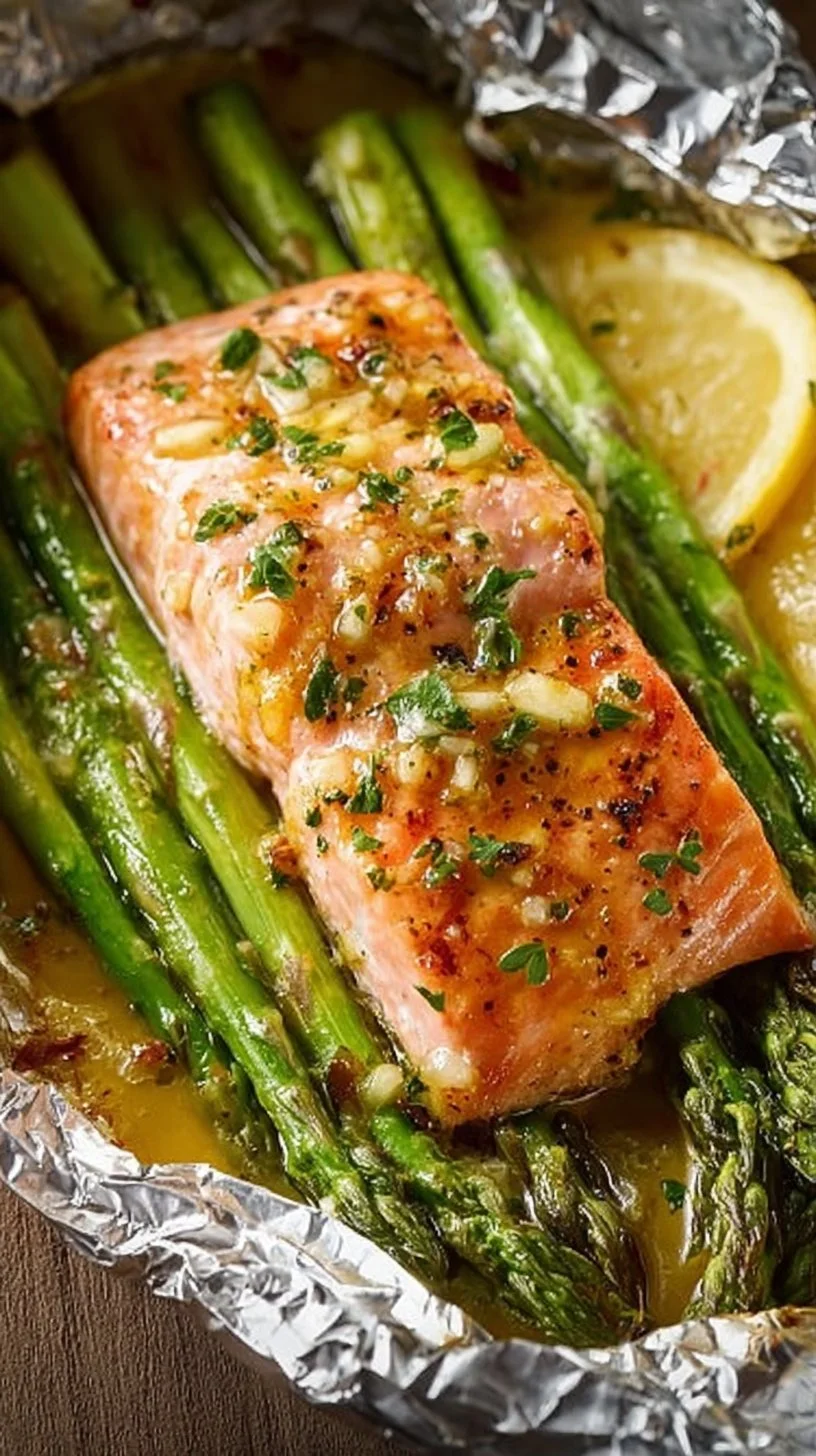
If you’re someone who wants a delicious, low-fuss weeknight meal that still feels a little special, this Baked Salmon is for you. I’m Carla Carter, Founder & Recipe Developer of RecipesCabin, and I’ve written this so even if you’re nervous in the kitchen—or haven’t yet found a salmon recipe that works—you’ll feel calm, capable, and ready to cook. This recipe keeps the steps few and the payoff big: a moist, flaky fillet wrapped in foil, brightened with lemon and herbs.
If you like simple salmon dinners that let the fish shine, you might also enjoy my Bang Bang Salmon Bites for a flavor-forward variation that’s still easy to manage. Think of this baked salmon as a foundational recipe: once you’re comfortable with it, you’ll have the confidence to adapt flavors and sides without stress.
Why this recipe is easy to get right
This recipe is forgiving in three big ways: the cooking method, the ingredients, and the timing window. Baking in foil creates a small, controlled environment that protects the salmon from drying out. The oil, lemon, and garlic are simple seasonings that amplify the fish’s natural flavor rather than hiding it—so small differences in technique won’t ruin the result.
Flexibility shows up here, too. The oven temperature is moderate and steady, and the 15–20 minute bake time gives you a range rather than a single precise number. If your fillets are slightly thicker or thinner, you’ll still land in the safe zone. That means this recipe works for absolute beginners as well as anyone who’s returning to the stove after a break.
Because this dish is straightforward, it’s also a great place to practice small skills—like gauging doneness and getting comfortable with tenting foil—without worrying about complicated timing or many moving parts. If you like resourceful weeknight cooking, check out my protein-packed breakfast ideas for other recipes that use simple techniques for dependable results.
How to make Baked Salmon
At its heart this recipe moves through three clear stages: prep, seal, and bake. First, you’ll get your salmon and seasoning ready—this is where you set yourself up for success. Next, you build a foil packet that traps steam and keeps the fish tender. Finally, you bake and rest briefly before garnishing.
What happens first: preheating the oven gives you a predictable environment. A properly warmed oven means the salmon begins cooking immediately and evenly. Take a moment here to line up the foil pieces and have your lemon and garlic close by—this is a quick, calm prep stage.
What happens next: assembling each fillet on foil and drizzling with oil is more than convenience—oil promotes even browning and carries the garlic and salt to the fish surface. Topping with lemon slices adds gentle acidity that brightens the finished dish. When you fold the foil into a packet, you’re creating a tiny steam oven for each fillet; this is why the interior stays moist.
What happens last: baking for 15–20 minutes cooks the salmon through while keeping it tender. Use visual cues—flaky edges, slightly opaque center—to judge doneness more than the exact minute. After opening the packet, finished salmon should feel soft but hold together. Beginners should slow down when unwrapping the foil (watch for hot steam) and when testing for doneness—small nudges with a fork are all you need.
If you enjoy exploring different ways to serve salmon once you’ve mastered the basics, you can see how similar components come together in my Honey Sriracha Salmon Bowls where the same principles of simple seasoning and confident cooking apply.
Ingredients
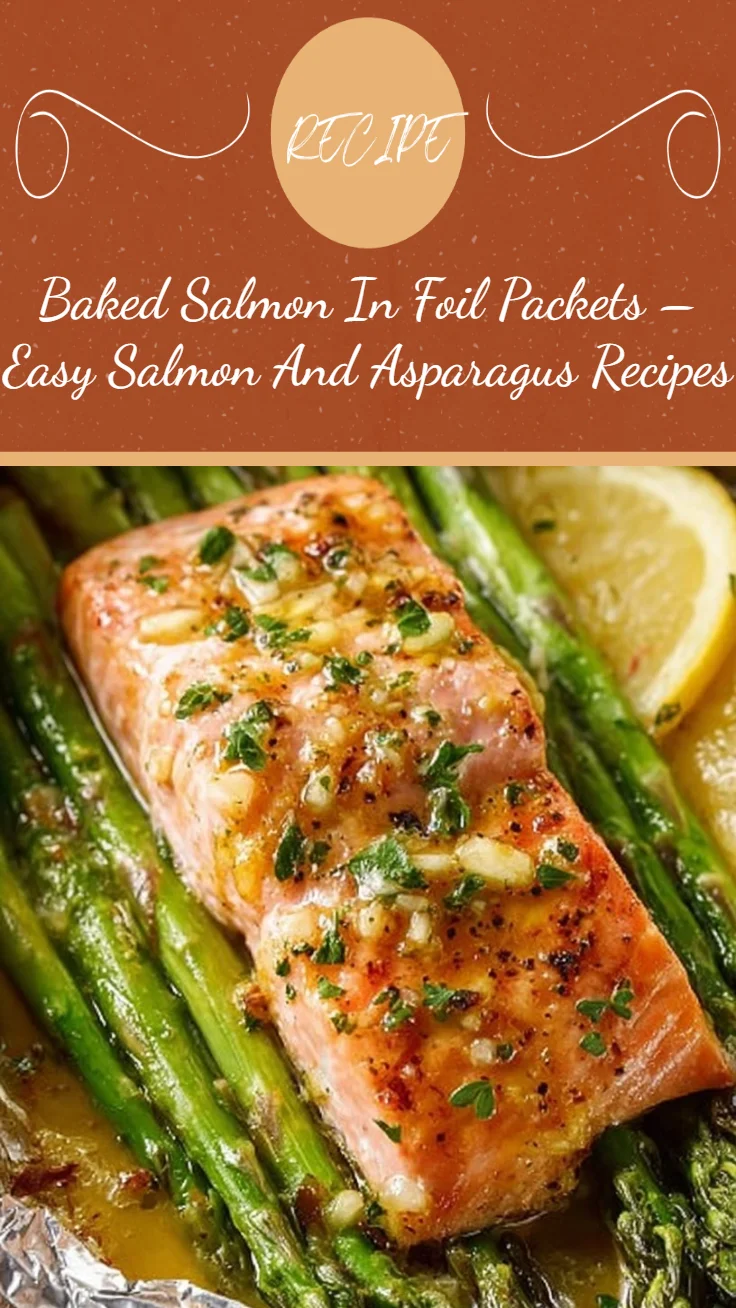
4 salmon fillets, 2 tablespoons olive oil, 1 lemon, sliced, 2 cloves garlic, minced, Salt and pepper to taste, Fresh herbs (like dill or parsley) for garnish
- 4 salmon fillets — The main event. Salmon is rich and forgiving; it handles a moderate oven well and takes on bright flavors.
- 2 tablespoons olive oil — Adds moisture and helps the garlic and pepper cling to the fish. Olive oil also helps the outside of the fillet develop a light, pleasant sheen.
- 1 lemon, sliced — Lemon introduces acidity that cuts through the richness of salmon, balancing the flavor and making it taste fresher.
- 2 cloves garlic, minced — Garlic brings savory warmth. Minced garlic distributes more evenly than whole cloves, so you’ll get small hits of flavor throughout.
- Salt and pepper to taste — Essential seasonings that make the natural flavors pop. Salt especially helps extract the fish’s juices and deepen savory notes.
- Fresh herbs (like dill or parsley) for garnish — A final touch that adds color, aroma, and a mild herbal lift.
None of these ingredients are complicated or intimidating. Together they create a classic, harmonious profile: rich fish, bright citrus, warm garlic, and fresh herb finish. You’re combining fat, acid, and aromatics in very approachable ways.
Directions
- Preheat your oven to 375°F (190°C).
- Place each salmon fillet on a piece of foil.
- Drizzle with olive oil and sprinkle with garlic, salt, and pepper.
- Top with lemon slices.
- Fold the foil around the salmon to create a packet.
- Bake in the oven for 15-20 minutes or until the salmon is cooked through.
- Garnish with fresh herbs before serving.
Supportive guidance for each step
- Step 1: Preheating. Wait until the oven reaches 375°F (190°C) before putting the packets in. A fully heated oven ensures even cooking; if you skip this, the salmon will take longer and cook unevenly.
- Step 2: Placing on foil. Use a sheet large enough to fold over the fillet with room to seal. Lay skin-side down if your fillets have skin—this helps the fillet hold together during baking.
- Step 3: Seasoning. Drizzle the olive oil so every fillet has a light coating; it should glisten but not pool. Evenly scatter the minced garlic and a light pinch of salt and pepper—taste preferences vary, so adjust slightly if you like more or less.
- Step 4: Lemon. Lay thin lemon slices across the fillet. They’ll steam during baking and release fragrant citrus oils. If a slice slips aside, that’s fine—what matters is a bit of citrus on each fillet.
- Step 5: Sealing the packet. Fold the foil tightly enough to trap steam but leave a small air pocket above the fish. You want steam to circulate around the salmon without pressing the lemon directly into the flesh.
- Step 6: Baking. The 15–20 minute window accounts for differences in fillet thickness. Visual cues: the flesh goes from translucent to opaque and will flake gently when prodded. If you like a slightly firmer center, aim closer to 15 minutes; for very thick fillets, allow up to 20 minutes.
- Step 7: Garnish. Open the packet carefully—steam will escape quickly. Fresh herbs sprinkled on top add aroma and a bright color contrast.
If your salmon looks a touch underdone when you first peek, close the packet and give it another 2–3 minutes rather than re-baking at a higher temperature; gentle heat finishes it without drying.
Key techniques you’ll practice in this recipe
- Controlled seasoning: learning to lightly oil and season lets you taste the ingredient rather than overpower it. This skill carries to most fish and even to vegetables.
- Foil packet cooking: sealing food in foil is a simple method that traps steam and concentrates flavor. Once you’re comfortable with packets, you can use this for chicken, vegetables, or even citrusy shrimp.
- Doneness judgment: relying on visual and tactile cues—opacity, flaking, a gentle press—helps you stop overcooking. This is a vital skill; many home cooks overcook protein by trusting time alone.
These are practical, repeatable skills. If you want more recipes that use kitchen basics, try my Easy Baked Oats to see similar concepts like gentle heat and simple seasoning applied to a different kind of dish.
Common mistakes and how to avoid them
- Mistake: Overcooking. Fix: Use the visual cues described above. If unsure, check at 15 minutes and add time in small increments.
- Mistake: Not sealing the packet well. Fix: Fold the foil edges twice and leave a small air pocket; this traps steam without squashing the fish.
- Mistake: Using too much oil or seasoning. Fix: Less is often more—drizzle a light coating of oil and start with a modest sprinkle of salt and pepper. You can always add a small pinch after baking if needed.
- Mistake: Opening the packet too quickly. Fix: Let the packet rest a minute after removing from the oven. Open cautiously away from your face to avoid steam burns.
If anything goes off track—say the fillet looks dry—turn down future oven time slightly and try a slightly tighter foil packet to retain more moisture. Small adjustments, not complete restarts, are usually all it takes.
How to adjust confidently without changing the recipe
- Scaling portions: If you need more or fewer servings, the method scales linearly—use one foil packet per fillet and adjust oven space rather than changing temperature or time. Thicker fillets may need a minute or two more; thinner ones slightly less.
- Flavor preferences: You can mentally note preferences without altering the listed ingredients. For more citrus brightness, use slightly thinner lemon slices; for a deeper garlic note, let your minced garlic sit in the olive oil for a few minutes before drizzling.
- Texture tweaks: If you prefer a firmer texture, reduce baking time by a couple of minutes and allow the salmon to rest in the foil for a minute or two. For softer, more steamed texture, make sure the packet is well sealed and allow the full 20 minutes for thicker pieces.
These are conceptual adjustments—no ingredient or step changes are needed; instead, think in terms of time, packet tightness, and thin versus thick slices.
Serving, storage, and reheating made simple
Serving: Serve the salmon straight from the packet or transfer to a warmed plate. A simple side of roasted vegetables, a handful of greens, or a scoop of rice complements the gentle flavors. The lemon slices on top are edible, and the herbs make a fresh contrast.
Storage: Cool leftovers to room temperature briefly (no longer than two hours), then store in an airtight container in the refrigerator for up to 3 days. If you’ve kept the fillet on its skin, that can help the flesh hold together in storage.
Reheating: Reheat gently to avoid drying. Place the salmon in a foil packet and warm in a 300°F (150°C) oven for 8–10 minutes, or microwave on low power in short bursts, checking frequently. A light drizzle of olive oil before reheating can help restore a bit of moisture.
Questions new cooks often ask about this recipe
- “How will I know it’s done?” Look for the flesh to turn opaque and to separate into flakes when you press it gently with a fork. It should still feel a little springy—overcooked salmon feels firm and dry.
- “Do I need a thermometer?” You don’t need one, but if you want precision, remove the salmon at an internal temperature of 125–130°F (52–54°C) for medium, slightly more for well-done.
- “Can I bake it without foil?” Yes, but the fish will be drier and may cook faster. Foil creates a gentle steam environment that’s central to this recipe.
- “Is a little unevenness okay?” Absolutely. Slightly different thicknesses in fillets or uneven lemon placement won’t ruin the dish. Small imperfections are normal and part of home cooking.
Trust your senses—sight, smell, and touch are reliable guides—especially with such a short ingredient list and straightforward technique.
Final encouragement from Carla
Cooking is a practice, not a test. This baked salmon recipe gives you clear steps, forgiving timing, and a gentle technique that builds real confidence. If something doesn’t look perfect the first time, that’s okay—every attempt teaches you something small but valuable. Keep trying, notice one improvement each time, and celebrate the meals you make for yourself and others. I’m cheering you on from RecipesCabin—keep cooking, keep tasting, and enjoy the journey.
Conclusion
If you’d like additional ideas for healthy baked salmon preparations, Creme De La Crumb’s healthy baked salmon recipe offers another approachable method and flavor profile that pairs well with this technique. For a foil-baked comparison and more tips on packet cooking, you may also find WellPlated’s baked salmon in foil helpful for reinforcing the same gentle, reliable approach used here.
Baked Salmon
Ingredients
Method
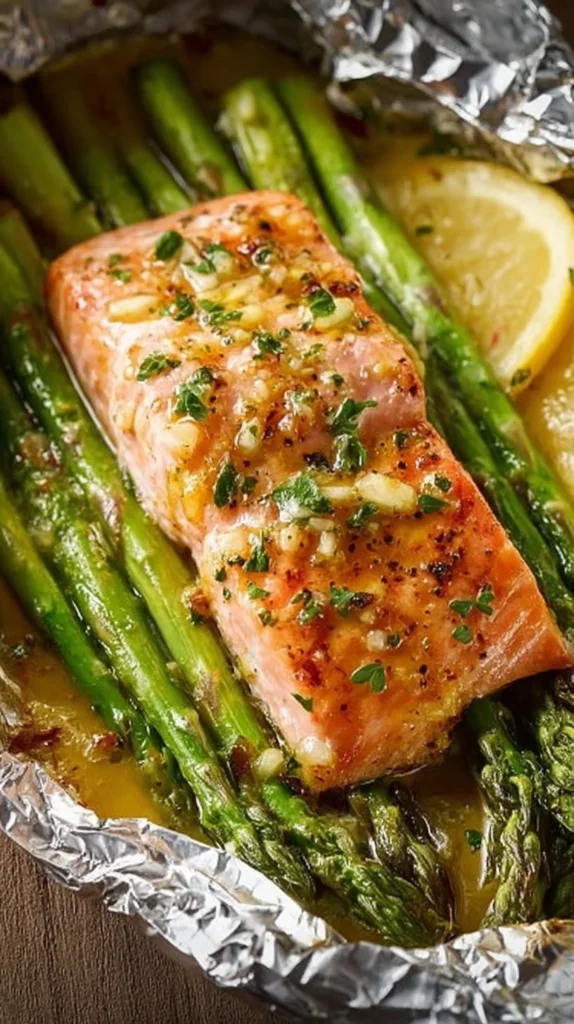
- Preheat your oven to 375°F (190°C).
- Place each salmon fillet on a piece of foil.
- Drizzle with olive oil and sprinkle with garlic, salt, and pepper.
- Top with lemon slices.
- Fold the foil around the salmon to create a packet.
- Bake in the oven for 15-20 minutes or until the salmon is cooked through.
- Garnish with fresh herbs before serving.