Best Gluten Free Dairy Free BLT Pasta Salad
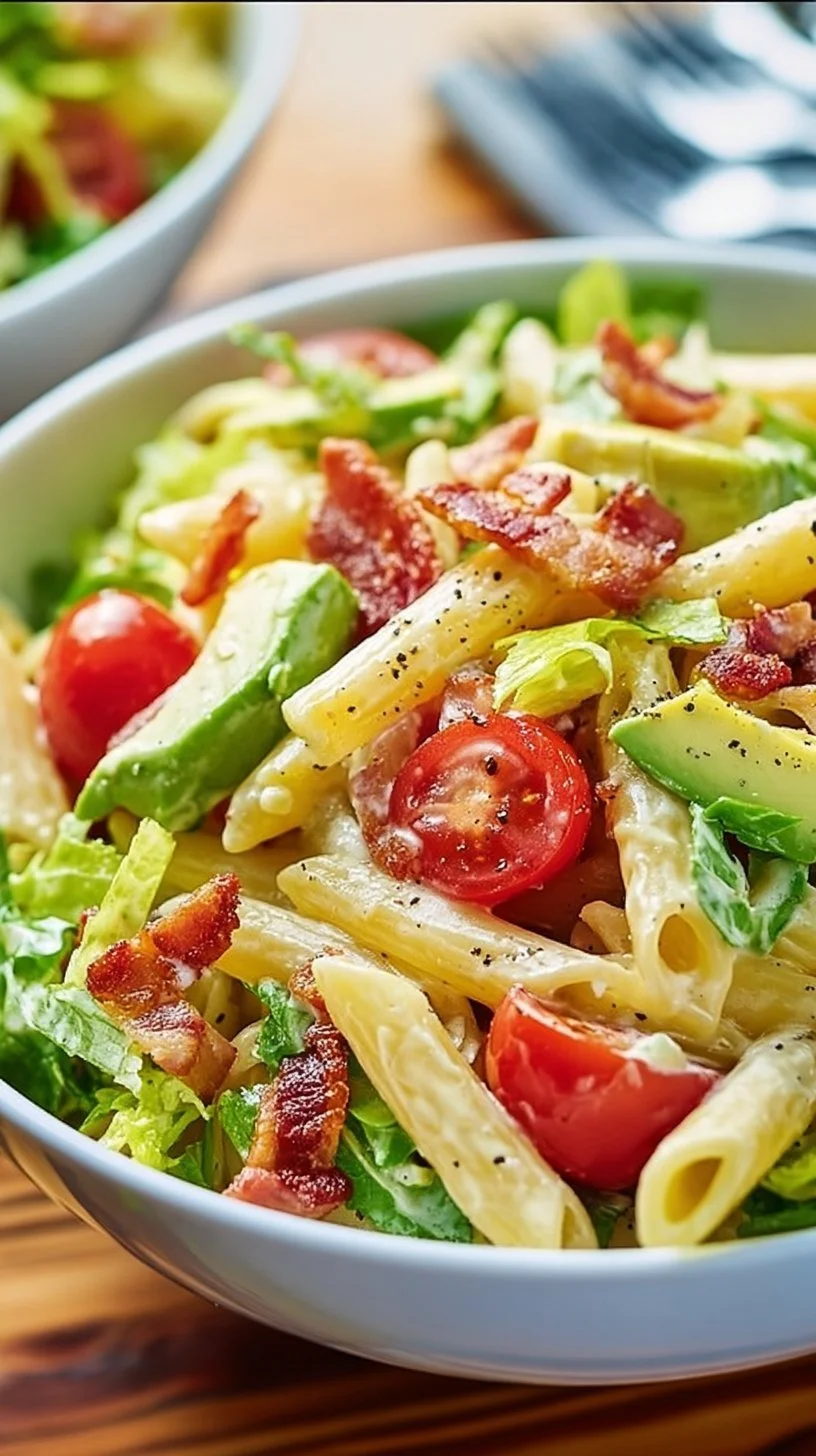
Hi, I’m Carla Carter, Founder & Recipe Developer of RecipesCabin. If you love the classic BLT flavors but need a gluten-free and dairy-free option, this Best Gluten Free Dairy Free BLT Pasta Salad is made for you. It’s a friendly, unfussy dish that pairs familiar tastes—crisp bacon, fresh tomatoes, and crunchy lettuce—with the comfort of pasta, all while being kind to common food sensitivities.
This recipe is approachable whether you’re cooking every day or returning to the kitchen after a break. If you want a handheld BLT instead of a salad sometimes, I also have a wrap version that keeps the same cozy flavors and easy steps: my BLT wraps with secret sauce. That helps you see how the same flavor building blocks appear in different recipes, and it’s comforting to know these basics translate across dishes.
I’ll walk you through each stage so you know what to expect, what little signals to watch for, and how to feel confident while you cook.
Why this recipe is easy to get right
This pasta salad is forgiving for a few simple reasons. First, it relies on fresh ingredients with clear textures—pasta, crisp lettuce, juicy tomatoes, and cooked bacon—so you can judge success by sight and touch. The flavors are straightforward (savory bacon, bright tomato, tangy dairy-free dressing), so small variations won’t break the dish.
There’s flexibility in temperature and timing: you can serve it slightly chilled or closer to room temperature and still be happy with the result. If a tomato is less ripe, extra dressing brightens it up; if the lettuce wilts a bit, chilling restores some crispness. Those forgiving elements make this recipe suitable for beginners and for anyone who prefers to adapt as they go.
This is a great recipe to learn because it reinforces a few reliable kitchen habits—cooking pasta to the right doneness, draining and cooling properly, and balancing salt and acid—without intimidating technique or precision.
How to make Best Gluten Free Dairy Free BLT Pasta Salad
Overall process at a glance:
- First: cook and cool the gluten-free pasta so it holds a firm, springy texture.
- Next: combine the cooked pasta with chopped bacon, fresh tomatoes, and shredded lettuce.
- Then: dress and season to taste, giving everything a gentle toss so flavors mingle.
- Last: chill briefly to let the salad settle and for the textures to refresh before serving.
What to focus on at each stage:
- While boiling pasta, watch the package timing and give it a gentle bite test a minute or two before the lower end of the recommended time. Gluten-free pasta can go from perfectly tender to soft quickly, so checking by feel is key.
- When mixing the bowl, keep a light hand so lettuce doesn’t bruise and tomatoes don’t turn to mush.
- After dressing, taste for salt and pepper. A tiny adjustment at the end makes a big difference.
Where beginners should slow down:
- Don’t rush cooling the pasta. Rinsing briefly under cool water to stop cooking is normal for gluten-free pasta salads—this also helps the pasta separate and keeps the texture pleasant.
- Take time chopping bacon and tomatoes evenly; even sizes help the salad feel balanced.
{image_template}
Ingredients
Gluten-free pasta, Bacon (or a dairy-free alternative), Lettuce, Tomatoes, Dairy-free dressing (like a vinaigrette or dairy-free mayonnaise), Salt, Pepper
Each ingredient plays a clear, friendly role:
- Gluten-free pasta: This is the base and texture anchor of the salad. It soaks up dressing, carries the flavor, and gives the dish heartiness. Gluten-free shapes cook similarly to regular pasta, but they can be a little more delicate—so gentle stirring while it cooks and a mindful drain will pay off.
- Bacon (or a dairy-free alternative): Bacon brings smokiness and salt, which lift the whole salad. If you choose a plant-based or dairy-free bacon alternative, it gives a similar textural contrast and flavor; either choice adds the savory backbone the BLT is known for.
- Lettuce: Shredded lettuce adds crispness and a leafy contrast to the tender pasta. It also keeps the salad feeling light and fresh.
- Tomatoes: Juicy tomatoes are where brightness and acidity come from. They balance the richness of bacon and the starch of the pasta. Choose ripe, firm tomatoes for the best texture—ripe and flavorful, not mealy.
- Dairy-free dressing: A vinaigrette or dairy-free mayo brings creaminess and tang without dairy. It draws the ingredients together so each bite tastes cohesive.
- Salt and Pepper: These are finishing touches. Salt amplifies flavors; pepper adds a gentle, warming note. Add a little, taste, then adjust.
None of these items are intimidating. They’re common ingredients you likely already understand visually and by touch, and they combine to make something reliably tasty.
I also have a pasta-salad idea that emphasizes higher protein and different textures if you like variations: a high-protein cottage cheese pasta salad. It’s a good reminder that once you master this basic assembly, you can adapt confidently.
Directions
- Cook the gluten-free pasta according to package instructions. Drain and let cool.
- In a large bowl, combine the cooked pasta, chopped bacon, diced tomatoes, and shredded lettuce.
- Drizzle with dairy-free dressing and mix well.
- Season with salt and pepper to taste.
- Chill in the refrigerator for 30 minutes before serving.
Supportive guidance around the steps:
- Step 1 visual cues: As the pasta cooks, it will swell and become fewer white spots in the center. For gluten-free varieties, the ideal texture is tender with a little spring—what chefs call “al dente,” but don’t worry about the term. Stop cooking when a piece feels slightly firm in the center but not chalky. Drain and let the pasta cool; rinsing briefly with cool water is okay for pasta salads to stop cooking and to separate pieces.
- Step 2 texture hints: When you toss the ingredients, the bacon should be crisp or slightly chewy depending on your preference, tomatoes should be in bite-sized pieces so they release a little juice but keep their shape, and lettuce should be shredded rather than chopped into big chunks so it mixes evenly.
- Step 3 mixing note: Drizzle dressing modestly at first—too much dressing can weigh the salad down. Mix gently and then add more if you want. It’s easier to add than to remove.
- Step 4 seasoning checkpoint: Taste before adding salt; bacon is salty and will season the salad. Add small pinches of salt and a few twists of pepper, tasting as you go.
- Step 5 chilling rationale: A 30-minute chill helps flavors meld and lets lettuce regain crispness after being tossed. If you’re in a hurry, 15 minutes will still be fine; if you prefer room temperature, 10–15 minutes resting gives similar benefits.
If things don’t look perfect—maybe the pasta stuck a bit or tomatoes got broken—don’t worry. Tossing gently and adjusting dressing or adding a few extra fresh tomato pieces will help hide small imperfections. The goal is a balanced, fresh-tasting salad, not a museum exhibit.
Key techniques you’ll practice in this recipe
- Cooking pasta to the right doneness: You’ll learn to check by feel and to stop cooking at the right moment. This skill is useful in countless recipes.
- Draining and cooling: Knowing when to rinse gluten-free pasta and how cooling affects texture is a small step that improves many cold pasta dishes.
- Gentle folding: Tossing delicate ingredients without bruising them keeps salads bright and attractive.
- Balancing seasoning: Tasting as you go and adding salt and pepper in small increments trains your palate and saves recipes from ending up over-salted.
These are foundational skills that carry over to soups, casseroles, and other salads. Practicing them here builds confidence for more complex recipes later.
Common mistakes and how to avoid them
- Overcooking the pasta: Gluten-free pasta can become mushy if cooked too long. Avoid this by starting your timing a minute or two earlier than the package suggests and testing a piece. If it’s just right, drain immediately.
- Adding too much dressing at once: It’s tempting to douse the salad, but too much dressing makes it soggy. Start with less, toss gently, and add more only if needed.
- Chopping unevenly: Uneven pieces make the salad feel unbalanced. Aim for similar-sized tomato pieces and uniformly shredded lettuce so every bite is consistent.
- Seasoning without tasting: Because bacon can be surprisingly salty, add salt sparingly at first and taste before adjusting.
- Tossing too roughly: Vigorous mixing can bruise lettuce and mash tomatoes. Use a light hand and fold the ingredients gently.
If something goes off track:
- If pasta is a touch overcooked, rinse it under cool water, toss with a little dressing, and chill—the dressing can help mask slight softness.
- If you added too much dressing, toss in extra pasta or a few extra chopped tomatoes and lettuce to absorb and balance it.
- If the salad tastes flat, a squeeze of lemon or a splash of vinegar brightens it without changing the recipe.
Small recoveries usually work; you rarely need to start over.
How to adjust confidently without changing the recipe
You can scale portions by keeping the same ratios in mind: if you double the pasta, double the bacon and tomatoes, and adjust dressing to taste. The principle is balance—starchy pasta, salty bacon, fresh vegetables, and a binding dressing.
For flavor preferences: think conceptually, not as recipe edits. If you like more tang, use a tangier dairy-free vinaigrette; for creaminess, pick a thicker dairy-free mayo-style dressing. For texture tweaks, lightly crisp the bacon more or less depending on whether you want crunch or chew—either choice keeps the salad within the recipe’s intent.
Remember: you are not changing the ingredient list or steps; you’re thinking about how shifts in portion, dressing strength, or ingredient texture will change the final experience. Small adjustments are normal and expected.
I often encourage trying flavor pairings in other recipes, too—if you enjoy a smoky note, a similar smoky idea appears in other salads I’ve shared like my buffalo tuna salad, which uses the same ideas of balance and texture.
Serving, storage, and reheating made simple
Serving:
- This pasta salad is lovely chilled or at cool-room temperature. Serve from the fridge after that 30-minute rest so the lettuce is crisp and the dressing has settled.
- Use a wide bowl or shallow platter so the salad spreads out—it’s easier to serve and looks inviting.
Storage:
- Store leftovers in an airtight container in the refrigerator. It will keep well for 2–3 days. The first day is best for texture; by day three lettuce will soften more, though the flavors remain pleasant.
- If you plan to store for longer, consider keeping lettuce separate and tossing it in just before serving to preserve crispness.
Reheating:
- This dish is best served cold or at room temperature; reheating is not necessary. If you prefer a warmer bite, remove lettuce and tomatoes, gently warm the pasta and bacon briefly in a pan or microwave, then reassemble with fresh lettuce and tomatoes.
Simple serving note: set out extra dressing and salt/pepper for guests to personalize, since people vary in how tangy or salty they like their salads.
Questions new cooks often ask about this recipe
How long does the pasta take to cook?
Cooking time varies by brand of gluten-free pasta. Begin tasting a minute or two before the package’s lower time and stop when it’s tender with a tiny bit of bite. That feel is your guide.Do I need to rinse the pasta?
For a cold pasta salad, a brief rinse under cool water is fine; it stops the cooking and helps the pieces separate so they don’t clump.Can I make this ahead?
Yes—make it earlier in the day and chill. For best texture, add the lettuce just before serving if you’re preparing more than a day ahead.My tomatoes released a lot of juice—what now?
That’s normal with very ripe tomatoes. Gently scoop out large chunks and drain away excess liquid if it seems too watery. A little juice adds flavor; too much can dilute the dressing.Is it okay if my bacon is chewier instead of crisp?
Absolutely. Crisp bacon gives crunch; slightly chewier bacon gives a meatier mouthfeel. Both are correct. Choose the texture you enjoy, and remember the salad will still taste great.
If anything feels uncertain while you cook, slow down, take a bite, and adjust—cooking is meant to be tuned by tasting.
Final encouragement from Carla
Cooking is practice, and recipes are friendly guides, not tests. This BLT pasta salad is a gentle place to build confidence because it rewards small, sensible decisions: taste as you go, watch the pasta, and mix gently. If something goes a little differently than planned, that’s part of learning. The goal is enjoyable food and growing comfort in the kitchen—both matter far more than perfection.
You’re doing the important part: trying. Keep cooking, explore small adjustments that feel right to you, and celebrate each successful dish, even small ones.
Conclusion
If you want another dairy-free, avocado-forward take on a BLT-inspired pasta salad, this variation offers creamy avocado and similar flavors for a fresh twist: Gluten Free Dairy Free Pasta Salad: Avocado BLT. For other gluten-free BLT pasta ideas and inspiration, this is a helpful resource to compare techniques and ingredient choices: Gluten-Free BLT Pasta Salad – Lexi’s Clean Kitchen.
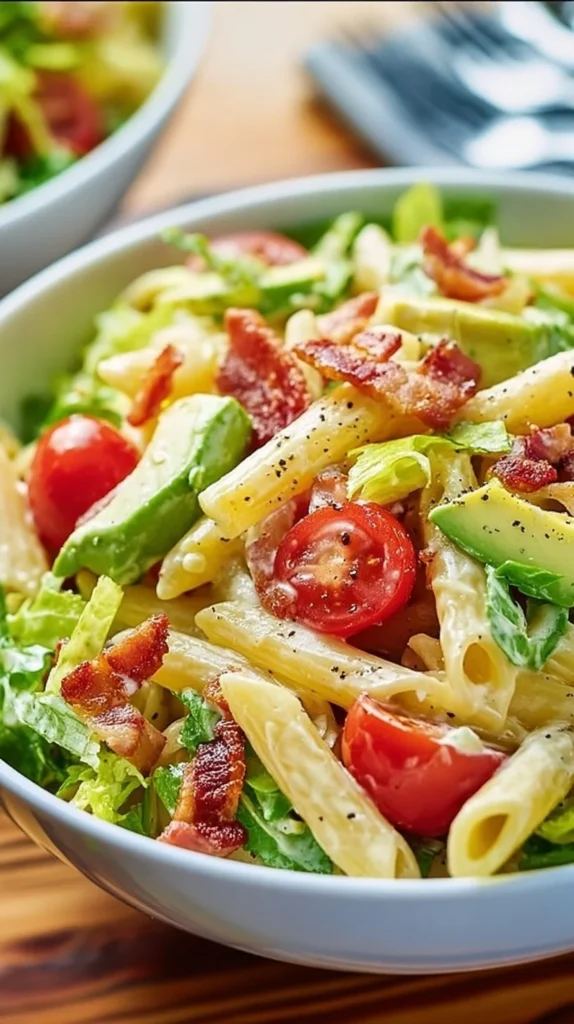
Best Gluten Free Dairy Free BLT Pasta Salad
Ingredients
Method
- Cook the gluten-free pasta according to package instructions. Drain and let cool.
- In a large bowl, combine the cooked pasta, chopped bacon, diced tomatoes, and shredded lettuce.
- Drizzle with dairy-free dressing and mix well.
- Season with salt and pepper to taste.
- Chill in the refrigerator for 30 minutes before serving.