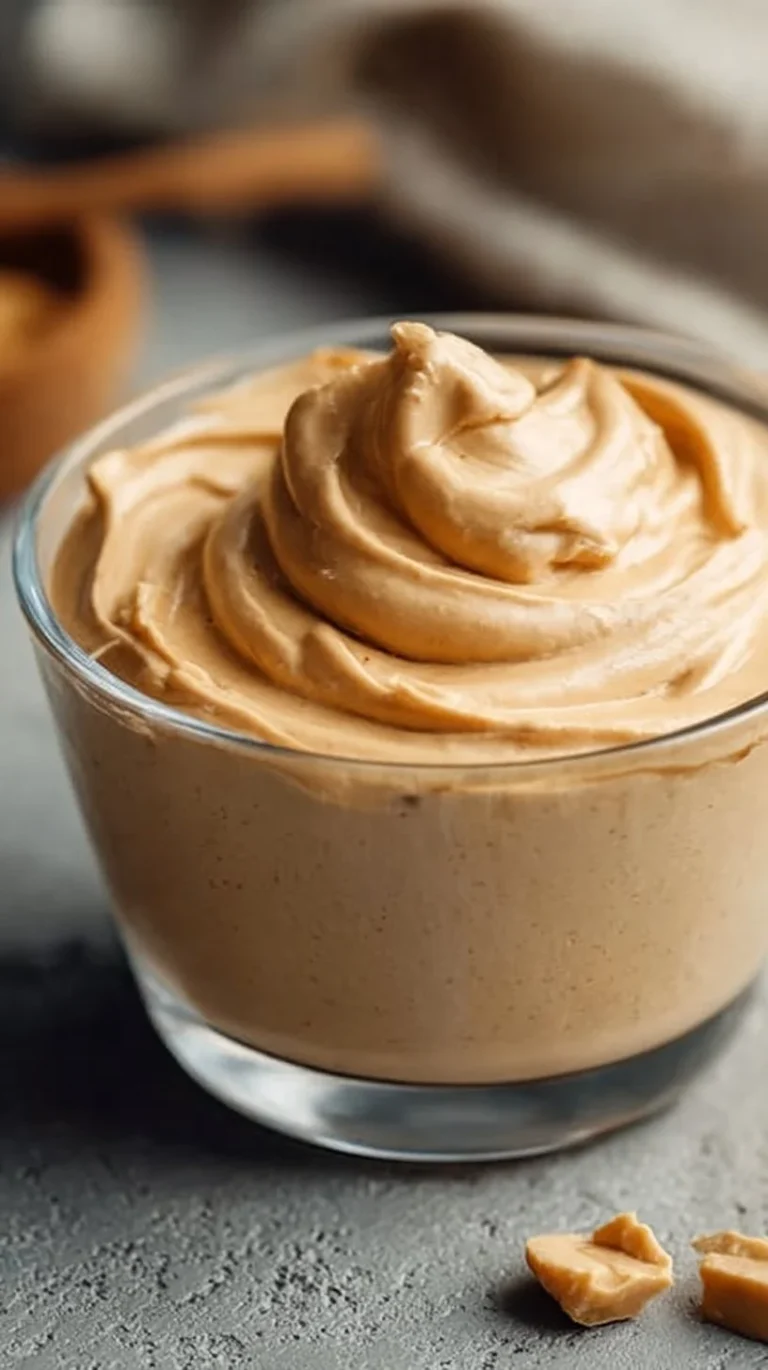
Cottage Cheese Egg Bites

If you’re looking for a simple, high-protein breakfast or snack that’s gentle on the nerves and kind to a busy schedule, Cottage Cheese Egg Bites are a wonderful place to start. I’m Carla Carter, Founder & Recipe Developer of RecipesCabin, and I write recipes to help you feel confident in the kitchen — even if you’ve had a few kitchen mishaps in the past. This recipe is forgiving, quick, and gives you a reliable result without complicated techniques.
These egg bites are for anyone who wants a nutritious, make-ahead option that reheats beautifully. They’re approachable because they use basic ingredients and a straightforward method: whisk, mix, spoon, bake. If you love the idea of protein-packed breakfasts but worry about complicated morning routines, this recipe is a gentle introduction. If you’d like more cottage-cheese-based breakfast ideas after trying these, I also have a similar baked version that you may enjoy: baked cottage cheese eggs.
My goal here is to guide you step-by-step, explain what you’ll see and smell, and point out a few simple checkpoints so you can succeed on the first try.
Why this recipe is easy to get right
There are a few reasons Cottage Cheese Egg Bites are forgiving and comfortable for cooks at any level:
- The base is mostly eggs and cottage cheese. Eggs set solid in the oven with predictable timing, and cottage cheese adds moisture and creaminess that helps prevent dryness. Even if the texture varies slightly cup-to-cup, they’ll still taste delicious.
- This recipe doesn’t require exacting folding or delicate techniques. You whisk, combine, and pour. That means small imperfections — a bit of uneven browning or slight variation in puff — are normal and don’t affect flavor.
- Flavors are simple and balanced. Cheddar, spinach, and red pepper add freshness and color but won’t overpower the dish if you’re unsure about seasoning.
Where this recipe allows flexibility: you can swap cheddar for another cheese you like, or add more vegetables later if you get comfortable. For more vegetable-forward variations that still lean on cottage cheese, try my high-protein veggie bake for inspiration: high-protein veggie bake with cottage cheese.
I’ll point out the small moments that matter, and the ones where you can be relaxed.
How to make Cottage Cheese Egg Bites
At a high level, you’ll follow three stages: prepare, combine, and bake.
- Prepare: Preheat the oven and grease the muffin tin so the egg bites release cleanly. A greased tin helps the edges get a little color and makes removal easier.
- Combine: Whisk eggs to add air and create a consistent texture, fold in cottage cheese and the mix-ins, activate the baking powder briefly, and stir in oil for richness. When you whisk the eggs until slightly frothy, you’re incorporating air that helps give the egg bites a gentle lift.
- Bake: Pour into the prepared tin and bake until the egg bites are set and taking on a light golden top. The bake stage is where the structure forms; watch for the set and faint golden color I describe below.
Where to slow down: whisking the eggs until evenly blended, ensuring cottage cheese is mixed in without large curds remaining (unless you like a curdled look), and filling the muffin cups nearly to the top so you get those satisfying tall bites. Small pauses here make a big difference in texture.
If you want a visual companion to watch while you make these, there’s a helpful video-style guide that follows similar steps: a short how-to on cottage cheese bites that shows the kind of simple assembly we’re doing here.
Ingredients
1 cup cottage cheese, 6 large eggs, 1/2 cup shredded cheddar cheese, 1/4 cup chopped spinach, 1/4 cup chopped red bell pepper, 1/2 teaspoon garlic powder, 1/4 teaspoon salt, 1/4 teaspoon black pepper, 1/4 teaspoon onion powder, 1/2 teaspoon baking powder, 1 tablespoon olive oil
- 1 cup cottage cheese: Adds moisture, creaminess, and protein. Cottage cheese keeps these bites tender so they don’t become rubbery. If the surface has small curds, that’s fine — they’ll blend in during stirring.
- 6 large eggs: The main structure builder. Eggs coagulate when heated and hold everything together. Whisking them until slightly frothy helps the bites rise a touch and gives a lighter texture.
- 1/2 cup shredded cheddar cheese: Brings savory flavor and helps create a pleasant, slightly elastic texture as it melts into the mix. Cheddar also encourages browning on top.
- 1/4 cup chopped spinach: Adds a pop of color, a tender leafy texture, and a gentle, fresh flavor. Chop the leaves small so they distribute evenly through each bite.
- 1/4 cup chopped red bell pepper: Offers sweet crunch and visual contrast. It softens in the oven and keeps the bites lively.
- 1/2 teaspoon garlic powder, 1/4 teaspoon onion powder: These build a subtle savory backbone without being sharp or complicated.
- 1/4 teaspoon salt and 1/4 teaspoon black pepper: Light seasoning to highlight the other ingredients. Because cheddar and cottage cheese already have some saltiness, this amount keeps the bites balanced.
- 1/2 teaspoon baking powder: A small lift agent that makes the texture slightly more pillowy. It’s used in a modest amount to keep things light.
- 1 tablespoon olive oil: Adds silkiness and helps distribute moisture so the bites stay tender.
None of these items are intimidating — they’re common pantry ingredients that work together to produce a creamy, slightly fluffy egg bite with fresh flecks of color.
Directions
- Preheat the oven to 350°F (175°C) and grease a 12-cup muffin tin with non-stick spray or olive oil.
- Crack the eggs into a large mixing bowl and whisk until fully blended and slightly frothy.
- Add the cottage cheese to the eggs and stir until evenly mixed.
- Add shredded cheddar cheese, chopped spinach, red bell pepper, garlic powder, salt, black pepper, and onion powder. Stir everything together until well combined.
- In a small bowl, mix the baking powder with a tiny bit of water to activate it, then stir this into the egg mixture.
- Pour in the olive oil and mix until smooth and evenly distributed.
- Spoon the egg mixture into the prepared muffin tin, filling each cup nearly to the top.
- Bake in the preheated oven for 18 to 20 minutes, or until the egg bites are set and golden on top.
- Remove the muffin tin from the oven and let the egg bites cool in the tin for 5 minutes.
- Carefully run a knife around the edges of each egg bite to release them from the tin. Serve warm or store in an airtight container.
Supportive guidance around the steps:
- When you preheat the oven and grease the tin, the smell of warm metal is your cue that the cooking environment is ready. Take a moment to check your oven rack is centered so the bites brown evenly.
- As you whisk the eggs until slightly frothy, look for a uniform yellow color with small bubbles on the surface. This is normal and desired — it helps the bites lift a little.
- Stir the cottage cheese in until the mixture looks even. You might still see small curds; that’s okay. They’ll contribute to a creamy mouthfeel.
- After adding the vegetables and seasonings, make sure you scrape the bottom of the bowl so spinach or pepper aren’t clumped in one spot. A well-mixed batter ensures every bite has a balance of flavor.
- Mixing the baking powder with a tiny bit of water is just to wake it up. You’ll see a faint fizz or bubbles when it activates; that’s the sign it’s ready.
- Filling the muffin cups nearly to the top gives you tall, satisfying bites. If you overfill slightly, they might dome a bit, which is fine — not a failure.
- The 18–20 minute window is your guideline. Start checking at 18 minutes by lightly tapping a center bite; it should feel set and spring back a little. A toothpick inserted into the middle should come out mostly clean, with perhaps a few moist crumbs.
- Letting them cool for 5 minutes in the tin helps them firm up and release more easily. If they stick, run a thin knife carefully around each edge as instructed.
If any bite looks a touch underdone when you first check, you can return the tray to the oven for 2–3 more minutes. Small timing adjustments are normal and expected.
Key techniques you’ll practice in this recipe
- Whisking eggs until slightly frothy: This is a gentle aeration technique that helps create lightness. It’s a simple movement but watching the change in texture is encouraging for new cooks.
- Even mixing: Ensuring cottage cheese, vegetables, and seasonings are distributed will teach you to judge when a batter is homogeneous. This skill translates to many other recipes, from pancakes to quiches.
- Activating baking powder: Mixing a leavening agent with a tiny bit of water to “wake it up” is a small science moment that shows cause and effect in cooking — you’ll see the fizz and understand why it helps.
- Using a muffin tin for individual portions: Learning to fill a tin evenly and judge doneness is useful for muffins, meatloaf cups, and other single-serve bakes.
These techniques are foundational and will boost your confidence broadly. They’re quick to master and forgiving when practiced a few times.
Common mistakes and how to avoid them
- Overwhisking eggs: You don’t need a stiff foam. Whisk until slightly frothy and uniformly blended. Overdoing it can create too much air, which sometimes causes uneven texture.
- Under-greasing the tin: If the tin isn’t well-greased, bites can stick. Use non-stick spray or brush olive oil into each cup, and allow the 5-minute resting time in the tin before removing.
- Overbaking: Leaving them in too long will dry out the bites. Start checking at 18 minutes. If you see deep browning or a very firm texture, take them out.
- Uneven distribution of mix-ins: If spinach or pepper are clumped, some bites may be bland while others are overloaded. Stir thoroughly and, if needed, spoon a little back and forth between cups to even things out.
- Skipping the cooling time: Trying to remove them immediately can cause breakage. Five minutes is a short, helpful pause that pays off.
If a batch is slightly off — a bit dry or under-seasoned — you can still enjoy them. Dry pieces reheat well with a touch of butter or a dab of yogurt, and underseasoned bites can be served with a sprinkle of salt, hot sauce, or fresh herbs.
How to adjust confidently without changing the recipe
While you must follow the ingredient list and directions as written when making this exact recipe, it helps to understand adjustment concepts for future trials:
- Portion scaling: To make more or fewer servings, multiply or divide the ingredient amounts proportionally. For example, halve everything for 6 smaller bites or double for a large meal prep.
- Flavor preference adjustments: Think conceptually — more sharp cheese will increase savory notes, extra pepper will give crunch, and herbs lend brightness. Change a small amount at a time when adjusting to taste.
- Texture tweaks: The balance of cottage cheese and eggs controls creaminess vs. firmness. More dairy (relative to egg) yields a softer bite; more eggs tightens the structure.
These concept-only notes help you build intuition. When you’re ready to experiment next time, take small steps and note what you liked.
Serving, storage, and reheating made simple
Serving:
- Serve warm straight from the tin for the creamiest interior and slightly crisp top.
- They pair well with a simple green salad, avocado slices, or fresh fruit for a balanced meal. For a heartier plate, add roasted potatoes or try them alongside loaded hash browns — I have a guide that pairs eggs and cottage cheese with hash browns and avocado if you want ideas: loaded hash browns with eggs and cottage cheese.
Storage:
- Cool the egg bites to room temperature, then store in an airtight container in the refrigerator for up to 4 days. They’re great for meal prep and grab-and-go mornings.
- For longer storage, freeze them on a baking sheet until solid, then transfer to a freezer-safe bag for up to 2 months. Thaw overnight in the fridge before reheating.
Reheating:
- Microwave: Place 1–2 egg bites on a microwave-safe plate and heat for 30–60 seconds depending on power. Check and add 15-second bursts until warmed through. Microwaving is fast and keeps them moist.
- Oven: Reheat at 325°F (160°C) for 8–10 minutes if you prefer a firmer texture and a little crisp on top.
- Skillet: Warm gently in a non-stick skillet over medium-low heat with a little oil or butter for 3–4 minutes per side to add color and chew.
These are straightforward options that keep the texture pleasant and the flavors intact.
Questions new cooks often ask about this recipe
- How will I know when they’re done? Look for a uniform set across the top, slight golden color, and a gentle spring when pressed. A toothpick should come out mostly clean.
- Do I need a special muffin tin? No — a standard 12-cup muffin tin works well. If your cups are extra-large, bake a minute or two longer. If they’re mini cups, reduce time and watch closely.
- Is it normal for some bites to be more browned than others? Yes. Oven hot spots, slight variations in filling, or the placement on the rack can cause this. Rotating the tin halfway through baking can help, but small differences are okay and expected.
- My egg bites stuck — what now? Let them cool for the full 5 minutes, then run a thin knife around the edges as instructed. If they’re still stubborn, let them cool a few minutes longer; as they cool they contract slightly and release more easily.
- Can I mix the batter the night before? I recommend assembling and refrigerating only if you’re comfortable with a slightly denser texture; the baking powder activation step works best when done shortly before baking. For reliable results, bake shortly after mixing.
These answers are meant to ease the worry that comes with new recipes. Small questions are part of learning.
Final encouragement from Carla
You don’t have to be perfect to make something delicious. Cottage Cheese Egg Bites are designed to help you practice basic kitchen skills without pressure. The more you try gentle, clear recipes like this one, the more confident you’ll become with timing, texture, and flavor. Celebrate small wins — a clean release from the tin, a golden top, a satisfying bite — and know that each attempt teaches you something. Keep going; cooking is a journey, and progress matters more than perfection.
Conclusion
If you’d like to compare different takes on this idea or see a step-by-step visual from another home cook, I recommend checking out this helpful version from Joyous Apron: Cottage Cheese Egg Bites – Joyous Apron. For a recipe with a video walkthrough that demonstrates many of the same simple techniques, Natasha’s Kitchen offers a user-friendly guide here: Cottage Cheese Egg Bites (with Video) – Natasha’s Kitchen.
Happy baking — and remember, each small experiment in the kitchen builds your confidence and your delicious options for the week.

Cottage Cheese Egg Bites
Ingredients
Method
- Preheat the oven to 350°F (175°C) and grease a 12-cup muffin tin with non-stick spray or olive oil.
- Crack the eggs into a large mixing bowl and whisk until fully blended and slightly frothy.
- Add the cottage cheese to the eggs and stir until evenly mixed.
- Add shredded cheddar cheese, chopped spinach, red bell pepper, garlic powder, salt, black pepper, and onion powder. Stir everything together until well combined.
- In a small bowl, mix the baking powder with a tiny bit of water to activate it, then stir this into the egg mixture.
- Pour in the olive oil and mix until smooth and evenly distributed.
- Spoon the egg mixture into the prepared muffin tin, filling each cup nearly to the top.
- Bake in the preheated oven for 18 to 20 minutes, or until the egg bites are set and golden on top.
- Remove the muffin tin from the oven and let the egg bites cool in the tin for 5 minutes.
- Carefully run a knife around the edges of each egg bite to release them from the tin.
- Serve warm or store in an airtight container.