Oatmeal Crepes
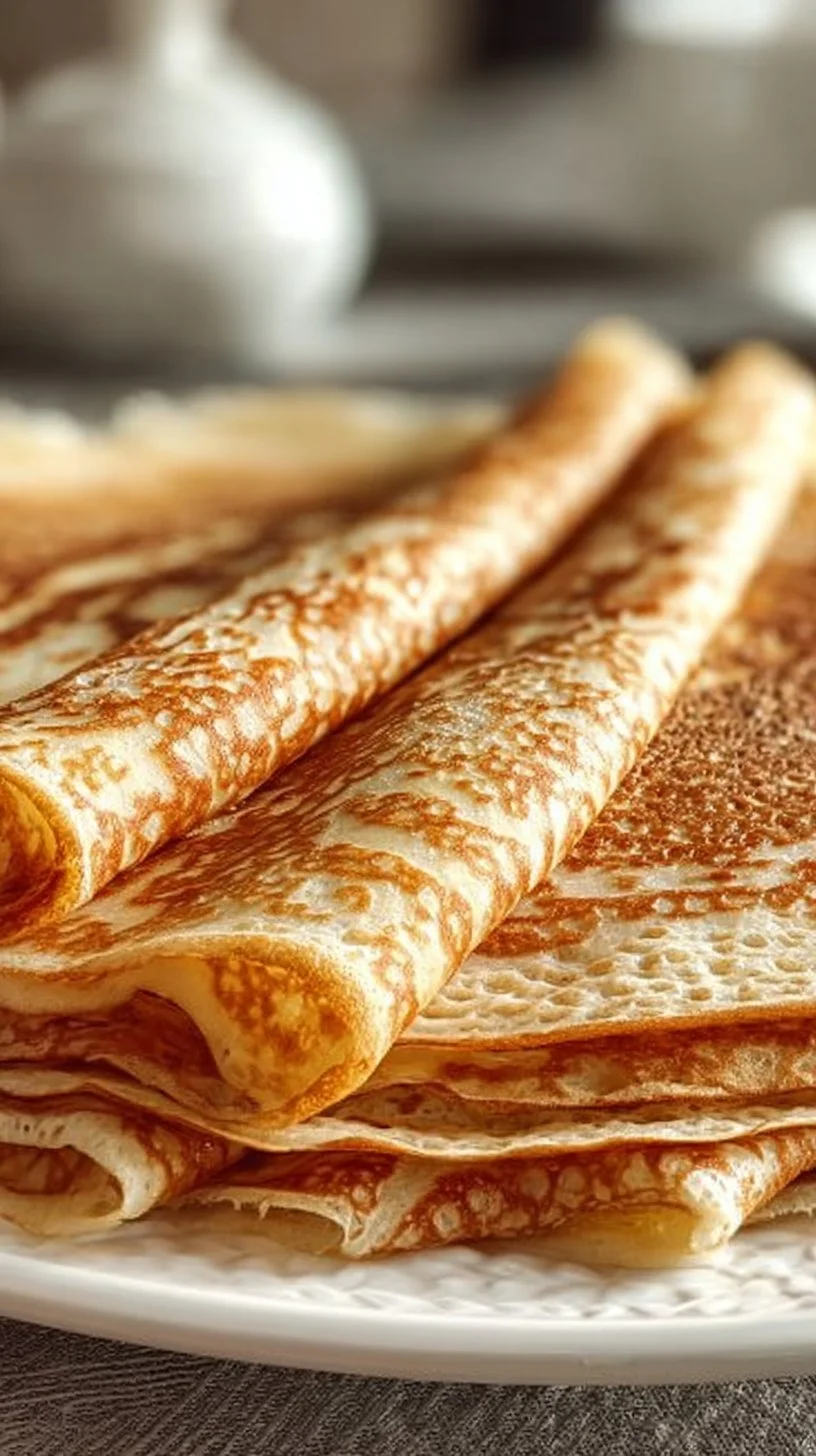
Hello — I’m Carla Carter, Founder & Recipe Developer of RecipesCabin. If you’re looking for a simple, gentle way to make crepes that feel a little healthier without being fussy, these Oatmeal Crepes are for you. They’re approachable, forgiving, and give you the light, thin pancake experience without juggling a long ingredient list or tricky technique. I’ll walk you through each step so you know what to expect, what to look for, and how to feel confident at the griddle.
If you like recipes that are easy to repeat and adapt in the mornings, you might enjoy my take on banana oatmeal muffins for another simple oat-forward breakfast. Today we’ll focus on making crepes that are delicate, slightly nutty from the oats, and ready to be topped however you like.
Why this recipe is easy to get right
What makes these Oatmeal Crepes forgiving is the simplicity of the batter and the fact that the base ingredients combine into a silky, predictable liquid. There are no whisking marathons, no separate folding of beaten egg whites, and no fast, intimidating pan moves. The oats are blended — which means you don’t need to measure out specialty flours or worry about lumps that won’t loosen. The batter rests briefly so the oats hydrate, smoothing everything out.
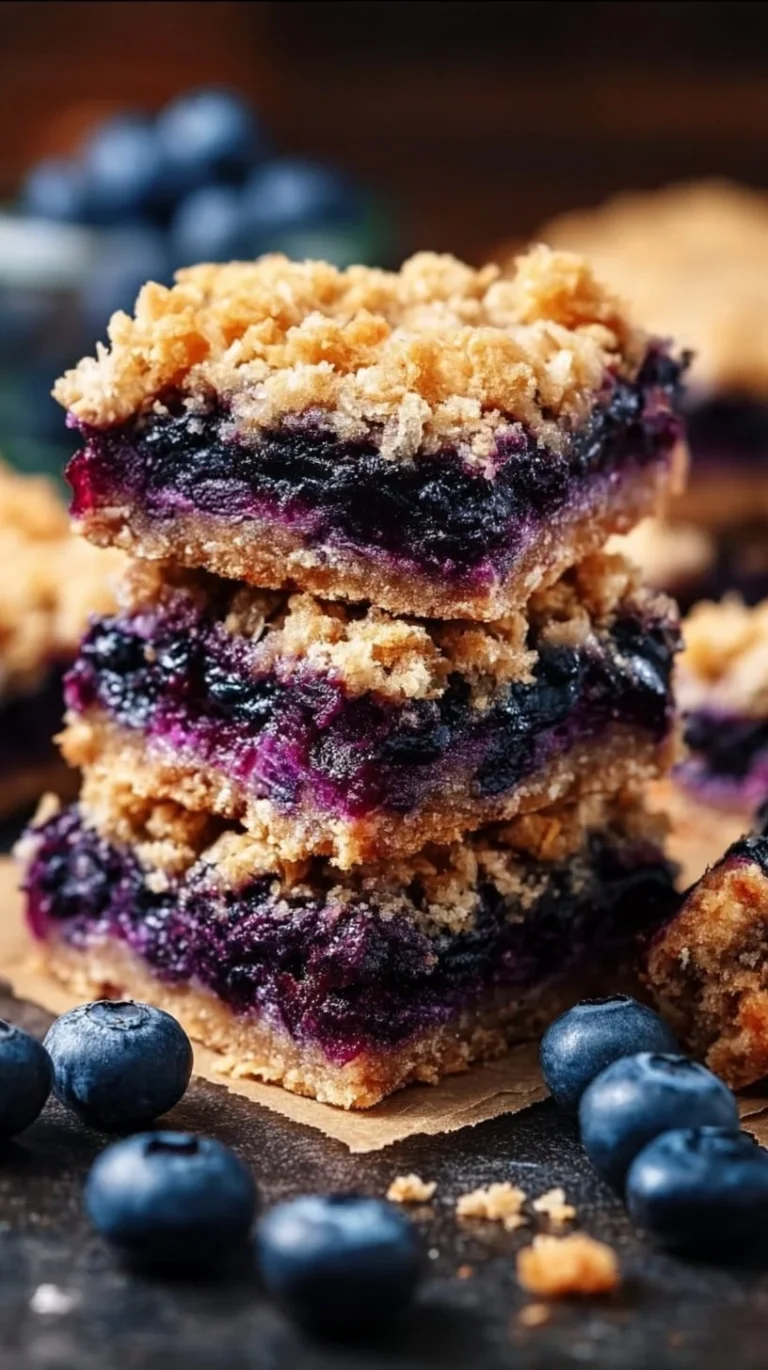
This recipe allows flexibility: you can use dairy or plant milk, and your pan doesn’t need to be a specialized crepe pan — a flat, lightly oiled griddle or nonstick skillet will do. If you enjoy quick, oat-forward treats, it pairs well with other easy oat recipes like my blueberry oatmeal bars, which are great for batch-making.
What matters less: being exact to the gram. The small measures here are forgiving, and a spoonful more or less of oil in the pan won’t ruin the crepe. What matters more: attention to batter texture after blending and the visual cues when cooking (more on those below).
How to make Oatmeal Crepes
Overall process in three stages: blend, rest, and cook.
First, everything comes together in the blender. The oats, milk, egg, maple syrup, vanilla, and salt become a smooth batter. Blending breaks down the oats so your crepes are silky rather than coarse. When you pour the mixture, it should flow like a thin pancake batter — not syrup-thick, not watery.
Next, you’ll rest the batter for 5–10 minutes. This is important because the oats absorb liquid, which thickens and stabilizes the batter. Think of it like letting a sponge soak: you’ll be left with a batter that spreads easily and holds together when flipped.
Last, heat the pan and make the crepes. A lightly oiled griddle warmed over medium heat creates the right environment: hot enough to set the batter quickly, cool enough to avoid burning. Use about 1/4 cup per crepe, spread it thin with the back of a spoon, and watch for edges lifting and a golden underside before flipping.
Where beginners should slow down: the first pour and the first flip. Use that first crepe as a test — it might come out thicker or thinner than you expect, and that’s fine. Adjust the heat slightly or how thinly you spread the batter. I also like to keep a small amount of oil on hand to re-oil the pan between crepes so the next one releases cleanly.
For another recipe that builds similar blending and texture skills, check my soft cottage cheese oatmeal cookies — the technique of blending oats translates well between sweet and breakfast treats.
Ingredients
1 cup rolled oats, 1 cup milk (dairy or non-dairy), 1 large egg, 1 tablespoon maple syrup, 1/2 teaspoon vanilla extract, 1/4 teaspoon salt, 1 tablespoon butter or oil, for cooking, Optional toppings: fresh fruit, yogurt, nuts, chocolate chips
Let’s break down what each ingredient does and why none of them are intimidating:
Rolled oats (1 cup): These are the body of the crepe. When blended, they become a smooth oat flour that gives the crepe a mild, toasty flavor and a tender structure. Rolled oats are common in pantries and mix beautifully with liquids.
Milk (1 cup): Milk hydrates the oats and creates the crepe batter. Use cow’s milk or a plant-based option — both work. The amount creates a pourable batter, so if you choose a thicker plant milk, it still performs the same in this ratio.
Large egg (1): The egg provides structure and helps the crepes hold together without being heavy. It also contributes a bit of richness and color during cooking. One egg is enough for the protein and binding we need here.
Maple syrup (1 tablespoon): This is a mild sweetener in the batter. It adds a touch of flavor and browning but won’t make the crepes overly sweet. You can leave it out if you prefer truly neutral crepes, but it helps balance the oat flavor.
Vanilla extract (1/2 teaspoon): Vanilla brightens the flavor and makes the crepes smell inviting while they cook. It’s a small touch that makes a morning feel special.
Salt (1/4 teaspoon): Salt rounds flavors and enhances the sweetness and oat flavor. It’s a tiny measure that makes a noticeable difference.
Butter or oil (1 tablespoon, for cooking): Used in the pan, this prevents sticking and helps the crepe edges crisp slightly. You don’t need to soak the pan — just a little between crepes.
Optional toppings: fresh fruit, yogurt, nuts, chocolate chips — these are where you can be playful and use what you enjoy. No pressure to make anything fancy.
Each ingredient is common and straightforward. Together they create a batter that’s simple to handle and quick to cook.
Directions
Combine all ingredients (except butter/oil) in a blender and blend until smooth., Let the batter rest for 5-10 minutes to allow the oats to absorb the liquid., Heat a lightly oiled griddle or crepe pan over medium heat., Pour 1/4 cup of batter onto the hot griddle, spreading it thinly with the back of a spoon., Cook for 2-3 minutes per side, or until golden brown., Repeat with the remaining batter., Serve immediately with your favorite toppings.
Now a little extra guidance that keeps within those steps:
After blending until smooth: look for a silky, slightly frothy batter. You may see tiny air bubbles and the surface should look even. If it looks grainy, blend a few seconds more; small flecks are okay and won’t ruin the crepe.
Resting for 5–10 minutes: the batter will thicken a bit as the oats absorb liquid. It should still flow easily. Resting removes the “raw oat” texture and makes spreading easier.
Heating the pan: set the heat to medium. When a few drops of water sizzle and dance, it’s ready. Add a little butter or oil and spread it thinly across the surface — you want a light sheen, not a shallow pool.
Pouring and spreading 1/4 cup: pour the batter in the center and immediately tilt the pan or use the back of a spoon to gently spread it outward into a thin circle. The crepe should be translucent around the edges when it’s ready to flip.
Cooking 2–3 minutes per side: watch the edges — they’ll lift and turn lightly golden, and the top will lose its wet sheen. The first side may take a touch longer; the second side usually browns faster. If the crepe browns too quickly, lower the heat a little.
Repeat and serve: keep a low oven (about 200°F/95°C) if you’re making a stack to keep crepes warm while finishing the batch. Serve with yogurt, fruit, nuts, or a few chocolate chips for a treat.
If your first crepe seems thick or slightly cracked, it’s okay — small imperfections are normal. Use that first one to gauge pan temperature and spreading speed.
Key techniques you’ll practice in this recipe
This recipe helps you practice a handful of fundamental, widely useful skills:
Blending for texture: turning whole oats into a smooth batter is an approachable way to learn about texture transformation. You’ll see how blending changes mouthfeel and allows alternative flours to be made at home.
Resting a batter: learning to give a batter time to hydrate is a small habit that improves many breakfast and baking recipes. It’s an easy way to make food more reliable.
Heat control and pan timing: watching the color change and the edge lift teaches you how to judge doneness by sight — a critical skill for pancakes, omelets, and crepes alike.
Gentle spreading and flipping: spreading thin batter and flipping without tearing builds confidence for delicate work. These are the same motions used for thin pancakes or thin omelets.
Learning these basics gives you transferable skills for many other recipes, both sweet and savory.
Common mistakes and how to avoid them
Here are a few things I see often and how to fix them without panic:
Crepes tearing when flipping: often the pan isn’t hot enough or the batter is too thick. Solution: increase heat a touch, or spread the batter a bit thinner. If a crepe tears, serve it folded — it will taste the same.
Sticking to the pan: too little oil or the pan isn’t fully heated. Solution: wipe the pan clean and add a little more butter or oil between crepes. A nonstick pan makes this easier, but it’s not required.
Batter too runny or too thick: If the batter seems watery after resting, let it sit a couple more minutes to let oats absorb more liquid. If it’s thick and won’t spread, you can gently stir in a splash of milk — but stick to the recipe first and use that initial test crepe to evaluate.
Burning before cooking through: usually the heat is too high. Turn it down a notch and be patient — medium heat gives a golden brown without rushing the interior.
If something goes off track, you rarely need to start over. Adjust the heat, add a bit more oil, or accept the imperfect first crepe as a useful test. Small fixes usually get you back on track quickly.
How to adjust confidently without changing the recipe
You asked how to tailor results without changing the ingredients or steps. Here’s how to think about adjustments conceptually:
Portion scaling: the recipe ratio is balanced for a small batch. If you make more, blend in batches so the oats still get fully broken down. Cooking more crepes means managing heat: give yourself a warm oven to hold finished crepes.
Flavor preferences: while you won’t change the listed ingredients, focus on toppings to shift the flavor profile dramatically — fresh berries and yogurt for brightness, banana and nut butter for richness, or a sprinkle of cinnamon for warmth.
Texture tweaks (conceptual): to make crepes slightly thicker, pour without spreading as thinly; for ultra-delicate crepes, spread thinner and let the batter rest the full 10 minutes so it spreads more easily. Changing the pan temperature is another way to affect texture — slightly lower heat gives a softer crepe, slightly higher heat crisps the edges more.
These are thoughtful ways to make the crepes feel personalized while keeping the recipe intact.
Serving, storage, and reheating made simple
Serving: Crepes are best right off the griddle. Fold or roll them and add toppings — fresh fruit and yogurt make a light breakfast; warm fruit compote and a sprinkle of nuts make a cozy treat. If you like a savory approach, a dollop of yogurt and herbs also works.
Storage: Cool crepes completely, then stack with parchment between layers to prevent sticking. Store in an airtight container in the refrigerator for 2–3 days. For longer storage, wrap stacks tightly and freeze up to 1 month.
Reheating: Reheat gently to keep them from drying out. Warm a nonstick skillet over low heat and heat crepes for 30–60 seconds per side, or place them in a low oven (about 300°F/150°C) wrapped in foil for a few minutes. If frozen, thaw in the fridge before reheating. A quick microwave reheat (20–30 seconds) works in a pinch; add a damp paper towel over the stack to keep moisture.
Questions new cooks often ask about this recipe
How long will the batter keep? I recommend using it after the 5–10 minute rest and making crepes right away. The batter can sit in the fridge for a few hours if you need to prepare ahead, but give it a quick stir before using.
What equipment do I absolutely need? A blender and a flat, lightly oiled griddle or skillet are the essentials. A dedicated crepe pan is optional.
Is it normal if the first crepe looks different? Yes — the first crepe is often a test that helps you fine-tune heat and spread. It may be slightly thicker or more browned; that’s perfectly fine.
What if they’re not golden after 2–3 minutes? Pan temperatures vary. If they’re pale, increase heat slightly. If they brown too fast, lower the heat. Watch the top for a change from glossy to matte — that’s a good sign it’s ready to flip.
Can I make them dairy-free? Yes — the recipe lists dairy or non-dairy milk, and either will work.
Final encouragement from Carla
If you’re feeling nervous, take a breath and remember that cooking is a practice, not a test. The first batch teaches you what your pan does and how your batter behaves — that’s valuable information, not a failure. Small imperfections don’t affect flavor, and every time you make them you’ll get steadier and more confident. Keep a relaxed pace, trust your eyes for doneness, and enjoy the process of turning simple ingredients into something comforting.
Happy cooking — I can’t wait for you to try these Oatmeal Crepes. — Carla Carter, Founder & Recipe Developer, RecipesCabin
Conclusion
If you’d like a few variations and visual guides to compare techniques, this Easy Oatmeal Crêpes Recipe (Healthy!) – Homemade Mastery has helpful photos and tips you can look at after you’re comfortable with the basic method. For a gluten-free perspective and a super-simple three-ingredient approach, see Oat Crêpes (or Pancakes) – Gluten Free – 3 Ingredients. If you want a slightly sweeter quick variation, this 10-Minute Sweet Oatmeal Crepes Recipe – Homemade Mastery offers a fast, sweet take while keeping the technique the same.
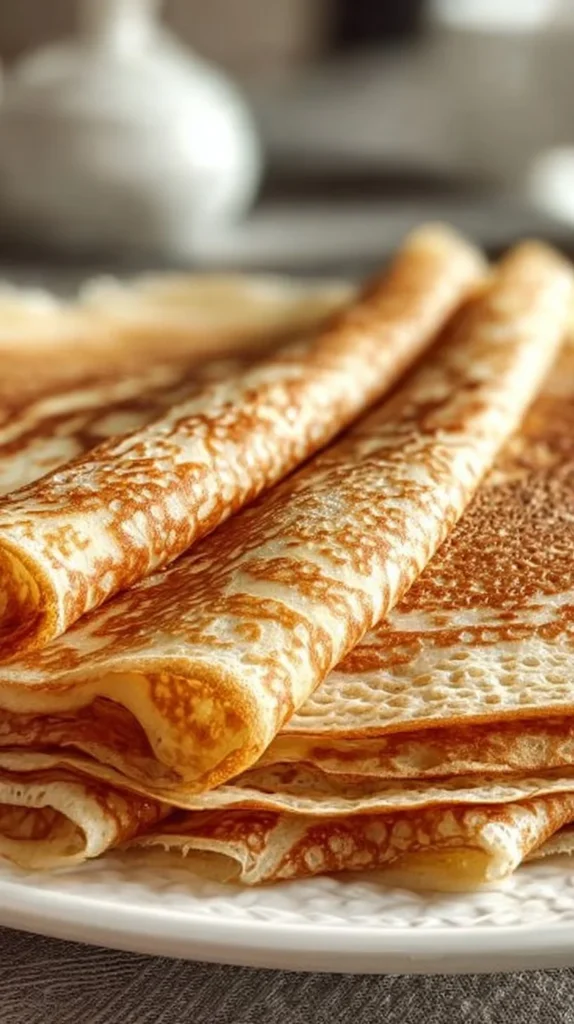
Oatmeal Crepes
Ingredients
Method
- Combine all ingredients (except butter/oil) in a blender and blend until smooth.
- Let the batter rest for 5-10 minutes to allow the oats to absorb the liquid.
- Heat a lightly oiled griddle or crepe pan over medium heat.
- Pour 1/4 cup of batter onto the hot griddle and spread it thinly with the back of a spoon.
- Cook for 2-3 minutes per side, or until golden brown.
- Repeat with the remaining batter.
- Serve immediately with your favorite toppings.