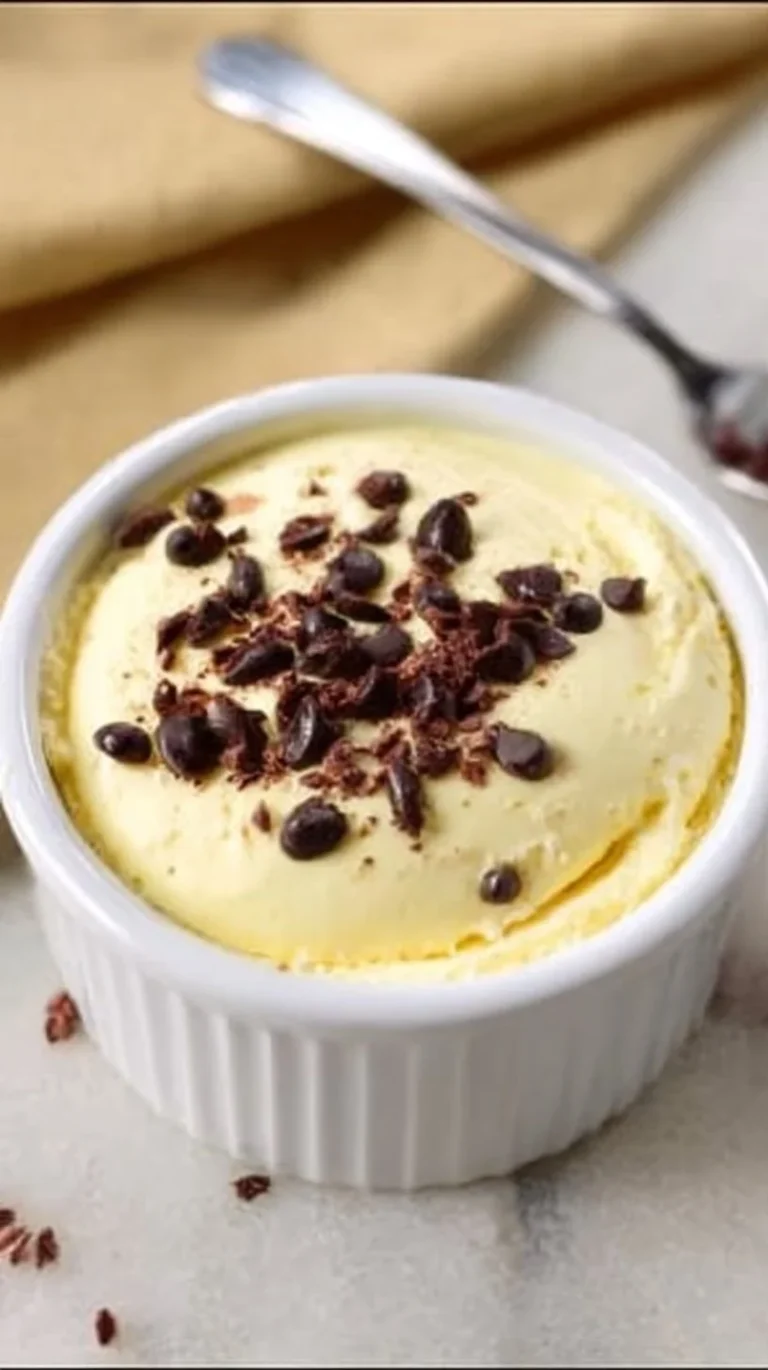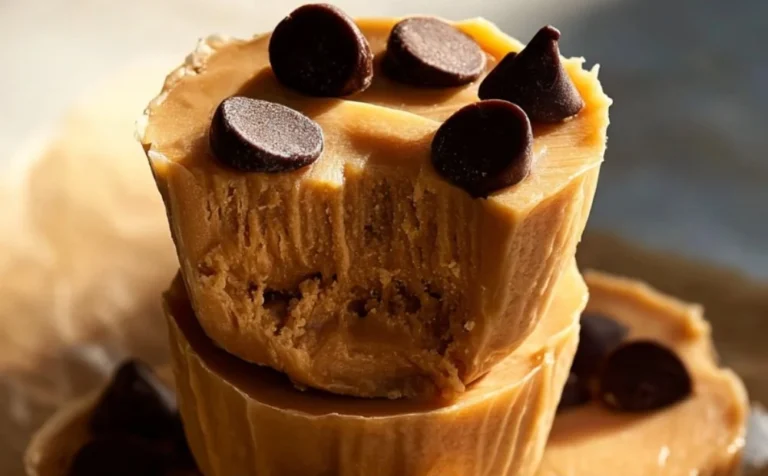
Protein Pudding
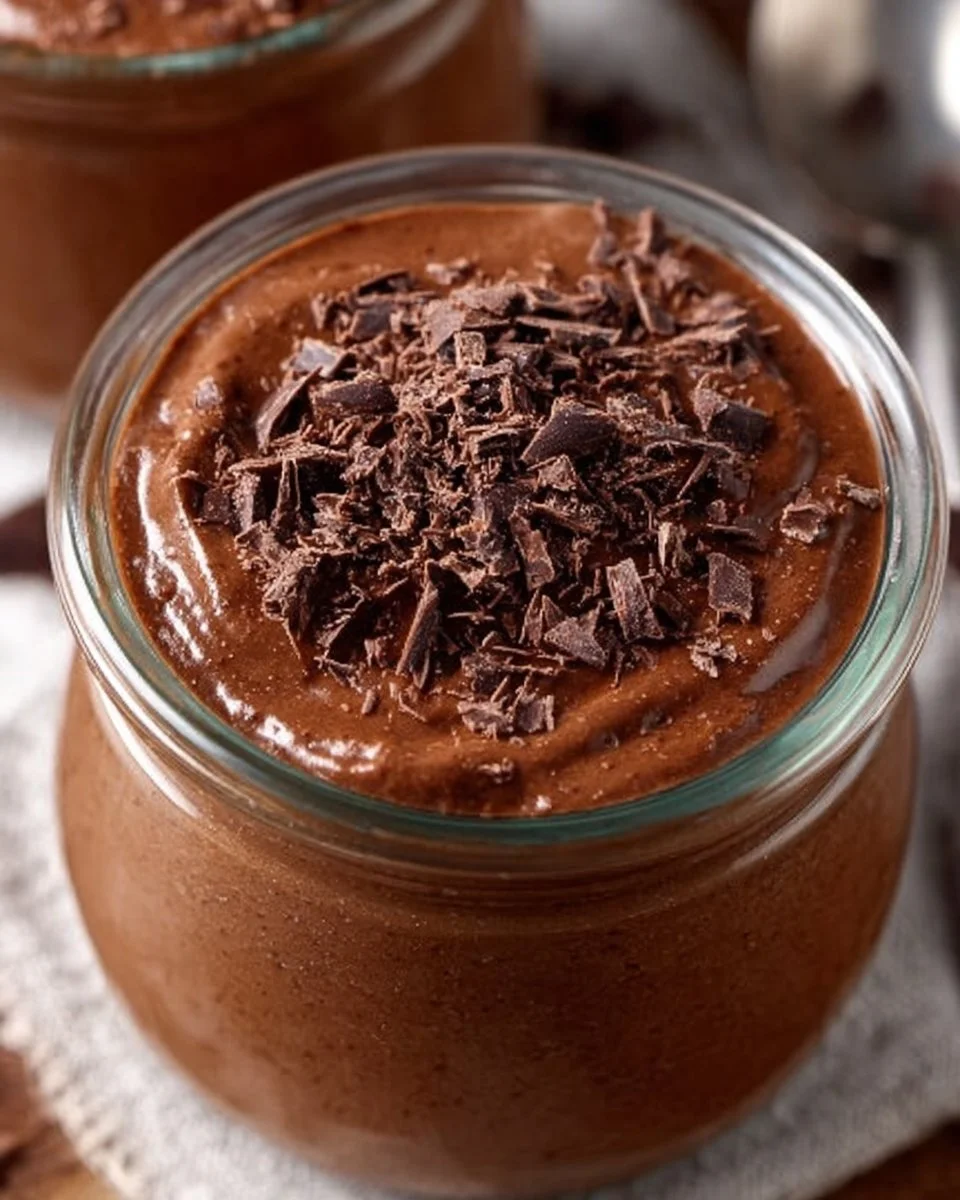
Busy evenings and hurried mornings are the familiar backdrop of family life, and that’s exactly where this Protein Pudding shines. It’s a straightforward, comforting little recipe that feels like a treat but behaves like a dependable helper in the kitchen. Think of it as the kind of thing you can pull together in minutes when you need a quick breakfast, a post-soccer snack, or a simple dessert that both kids and grown-ups will actually eat without fuss.
This pudding works because it leans on familiar flavors and textures—creamy, slightly sweet, and customizable—so it rarely meets resistance at the table. It’s also forgiving: you don’t need precise technique or fancy equipment, and it’s easy to scale up for a hungry family. If mornings are tight, I’ll make a batch and portion it out, or keep the components on hand for an instant make-ahead option. For families who like to rotate easy protein-rich breakfasts, you might enjoy pairing it with other simple favorites like the baked cottage cheese eggs I use on weekends as an alternative morning protein source: baked cottage cheese eggs.
Throughout this article I’ll walk through the what and why of each ingredient, where to slow down if you’re new to this kind of recipe, and how to keep it practical for real life—packing it into lunchboxes, stretching it for company, or flipping flavors to suit picky eaters. My aim is to help you add one more reliable, kid-approved recipe to your weeknight and weekend rotation.
How to make Protein Pudding
Making this Protein Pudding is essentially about three small stages: combining, tasting, and finishing. Expect each one to take only a few minutes, and know that most of the fiddliness comes from tasting and adjusting to your family’s preferred sweetness and textures.
First, combine the powder and liquid. You’re not trying to create whipped pudding here—think smooth and lump-free. If you’ve ever mixed protein powder into a shake, the same idea applies. Use a bowl and a spoon or a small whisk to dissolve the powder into the milk. If you prefer, a mason jar and a quick shake work nicely and clean up is minimal—perfect for busy households.
Next, if you’re including chia seeds, they’re there to add thickness and a bit of body. They don’t require cooking in this recipe, but they do begin to absorb liquid over a short time. If you want a firmer pudding, let it sit for 10–15 minutes; if you’re serving quickly, it will still be pleasant and spoonable. This is the stage where you’ll add sweetener—a little at a time. Taste as you go; most families prefer a gentle sweetness, and kids often like it a touch sweeter than adults.
Finally, toppings are where the recipe gets friendly and festive. Fresh berries, sliced bananas, a sprinkle of nuts, or coconut flakes keep things interesting without adding extra complexity. If you’re preparing for little ones, cut down textures that could be a choking risk and stick with soft fruit or a drizzle of nut butter.
Where beginners should slow down: dissolving the powder thoroughly and tasting for sweetness. Shortcuts that naturally exist: use a jar to mix and shake, or pre-portion dry mixes in small bags for quicker mornings.
Ingredients
1 scoop protein powder, 1 cup almond milk (or any plant-based milk), 1 tablespoon chia seeds (optional), Sweetener to taste (e.g., stevia, honey), Toppings of choice (e.g., berries, nuts, coconut flakes)
Each ingredient has a simple job:
Protein powder: This is the flavor and base of the pudding. It provides the main body and determines the overall taste—vanilla, chocolate, or unflavored powders all behave similarly, but choose a flavor your family already likes. Powder also dissolves faster in thinner liquids, so pay attention as you mix.
Almond milk (or any plant-based milk): This is the liquid that brings everything together. It keeps the texture light and creamy. Use whatever plant-based milk your family prefers; oat or soy will give a slightly fuller mouthfeel if that’s what you like.
Chia seeds (optional): They’re an optional thickener. If you want a pudding that holds its shape a little more, chia seeds help with that after a short rest. They’re also handy for adding a bit of texture without altering flavor much.
Sweetener to taste: Families differ widely on sweetness. Honey feels very familiar to kids and is easy to measure by the spoonful, while stevia keeps things low in added sugars. Add gradually and remember you can always add more, but you can’t take sweetness away once it’s in.
Toppings of choice: Toppings are where this recipe becomes personal. Fresh or frozen berries, crunchy nuts, coconut flakes, or a few dark chocolate chips make it feel like a treat while keeping prep simple.
These are pantry-friendly, easy-to-substitute items in terms of brands and small preferences, but the list itself stays as written so the recipe remains reliable.
Directions
In a bowl, mix the protein powder, almond milk, and chia seeds (if using) until smooth. Add sweetener to taste. Serve immediately with your favorite toppings.
A few practical notes about that short set of directions:
What it should look like: After mixing, you want a smooth, even texture with no dry powder pockets. If you used chia seeds, you might notice the mixture begins to thicken after a few minutes. That’s expected.
Temperature and feel: There’s no heating step, so the pudding will be cool and creamy. If your protein powder is warmer from being stored in the cupboard, it won’t affect the outcome—just mix until smooth.
Common tiny mistakes to avoid: Adding too much sweetener at once is the most frequent misstep—add a little, taste, then adjust. Also, some people try to use powders straight from the freezer or refrigerated milk with a grainy protein; these usually still work but take an extra stir to smooth out.
How to know you’re on track: If it tastes balanced—pleasantly sweet without being sugary—and the texture is smooth, you’re good to go. If it’s too thin, a short rest with chia seeds will thicken it; if it’s too thick, a splash more milk loosens it up.
These directions keep things flexible and forgiving because that’s what busy kitchens need. Follow them as written and you’ll consistently end up with a reliable, family-friendly pudding.
Why families love this dish
There are a few reasons this pudding pops up in household rotations. First, the flavors are familiar. Most kids recognize creamy, slightly sweet flavors and respond well. Grown-ups appreciate that it doesn’t taste like a fad—it’s simple and trustworthy. The texture is spoonable and approachable, so it works as breakfast, snack, or dessert.
Second, it’s versatile. Swap toppings for what’s in season or what’s left in the fridge. For fussy eaters, keep it plain with a little honey and a banana slice; for adults, add chopped nuts or unsweetened coconut for a more adult profile. The pudding also fills an important role for weeknight planning because it takes minutes to assemble and can be portioned for people with different tastes.
Third, it’s a good bridge between meals—substantial enough to curb hunger without being heavy. If you’re building a simple family menu, this pudding pairs nicely with warm items like toast or waffles on a weekend. If you like to keep protein-focused breakfast options in rotation, pairing mornings with something heartier like a batch of protein waffles works well: easy protein waffles.
Finally, the pudding is forgiving—if kids get creative with toppings or want to stir in jam or nut butter, it still behaves nicely. That kind of flexibility matters when you’re trying to keep meals low-drama but satisfying.
Make-ahead tips, leftovers, and storage
This recipe is naturally friendly to make-ahead planning. If you want a morning that runs more smoothly, prepare individual portions in small jars the night before. The chia seeds will thicken slightly overnight, giving a more traditional pudding texture that many people prefer. If you’re serving immediately, skip the rest time; if you like a thicker set, refrigerate for 15–30 minutes or overnight.
Storage tips:
Fridge: Store in an airtight container for up to 2 days. Beyond that the texture can begin to change, especially if you added fresh fruit that releases juice.
Freezing: I don’t recommend freezing once mixed because the texture of the milk and protein can change when thawed. If you want a frozen treat, prepare fresh and freeze toppings like berries separately.
Reheating: This pudding is best served cool or at room temperature. If you prefer a warmer spoonful, a quick 10–15 second zap in the microwave works—stir well and check temperature, especially for kids.
Packed lunches: For school or work, keep toppings separate in a small container and add them just before eating so the textures stay bright. The pudding itself travels well in a small jar or leakproof container.
Leftovers make easy breakfasts or snacks. Stir in a little extra milk if the consistency tightens overnight, and add a fresh topping to make it feel new.
Common questions home cooks ask about this recipe
Q: What if my pudding is lumpy?
A: Lumps mean the powder didn’t fully dissolve. Stir a bit longer, use a small whisk, or transfer to a jar and shake thoroughly. A quick pass with an immersion blender also works if you have one, but it’s rarely necessary.
Q: Can I use dairy milk?
A: Yes—dairy milk or any plant-based milk will work. The ingredient list suggests almond milk (or any plant-based milk), but the mix is flexible in terms of taste and texture.
Q: How do I change thickness?
A: Want it thicker? Let it sit with chia seeds for 10–30 minutes or use a slightly smaller amount of milk. Want it thinner? Add a splash more milk and stir. The directions as written leave room for these small adjustments.
Q: Can this be scaled up for a crowd?
A: Absolutely. Multiply the ingredients by the number of servings needed, mix in a larger bowl or pitcher, and portion into small cups. Keep in mind chia will thicken more as it sits, so portioning is helpful.
Q: My child is picky—what simple tweaks keep it appealing?
A: Start with milder-tasting protein powder and a familiar sweetener like honey. Use soft, favorite toppings (banana slices, applesauce, or a sprinkle of granola) and avoid textures that might be off-putting until they’re used to the pudding.
Q: Will a flavored protein powder overpower the pudding?
A: Flavored powders are often what makes this recipe family-friendly. If it’s very strongly flavored, reduce any additional flavorings and rely on simple toppings to balance.
These are everyday questions from cooks who need quick, reliable answers so they can get meals on the table without stress.
Final thoughts from Sarah
This Protein Pudding is one of those small, dependable recipes I come back to when life gets busy. It’s quick, flexible, and oddly comforting in a way that kids and adults both appreciate. You don’t need heroic kitchen skills to make it, and it’s easy to adapt without breaking the basic structure. Keep the ingredients on hand, make one or make a pantry-ready dry mix for busy mornings, and let this simple pudding become one of those go-to solutions that makes weeknights and rushed mornings feel a little calmer.
Give it a try with a topping your family loves, and don’t be surprised if it earns a regular slot in your rotation. From school lunches to late-night snacks, it’s quietly reliable—and that’s the kind of recipe I love to recommend to other busy cooks.
Conclusion
If you’d like to see a slightly different take on a similar quick pudding idea, Amee’s version has helpful visuals and notes on texture: Easy Protein Pudding – Amee’s Savory Dish.
Carmy’s write-up is a practical, straightforward reference that many home cooks find reassuring: Protein Pudding – Carmy – Easy Healthy-ish Recipes.
For a chocolate-forward rendition and ideas for toppings, Eating Bird Food offers a popular recipe that inspires variations: Chocolate Protein Pudding (45g protein) – Eating Bird Food.
If you want another approachable how-to with timing notes and flavor suggestions, Texanerin’s page is a good resource: Protein Pudding – Texanerin Baking.
Warmly,
Sarah Collins
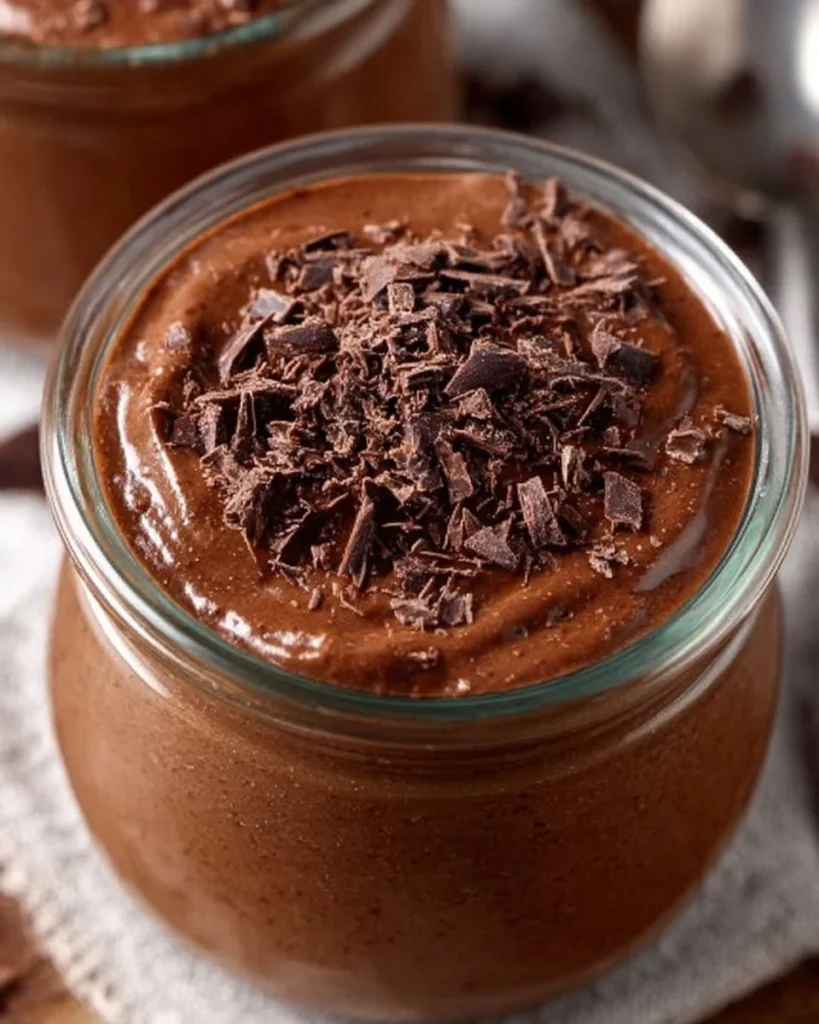
Protein Pudding
Ingredients
Method
- In a bowl, mix the protein powder, almond milk, and chia seeds (if using) until smooth.
- Add sweetener to taste, adjusting to your family's preference.
- Serve immediately with your favorite toppings.