Cottage Cheese Peanut Butter Mousse
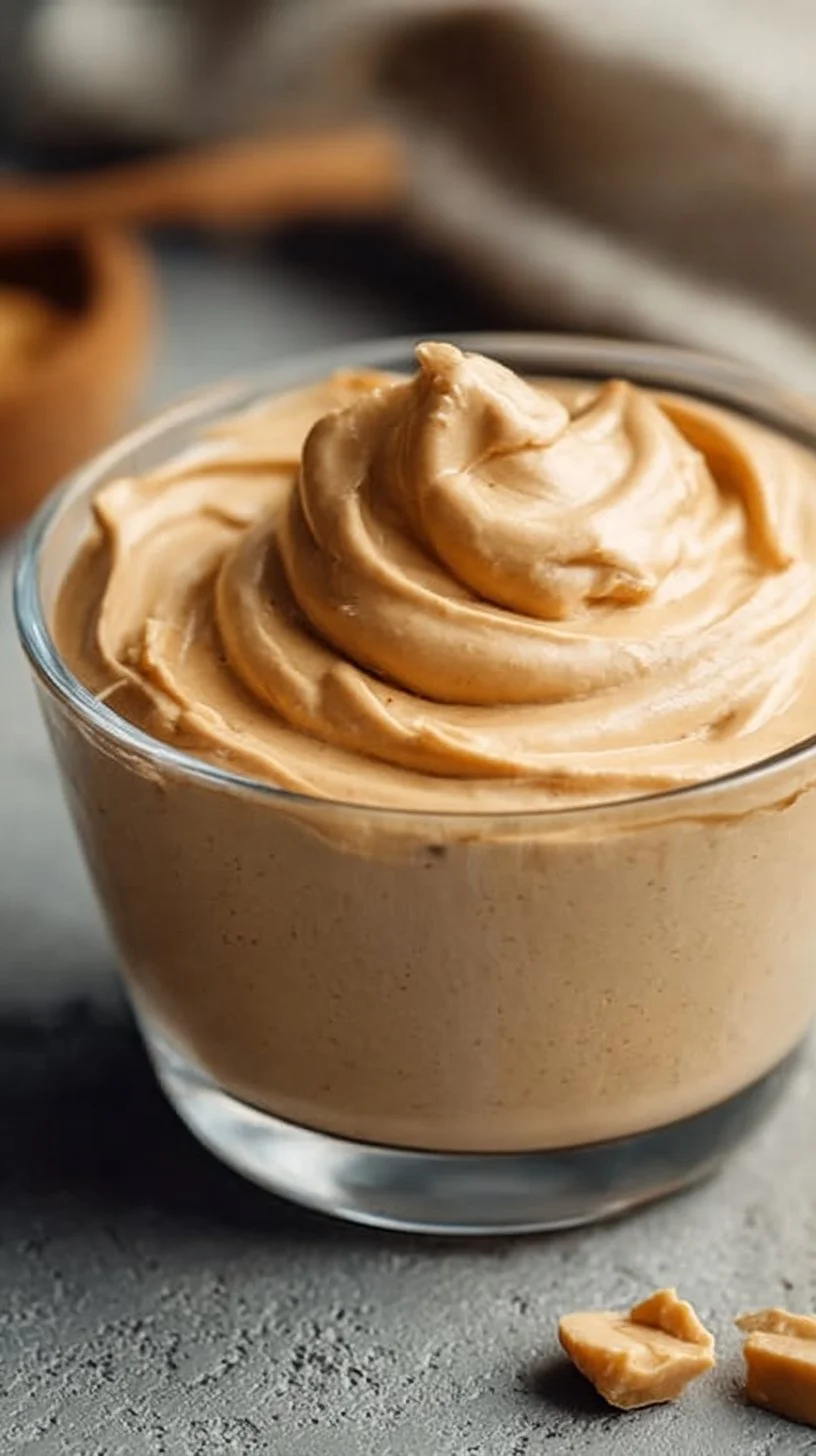
Cottage Cheese Peanut Butter Mousse is one of those recipes that feels like a small, deliberate pleasure—simple to make, comforting in flavor, and easy to fit into an ordinary day. It works for everyday meals because it leans on a few thoughtful ingredients that do most of the work: creamy cottage cheese for body and protein, peanut butter for richness and flavor, and a touch of sweetener and vanilla to round everything out. The result is a mousse that reads light on the plate but satisfying in the mouth.
This mousse is particularly good when you want something quick that doesn’t feel heavy. It’s well suited to weeknight desserts, a midday snack, or a make-ahead component for breakfasts that need a little sweetness without going all-in on indulgence. If you enjoy other cottage cheese-based ideas, you might rotate this alongside recipes such as Apple Cinnamon Cottage Cheese Bake, which uses the same principle: modest ingredients, clean flavors, and a reliable, comforting finish.
How this recipe fits into a balanced lifestyle
This mousse supports a balanced approach to eating because it focuses on portion, ingredient quality, and flavor intensity rather than restriction. It pairs protein and healthy fats in a way that keeps you feeling satisfied for a reasonable stretch of time, so you’re less likely to reach for something overly sweet or heavy soon after. That sense of balance comes not from eliminating anything, but from choosing combinations that deliver both texture and taste efficiently.
Feeling lighter in a meal doesn’t mean the food should be neutral or dull. The peanut butter brings savory depth, vanilla and honey (or maple) provide sweet-savory balance, and a small amount of cocoa can make this feel wildly indulgent while still being grounded. This recipe fits naturally into a weekly rotation—use it as a portable snack between meetings, a quick dessert after a modest dinner, or a component of a brunch spread that keeps things approachable and real. For other protein-forward breakfasts that keep energy steady and the day manageable, I often turn to simple, baked egg dishes like Baked Cottage Cheese Eggs for variety without complexity.
How to make Cottage Cheese Peanut Butter Mousse
The overall flow of this recipe is straightforward: blend, taste, chill, and serve. That simplicity matters because it leaves room for food to shine rather than masking flavors with complicated steps. Start by measuring and gathering everything so your blender or food processor doesn’t have to hunt for ingredients mid-run. The cottage cheese and peanut butter are the structural elements—cottage cheese adds a light creaminess and protein base, while peanut butter provides the mouthfeel and nutty flavor. Sweetness and vanilla pull the flavors together, and cocoa is optional if you want chocolate notes.
Where simplicity truly helps is in resisting the urge to overwork the mousse. A short, confident blend gives you smoothness without breaking down the proteins so far that the texture becomes gummy. Chilling is not decorative here; it firms the mousse and helps flavors settle. Think of the process as gentle: trust the ingredients and let them do their part.
Ingredients
1 cup cottage cheese, 1/2 cup natural peanut butter, 1/4 cup honey or maple syrup, 1 teaspoon vanilla extract, 1/4 cup cocoa powder (optional for chocolate flavor), Pinch of salt
Each item in this compact list has a clear job:
- 1 cup cottage cheese: The base of the mousse. Cottage cheese provides a creamy, slightly tangy canvas and contributes real staying power because of its protein content. Choosing a cottage cheese you like—curd size, fat level, and salt—affects the final texture and taste.
- 1/2 cup natural peanut butter: This brings fat, richness, and a toasty nut flavor that anchors the mousse. Natural peanut butter tends to be less sweet and more flavor-forward, which complements the cottage cheese instead of overpowering it.
- 1/4 cup honey or maple syrup: The sweetener tames tang and rounds the texture. Honey gives a floral warmth, while maple syrup adds a deeper, woodsy sweetness—either works depending on the profile you prefer.
- 1 teaspoon vanilla extract: Vanilla is a small addition that lifts the whole mixture. It smooths edges and makes the mousse taste cohesive rather than a sum of parts.
- 1/4 cup cocoa powder (optional for chocolate flavor): Cocoa is entirely optional, but it’s a low-effort way to give the mousse a dessert-like identity without adding bulk. Use unsweetened cocoa to keep the balance predictable.
- Pinch of salt: A tiny bit of salt sharpens the sweet and nutty flavors and keeps the mousse from tasting flat.
The point here is balance through combination, not restriction. Each ingredient contributes to texture, mouthfeel, or flavor harmony, so the overall recipe feels satisfying with a modest ingredient list.
Directions
- In a blender or food processor, combine cottage cheese, peanut butter, honey (or maple syrup), vanilla extract, cocoa powder (if using), and a pinch of salt.
- Blend until smooth and creamy.
- Taste and adjust sweetness if needed.
- Chill in the refrigerator for 30 minutes before serving.
- Serve in bowls and enjoy as a dessert or snack.
As you follow these steps, a few practical notes help keep things simple and successful. When you combine the ingredients, scrape the sides once or twice during blending to ensure everything becomes uniform—this matters more with cottage cheese since its curds can hide near the blade. Blending time is a balance point: stop when the texture looks velvety and there are no visible lumps. If the mousse seems too thick to blend smoothly, a splash of milk or a neutral plant-based alternative can loosen it, but add sparingly so you don’t thin the mousse too much.
Tasting and adjusting is an honest, non-fussy part of the process. If your peanut butter is very sweet or salty, you may want less honey or no extra salt. Chilling is about texture and temperature—give it the half hour if you can; the mousse firms and the flavors integrate better. Finally, serving in small bowls or jars makes this feel intentional and keeps portions reasonable without thinking in terms of “good” or “bad.”
The role of preparation in keeping this dish light
Preparation choices dramatically influence how heavy or light a dish feels. In this mousse, the main technical choices are blending and chilling. A gentle, efficient blend keeps the texture airy instead of dense. Over-blending can create a pasty mouthfeel, which often reads heavier than the actual calorie content. Similarly, chilling helps the mousse set and reduces the sense of oil separation that can make peanut butter-based dishes feel clunky.
Another preparation factor is ingredient temperature. Room-temperature cottage cheese blends more smoothly with peanut butter than something straight from the fridge; if you give the cottage cheese a few minutes on the counter, you’ll get a silkier texture with less blending time required. Small choices like using natural peanut butter (with minimal added oil and sugar) and unsweetened cocoa also help maintain clarity of flavor, which contributes to a lighter eating experience even when the dish is satisfying.
Finally, portioning matters. Serving this mousse in modest dishes or paired with fresh fruit lets it feel like a component of a balanced meal rather than an all-in dessert.
Simple ways to adjust without losing balance
This recipe’s strength is its adaptability. A few thoughtful adjustments keep the mousse true to its intent while letting you personalize it:
- Swap sweeteners thoughtfully: Honey and maple syrup are both listed; choose based on flavor mood. If you prefer less sweetness, reduce the amount a little and serve with naturally sweet toppings like sliced banana or roasted fruit.
- Add a chocolate touch: The cocoa powder creates a richer dessert-like version. Use it sparingly to keep the texture and balance intact.
- Change nut butter type: Peanut butter is central here, but you can conceptually imagine almond or cashew butter if you simply want a different nut note—do this only as a flavor swap, not to change the method.
- Play with salt: A very small sprinkle of flaky salt on top before serving can heighten contrast and make each spoonful feel more complex, which often reduces the perceived need for extra sweetness.
All of these ideas are conceptual variations; none require changing the recipe’s structure. The goal is to preserve the mousse’s core identity—creamy, nut-forward, lightly sweet—and make it yours without forcing a heavy finish.
Pairing ideas for a complete, well-rounded meal
A mousse like this can be the centerpiece of a small, balanced plate. Think about contrasting textures and fresh elements to keep things from feeling too rich.
- Fresh fruit: Sliced strawberries, diced apple, or a handful of blueberries add brightness and acidity that cut through richness. For a breakfast-style plate, berries provide color and a complementary tartness; you can pair this with a warm baked option like Blueberry Cottage Cheese Breakfast Bake if you want variety on the table.
- Crunch: Toasted oats, a small scattering of chopped nuts, or a spoonful of granola add a satisfying crunch and textural contrast.
- Whole-grain toast or crackers: If you want something to spread the mousse on, choose a dense slice of whole-grain bread or crispbread to make the portion feel more substantial without excess.
- Warm fruit compote or roasted banana: A spoonful of warm fruit over the mousse makes it feel like a dessert while still being reasonable in portion size.
The point is to build contrast—temperature, texture, and acidity—to keep each bite interesting and prevent the mousse from feeling overly heavy on its own.
Storage, leftovers, and next-day enjoyment
This mousse stores well in the fridge for a couple of days. Keep it in an airtight container to prevent it from picking up other flavors from the fridge. Texture may tighten slightly overnight; a brief stir or a very short whisk before serving will bring it back to a smoother consistency.
If separation occurs (a thin sheen of oil from the peanut butter), it’s not a problem—stir gently to recombine. Avoid heating the mousse, as warmth will make the peanut butter oils separate and the cottage cheese proteins change texture. If you want it warm, pair the chilled mousse with a warm topping (like warmed fruit) instead of heating the mousse itself.
For make-ahead meals, portion into small jars and chill; they travel well and make a tidy snack or dessert for a day out. If you find it thicker than you’d like the next day, thin with a splash of milk and stir to achieve your preferred consistency.
Common questions about lighter everyday cooking
How do I keep portions balanced? Use small bowls or jars for richer components like this mousse. Balance means combining items thoughtfully—add a fresh fruit and a whole-grain crisp to make the serving feel complete rather than eating a large portion of mousse alone.
How do I plan meals so I don’t repeat the same thing? Rotate flavors and textures across the week. If you have this mousse one day, pair it with fresh fruit and a grain; the next day, choose a savory cottage-cheese-forward meal or a baked egg to change things up. Repetition becomes comfortable if you tweak pairings and temperatures.
How do lighter meals still feel satisfying? Prioritize protein and a mix of textures. This mousse uses protein-rich cottage cheese and fat from peanut butter to keep you satisfied. Adding something crunchy, warm, or acidic on the side makes the meal feel more complete with smaller portions.
Can I put this on a breakfast plate? Absolutely. It works as a sweet component alongside eggs, toast, or baked fruit. The key is portioning and pairing.
Final thoughts from Daniel
Make food that fits your day, not a rigid set of rules. Cottage Cheese Peanut Butter Mousse is a simple demonstration of how a few honest ingredients can deliver a comforting result that feels lighter without sacrificing satisfaction. It’s straightforward to prepare, easy to adapt, and friendly to everyday eating patterns where variety and balance matter more than extremes. Trust your palate, keep the process calm, and remember that small, flavorful meals can be both practical and pleasurable.
Conclusion
If you want a quick inspiration for a similar speedy treat, check this version of a 3-Ingredient Peanut Butter Mousse which highlights how few elements can still taste indulgent. For those curious about protein-focused, cottage-cheese-forward ideas with a whipped texture, this Keto Whipped Cottage Cheese with Peanut Butter shows a slightly different approach worth exploring. And if you’re after something that emphasizes quick prep and a similar flavor profile, take a look at this 5-Minute Cottage Cheese Peanut Butter Mousse for a comparable take.
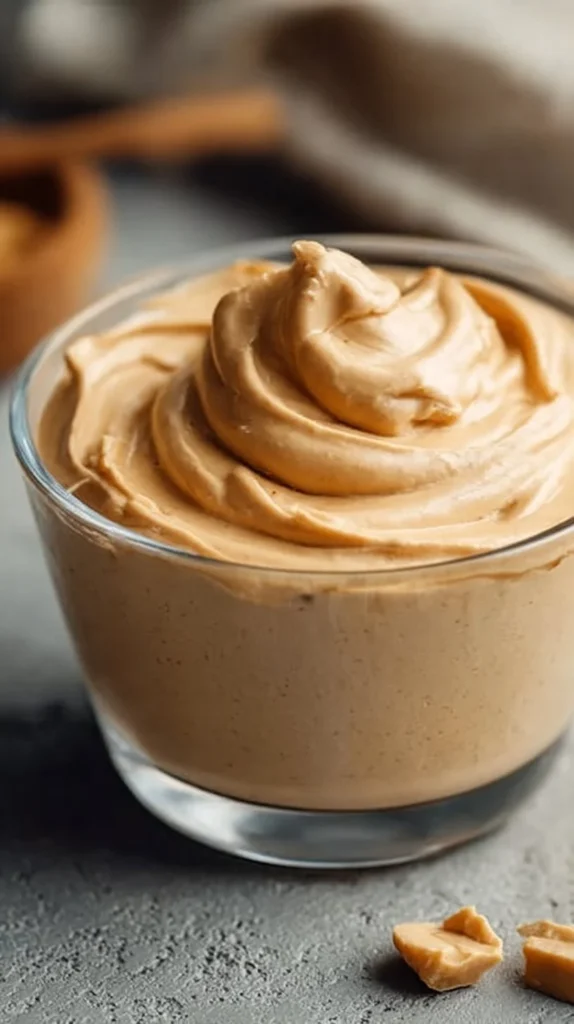
Cottage Cheese Peanut Butter Mousse
Ingredients
Method
- In a blender or food processor, combine cottage cheese, peanut butter, honey (or maple syrup), vanilla extract, cocoa powder (if using), and a pinch of salt.
- Blend until smooth and creamy.
- Taste and adjust sweetness if needed.
- Chill in the refrigerator for 30 minutes before serving.
- Serve in bowls and enjoy as a dessert or snack.