Irresistibly Easy Spinach Cottage Cheese Flagels for Any Meal
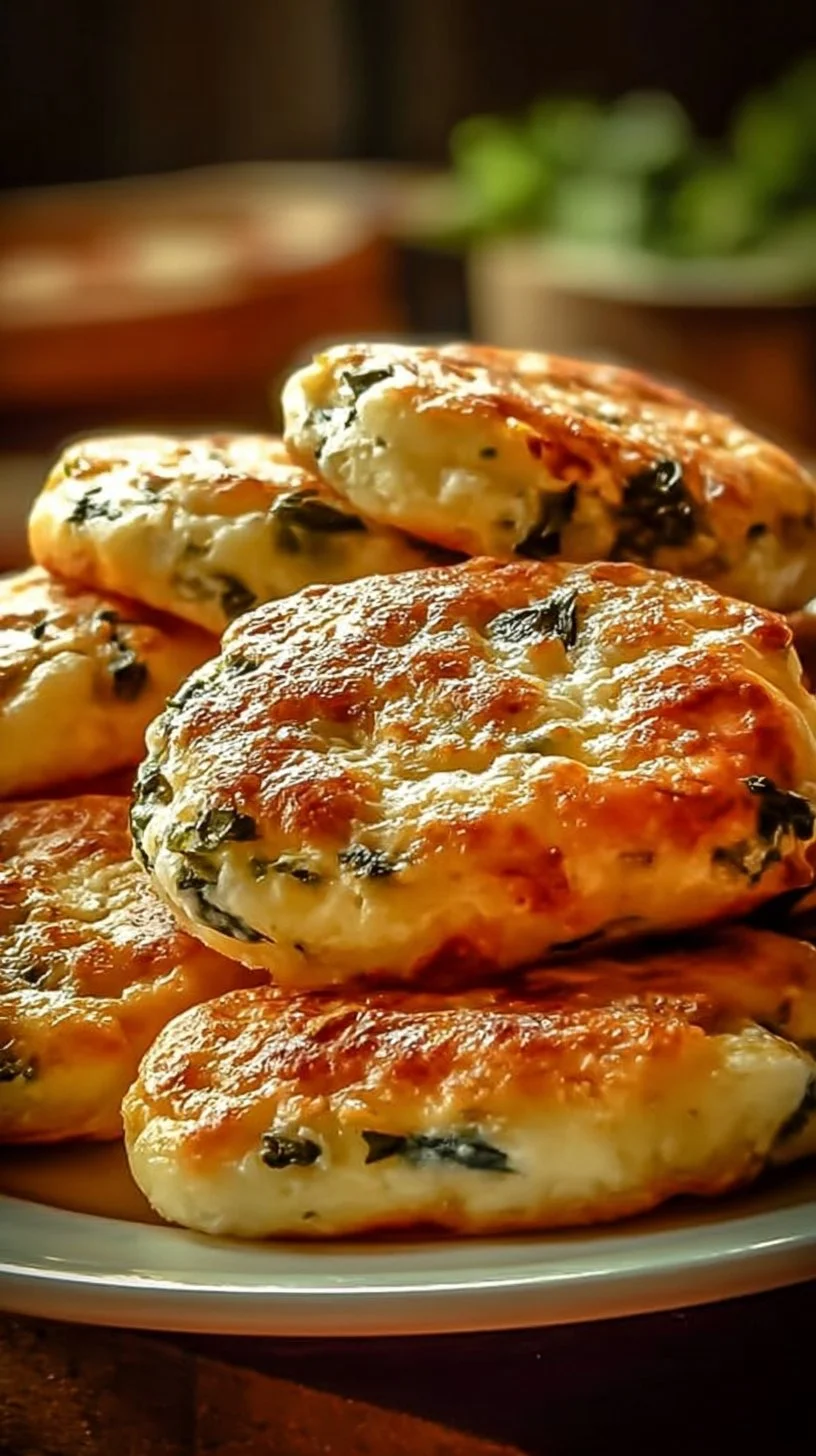
If you’re someone who wants simple, reliable recipes that build confidence in the kitchen, these Irresistibly Easy Spinach Cottage Cheese Flagels for Any Meal are exactly the kind of recipe I love to teach. They’re approachable for beginners, forgiving when life gets busy, and flexible enough to serve as breakfast, lunch, snack, or a light dinner. I designed this recipe to take the worry out of baking at home: you don’t need fancy tools, and you don’t need previous baking wins to make something delicious.
If you’d like to come back to the original recipe page while you read, here’s a helpful link to the full recipe on RecipesCabin: Irresistibly Easy Spinach Cottage Cheese Flagels recipe page. Keep reading and I’ll walk you through why this is a perfect learning recipe and how to feel calm and capable as you make it.
Why this recipe is easy to get right
What makes these flagels forgiving is the combination of simple ingredients and flexible textures. The base is cottage cheese, which keeps the dough moist and soft even if the flour measurement is slightly off. The mozzarella and spinach add flavor and structure without demanding precision. Because the dough is not a finicky yeast dough, you aren’t racing against a proofing schedule — that removes a lot of stress for new bakers.
There’s room for flexibility in small ways: olive oil can be swapped if needed, egg substitutions work, and a slightly different flour type will change texture but not ruin the result. If you’ve felt nervous about baking because of exact measurements and timing, this recipe gives you breathing room. If you’d like more high-protein, cottage-cheese-based ideas to build confidence over time, try this cozy variation I developed earlier: easy high-protein cottage cheese pizza bowl — it’s a gentle next step that uses the same friendly ingredients.
How to make Irresistibly Easy Spinach Cottage Cheese Flagels for Any Meal
Before you begin, gather the ingredients and give yourself a clear workspace. The overall flow of making these flagels is simple: combine the wet ingredients with the cottage cheese, blend in the dry ingredients, fold in spinach and cheese, shape, and bake. The “what happens” at each stage is straightforward, and knowing those small transformations helps you feel in control.
First, you’ll mix the cottage cheese, olive oil, and egg so the cottage cheese breaks down and becomes creamy; this creates a moist, cohesive base. Next, when you add the flour, baking powder, and salt, they pull the mixture into a soft dough — you’ll see it come together and look less wet, but still tender. Then you’ll fold in chopped spinach and shredded mozzarella so they’re evenly distributed. Finally, when shaped and baked, the exterior develops light color and a gentle crust while the inside stays soft and slightly tender.
Beginners should slow down at two moments: when combining wet and dry ingredients, and when shaping the flagels. Mixing too aggressively can overwork the flour, producing a denser result, while rough shaping can cause uneven baking. Take your time, use gentle presses and folds, and watch for key visual cues I describe below.
If you want to plan meals around this recipe, it pairs well with other make-ahead ideas in my meal prep guide: easy high-protein meal prep for the week. That kind of planning makes cooking feel manageable and calm.
Ingredients
1 cup Cottage Cheese (Use full-fat for creaminess), 2 tablespoons Olive Oil (Can substitute with avocado oil), 1 large Egg (For a vegan option, use ground flaxseed mixed with water), 1 cup All-Purpose Flour (Almond flour for gluten-free option), 1 teaspoon Baking Powder (Ensure it’s fresh), 1 teaspoon Salt (Opt for sea salt), 2 cups Baby Spinach (Finely chopped; kale can be substituted), 1 cup Shredded Mozzarella Cheese (Feta for a tangier flavor)
Here’s why each ingredient belongs in this recipe, in plain language:
- Cottage Cheese: This is the heart of the dough. It provides moisture, a mild tang, and body so the dough stays tender. Using full-fat cottage cheese gives the flagels a richer, creamier crumb, but lower-fat versions will still work if needed.
- Olive Oil: Adds moisture and helps the exterior brown gently. It also keeps the dough from feeling dry. Avocado oil is a safe swap if you prefer a neutral taste.
- Egg: Binds the mixture and helps with structure as the dough bakes. The egg’s proteins firm up with heat, giving the flagels a pleasant, tender interior.
- All-Purpose Flour: The main structure-builder. It absorbs moisture and forms the dough. If you need a gluten-free option, almond flour can be used, but expect a different, crumblier texture.
- Baking Powder: The mild leavening here brings some lift so the flagels aren’t flat. Fresh baking powder gives the best, reliable lift.
- Salt: Brightens and balances the other flavors. A teaspoon of sea salt will enhance the cheeses and spinach without making the finished flagels taste salty.
- Baby Spinach: Adds color, freshness, and a subtle vegetal flavor. Finely chopping the spinach helps it distribute evenly so every bite has a little green.
- Shredded Mozzarella Cheese: Melts into pockets, creating soft, cheesy bites. If you want a tangier profile, swapping in feta adds salt and bite.
None of these ingredients are complicated; they are pantry staples or easy to find. They work together by balancing moisture (cottage cheese, oil, egg), structure (flour, baking powder), and flavor (salt, cheeses, spinach). If you’re curious how cottage cheese behaves in other dishes, you might enjoy a warm bakes recipe that uses it similarly: apple cinnamon cottage cheese bake — it’s a gentle reminder that cottage cheese is forgiving and versatile.
Directions
Instructions
Now, a reassuring note about those single-word directions: the recipe’s steps are intentionally straightforward. Below I’ll expand on what to look for as you move through the instructions so you feel confident at each moment, without adding or changing any steps.
- When you start mixing the cottage cheese, olive oil, and egg, you’re looking for the cottage cheese curds to soften and the mixture to look uniformly moistened. Use a fork or spatula and press gently; the mixture will appear creamier and a little glossier. If it still looks very lumpy, a few more gentle presses are fine.
- After you add the flour, baking powder, and salt, you’ll notice the mixture change from wet to a soft dough. It’s okay if there are tiny curd flecks — that’s normal. The texture should be pliable and slightly sticky, not runny. If it feels too wet to shape, wait a minute; the flour will absorb a little moisture, or lightly dust your hands with flour while shaping.
- Folding in the chopped spinach and shredded mozzarella is a gentle process — you want even distribution without overmixing. Overmixing can make the dough a bit tougher, so a few folds are sufficient until you see green and cheese swirled throughout.
- When shaping, aim for even-sized flagels so they bake uniformly. They don’t need to be perfect rings; slight variations are fine and won’t ruin the flavor or overall texture. Place them on a lined baking sheet with space between each so air can circulate and the edges crisp slightly.
- As they bake, watch for light golden edges and a set center — the tops should look dry rather than glossy. The aroma will shift from wet and dairy-forward to toasty and cheesy; this is your cue they are close to done.
- If the exterior is browning faster than the middle seems set, cover loosely with foil for the last few minutes to prevent over-browning while allowing the center to finish.
If the final flagels don’t look exactly like a bakery version, that’s perfectly okay. Small imperfections — uneven shapes, tiny cracks — are part of homemade charm and don’t affect the taste. Take mental notes about what you liked and what you’d tweak next time, and you’ll improve naturally.
Key techniques you’ll practice in this recipe
This recipe reinforces several fundamental cooking skills that will serve you well beyond flagels:
- Gentle mixing and folding: You’ll learn how to combine wet and dry ingredients until just incorporated, keeping the texture tender. This skill is essential for many quick breads and some pastries.
- Texture recognition: You’ll practice recognizing the difference between a wet batter and a soft dough by sight and touch, a useful cue when following many recipes without relying solely on timing.
- Even distribution of add-ins: Folding in spinach and cheese teaches how to blend chunky ingredients without overworking the dough.
- Shaping for even baking: Forming pieces that are similar in size helps you predict baking times and get consistent results.
These are simple, repeatable techniques. As you practice them here, you’ll build a steady foundation for other baking and savory preparations.
Common mistakes and how to avoid them
Even calm kitchens have little bumps. Here are common issues and how to fix or avoid them:
- Dough too wet to shape: Wait a minute — flour will absorb extra moisture. If it’s still too loose, dust your hands lightly with flour while shaping. Avoid adding large amounts of extra flour because that can make the flagels dry.
- Overmixing the dough: When flour is mixed too aggressively, the texture can become denser. Mix until ingredients are combined and stop when the spinach and cheese are evenly distributed.
- Uneven baking: If pieces are different sizes, the smaller ones will bake faster. Aim for similar shapes and give them space on the pan.
- Browning too quickly: If the top and edges become too dark before the center sets, tent with foil to slow browning while the interior continues to cook.
- Flavor too mild: If you prefer more boldness, consider finishing with a light sprinkle of flaky salt or a pinch of cracked pepper, but don’t change the base ingredients—small seasoning additions after baking are a safe way to adjust.
If something goes a bit off, remember: small adjustments rescue most outcomes. Reheating can firm a doughy center; a quick toast can add crispness to an overly soft exterior.
How to adjust confidently without changing the recipe
You may want to make conceptual adjustments without altering the listed ingredients or steps. Here’s how to think about it:
- Scaling portions: To make more or fewer flagels, scale each ingredient proportionally. The key is keeping ratios consistent so moisture and structure stay balanced. If you double everything, expect slightly longer baking time for larger batches and rotate pans halfway through baking.
- Flavor preferences: Instead of changing core ingredients, vary topping or finishing touches. For example, sprinkle a little extra cheese on top during the last few minutes of baking, or add a light brush of olive oil and herbs after baking.
- Texture tweaks: Consider small changes in technique rather than ingredients. For a slightly crispier crust, shape the flagels a touch thinner. For a softer interior, make them a bit thicker. The dough’s moisture content is what defines texture, so these shaping decisions are your tool.
- Temperature adjustments: Oven variability matters. If your oven runs hot, reduce bake time and watch for color; if it runs cool, add a few extra minutes and monitor the set of the center.
All of these ideas keep the recipe intact while letting you personalize the outcome.
Serving, storage, and reheating made simple
Serving these flagels can be as relaxed or plated as you like. They are lovely warm from the oven with a light smear of butter or a dollop of yogurt on the side. They also pair well with eggs at brunch or a bowl of soup for dinner.
For storage: let them cool completely before storing. Place in an airtight container in the refrigerator for up to 3 days. If you need longer storage, freeze them on a tray until solid, then transfer to a freezer-safe bag for up to 1 month.
To reheat: if refrigerated, warm in a 350°F (175°C) oven for 8–10 minutes until heated through and the exterior re-crisps. If frozen, thaw in the fridge overnight and reheat the same way, or bake from frozen adding a few extra minutes. A quick microwave warm-up is okay if you’re in a hurry — it won’t crisp the exterior, but the interior will be soft and enjoyable.
Questions new cooks often ask about this recipe
Q: How long will these take from start to finish?
A: Expect about 20–30 minutes of active prep and roughly 15–25 minutes of baking, depending on size and oven. The important timing cue is visual: golden edges and a set center.
Q: Do I need special equipment?
A: No. A mixing bowl, spatula or fork, a baking sheet, and an oven are all you need. A silicone baking mat or parchment paper helps with cleanup but isn’t mandatory.
Q: Is it normal if the dough looks lumpy from cottage cheese?
A: Yes. Those small curds are normal and will bake into a tender crumb. Pressing and mixing simply until combined is enough.
Q: What if my spinach releases water?
A: If you’re using very fresh spinach, it’s usually fine; if it looks particularly wet after chopping, pat it with a towel to remove excess moisture before folding in.
Q: Can I make these ahead?
A: Yes — shape them, store them covered in the fridge for a day, then bake when you’re ready. Or bake and reheat later as described above.
Final encouragement from Carla
Cooking is a practice, not a test. These spinach cottage cheese flagels are a forgiving way to build skills and enjoy something home-baked without stress. If things look different from the picture the first time, remember that flavor matters more than perfect shape. Each attempt teaches you patterns — how dough feels, how your oven behaves — and that learning is the goal. Trust that with calm attention and care, you’ll get satisfying results. Keep going, and enjoy the warmth of something you made.
Conclusion
If you’d like to see a similar take on a flat bagel-style recipe from another creator for inspiration, this helpful write-up on Hungry Happens shows a close concept: Easy Spinach Cottage Cheese Flagels (Flat Bagels) – Hungry Happens. And if you’re curious about how spinach and cheese come together in layered, pastry-style dishes, this tutorial with a video walkthrough is a great reference: How to Make Spinach and Cheese Phyllo Pie [VIDEO] | All that’s Jas.
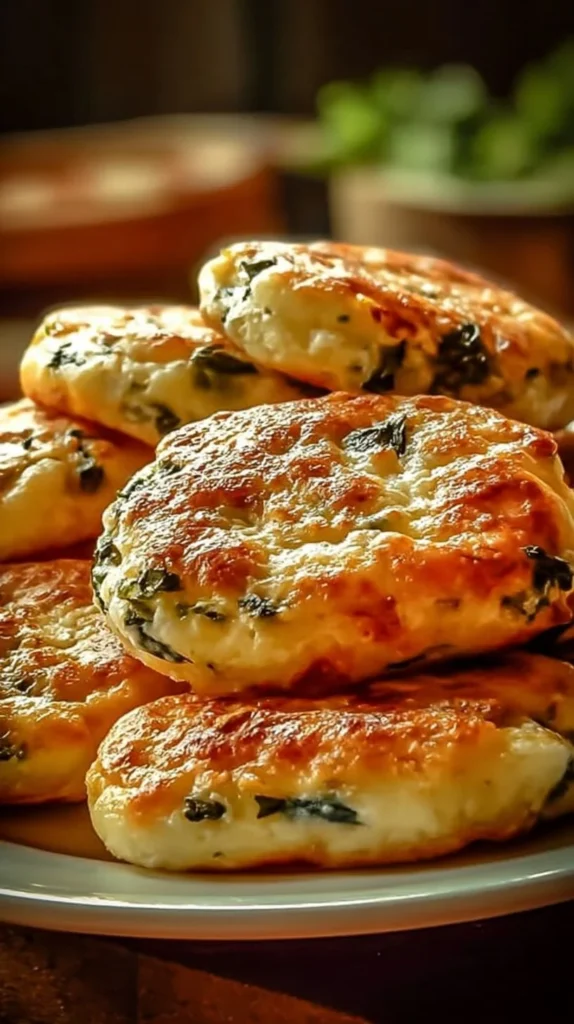
Spinach Cottage Cheese Flagels
Ingredients
Method
- Gather all ingredients and prepare a clear workspace.
- Mix the cottage cheese, olive oil, and egg together until the cottage cheese softens and becomes creamy.
- Add the flour, baking powder, and salt, and mix until a soft dough forms. It should be slightly sticky but not runny.
- Fold in the chopped spinach and shredded mozzarella gently until well distributed.
- Shape the mixture into flagels, making sure to create evenly sized pieces.
- Place the flagels on a lined baking sheet with space between each.
- Bake in a preheated oven until they develop light golden edges and a set center, about 15-25 minutes, depending on size.
- If the tops brown too quickly, tent with foil for the last few minutes of baking.