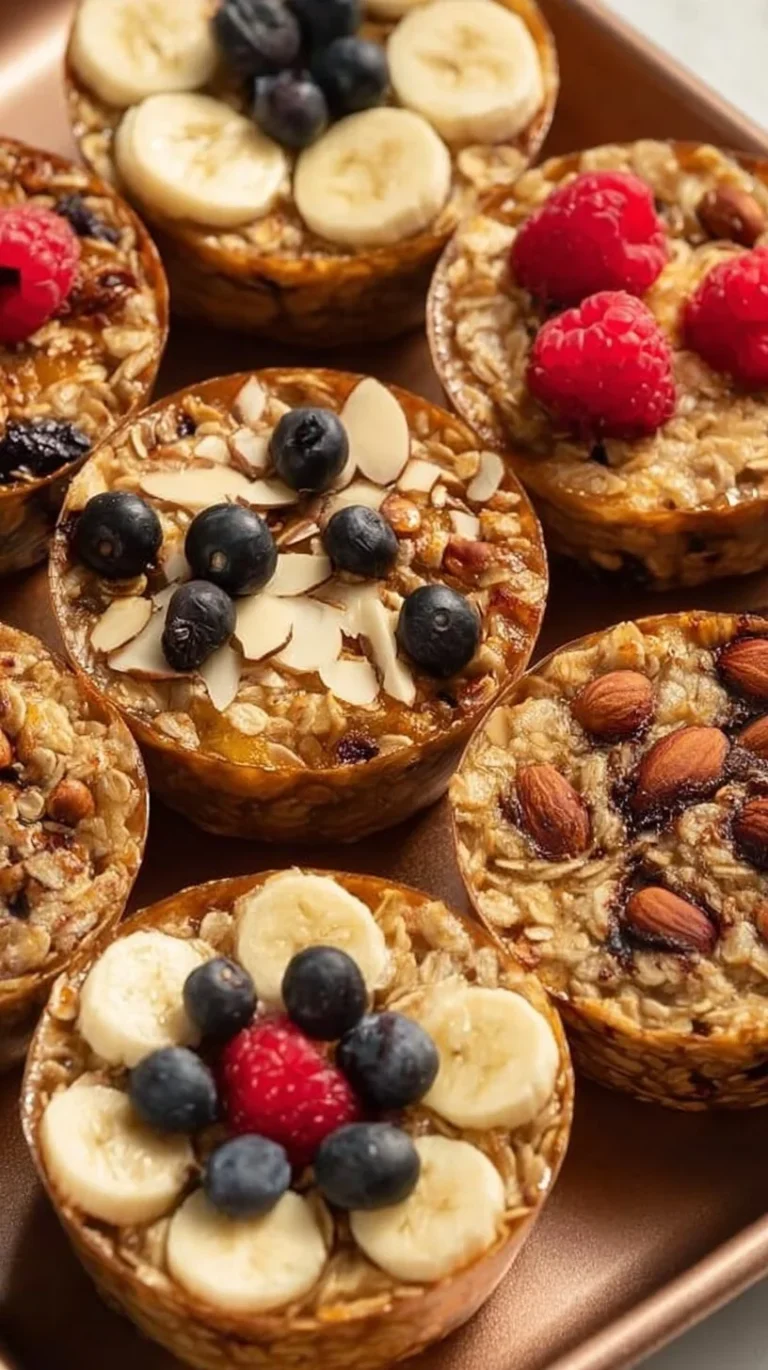
High-Protein Cottage Cheese Cookies

Introduction
I love recipes that behave like good neighbors: steady, unfussy, and ready to help out when life gets busy. These High-Protein Cottage Cheese Cookies are exactly that kind of recipe. They come together with pantry staples, they don’t demand perfect technique, and they give you a warm, familiar flavor that both kids and grown-ups tend to reach for again and again. Whether you need a quick after-school snack, a portable breakfast for a hectic morning, or a small sweet for a casual get-together, these cookies hit that comfortable, reliable note.
These cookies are especially useful on weeknights when the dinner routine runs into homework time, or on slow Saturdays when you want something easy and homemade without fuss. They’re also friendly for make-ahead planning: bake a batch over the weekend and you’ve got hand-held bites ready for the whole week. If you like straightforward cottage-cheese-based recipes, you might also enjoy trying a savory option like the High-protein veggie bake with cottage cheese, which follows the same idea of using cottage cheese to boost texture and satiety in family meals.
In this post I’ll walk you through what to expect at each stage, why I make certain choices, and how to keep the whole thing simple and stress-free. No fancy equipment, no fussy timing — just a dependable recipe that makes home life smoother.
How to make High-Protein Cottage Cheese Cookies
At a glance, the process is straightforward: mix, fold, dollop, and bake. The aim is a dough that’s wet enough to hold together but not so loose that the cookies spread into pancakes. Expect the batter to be more like a thick scoopable batter than a traditional cookie dough; that’s the cottage cheese doing its work. Here’s what to expect at each stage and where to slow down.
- Mixing: Combine the cottage cheese with the oats and sweetener. The oats absorb moisture while the cottage cheese keeps the cookies tender. You want an even texture without overworking — a handful of gentle stirs is usually all that’s needed.
- Flavoring: A little vanilla and a pinch of salt help keep the flavor homey and familiar. The baking powder does a gentle lift; don’t skip it unless you prefer very dense cookies.
- Add-ins: If you’re using chocolate chips, fold them in at the end. Save any delicate mix-ins for the final fold so they don’t break or sink.
- Portioning: Drop tablespoon-sized mounds onto a lined sheet. Uniform scoops lead to even baking — a small cookie scoop or two spoons makes this quick.
- Baking: A short bake at 350°F (175°C) keeps the centers soft and the edges just turning golden. These aren’t meant to be crisp like a bakery cookie; they shine when they’re slightly tender in the middle.
Beginners should slow down at the mixing and portioning steps. That’s where texture can go sideways if you overmix or make the scoops uneven. Shortcuts exist too: use pre-measured rolled oats or a tablespoon cookie scoop to speed things along, and line your baking sheet with parchment so cleanup is faster.
I’ll break the recipe parts down in the sections below so you can move through with confidence and fewer questions.
Ingredients
1 cup cottage cheese, 1 cup rolled oats, 1/2 cup honey or maple syrup, 1/2 teaspoon vanilla extract, 1/2 teaspoon baking powder, 1/4 teaspoon salt, 1/4 cup chocolate chips (optional)
Each of these ingredients has a simple job in the cookie:
- Cottage cheese: The star here — it brings moisture, a gentle tang, and protein. It keeps the cookies tender and gives them a soft, almost cake-like texture without needing butter or oil.
- Rolled oats: Oats provide structure and chew. They soak up some of the moisture from the cottage cheese and sweetener, creating a dough that holds together. Rolled oats are preferred for texture; quick oats will work if needed but the mouthfeel changes slightly.
- Honey or maple syrup: This is the sweetener and it also helps bind the dough. Honey tends to give a slightly firmer cookie while maple syrup offers a more rounded, earthy sweetness — both are family-friendly and familiar flavors.
- Vanilla extract: A little vanilla goes a long way at rounding the flavors and making the cookies smell cozy and homemade.
- Baking powder: A small amount lifts the cookies a bit — you want a gentle rise, not a big cakey puff.
- Salt: Just a pinch brightens the overall flavor and keeps the sweetness from tasting flat.
- Chocolate chips (optional): A crowd-pleaser for kids and a simple way to make the cookies feel a little special. Fold them in last to prevent melting during mixing.
All of these are common pantry items, which is part of why this recipe is so convenient for families. No need to run to a specialty store — most households will have at least a few of these on hand.
Directions
- Preheat your oven to 350°F (175°C).
- In a mixing bowl, combine the cottage cheese, rolled oats, honey (or maple syrup), vanilla extract, baking powder, and salt. Mix until well combined.
- If using, fold in chocolate chips.
- Drop tablespoon-sized portions of the dough onto a lined baking sheet.
- Bake for 10-12 minutes, or until the edges are lightly golden.
- Allow to cool before serving.
After you follow the steps above, here’s what to watch for so you know you’re on track:
- Step 1: Preheating is worth the two extra minutes. An oven that’s at temperature gives you consistent results — especially with a short bake time like 10–12 minutes.
- Step 2: When mixing, you want a reasonably even batter where the oats are hydrated and the cottage cheese is broken up into the mix. It will still look a little lumpy from the cottage cheese, which is fine. If you mix until everything is silky-smooth, you might end up overworking the oats.
- Step 3: Folding in chocolate chips by hand keeps them distributed evenly. If you stir too vigorously, they can melt into the batter and make the cookies darker and denser.
- Step 4: Drop tablespoon-sized portions so the cookies finish baking at the same time. If you make them much larger, they’ll need more time and could dry out on the edges before the center sets.
- Step 5: Look for lightly golden edges. These cookies are best when slightly tender in the middle. If your oven runs hot, check at 9 minutes; if you prefer a crisper edge, leave them for the full 12 minutes.
- Step 6: Cooling is part of the texture-setting process. The cookies firm slightly as they cool, so resist the urge to judge them while they’re still warm on the pan.
Common small mistakes to avoid: overmixing the oats, making uneven scoops, and skipping preheat. None of those are dramatic, but they do change the final texture — and texture is half of what makes these cookies feel homemade and comforting.
Why families love this dish
These cookies tick a lot of boxes for family cooking. The flavor profile is mild and familiar — oats, a touch of vanilla, and optional chocolate chips — which makes them broadly appealing to kids and adults alike. They’re not trying to be trendy; they’re the kind of thing you can serve at snack time, tuck into a lunchbox, or set on the counter for people to nibble on as they pass.
There’s a comfort factor in the texture, too. They’re soft and a little cake-like rather than crunchy, which helps little teeth and sensitive mouths feel comfortable. The cottage cheese element quietly adds substance so the cookies feel more filling than a plain sweet treat, which matters when you’re balancing hunger and homework or after-practice snacks.
The recipe is flexible without being fussy. You can keep them plain for picky eaters or fold in the chocolate chips for kids who want a treat; the base stays the same. If you’re looking for other cottage-cheese-forward family dishes, the baked cottage cheese eggs are another simple option that pairs well with the same weekday rhythms.
Parents appreciate that these cookies don’t require special timing or technique. They’re forgiving, which lowers stress on busy nights when you’re juggling multiple tasks. That reliability is what pushes a recipe from “nice to try” into “regular rotation.”
Smart substitutions and simple variations
Because the original ingredients and steps stay the same, substitutions here are about keeping the spirit of the recipe while adjusting to what you have or what the family prefers.
- Swap sweeteners without changing the method: If honey isn’t your preference, maple syrup works just fine and gives a slightly different sweetness profile. Either one keeps the dough binding the same way.
- Mix-ins that don’t complicate things: Dried fruit, chopped nuts, or a little shredded coconut can be added in place of or alongside chocolate chips. Keep the amount similar to the 1/4 cup called for so the dough balance stays intact.
- Oat swaps: If you only have quick oats, you can use them; the cookies will be softer and less chewy. Rolled oats are ideal for that classic oat texture.
- Flavor nudges: A pinch of cinnamon or a zest of orange can make the cookies feel seasonal without changing steps or proportions.
For picky eaters: leave the chocolate chips out or swap them for mini chips or small fruit pieces. For adults who want a little less sweetness, simply brush the cookies with a light dusting of unsweetened shredded coconut or leave out the chocolate chips entirely — the base is still satisfying.
The key rule is to make substitutions that don’t alter the moisture balance drastically. The recipe relies on cottage cheese and oats to create the right dough, so keeping similar-volume swaps will keep things predictable.
Pairing ideas for a complete, satisfying meal
These cookies are versatile — here are a few simple, family-friendly pairings that round a snack or light meal out without adding much prep time:
- For breakfast or brunch: Serve with a side of plain yogurt or a small bowl of fresh fruit (sliced bananas, berries, or apple wedges). A glass of milk or a warm mug of tea for adults makes it feel like a real morning plate.
- For after-school snacks: Pair a couple of cookies with carrot sticks and a small container of hummus or nut butter for dipping. The cookies give a sweet note while the veggies and dip add balance.
- For casual gatherings: Lay out the cookies on a platter with cut fruit and a simple cheese board. They sit nicely alongside sliced apples and a mild cheddar for a kid-friendly spread.
- For a light dessert: Warm a cookie slightly and serve with a dollop of yogurt or a spoonful of ricotta sweetened with a touch of honey.
These pairings are intentionally low-effort so you can assemble them in minutes and keep things flexible around family preferences.
Make-ahead tips, leftovers, and storage
Here’s how these cookies behave after baking and the best ways to keep them fresh:
- Room temperature: Store in an airtight container for up to 2 days. They stay soft at room temp but are best when enjoyed within a couple of days.
- Refrigerator: Because of the cottage cheese, you can store the cookies in the fridge for up to 5 days in a sealed container. Chilling firms them a bit, so bring them to room temperature or warm them briefly before serving.
- Freezer: These cookies freeze well. Place them in a single layer on a tray to flash-freeze for an hour, then transfer to a freezer-safe bag or container for up to 2 months. Thaw on the counter or warm gently in a low oven.
- Reheating: Warm in a 300°F oven for 5–7 minutes or pop one in the microwave for 10–15 seconds. If you’re worried about drying them out, cover loosely with foil for the oven or add a small dab of butter on top before warming.
- Lunchbox use: Pack cookies in a small container with a napkin to absorb any slight moisture and keep them from sticking together. Add a fresh fruit cup and a small cheese stick to round out a balanced lunch.
These simple storage tips help the cookies feel like a dependable part of your week — bake once, enjoy several times.
Common questions home cooks ask about this recipe
Q: My cookies were too wet and spread too much. What happened?
A: Most likely the dough was too loose or the scoops were larger than a tablespoon. Make sure your oats are measured correctly and try chilling the dough for 10–15 minutes if your kitchen is very warm — this firms it up and reduces spreading.
Q: They came out dry — how do I prevent that?
A: Underbaking is rare, but overbaking is the usual culprit. Since the bake time is short, watch closely and pull them when the edges are just turning light golden. Also, double-check that you used cottage cheese rather than a drier cheese.
Q: Can I double the recipe?
A: Yes — this scales easily. Use the same ratios and bake on separate sheets rather than crowding one. If you double, you may want to rotate the pans halfway through baking so they brown evenly.
Q: My kids don’t like the texture of cottage cheese. Any tips?
A: Try using a short pulse in a blender to smooth the cottage cheese slightly before mixing; this keeps the flavor but softens the curds. Or use mini chocolate chips to shift attention away from texture.
Q: Are these suitable for breakfast?
A: Absolutely. They pair great with yogurt, fruit, and a hot cup of coffee for adults. They’re a convenient make-ahead breakfast when mornings are rushed.
Final thoughts from Sarah
I keep returning to recipes like these because they make family life a little easier without asking for much in return. High-Protein Cottage Cheese Cookies are forgiving, quick, and honest — they don’t demand perfect timing or special skills, just a few pantry staples and a little bit of time. If you’re looking to simplify snack-time or add another easy breakfast option to the rotation, this recipe deserves a spot in the weekly lineup.
Give it a try on a busy afternoon, and notice how a small, homemade touch can smooth the edges of a hectic day. If your family loves them, you’ll find yourself reaching for this recipe whenever you want something warm, reliable, and simply comforting. Happy baking — Sarah
Conclusion
If you’d like to compare a similar take, check the recipe for Eating Bird Food’s Cottage Cheese Cookies (High Protein) for another family-friendly version. For a gluten-free spin with a familiar chocolate-chip finish, take a look at Calla’s Clean Eats’ Cottage Cheese Chocolate Chip Cookies. And if you want to explore another variation that emphasizes low-calorie, higher-protein tweaks, see the ideas at Matt’s Fit Chef on protein cottage cheese cookies.

High-Protein Cottage Cheese Cookies
Ingredients
Method
- Preheat your oven to 350°F (175°C).
- In a mixing bowl, combine the cottage cheese, rolled oats, honey (or maple syrup), vanilla extract, baking powder, and salt. Mix until well combined.
- If using, fold in chocolate chips.
- Drop tablespoon-sized portions of the dough onto a lined baking sheet.
- Bake for 10-12 minutes, or until the edges are lightly golden.
- Allow to cool before serving.