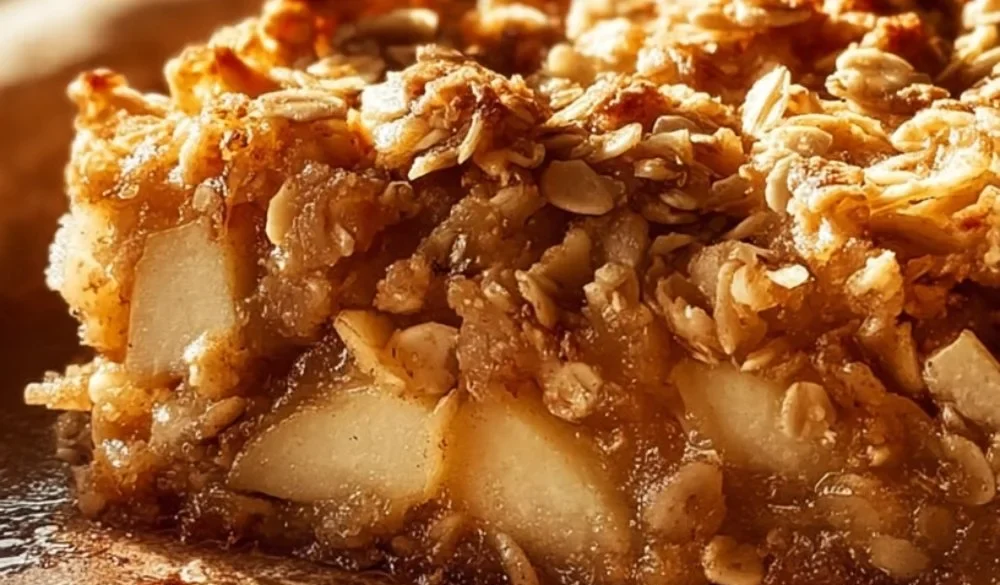
Oatmeal Apple Breakfast Bake
Introduction
This Oatmeal Apple Breakfast Bake is for anyone who wants a warm, comforting breakfast that feels homemade without being fussy. If you’re new to baking breakfasts, returning after a few kitchen missteps, or just want something reliable for weekday mornings, this is a recipe that will build your confidence.
This dish is approachable because it uses simple pantry ingredients and clear steps. You’ll get a gentle introduction to mixing, folding, and baking without needing special equipment. If you like a cozy dish you can slice and eat all week, this one delivers. If you want another breakfast that’s hearty and forgiving while you practice your timing, check out this baked cottage cheese eggs recipe for a different kind of protein-packed start to the day: baked cottage cheese eggs.
My aim here is to walk beside you through the recipe, explaining what each stage looks and feels like so you’ll be comfortable the first time you try it.
Why this recipe is easy to get right
This breakfast bake is forgiving in several ways. Oats absorb liquid over time, so the batter tolerates a little variation in milk quantity without collapsing. The apple pieces add moisture and texture, and they help mask tiny differences in baking time by keeping the center soft rather than dry. The eggs and baking powder provide structure, but they’re not fussy—small inconsistencies won’t ruin the result.
Flexibility shows up in the optional nuts and the choice of maple syrup or honey. Those are flavor decisions, not structural ones. If your apple is on the smaller or larger side, you won’t need to adjust other measurements for the bake to work. And if your oven runs a bit hot or cool, the visual cues I point out later will help you correct timing.
Overall, this recipe is suitable for all skill levels because the checkpoints are visual and tactile rather than technical. You’ll know what to look for, and I’ll tell you what to do if things need a small fix.
How to make Oatmeal Apple Breakfast Bake
At a glance, this recipe moves through three main stages: preparing the pan and oven, mixing the wet and dry ingredients, and baking until set. Here’s what happens first, next, and last, and where you’ll want to slow down.
First: Preheat and prep. Turn your oven on to 350°F (175°C) and grease your baking dish. This makes sure the batter begins cooking at the right temperature and won’t stick. A greased dish also helps the edges brown evenly. When the oven is up to temperature, your bake will start setting immediately, which keeps texture consistent.
Next: Mix the ingredients. You’ll whisk eggs, milk, sweetener, and vanilla, then stir in oats and leavening. Folding in the diced apple and nuts keeps the fruit intact and distributed evenly. Take a moment to notice the batter’s appearance: it should be cohesive but not runny like a pancake batter. If it seems very loose, the oats will absorb some moisture as they sit; a short 5–10 minute rest lets them swell slightly before baking.
Last: Bake and cool. Pour into the greased dish, spread evenly, and bake for 30–35 minutes. Look for a golden top and a center that’s set — a gentle jiggle is fine, but it shouldn’t be liquid. Let it rest five minutes before serving so it firms enough to slice. Beginners should move slowly during each stage, pausing to check texture and color rather than rushing to the next step.
If you want a similar comforting breakfast with fruit and a slightly different texture, try this Blueberry Cottage Cheese Breakfast Bake for another approachable bake-and-enjoy option: Blueberry Cottage Cheese Breakfast Bake.
Ingredients
2 cups old-fashioned oats, 1 ½ cups milk (or almond milk for dairy-free), 1 large apple, diced, 2 eggs, ¼ cup maple syrup or honey, 1 tsp vanilla extract, 1 tsp cinnamon, ½ tsp baking powder, ¼ tsp salt, ¼ cup chopped walnuts or pecans (optional)
Each ingredient here has a simple, honest role. The old-fashioned oats are the base — they give body, chew, and whole-grain flavor. The milk hydrates the oats and helps create a custardy interior. The diced apple brings brightness and moisture; when it bakes, it softens and releases a gentle fruity sweetness that complements the oats.
Eggs act as a mild binder, holding the bake together so you can slice it without it falling apart. Maple syrup or honey sweetens without being cloying and keeps the texture tender. Vanilla and cinnamon are the aromatics — they make the bake smell like autumn and round out the flavor. Baking powder gives a little lift so the texture isn’t dense, and salt amplifies sweetness and balances the flavors. Nuts are optional; they add crunch and a toasty note but aren’t necessary for success.
None of these ingredients are intimidating — they’re common, easy to measure, and forgiving if you’re off by a teaspoon or two. The key is to assemble them mindfully and observe the clues I mention in the next section.
Directions
Preheat & Prep:
Preheat oven to 350°F (175°C). Grease a baking dish., Mix the Ingredients:
In a large bowl, whisk together eggs, milk, maple syrup, and vanilla extract., Stir in oats, baking powder, cinnamon, and salt., Fold in diced apples and nuts (if using)., Bake:
Pour the mixture into the greased baking dish and spread evenly., Bake for 30-35 minutes, or until the top is golden and the center is set., Serve:
Let cool for 5 minutes before serving. Enjoy warm, or refrigerate and reheat for a quick breakfast.
Supportive guidance around the steps:
- Preheat & Prep: When the oven reaches 350°F, you’ll often notice a slight warmth that radiates when you open the door. Greasing the dish can be done with a thin swipe of butter or a quick spray of oil. Aim for a thin, even coating so edges brown without sticking.
- Mix the Ingredients: Whisking eggs, milk, syrup, and vanilla together should create a smooth, slightly glossy liquid. When you stir in the oats and baking powder, the mixture will thicken as the oats absorb some liquid. It’s normal for the batter to look lumpy because of the oats and apple pieces — that’s what you want. Folding in the diced apple should feel gentle; you’re distributing fruit without breaking it up.
- Bake: As the bake cooks, you’ll see the top change from pale to light golden; this is your visual cue that sugars are caramelizing and the surface is setting. A toothpick inserted in the center coming out with a few moist crumbs is fine — you don’t want a wet batter. If the top is browning faster than the center is setting, loosely tent a piece of foil across the dish for the last 5–10 minutes.
- Serve: After five minutes of cooling, the bake will be slightly firmer and easier to slice. Warm is lovely, but chilled slices reheat well in the microwave or oven. Small imperfections like a slightly uneven top or different-sized apple pieces are part of homemade charm and don’t affect the taste.
Key techniques you’ll practice in this recipe
This breakfast bake helps build several kitchen fundamentals:
- Whisking liquids: You’ll learn to combine wet ingredients until smooth. This simple motion incorporates flavor and ensures even sweetness.
- Folding: Gentle folding keeps fruit intact and prevents overworking the oats. Folding is a useful technique in batters and helps you keep the right texture in delicate foods.
- Observing doneness: Instead of relying solely on the clock, you’ll practice looking for a golden top and a set center. This visual and tactile judgment applies to cakes, casseroles, and other baked goods.
- Resting after baking: Allowing the bake to cool briefly is an important habit. It helps set structure and improves slicing — a practice that transfers to many other dishes.
These skills are foundational and will serve you in wide-ranging recipes, from simple quick breads to savory bakes.
For a seasonal twist later on, the idea of using roasted or mashed sweet potato in a breakfast bake follows the same techniques; read more about smart swaps and how they affect texture in this guide: Breakfast Sweet Potato.
Common mistakes and how to avoid them
Mistake: Baking too long until the center is dry. Fix: Watch for a gentle jiggle and a golden top. A toothpick with a few moist crumbs is perfect. If you’ve overbaked, slice and serve with a spoonful of yogurt or milk to add moisture.
Mistake: Apples sinking to the bottom. Fix: Toss diced apples in a light dusting of oats or a teaspoon of flour before folding in. This gives them slight traction so they distribute more evenly. If they still sink, no problem — the bite will still taste great.
Mistake: Batter too thin or too thick. Fix: A thin batter often just needs a 5–10 minute rest so oats can absorb liquid. If it’s very thick, a splash of milk will loosen it; if very thin, a couple of tablespoons of extra oats can thicken the mixture — but this recipe is forgiving and small adjustments are fine.
Mistake: Top browning too fast. Fix: Tent with foil for the final minutes. The foil slows browning while letting the center finish cooking.
If something goes a little off, remember: the flavors are comforting and flexible. You can correct texture with rest, prevent over-browning with foil, and serve with accompaniments to balance any dryness.
How to adjust confidently without changing the recipe
You asked how to make adjustments without changing ingredients or steps — here are conceptual tweaks you can make that respect the recipe’s integrity.
Portion scaling: To serve fewer or more people, double or halve the dish size and use a proportional baking dish. Baking time may increase slightly for a deeper bake or decrease for a shallower one. Watch for the golden top and set center rather than relying solely on minutes.
Flavor preferences: If you prefer less sweet, use a touch less maple syrup or choose a tart apple to balance sweetness. For extra warmth, increase cinnamon slightly. These are flavor nudges, not structural changes.
Texture tweaks (conceptual only): For a firmer slice, bake a few extra minutes and let the bake cool fully before slicing. For a creamier interior, serve it warm with a spoonful of milk or yogurt. These approaches change serving temperature or baking time, not ingredients or steps.
The key is to make one small change at a time and watch the visual cues. Confidence comes from noticing cause and effect — how a longer bake firms the center, how more resting time softens the texture, and how a tart apple brightens the flavor.
Serving, storage, and reheating made simple
Serving: This breakfast bake is lovely warm straight from the oven. Serve slices with a dollop of yogurt, a little extra maple syrup, or a smear of nut butter. For a lighter breakfast, pair a smaller slice with fresh fruit and a hot cup of tea or coffee.
Storage: Cool completely, then cover the pan tightly or transfer slices to an airtight container. It will keep in the refrigerator for up to 4–5 days. You can also freeze individual slices wrapped in plastic and a layer of foil for up to 2 months.
Reheating: For best texture, microwave a slice for 20–40 seconds (times vary by microwave) until warmed through, or reheat in a 325°F oven for 8–10 minutes. If the bake feels a touch dry after reheating, a quick splash of milk or a scoop of yogurt restores creaminess.
These simple practices keep the bake tasting fresh and give you easy breakfasts all week.
Questions new cooks often ask about this recipe
Is the center supposed to be jiggly? A gentle jiggle is normal; it shouldn’t be liquid. It will firm as it cools.
Can I use quick oats? Old-fashioned oats are recommended because they hold texture. Quick oats will produce a softer, slightly mushier bake, but it will still be tasty.
Do I need to peel the apple? No — you can leave the peel on for texture and fiber if it’s thin-skinned and clean. If you prefer a very smooth bite, peel it first.
What size baking dish is best? Any medium-sized dish that holds the mixture comfortably works. A standard 8×8-inch pan is a common choice. Watch the depth — much deeper filled pans will need more time.
Is it okay to make this the night before? Yes. You can mix it and refrigerate overnight, then bake in the morning. The oats will absorb more liquid and the texture will be slightly denser, but still delicious.
If something seems off, slow down, look for the visual cues I mentioned, and remember that small imperfections won’t ruin the overall taste.
Final encouragement from Carla
You can do this. This Oatmeal Apple Breakfast Bake is a gentle recipe that rewards attention, not perfection. Each time you make it you’ll learn a little more about how your oven, your apples, and your timing work together. Cooking is a practice, and every small success matters.
Keep these steps close: preheat and prep, mix with gentle intention, and watch for a golden top and a set center. Trust the visual cues, and don’t be afraid to adjust with simple fixes like tenting with foil or resting a few extra minutes. Enjoy the process as much as the result — the smell of cinnamon and apple filling your kitchen is one of those small victories worth repeating.
Conclusion
If you’d like to compare similar takes on apple baked oatmeal for inspiration before you bake, see Mel’s version at Mel’s Kitchen Cafe apple and cinnamon baked oatmeal and Kara Lydon’s apple pie style recipe at Kara Lydon’s apple pie baked oatmeal. For another simple, straightforward recipe close to this one, Everyday Dishes has a helpful rendition at Oatmeal Apple Breakfast Bake Recipe – Everyday Dishes. If you’re exploring different spice or texture ideas, Erin Lives Whole shares a lovely take on apple pie baked oatmeal that’s worth a look: Apple Pie Baked Oatmeal – Erin Lives Whole.
Happy baking — and remember, you’re learning with every warm, imperfect slice you serve.
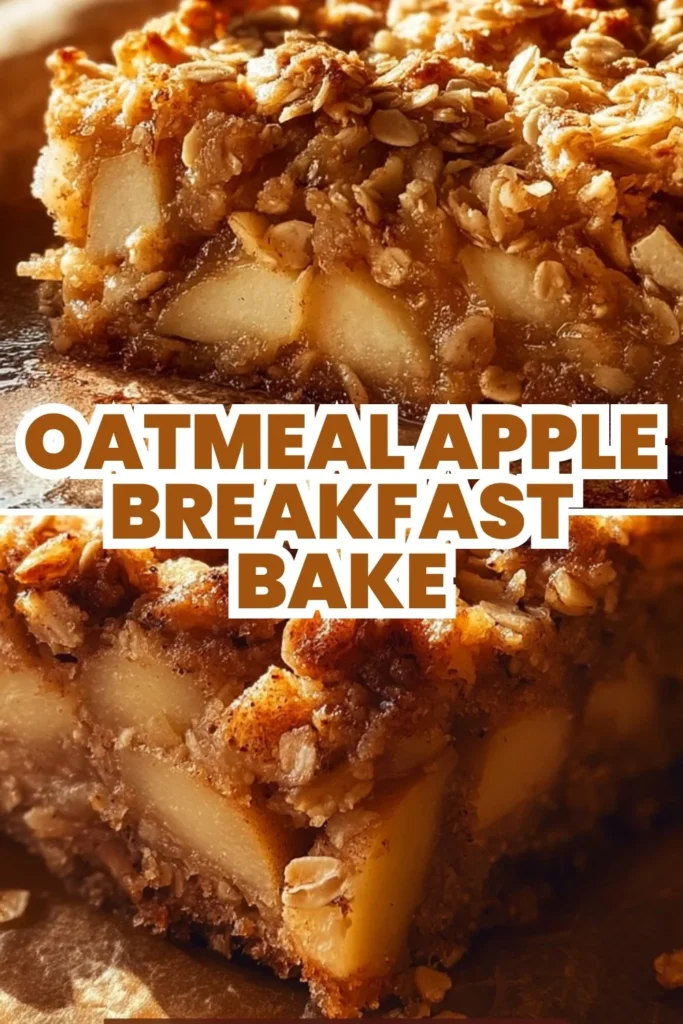
Oatmeal Apple Breakfast Bake
Ingredients
Method
- Preheat oven to 350°F (175°C) and grease a baking dish.
- In a large bowl, whisk together eggs, milk, maple syrup, and vanilla extract.
- Stir in oats, baking powder, cinnamon, and salt.
- Fold in diced apples and nuts (if using).
- Pour the mixture into the greased baking dish and spread evenly.
- Bake for 30-35 minutes, or until the top is golden and the center is set.
- Let cool for 5 minutes before serving. Enjoy warm or refrigerate and reheat for a quick breakfast.