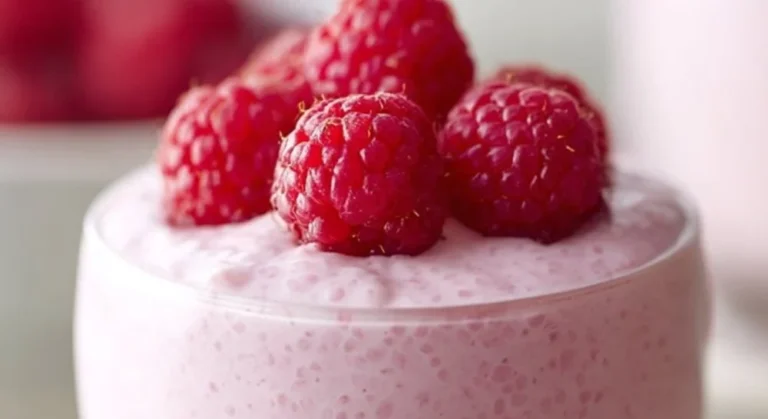
Raspberry Chia Pudding Sweetened with Maple Syrup
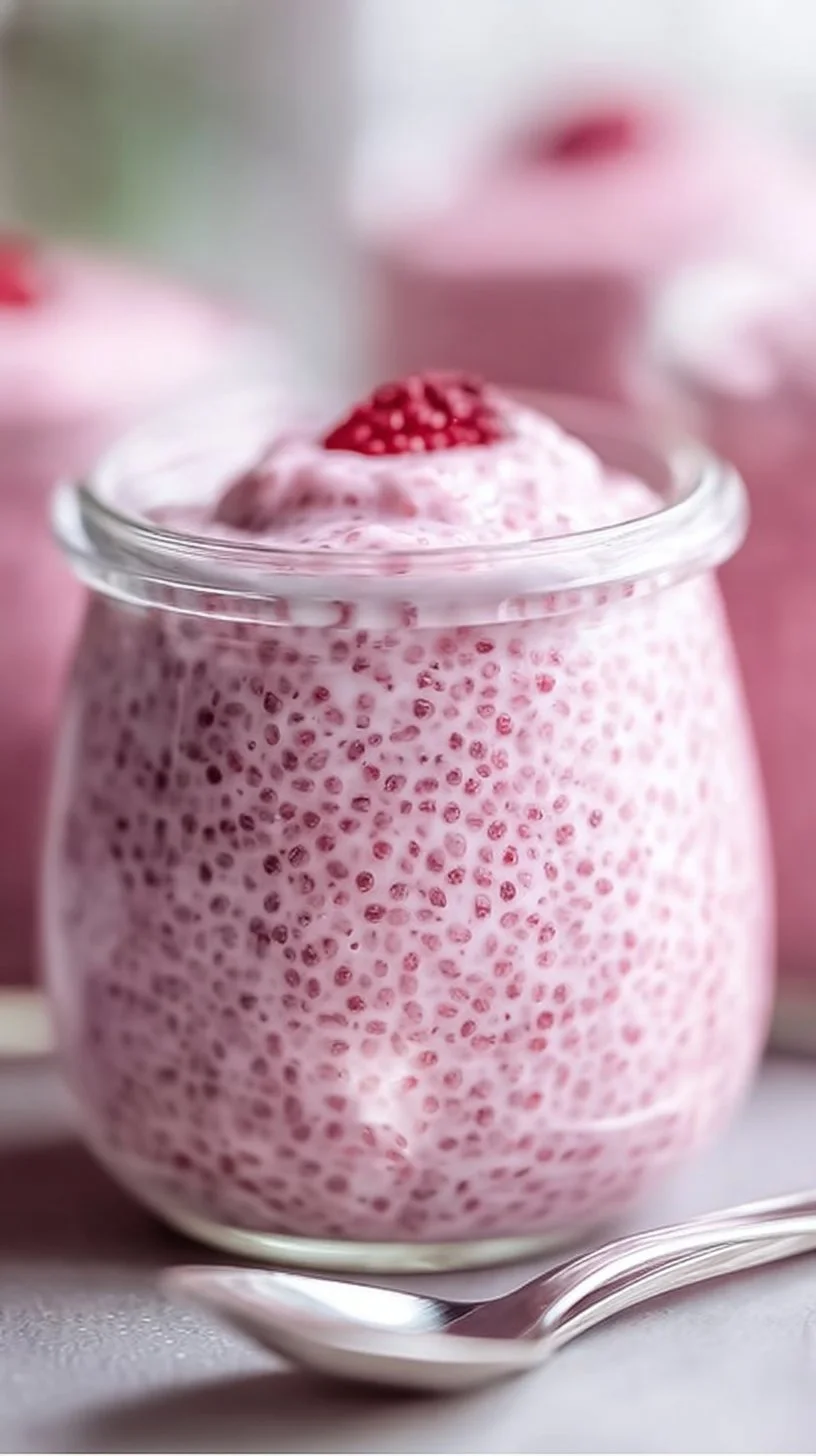
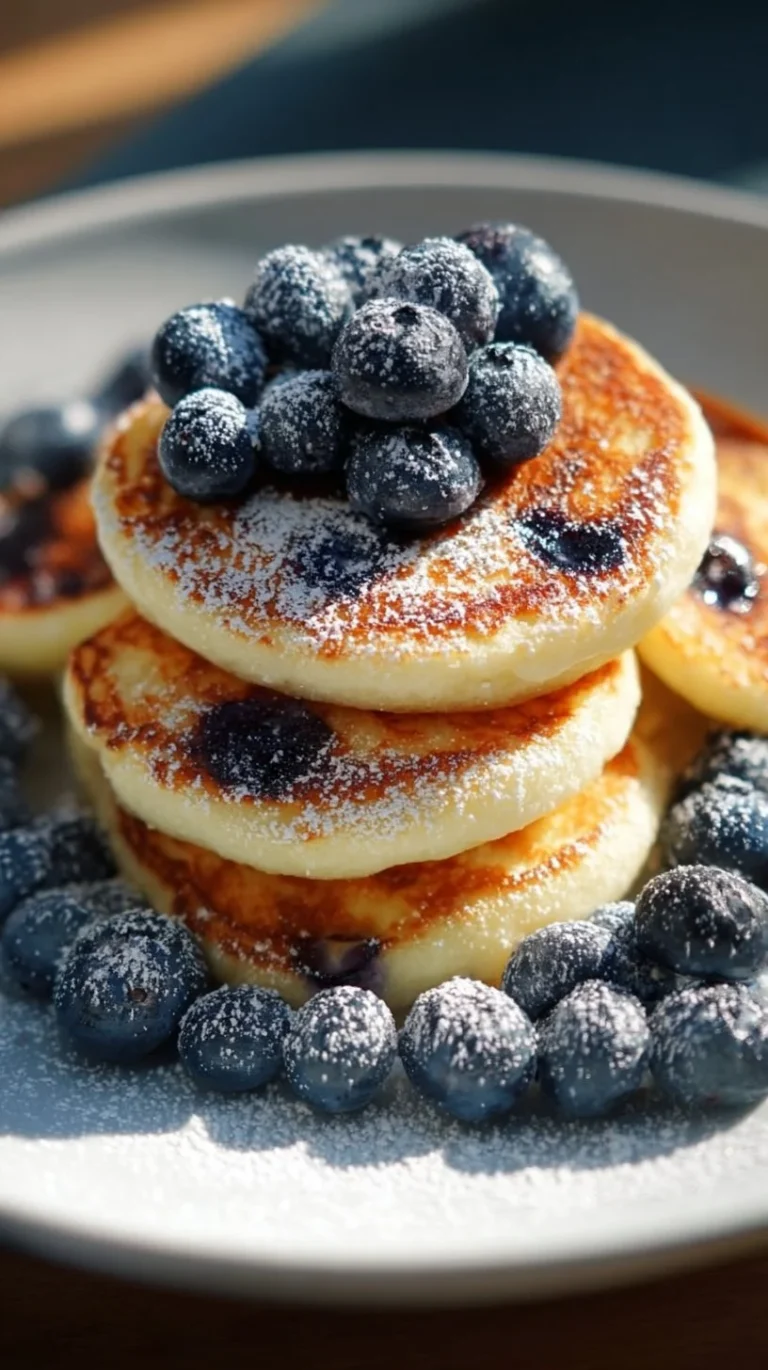
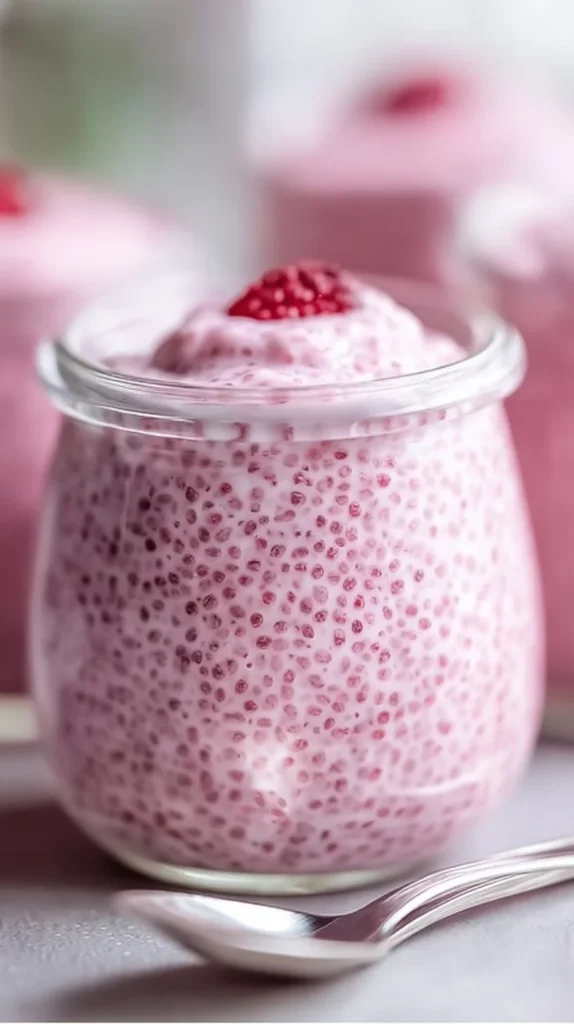
Raspberry Chia Pudding Sweetened with Maple Syrup is the kind of everyday recipe I come back to when I want something that feels fresh, satisfying, and ready without fuss. It’s a make-ahead dish that works for quick breakfasts, a light afternoon snack, or a tidy dessert after a simple weeknight meal. The texture is creamy without being dense, the raspberries give bright acidity and a gentle tartness, and the maple keeps the sweetness warm and resonant rather than cloying. If you like rotating in easy breakfasts like my favorite blueberry maple pancakes on the weekends, this pudding slots in nicely for weekdays when you want that same maple comfort in a lighter format.
This recipe is small in scale—simple ingredients, straightforward steps—but it rewards a little patience. The chia seeds do most of the work, absorbing liquid and creating that pudding-like body, while the raspberries and nuts supply texture and flavor contrast so the dish never feels one-note. For people who want everyday balance, this is a practical option: wholesome, adaptable, and focused on taste rather than strict rules.
How this recipe fits into a balanced lifestyle
A balanced lifestyle around food is less about strict rules and more about approachable decisions that keep meals varied, satisfying, and easy to repeat. This raspberry chia pudding fits that pattern because it’s portion-friendly by design, relies on recognizable pantry items, and pairs well with many other dishes—so it doesn’t require an all-or-nothing plan. It can be a breakfast, a post-workout snack, or a light dessert depending on portion and pairing.
The pudding feels lighter without sacrificing flavor because it emphasizes water-rich ingredients and controlled fat. Almond milk keeps the base smooth without the weight of cream, while chia seeds offer satisfying body and a soft chew. The raspberries add brightness that tricks the palate into thinking the dish is indulgent even when it’s composed of simple, real ingredients. If you want a savory counterpoint later in the day, consider a crisp sandwich—my notes on a reliable savory go-to like the best BLT wraps with secret sauce make for a satisfying follow-up without overwhelming your daily balance.
This pudding also supports repetition without boredom. You can make a batch to cover several days and vary toppings or companions each morning—yogurt and fruit one day, a handful of toast and eggs the next. That variety keeps meals interesting while preserving the practical ease that makes everyday cooking sustainable.
How to make Raspberry Chia Pudding Sweetened with Maple Syrup
The overall flow is short and intentional: combine, mash, rest, and serve. There’s no heavy cooking, no special equipment, and no complicated timing—just a little forward planning so the chia seeds can do their job. Start by stirring the liquid and sweetener together so the maple is evenly distributed; this prevents pockets of overly sweet or bland texture. Add chia seeds and raspberries, give everything one good stir, then let it sit long enough to thicken.
Simplicity matters most when you’re balancing busy days and a desire for good food. That means using tools you already have—a mixing bowl, a whisk, a mason jar—and focusing on a few quality ingredients rather than a long shopping list. If you’re batch-making, portion into small containers so grab-and-go mornings are seamless. Don’t overthink the texture: chia pudding can be adjusted by slight changes in milk ratio or resting time, but aim for a pudding that’s spoonable and cohesive, not soupy or rock-hard.
A tip from another simple weeknight approach—if you ever need a heartier, cooked option for dinner prep, look at how quick stir-fries like this beef stir-fry with vegetables come together; the same principle of few good ingredients and decisive technique applies here.
Ingredients
1/4 cup chia seeds, 1 cup unsweetened almond milk (or milk of choice), 2 tablespoons pure maple syrup, 1/2 teaspoon vanilla extract, 1/2 cup fresh or frozen raspberries (plus more for topping), Sliced almonds or chopped nuts, Shredded coconut, Additional raspberries or mixed berries, Extra drizzle of maple syrup
Each item in that list plays a clear role. The chia seeds are the structure—tiny but capable of absorbing liquid and forming a thick, satisfying base. Unsweetened almond milk keeps the flavor neutral and the texture light; if you prefer whole milk or another plant milk, that’s fine, but choosing lower-fat or lighter milks is one way this recipe stays airy. Maple syrup is the primary sweetener and offers depth and warmth; a little goes a long way. Vanilla rounds the profile, making the raspberries feel more dessert-like without heavy sugars.
Raspberries supply bright fruitiness and a pleasant seedy crunch that contrasts with the pudding’s softness. Nuts and coconut add finish—an important part of the eating experience because texture keeps something feeling like a whole, satisfying dish. The extra berries and a final maple drizzle are optional but helpful for presentation and flavor contrast; they make each spoonful interesting and keep the dish from depending solely on sweetness.
Choosing simple, mindful ingredients matters because balance comes from combination: a creamy base, a flavorful sweetener, fresh fruit for acidity, and crunchy toppings for interest. Together they create a rounded experience that feels light on the stomach but satisfying in practice.
Directions
Mix the Ingredients, Mash the Raspberries, Let It Set, Serve and Enjoy
Mix the Ingredients
Start by combining the almond milk, maple syrup, and vanilla in a bowl or jar. Stir or whisk until the maple is integrated and the vanilla is evenly distributed; this helps the seeds hydrate evenly. Add the chia seeds and give everything a solid stir. Make sure the seeds are separated instead of floating in clumps—this initial mixing prevents uneven texture.
Mash the Raspberries
Fold in the raspberries gently and press a few against the side of the jar or bowl so they break and release some juice. You want streaks of raspberry, not a completely blended puree—those bits of fruit provide brightness and little bursts of flavor. If you’re using frozen raspberries, a quick thaw or a brief mash after mixing will release enough juice to flavor the pudding.
Let It Set
Cover and refrigerate for at least 2 hours, or ideally overnight. As the chia hydrates, it thickens; check texture after 30–60 minutes and give it another stir if seeds have settled. The goal is a spoonable pudding, so if it’s too thick after sitting, stir in a splash of milk to loosen it. If it’s too thin, give it more time—chia often needs the full chill period to reach the right consistency.
Serve and Enjoy
Top with more raspberries, a sprinkle of sliced almonds or chopped nuts, and a bit of shredded coconut for contrast. An extra drizzle of maple just before serving deepens the flavor and makes the presentation feel thoughtful. Look for balance on the spoon: creamy, tart, slightly sweet, and crunchy. That’s what keeps the dish feeling complete without being heavy.
As you work through the steps, look for visual cues rather than a strict schedule: the pudding is ready when it holds its shape on a spoon and the seeds are plump. Resist the urge to over-stir once it’s set—too much agitation can make the texture denser than intended.
The role of preparation in keeping this dish light
Technique and small preparation choices are what make a light-feeling dish feel intentional instead of sparse. Chia pudding is a great example: the method—soaking seeds rather than cooking them into a dense custard—keeps the texture airy. Choosing unsweetened milk and using a modest amount of maple syrup prevents the base from leaning too sweet or syrupy, which would make the dish feel heavier. Fresh or lightly thawed raspberries add water content and acidity, which brighten each bite.
Preparation also affects satisfaction. Topping the pudding with crunchy nuts and a little shredded coconut brings contrast that makes a modest portion feel complete. Similarly, portioning into small jars or bowls helps with the perception of fullness: a well-composed small plate is more satisfying than an oversized, monotonous bowl.
Finally, resting time is a preparatory step that matters. Let the seeds hydrate properly—rushing this phase leads to uneven texture that can feel either gluey or thin. Give the pudding a patient chill, and you’ll get the delicate mouthfeel that defines a “lighter” option.
Simple ways to adjust without losing balance
You can personalize this pudding without changing its core. Swap almond milk for soy or oat milk if you prefer a different mouthfeel; use a touch more maple if you want it sweeter, or add a squeeze of lemon to increase brightness without added sugar. If you want extra protein, a dollop of plain yogurt on top is a smart, flavor-forward addition that keeps the dish feeling substantial and balanced.
For a festive touch, add a sprinkle of cinnamon or a few toasted seeds over the top. Changing toppings—switching from almonds to chopped pecans, or from shredded coconut to a few granola clusters—keeps the eating experience varied across days. If you need a creamier base, blend a small portion of the pudding with a spoonful of nut butter and stir it back in rather than altering the base ratios.
If you need savory variety elsewhere on the menu, think about keeping other components light and bright—simple bowls or salads are a good complement, and a crisp side like a creamy cucumber salad with bacon and cheese (served in moderation) can contrast nicely. These tweaks respect the original balance while letting you shape the dish to your taste and occasion.
Pairing ideas for a complete, well-rounded meal
This pudding is flexible enough to sit alongside many lighter options. For breakfast, pair it with a slice of whole-grain toast and a hard-boiled egg for protein and warmth. For a mid-afternoon snack, serve with a small plate of cottage cheese or ricotta and fresh herbs to create a savory-sweet rhythm. If you’re finishing a simple dinner, use the pudding as a lighter dessert and offer a small handful of roasted almonds on the side for crunch.
Textures and flavors that complement the pudding are clean and straightforward: crisp greens with citrus vinaigrette, tart fruit compote, or a small serving of oven-roasted vegetables. Avoid leaning too heavy on creamy or fried sides; the point is to keep a harmonious plate where each element highlights rather than competes. That approach helps the pudding remain a satisfying finish without feeling like an extra indulgence.
Storage, leftovers, and next-day enjoyment
Chia pudding actually benefits from resting, so leftovers generally hold up well in the fridge for 3–4 days. Store in airtight containers or jars to keep them fresh and to simplify portioning. If it thickens in the fridge, stir in a tablespoon or two of milk before serving to loosen the texture. A quick shake in a sealed jar works too.
If you’ve topped a portion with nuts or coconut, keep those separate and add them just before serving to preserve crunch. Raspberries can break down over time, so if you plan to store for several days, reserve extra fruit for topping. Reheating isn’t necessary—the pudding is best cold or at room temperature. If you prefer it warm, gently microwave a single serving for 15–20 seconds, then stir and top.
Label containers with the date so you can rotate them through the week without guesswork. This recipe is designed to make weekday mornings easier: portion it, stash it, and eat well with minimal hands-on time.
Common questions about lighter everyday cooking
How much should you portion? Aim for about 1/2 to 3/4 cup per serving depending on appetite and whether the pudding is a snack or part of a larger breakfast. Pair with a protein or a small savory item if you expect it to be your main meal.
How do you avoid repetition? Change toppings, add a spoonful of yogurt, or alternate the fruit used. Simple swaps keep the foundation familiar but the experience fresh.
Can this be prepped for guests? Yes—make individual jars the night before and offer a selection of toppings for people to customize. That feels thoughtful without requiring last-minute effort.
How do lighter meals feel satisfying? Aim for balance: combine a source of fiber (chia and fruit), a little fat (nuts or coconut), and a source of protein when needed. Texture and contrast go a long way toward perceived satisfaction.
Final thoughts from Daniel
This Raspberry Chia Pudding Sweetened with Maple Syrup is one of those recipes that rewards minimal effort with a lot of return. It’s built around small, thoughtful choices—quality maple, ripe raspberries, a measured use of nuts for texture—that together create a dish that’s light, comforting, and easy to repeat. Cook intuitively: taste as you build, keep toppings visible and varied, and let the pudding chill so the texture does the work. Balance is flexible; use this recipe as a reliable baseline and adapt it in ways that make sense for your week.
Conclusion
If you want a straightforward recipe to keep in rotation, this version of raspberry chia pudding is a strong candidate and pairs well with many meal plans; for another take on a classic raspberry chia pudding, see this Raspberry Chia Pudding for comparison. For a sweeter, more dessert-forward variation that uses dark chocolate for richness, you might enjoy this raspberry chia seed pudding with dark chocolate ganache.
Raspberry Chia Pudding Sweetened with Maple Syrup
Ingredients
Method
- In a bowl or jar, combine almond milk, maple syrup, and vanilla. Stir or whisk until well combined.
- Add the chia seeds, stirring well so they do not clump together.
- Gently fold in the raspberries, pressing a few against the side to release their juices. You want streaks of raspberry, not a puree.
- Cover and refrigerate for at least 2 hours, or preferably overnight. Stir after 30-60 minutes to prevent clumping.
- Top with additional raspberries, nuts, and shredded coconut. Drizzle with extra maple syrup before serving.