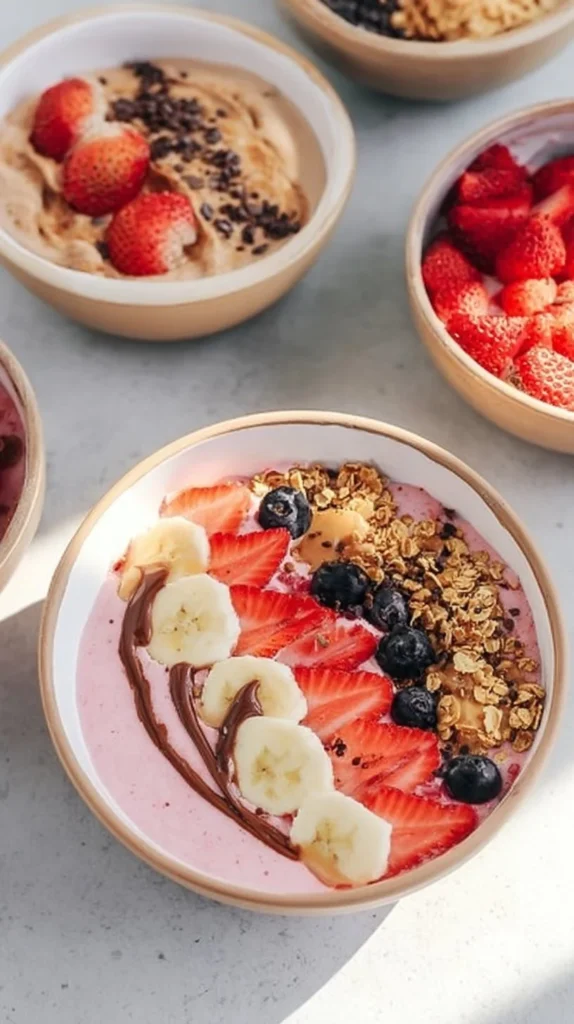
Thick and Creamy Smoothie Bowl
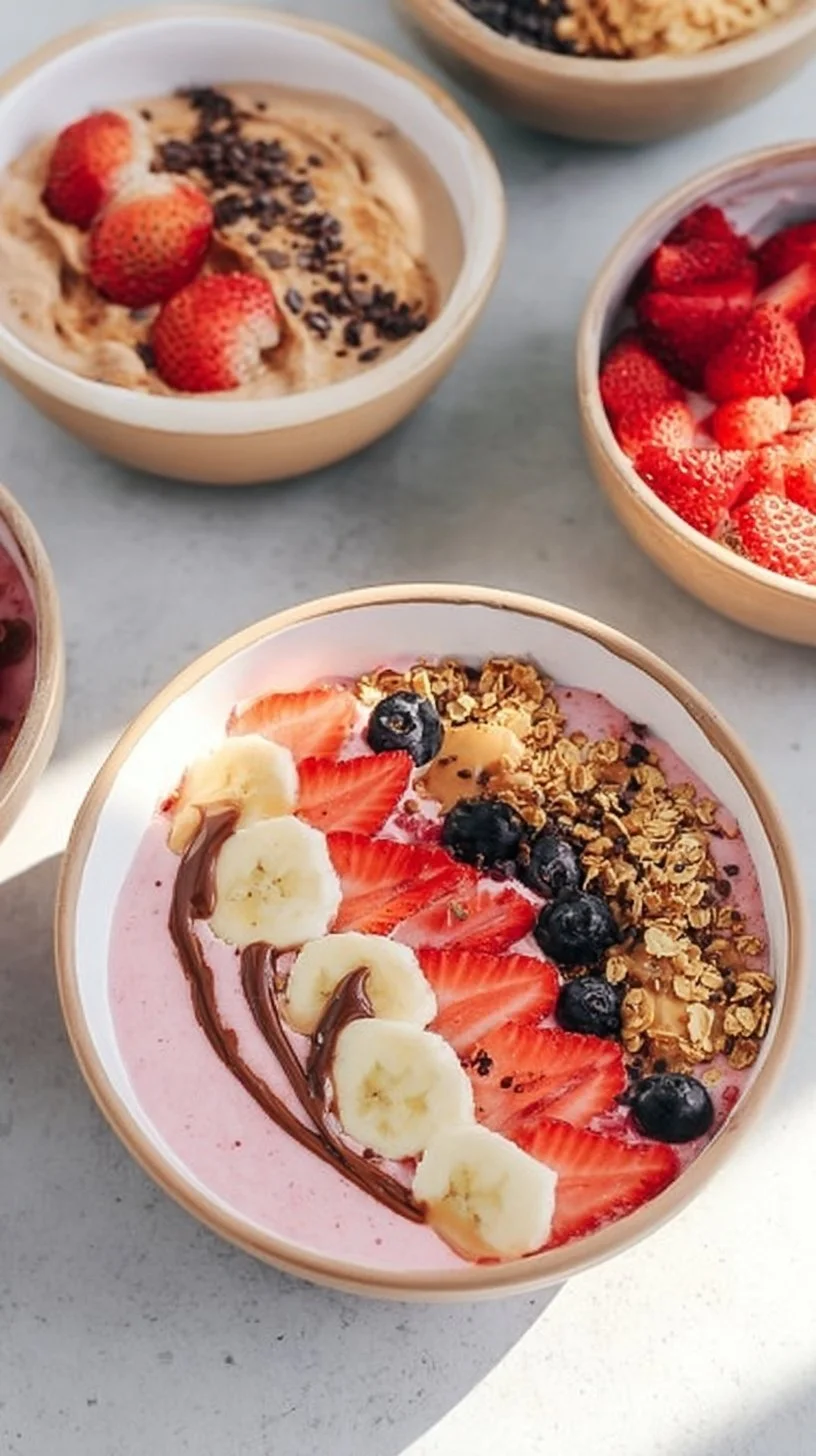
As someone who enjoys food that supports daily energy without weighing you down, I’m drawn to recipes that are straightforward, flexible, and genuinely satisfying. This Thick and Creamy Smoothie Bowl is exactly that kind of dish. It’s spoonable and comforting like a dessert, but simple and fresh enough to eat for breakfast, a light lunch, or an easy weeknight post-workout refuel. It hits the sweet spot between indulgence and clarity: rich in texture yet airy in feeling.
What makes this recipe work for everyday meals is its balance. The foundation is frozen fruit for body and natural sweetness, yogurt for creaminess and a hint of tang, and milk to loosen everything just enough. Toppings add crunch, chew, and a sense of ritual that makes a bowl feel intentional—without adding complication. If you want something that’s quick, adaptable, and reliably pleasing, this smoothie bowl deserves a place in regular rotation.
How this recipe fits into a balanced lifestyle
This bowl is designed to support moderation and enjoyment rather than restriction. It’s portion-conscious by nature: a single bowl feels like a full, composed plate. You get fruit, dairy (or a plant alternative), and a smattering of fats and fiber from toppings—all elements that help a meal sit well without being heavy.
It feels lighter because of the ingredients and the way they’re prepared. Frozen fruit creates a dense, satisfying texture without needing added thickeners. Yogurt adds creaminess and a tactile richness that’s different from adding oil or large amounts of nut butter. The toppings—granola, fresh fruit, seeds, nuts, coconut—are applied in modest amounts and contribute variety rather than volume. That combination maintains flavor depth and keeps the experience enjoyable and filling.
This bowl fits naturally into a varied weekly routine: it’s quick enough for weekday mornings, portable enough to prep parts ahead for lunches, and casual enough for a relaxed weekend brunch. Because it’s not fussy, you can repeat it often without it feeling like a chore.
How to make Thick and Creamy Smoothie Bowl
Overall, the flow is simple: assemble, blend, and build your bowl. The most important moments are choosing the right frozen fruit and adjusting the liquid so the texture ends up thick rather than soupy. Simplicity matters most at the start—use quality frozen fruit and a yogurt you enjoy. From there, it’s a brief blending session and a calm few minutes for topping.
Approach this recipe without overthinking. Treat it like a canvas: the base gives you texture and flavor; the toppings provide contrast and interest. Give yourself permission to keep portions reasonable and toppings varied. The goal is immediate satisfaction that still leaves you feeling clear and ready for the next part of your day.
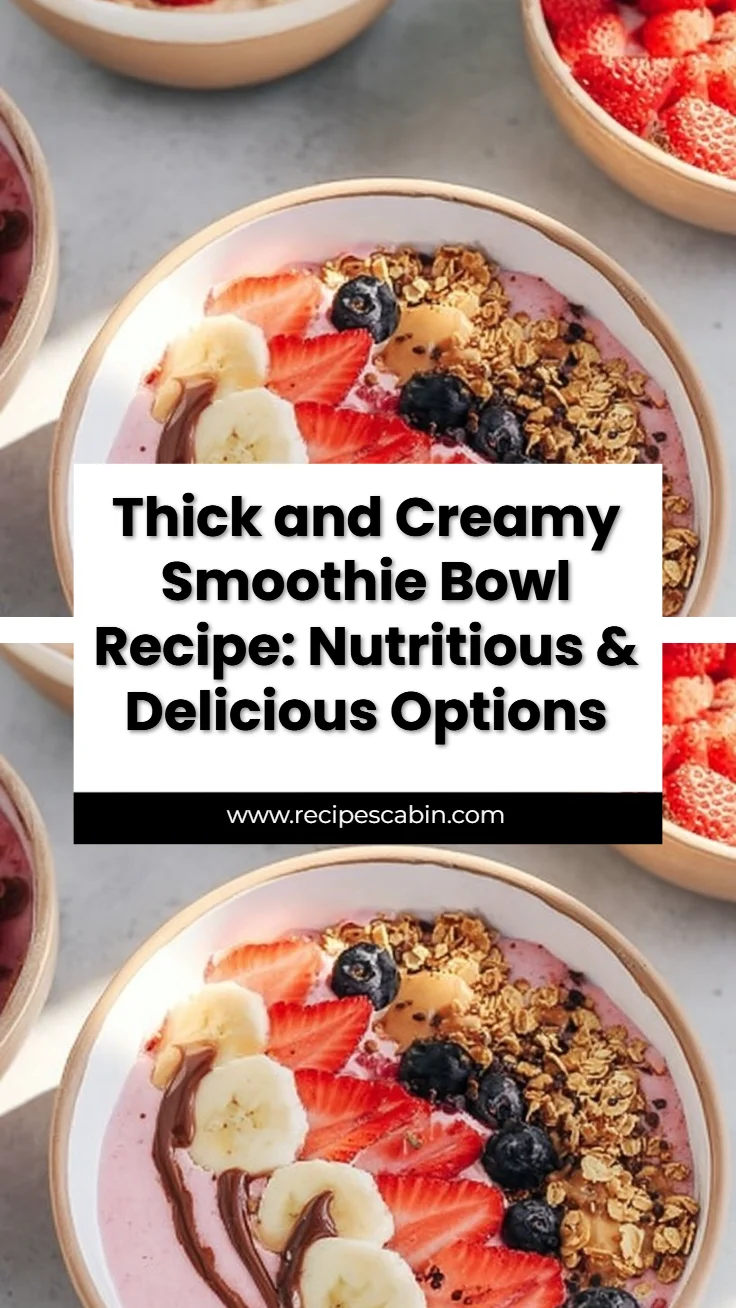
Ingredients
2 cups frozen fruit (e.g., bananas, berries, mango), 1/2 cup yogurt (or plant-based alternative), 1 cup almond milk (or dairy milk), 1 tablespoon honey (optional), Toppings: granola, fresh fruit, seeds, nuts, coconut flakes
Each ingredient plays a straightforward role here. The frozen fruit is the structural backbone: it provides volume, a naturally concentrated sweetness, and the frosty texture that makes this a “bowl” rather than a drink. Using frozen bananas, berries, or mango keeps the base dense without the need for ice, which can water things down.
Yogurt contributes creaminess and a subtle tang that balances sweet fruit. You can opt for a plant-based yogurt if you prefer—choose one with a texture you like because it makes a difference in the final mouthfeel. Almond milk (or another milk) loosens the blend and controls consistency; start with less and add more only if you need it.
Honey is optional but helpful if your fruit isn’t as sweet as you’d like. A tablespoon goes a long way and allows you to fine-tune the flavor without overwhelming the bowl.
Toppings are where the dish becomes personal. Granola offers crunch and toasted flavor; fresh fruit brightens the bowl and adds freshness; seeds and nuts bring healthy fats and a satisfying chew; coconut flakes contribute a light, fragrant finish. Mindful choices here—small amounts of a few textural elements—create a balanced bowl that feels complete.
Directions
- In a blender, combine the frozen fruit, yogurt, and almond milk., 2. Blend until smooth and creamy, adding more milk if necessary to achieve desired consistency., 3. Pour the smoothie mixture into a bowl., 4. Add your favorite toppings such as granola, fresh fruit, seeds, nuts, and coconut flakes., 5. Serve immediately and enjoy!
The numbered steps above are intentionally minimal because this recipe doesn’t require a long method. A few practical tips around them make the difference between a silky bowl and one that’s under- or overworked:
What to look for as you cook: As the blender runs, watch the texture. It should move from chunky to thick and velvety. If your blender struggles, pause, scrape down the sides, and continue. A high-powered blender will make the process quicker, but patience works too.
How to avoid overcomplicating the process: Resist the urge to add a lot of extra liquid early on. Start with the cup of almond milk in the ingredient list, then add a tablespoon at a time if needed. You want a spoonable, not pourable, consistency.
Signs the dish is coming together properly: The finished base should hold its shape briefly when scooped into a bowl and have a creamy surface rather than a runny one. When you add toppings, the base should support them without sinking.
Serve immediately so textures are at their best: the contrast between frosty base and crunchy toppings is part of the appeal.
The role of preparation in keeping this dish light
Preparation choices influence how satisfying a meal feels without adding heaviness. With this smoothie bowl, there’s no cooking required, but the way you prepare ingredients matters:
Frozen fruit selection: Using fruit that’s been properly frozen (not full of ice crystals) yields a dense texture rather than a watery one. Slice bananas before freezing so they blend smoothly; flash-freeze berries on a tray to prevent clumping.
Yogurt texture: A thicker yogurt gives body to the bowl. If you prefer a lighter yogurt, consider straining it slightly for a firmer texture, or use a smaller spoonful of a richer variety.
Topping prep: Toasting nuts or seeds briefly in a dry pan adds depth without adding heaviness. Fresh fruit should be bright and slightly acidic to cut through the bowl’s creaminess—think berries or sliced kiwi rather than more sweetened fruit.
Technique—how you blend and the order you add ingredients—matters nearly as much as what’s in the fridge. Start with the frozen fruit and yogurt so the blender encounters a solid base, then pour in milk gradually to find the right texture.
Simple ways to adjust without losing balance
There are many sensible tweaks that let you personalize the bowl without tipping the balance:
Change the fruit combination: Swap mango for mixed berries, or use half banana and half strawberry to adjust natural sweetness. The key is keeping the total frozen fruit at 2 cups so texture remains consistent.
Swap yogurt types: If you prefer plant-based options, choose a thicker coconut or almond yogurt to preserve creaminess. Plain yogurt reduces sweetness and lets fruit flavor shine, while vanilla-flavored versions make the bowl feel more dessert-like—use sparingly.
Tweak the sweetener: The recipe lists 1 tablespoon of honey as optional. Try it only if needed; ripe frozen fruit is often sweet enough. Alternatively, mash a frozen banana into the blend for extra sweetness and body without adding sugar.
Rethink toppings for occasion: For a mid-day snack, a sprinkle of seeds and a few almonds keeps things light. For a relaxed weekend breakfast, add a modest handful of granola and a drizzle of nut butter. The goal is contrast, not overload.
These adjustments preserve the spirit of the recipe: texture-forward, flavor-practical, and balanced by portion.
Pairing ideas for a complete, well-rounded meal
A smoothie bowl can be standalone or part of a small composed meal. Because it’s light yet filling, pairings should complement without creating heaviness:
Light protein: A soft-boiled egg or a small portion of cottage cheese adds savory contrast without overshadowing the bowl.
Toast option: A slice of whole-grain toast with a thin smear of nut butter provides chew and extra staying power.
Simple side salad: A tiny salad of mixed greens with citrus segments and a drizzle of olive oil balances the bowl with fresh, leafy texture.
Beverage: A cup of green tea, a simple brewed coffee, or a sparkling water with lemon are natural choices that keep the meal refreshing.
Think about textures and flavors: if the bowl is very sweet, add something savory or acidic on the side; if it’s more tart, choose a creamy accompaniment.
Storage, leftovers, and next-day enjoyment
Smoothie bowls are best enjoyed immediately, but you can manage leftovers thoughtfully:
Short-term storage: If you have leftover base, transfer it to an airtight container and freeze in single-portion molds or small jars. The texture will firm up in the freezer; let it thaw briefly on the counter or in the fridge before scooping.
Refrigeration: Because the base contains dairy (or plant-based yogurt), I don’t recommend storing a blended bowl in the fridge for more than 24 hours—the texture and flavor shift quickly. If you must refrigerate, expect it to become looser; stirring and a few minutes on the counter can help.
Rebuilding: If toppings become soggy, keep them separate until serving. Granola and toasted nuts maintain crunch best in a sealed container. Fresh fruit can be added at the last minute.
Reheating tips: This isn’t a dish you heat. Instead, adjust texture by adding a tablespoon of cold milk and stirring, or let frozen portions sit at room temperature for 10–15 minutes before scooping.
Overall, plan to make just what you’ll eat, or portion the base into freezer-friendly servings for easy future bowls.
Common questions about lighter everyday cooking
Q: How much should one bowl count as in a meal plan?
A: Think of this as a light-to-moderate meal. Pair with a small protein or whole-grain side if you expect to need longer-lasting energy. The bowl itself is balanced in terms of fruit, dairy, and fat from toppings, but everyone’s needs differ.
Q: How do I keep from getting bored if I eat this often?
A: Rotate your toppings and fruit combinations. Swap in different seeds, try toasted coconut one day and cocoa nibs the next, or alternate between berry- and tropical-fruit bases for variety.
Q: Can I prep components ahead of time?
A: Yes. Freeze individual portions of fruit and keep toppings in separate jars. You can also pre-portion yogurt into small containers for grab-and-go mornings.
Q: Is this appropriate after a workout?
A: It can be—especially when you add a protein-rich topping like Greek yogurt, cottage cheese on the side, or a spoonful of nut butter. The combination of carbs and some fat helps with refueling.
Q: How do I make the texture consistently thick?
A: Use fully frozen fruit and limit added liquid. If your blender doesn’t pulverize frozen fruit well, let the fruit sit out for 5 minutes before blending or pulse slowly while scraping down the sides.
These practical tips help the bowl stay interesting and reliably satisfying.
Final thoughts from Daniel
I encourage you to treat this Thick and Creamy Smoothie Bowl as a flexible template rather than a strict formula. Its simplicity is the point: a few good ingredients, a modest amount of attention, and you have a meal that feels both comforting and light. Cooking intuitively—tasting, adjusting, and keeping portions mindful—will help you make this bowl your own without losing the qualities that make it work for everyday life.
Balance is flexible. Some days the bowl will be a quick, light breakfast; other times it becomes a relaxed brunch centerpiece. Either way, it earns a regular spot because it’s fast, dependable, and naturally satisfying. Keep it simple, pick ingredients you enjoy, and let the texture do the heavy lifting.
Conclusion
If you’d like a few ideas on technique and presentation, this guide from How to Make a Thick Smoothie Bowl – The Hint of Rosemary offers practical variations. For troubleshooting tips when your base turns out too thin, see this step-by-step article on How to make a thick smoothie bowl (No Ice, Never Watery). For a short, visual reference on texture and topping balance, I also like the accessible notes at How to Make Thick Smoothie Bowls – Sunkissed Kitchen. And if you’re looking for a finished recipe to inspire a specific flavor profile, this Strawberry Banana Smoothie Bowl – Naturallie Plant-Based is a nice example to study.
Thick and Creamy Smoothie Bowl
Ingredients
Method
- In a blender, combine the frozen fruit, yogurt, and almond milk.
- Blend until smooth and creamy, adding more milk if necessary to achieve desired consistency.
- Pour the smoothie mixture into a bowl.
- Add your favorite toppings such as granola, fresh fruit, seeds, nuts, and coconut flakes.
- Serve immediately and enjoy!