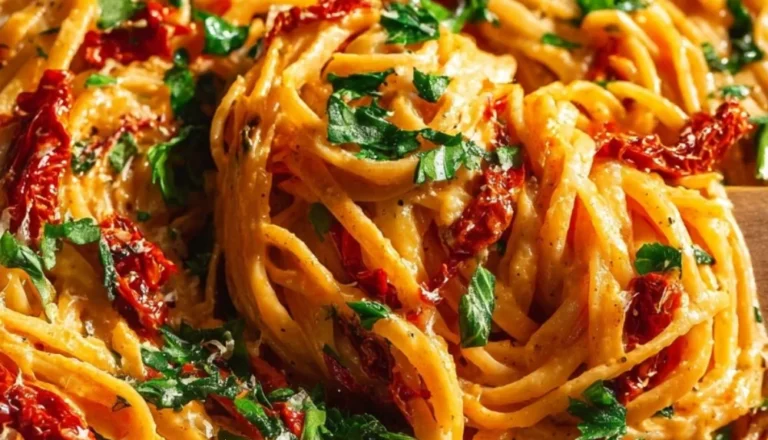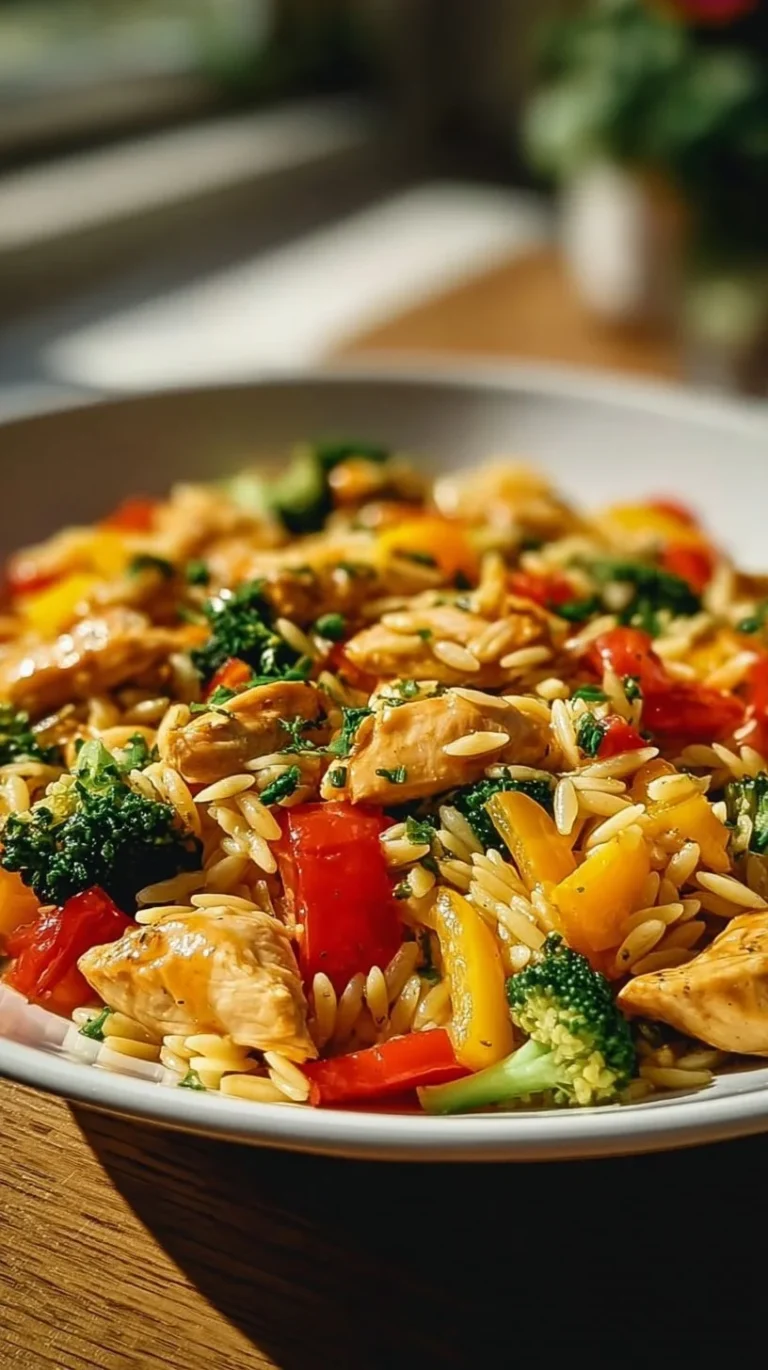
Creamy Vegan Marry Me Pasta That’ll Steal Your Heart
Introduction
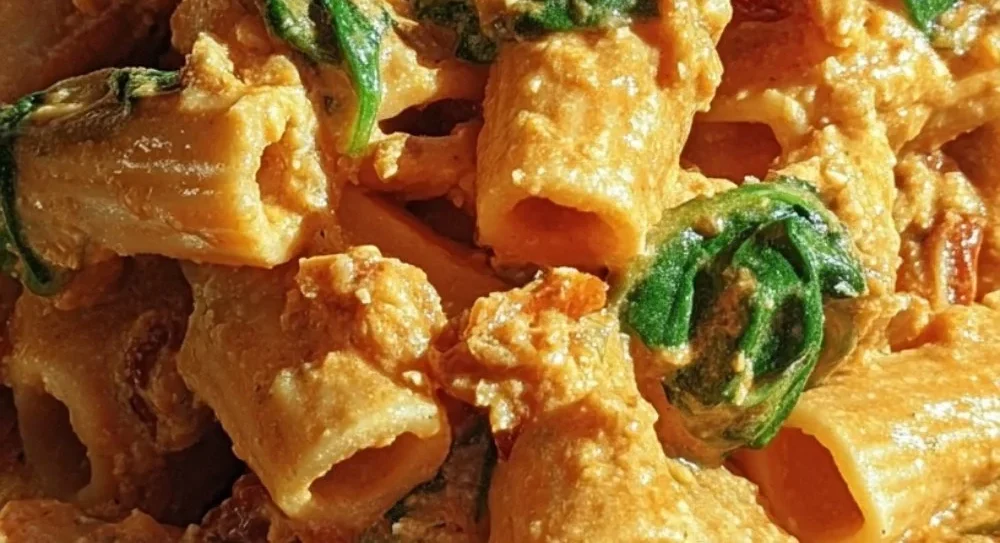
This creamy, plant-based take on a now-famous pasta — Creamy Vegan Marry Me Pasta That’ll Steal Your Heart — is the kind of recipe I come back to when I want dinner that feels thoughtful without being fussy. It brings together familiar pantry ingredients and a short list of vegetables into a silky sauce that clings to every strand of pasta. There’s comfort here: creaminess, garlic, and a hint of heat — but it doesn’t leave you feeling weighed down. That balance is exactly what I aim for in everyday cooking.
It’s a solid weeknight choice because it moves quickly and doesn’t demand special equipment or long planning. It also works well for lunch meal prep; portion it into containers and pair with a light salad for a satisfying midweek meal. If you like, browse this small note about recipe context in my kitchen to see how I think about repeating meals responsibly: kitchen note and disclaimers.
How this recipe fits into a balanced lifestyle
Balanced eating, for me, is about consistency and pleasure. This recipe supports that approach by combining a modest portion of pasta with vegetables and a sauce that’s rich in flavor but not in unnecessary heaviness. The coconut milk gives creaminess without dairy, and nutritional yeast adds a savory, cheesy profile without overcomplicating the plate. Those choices make it feel lighter in the mouth while keeping the dish emotionally satisfying.
In practice, this meal fits naturally into a weekly routine where variety matters. Have it alongside a roasted vegetable one night, a crisp green salad the next, and small bowls of pickled crudités a few days later. If you’re planning multiple dinners, a short note on keeping expectations realistic and rotating recipes can be helpful — I keep a simple weekday checklist to avoid decision fatigue: weekday recipe checklist.
The idea isn’t restriction. It’s a reliable template: comforting flavors, thoughtful portions, and ingredients that play well together so you don’t need to pile on extras to feel satisfied.
How to make Creamy Vegan Marry Me Pasta That’ll Steal Your Heart
Overall, the cooking flow is straightforward: cook the pasta, sauté aromatics and vegetables, build the sauce in the same pan, then combine with the pasta and finish with greens and herbs. Simplicity matters most where it speeds the process and protects texture — for example, don’t overcook the bell pepper if you want a slight bite, and time the spinach so it wilts but stays bright.
When you approach this recipe, think in short stages. Stage one is pasta and mise en place (chop once, cook once). Stage two is building base flavor with garlic and onion. Stage three is layering cream and broth into a sauce, then finishing with spinach and seasoning. Each stage has a clear goal and a few visual cues to watch for, which helps keep the cooking calm and predictable. If you’re curious about how I balance flavor and technique across my week, I keep some core notes that might help you adapt this: basic kitchen notes.
Ingredients
12 oz Pasta (Feel free to substitute with gluten-free pasta if needed.), 1 tablespoon Olive Oil (You can use any neutral oil as an alternative.), 4 cloves Garlic, minced (Adjust the amount for less pungency.), 1 medium Onion, chopped (Shallots can be swapped in if preferred.), 1 Bell Pepper, sliced (Zucchini or another veggie can replace it.), 2 cups Baby Spinach (Can substitute with kale or Swiss chard.), 1 can Coconut Milk (Use almond or cashew cream as alternatives.), 1 cup Vegetable Broth (Use homemade or store-bought, and water can substitute in a pinch.), 2 tablespoons Nutritional Yeast (Omit if allergic or substitute with a vegan cheese option.), 1 tablespoon Italian Seasoning (Fresh herbs like basil or oregano can also be used instead.), Salt and Pepper (Adjust to suit your taste preferences.), Red Pepper Flakes (Optional for a spicy kick.), Fresh Basil or Parsley (For garnish, optional but recommended.)
- 12 oz Pasta: The base and source of comfort. Using a slightly thicker pasta (penne, fusilli, or rigatoni) helps the sauce cling; if you prefer a lighter feel, choose a pasta shape that traps less sauce or reduce the portion slightly.
- 1 tablespoon Olive Oil: For sautéing aromatics. It imparts gentle flavor and helps develop the onion and garlic without adding heaviness.
- 4 cloves Garlic, minced: Garlic builds forward savory flavor. If you want a subtler profile, use fewer cloves or add half at the start and half at the end.
- 1 medium Onion, chopped: Adds sweetness and depth when soft and translucent; avoid browning it too darkly to keep the sauce bright.
- 1 Bell Pepper, sliced: Contributes texture, color, and mild sweetness — a simple way to increase vegetable presence.
- 2 cups Baby Spinach: Adds freshness and a silky mouthfeel when wilted into the warm sauce; it’s an easy way to stretch the dish with more nutrients and color.
- 1 can Coconut Milk: The creamy backbone that gives richness without dairy. Use the lighter variety if you want less perceived weight, or full-fat for a more indulgent finish.
- 1 cup Vegetable Broth: Thins the sauce to the right consistency and layers in savory depth.
- 2 tablespoons Nutritional Yeast: Provides a savory, cheeselike umami that keeps the sauce flavorful without dairy.
- 1 tablespoon Italian Seasoning: A blend that brings herbaceousness; swap with fresh herbs for a brighter, fresher finish.
- Salt and Pepper: The simplest and most important finishing touches — taste as you go.
- Red Pepper Flakes: Optional, but a small pinch adds contrast and keeps the palate engaged.
- Fresh Basil or Parsley: Brightens the dish at the end and makes a simple plate feel special.
Choosing straightforward, familiar ingredients like these makes the recipe easy to repeat. Each item serves a purpose — texture, richness, brightness — and together they achieve balance without relying on heavy additions.
Directions
Step-by-Step Instructions
Rather than adding new steps, here are the practical cues and supportive guidance to carry you through the directions already provided in the recipe source. Think of these notes as checkpoints as you complete each step.
- Pasta stage: Cook the pasta until al dente. Drain but reserve a small cup of the pasta water — that starchy water is an easy way to loosen the sauce if it seems too thick later. You should see tension when you bite into the pasta, a slight resistance rather than a soft finish.
- Aromatics stage: When sautéing the onion and garlic, do so over medium heat. You want the onion translucent and soft, not browned. The garlic should bloom and smell fragrant but not go bitter; if garlic browns too quickly, lower the heat and add a splash of broth to cool the pan.
- Vegetable stage: Add the bell pepper and cook just until tender-crisp unless you prefer it softer. The goal is to keep some texture; overcooked vegetables can make the whole dish feel mushy.
- Sauce building: When you add the coconut milk and vegetable broth, bring the mixture to a gentle simmer and let it reduce slightly so the flavors concentrate. Stir in the nutritional yeast and Italian seasoning; these dissolve and thicken the sauce, creating that familiar creamy mouthfeel.
- Finishing stage: Stir the cooked pasta and spinach into the sauce off the heat or on very low heat to wilt the greens without breaking them down. Taste and adjust salt, pepper, and red pepper flakes here. If the sauce seems heavy, a tablespoon or two of reserved pasta water will help lift and lighten the texture.
- Visual checks: The sauce should cling to the pasta, not pool at the bottom of the pan. The vegetables should retain color and shape, and the spinach should be bright green and just wilted.
These cues will help you follow the base directions without overcomplicating the process. Keep your workspace organized, taste as you go, and remember that small adjustments — a squeeze of lemon, an extra herb sprig — can personalize the recipe without altering its structure.
The role of preparation in keeping this dish light
Preparation choices influence how heavy or light a dish feels. Simple steps like not over-reducing a creamy sauce, stopping pasta at al dente, and timing vegetables so they keep some bite all create a fresher, lighter impression. Using coconut milk instead of butter or heavy cream reduces dairy richness while still delivering a satisfying mouthfeel. Likewise, bulk-building with vegetables like bell pepper and spinach increases volume and satiety without extra calories or heaviness.
Technique matters: sauté at the right heat, don’t rush reductions into a sticky mess, and fold pasta into the sauce so each piece is coated but not swimming. Those small technical details are often what separate a dish that feels heavy from one that feels composed and lively.
Simple ways to adjust without losing balance
There are subtle, practical ways to adapt this recipe while preserving its lighter spirit:
- Swap pasta shape: A spiral or shell will capture more sauce; if you want less creaminess per bite, choose spaghetti or thin linguine.
- Adjust creaminess: Use a lighter coconut milk or dilute with extra vegetable broth to make the sauce looser and less rich.
- Boost brightness: Finish with a splash of lemon juice or a few tablespoons of chopped fresh herbs to lift the flavors.
- Add protein mindfully: Fold in chickpeas or white beans for extra staying power; they pair well without making the dish feel heavy when used in moderation.
- Spice control: Use red pepper flakes sparingly; spice sharpens perception of richness and can make a creamy dish feel more balanced.
These adjustments are conceptual — they don’t change the base ingredients or the recipe steps, but they let you tailor the meal to the occasion, whether you want something lighter for a midday meal or a slightly richer dinner.
Pairing ideas for a complete, well-rounded meal
To make this a full plate without excess, think contrast and balance:
- Light salads: A simple lemony arugula salad or mixed greens with a vinaigrette provides freshness and acidity to cut the creaminess.
- Roasted vegetables: Oven-roasted broccoli, cauliflower, or cherry tomatoes add texture and caramelized flavor without making the meal heavy.
- Crisp elements: A small side of pickled cucumbers or a fennel slaw introduces crunch and acidity.
- Bread choice: If you want bread, pick a thin slice of toasted whole-grain bread rather than a heavy loaf. A small piece of grilled flatbread works well if you want something to sop up sauce.
- Beverage: Sparkling water with citrus or a light white wine can complement the flavors without overpowering them.
Pair thoughtfully: the goal is to add complementary textures and tastes rather than more of the same richness.
Storage, leftovers, and next-day enjoyment
This pasta keeps well for 2–3 days in the refrigerator. Store in an airtight container and try to separate any raw garnishes (like fresh basil) until serving. The sauce can thicken in the fridge — that’s normal. When reheating, add a splash of vegetable broth or a little reserved pasta water to loosen the sauce and warm gently on the stovetop to preserve texture. Microwaving is fine in a pinch, but stir frequently and add a tablespoon of liquid to keep the pasta moist.
Leftovers make a great lunch; pack with a small crisp side salad to make the meal feel fresh. If you want to repurpose the dish, fold in extra fresh greens or use it as a filling for stuffed peppers for a different texture profile.
Common questions about lighter everyday cooking
- How much pasta is a reasonable portion? A good rule is about 2 to 3 ounces (by dry weight) per person if you’re serving sides; this recipe’s 12 oz suits 4 people with a vegetable side or 3 people if you want larger portions.
- How do I avoid boredom when repeating meals? Small variations — different herbs, a lemon finish, a change in pasta shape, or an added legume — keep the core comfort of a recipe while making each meal feel new.
- Is “lighter” just about cutting calories? Not necessarily. It’s often about perceived heaviness, balance on the plate, and ingredient choices that give you satiety without sluggishness.
- Can I meal-prep this? Yes. Store portions separately from fresh herbs and crunchy sides. Reheat gently to maintain texture.
These practical considerations help you make this dish a repeatable, enjoyable option in a real, busy life.
Final thoughts from Daniel
I like this recipe because it captures the essence of everyday cooking: it’s flavorful, forgiving, and adaptable. The creaminess comes from a plant-based source, the vegetables add freshness, and the technique is straightforward enough to fit into a busy evening. Cook it without perfectionism — taste, tweak, and let it become one of those steady, reliable meals in your rotation.
Balance in the kitchen is flexible. Sometimes dinner is indulgent; sometimes it’s light. This pasta sits comfortably between those poles, giving you a meal that’s both pleasing and practical. Give it a try, make small personal adjustments, and let it become a go-to that supports your week with steady satisfaction.
— Daniel Brooks
Conclusion
If you want to compare variations or see another plant-based approach to the same idea, these versions are useful for inspiration: Jessica’s quick vegan take in “Marry Me Pasta (20-Minute Vegan Dinner!)” shows a speedy preparation that highlights timing and simplicity (Marry Me Pasta (20-Minute Vegan Dinner!) | Jessica in the Kitchen). For a different plant-forward spin and useful tips, take a look at the “Marry Me Pasta” adaptation on PlantYou (Marry Me Pasta – PlantYou). And for a fun twist that swaps the pasta form while preserving the core flavors, the “Marry Me Tortellini” idea is worth browsing (Marry Me Tortellini – Grilled Cheese Social).

Creamy Vegan Marry Me Pasta
Ingredients
Method
- Cook the pasta until al dente. Drain and reserve a small cup of the pasta water.
- Sauté the onion and garlic over medium heat until the onion is translucent and soft.
- Add the bell pepper and cook just until tender-crisp.
- Add the coconut milk and vegetable broth, bring to a gentle simmer, and reduce slightly.
- Stir in the nutritional yeast and Italian seasoning, allowing them to dissolve.
- Stir in the cooked pasta and spinach into the sauce, then taste and adjust with salt, pepper, and red pepper flakes.