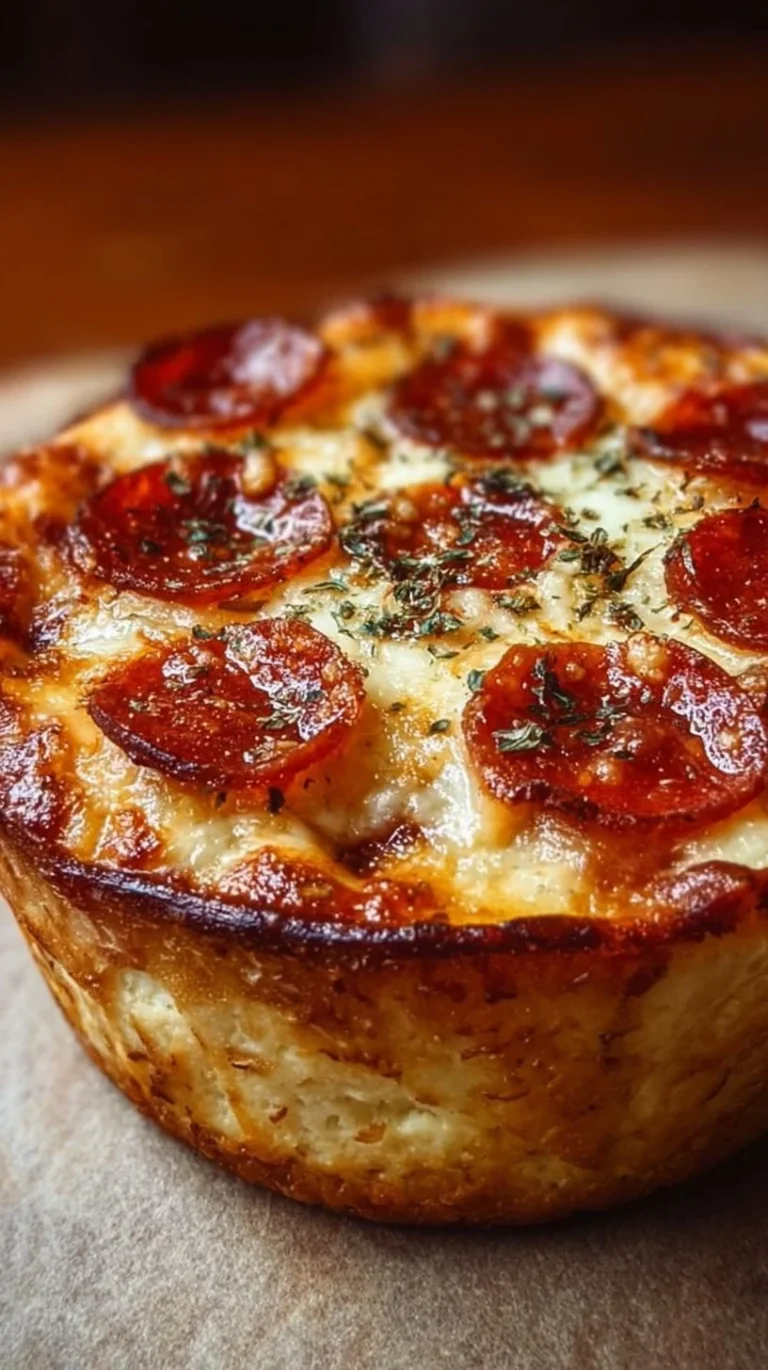
Cottage Cheese Flatbread Pizza

Introduction
Hello — I’m Carla Carter, Founder & Recipe Developer of RecipesCabin. If you’re looking for a simple, satisfying kitchen win, the Cottage Cheese Flatbread Pizza is a brilliant place to start. This recipe is designed for anyone who wants pizza without the fuss of classic dough-making: busy parents, apartment cooks, someone returning to the kitchen after a pause, or anyone who is nervous about “messing up” a first bake. It uses a handful of everyday ingredients and a short, predictable bake time, so you can focus on the fun parts — choosing toppings and enjoying the result.
If you’ve enjoyed easy, weeknight pizzas before, like a favorite BBQ chicken pizza, you’ll feel right at home with this flatbread. I’ll walk you through what to watch for and why each step matters, so you can feel confident from mixing bowl to slicing. Small imperfections are okay — they’re part of home cooking — and I’ll show you how to turn them into something delicious.
Why this recipe is easy to get right
What makes this cottage cheese flatbread approachable is its forgiving nature. The batter is more like a thick mix than a delicate dough, so small variations in texture rarely ruin the end product. Baking time is short and the visual cues are clear: you’re looking for edges that turn golden and a sturdier center to hold toppings. Because it doesn’t require kneading or precise proofing, you can’t “overwork” it in the traditional way that worries many new bakers.
There’s also flexibility in toppings — whether you prefer simple melted cheese or a loaded vegetable and meat combo, the base supports many flavors. If you’ve tried recipes like the BBQ chicken pizza, you’ll appreciate how swapping toppings allows you to explore without changing the base technique. That freedom reduces pressure and makes success more likely on your first try.
How to make Cottage Cheese Flatbread Pizza
Overall, the process is straightforward: mix, shape, bake, top, and finish baking. First, gather your ingredients and preheat the oven — that way the base goes in hot and bakes evenly. You’ll combine cottage cheese with almond flour, an egg, seasonings, and baking powder to create a cohesive batter. Next, spread the mixture into a flat round; it doesn’t need to be perfectly uniform, just an even thickness so it bakes through at the same rate. Pop it in the oven and watch for golden edges — that tells you the base is mostly set.
After the initial bake, remove the flatbread and add your toppings. Return it to the oven just long enough for the cheese to melt and the toppings to warm through. Beginners should slow down at two points: the initial spreading (make the thickness even) and the topping stage (don’t overload with wet ingredients). If you need an easy inspiration for toppings, a simple tomato sauce and shredded mozzarella is a reliable place to start, and if you’d like ideas for hearty toppings, check a recipe like this BBQ chicken pizza for inspiration.
Ingredients
1 cup cottage cheese, 1 cup almond flour, 1 egg, 1/2 teaspoon garlic powder, 1/2 teaspoon onion powder, 1/2 teaspoon salt, 1 teaspoon baking powder, Toppings of choice (e.g., cheese, vegetables, meats)
Each of these ingredients plays a clear and simple role:
- Cottage cheese: This is the binder and moisture source. It makes the base tender and gives a pleasant creaminess. If you worry about texture, know that the baking process firms it up into a sliceable flatbread.
- Almond flour: Provides structure without gluten. It’s naturally slightly grainy, which helps the crust hold together and brown gently.
- Egg: Adds stability and lift. The protein in the egg helps bind the cottage cheese and almond flour into a cohesive base.
- Garlic powder and onion powder: Small amounts of seasoning that give a subtle savory background — nothing overpowering, just cozy flavor.
- Salt: Brings out flavors and balances the dairy.
- Baking powder: Gives a light lift so the crust isn’t dense. It’s a small but important leavening agent.
- Toppings: Everything after the base is optional and adaptable; they’re what make the flatbread into pizza for your tastes.
None of these items are intimidating — they’re common pantry ingredients, and they work together in a simple, predictable way to create a comforting, sliceable pizza base.
Directions
- Preheat the oven to 400°F (200°C).,
- In a mixing bowl, combine cottage cheese, almond flour, egg, garlic powder, onion powder, salt, and baking powder. Mix until well combined.,
- Spread the dough onto a baking sheet lined with parchment paper into a flat round shape.,
- Bake for 15-20 minutes until the edges are golden.,
- Remove from the oven, add your favorite toppings, and return to the oven for an additional 5-10 minutes until the cheese is melted.,
- Slice and serve warm.
Supportive guidance for each step:
- Step 1: Preheat the oven early. A fully preheated oven ensures even baking. You’ll know it’s ready when it reaches the set temperature; most ovens beep or show a light. If your oven runs hot or cool, a simple oven thermometer can help — but it’s not required.
- Step 2: Mixing is straightforward. Use a spoon or spatula to bring the ingredients together. The mixture should look uniform without big clumps of cottage cheese. If it seems very wet, that’s okay — almond flour absorbs some moisture while baking. If it feels crumbly, a quick stir with a fork or a brief mash will help.
- Step 3: Spreading the dough onto parchment makes cleanup easy and helps you shape without sticking. Aim for an even thickness, about 1/4 to 1/2 inch depending on how thick you like the crust. Imperfections at the edges are normal — they’ll brown into rustic charm.
- Step 4: Watch the edges. When they turn golden and the center looks set, it’s ready. The center may still appear slightly soft — that’s expected because you’ll bake it more after toppings.
- Step 5: Add toppings thoughtfully. Less is more with wet ingredients (e.g., sliced tomatoes) — too many can make the crust soggy. Return to the oven just long enough to melt cheese and heat toppings through.
- Step 6: Let the flatbread rest a minute before slicing so it holds together. Slice with a pizza cutter or sharp knife and serve warm.
If your flatbread looks a touch uneven or the edges brown more quickly, little flaws like this won’t affect the taste. You’re allowed to learn as you go — that’s how good home cooking happens.
Key techniques you’ll practice in this recipe
This recipe helps you build a few fundamental kitchen skills:
- Mixing and combining ingredients: You’ll learn how to judge a batter’s texture and make small adjustments with simple movements.
- Shaping dough/batter on a sheet: Controlling thickness and evenness is useful for flatbreads, biscuits, and crackers.
- Visual baking cues: Recognizing when edges are golden and centers are set is transferable to many baking tasks.
- Topping and reheating: Understanding how toppings affect baking time and moisture helps with casseroles and pizzas of all kinds.
These skills are practical and repeatable. Once you recognize the look and feel of a properly baked flatbread, you’ll feel more confident tackling similar recipes.
Common mistakes and how to avoid them
Here are common hiccups and gentle fixes:
- Mistake: Crumbly, dry dough. Reason: almond flour can be absorbent, and cottage cheese curds sometimes sit on top. Fix: Stir a bit longer and mash the cottage cheese into the mixture. If still dry, a small splash of water or another egg yolk (not changing the recipe, but just reporting a conceptual fix) is sometimes suggested — however, for this recipe, thorough mixing usually resolves it.
- Mistake: Soggy center after adding toppings. Reason: too many wet toppings or uneven thickness. Fix: Make the crust slightly thinner in the middle or pat wet toppings (like tomatoes) dry before adding.
- Mistake: Edges brown before center sets. Reason: uneven thickness or oven hotspots. Fix: Press the center slightly thinner and rotate the sheet pan halfway through baking.
- Mistake: Overloaded toppings cause a long reheating time. Reason: too much heavy topping. Fix: Use fewer, well-distributed toppings and pre-cook wet or raw proteins (like sausage or mushrooms) to reduce moisture.
If something goes off track, don’t panic. You can often salvage the bake by adjusting oven time or removing some toppings and crisping the base a bit longer. Small imperfections won’t ruin your meal — they’ll make it homey.
How to adjust confidently without changing the recipe
You may want to scale portions or tweak flavors while keeping the core method the same. Here’s how to think about adjustments conceptually:
- Portion scaling: If you want more flatbreads, double the batch and work in two rounds if your sheet pans are small. Baking time per flatbread stays similar; just give each its own space on the pan.
- Flavor preferences: You can change the seasoning profile (for example, adding dried herbs) but keep the quantities modest so the base structure isn’t overwhelmed. The listed seasonings are balanced for a mild, savory backdrop.
- Texture tweaks: If you like a crisper crust, press the base thinner and bake a couple of minutes longer before adding toppings. For a softer, chewier base, keep it slightly thicker and watch for the center to set.
These are conceptual tweaks — they don’t change the ingredients or steps, but they help you adapt confidently depending on what you like.
Serving, storage, and reheating made simple
Serving: Slice and serve warm. A simple green salad or steamed vegetables make a nice, calming side. If you’re serving to others, place toppings on the side and let guests choose — it’s a friendly, low-pressure way to present the meal.
Storage: Cool leftover flatbread to room temperature within two hours, then transfer to an airtight container and refrigerate. It will keep well for 2–3 days. For longer storage, wrap slices in foil and freeze; they’ll keep for up to a month.
Reheating: Reheat gently so the crust stays pleasant. Oven or toaster-oven reheating at 325°F (160°C) for 8–12 minutes restores crispness. In a pinch, a skillet on medium heat for a few minutes per side works; cover briefly to melt cheese if needed. Avoid microwaving if you want to keep the crust texture — it will make it soft.
Questions new cooks often ask about this recipe
- How will I know the base is done after the first bake? Look for golden edges and a center that looks set (not jiggly). A slight softness is okay because it will firm a bit more when topped.
- Do I need special equipment? No — a mixing bowl, spatula, baking sheet, and oven are all you need. Parchment paper helps prevent sticking but isn’t mandatory.
- Is it normal if the cottage cheese is lumpy in the mix? Yes — baking smooths it out. If lumps bother you, briefly pulse the cottage cheese in a blender beforehand, but it’s not required.
- Can I use a different flour? This recipe is written for almond flour. Substituting flours can change texture significantly, so it’s best to follow the recipe for your first try.
- What if my toppings are cold from the fridge? That’s fine. Just be aware cold toppings can slightly increase the reheating time, so watch for melted cheese rather than a strict timer.
If something feels uncertain, take a breath and check visual cues rather than worrying about exact seconds. Visuals and textures are your best guide.
Final encouragement from Carla
You don’t need perfect tools or experience to make a lovely Cottage Cheese Flatbread Pizza. Follow the easy steps, watch the crust for golden edges, and choose toppings you love. Cooking is a practice — each time you try a recipe you learn a little more. Celebrate the progress, not perfection. I promise that with this straightforward method you’ll build confidence and enjoy a delicious result. Keep experimenting gently, and remember: small mistakes are how we learn to be better cooks.
Conclusion
If you’d like a couple of additional takes on the idea of cottage cheese flatbreads, these two recipes provide helpful variations that can inspire toppings and technique: Cottage Cheese Flatbread Recipe – The Protein Chef and Cottage Cheese Flatbread Pizza | Clean Food Crush. They’re great for seeing different ways home cooks are using this adaptable base.

Cottage Cheese Flatbread Pizza
Ingredients
Method
- Preheat the oven to 400°F (200°C).
- In a mixing bowl, combine cottage cheese, almond flour, egg, garlic powder, onion powder, salt, and baking powder. Mix until well combined.
- Spread the mixture onto a baking sheet lined with parchment paper into a flat round shape.
- Bake for 15-20 minutes until the edges are golden.
- Remove from the oven, add your favorite toppings, and return to the oven for an additional 5-10 minutes until the cheese is melted.
- Slice and serve warm.