33g Protein Viral High-Protein “Marry Me” Shrimp Pasta Bliss
Introduction
Hello — I’m Carla Carter, Founder & Recipe Developer of RecipesCabin. If you’re looking for a comforting, high-protein pasta that feels indulgent but is actually straightforward to make, this 33g Protein Viral High-Protein “Marry Me” Shrimp Pasta Bliss is for you. It’s built for home cooks who want a reliably delicious dinner without complicated techniques or intimidating steps. Whether you’re a total beginner or someone who’s burned dinner a time or two, I’ll walk you through this recipe the way I would standing beside you at the stove: calmly, clearly, and with plenty of encouragement.
This recipe is approachable because it uses a short list of familiar ingredients and clear, sequential actions. It rewards attention to small cues — the color of the shrimp, the thickness of the cream — rather than perfect timing or precise measurements. That means you can learn important kitchen skills and end up with a dinner that feels special, even on a weeknight.
Why this recipe is easy to get right
There are a few reasons this shrimp pasta is forgiving. First, shrimp cooks quickly and shows clear visual signs when it’s done: it turns pink and curls slightly. That makes it easy to tell when to stop cooking. Second, the cream-and-Parmesan sauce is thick and forgiving; if it’s a touch thinner or thicker than you expected, you can easily adjust by simmering a little longer or stirring in a splash of reserved pasta water (if you have it). Third, the flavors are simple and balanced — garlic, a touch of heat from red pepper flakes, salty Parmesan — so small measurement changes won’t wreck the dish.
Where flexibility is allowed: the exact doneness of pasta can be adjusted to taste (al dente or a touch softer), and the level of pepper flakes can be increased or decreased without changing the structure of the dish. Where precision helps: don’t overcook the shrimp and don’t let the cream boil hard — gentle simmering keeps the sauce smooth and silky. These are easy checkpoints that make success likely even for new cooks.
How to make 33g Protein Viral High-Protein “Marry Me” Shrimp Pasta Bliss
The overall process is straightforward and happens in three main stages: cook the pasta, sear the shrimp and build the sauce, then combine and finish.
First: Bring a pot of salted water to a boil and cook the fettuccine. This is simple, but it’s where you’ll set the pace. Stir the pasta occasionally so it doesn’t stick and test it a minute or two before the package time to hit your preferred texture.
Next: While the pasta cooks or right after you drain it, heat olive oil in a skillet and gently sauté garlic and red pepper flakes. Then add the shrimp and cook until pink — this should be quick, usually a couple of minutes per side. Once shrimp are cooked, you’ll pour in the heavy cream and bring the sauce to a gentle simmer, then melt in the Parmesan. The sauce will thicken and become glossy; watch for that change.
Last: Toss the cooked pasta with the sauce and shrimp so everything is evenly coated. Finish with salt, black pepper, and a sprinkle of fresh parsley for a bright, fresh note.
Where to slow down: when sautéing garlic and when simmering the cream. Garlic can turn from fragrant to bitter quickly if it browns, and cream can split if it’s boiled vigorously. Gentle heat and attentive stirring will keep things smooth.
Ingredients
12 oz large shrimp, peeled and deveined, 8 oz fettuccine pasta, 1 cup heavy cream, 1/2 cup grated Parmesan cheese, 3 cloves garlic, minced, 1 tbsp olive oil, 1 tsp red pepper flakes, 1/2 tsp salt, 1/4 tsp black pepper, 1 tbsp fresh parsley, chopped
- 12 oz large shrimp, peeled and deveined: Shrimp brings concentrated seafood flavor and most of the protein in this dish. Because they are large and already cleaned, they cook evenly and provide a satisfying texture. When they turn pink and slightly curl, that’s your visual cue that they’re done.
- 8 oz fettuccine pasta: Fettuccine is a wide noodle that catches the creamy sauce nicely. Pasta is the vehicle here — it soaks up flavor and makes the dish comforting and filling.
- 1 cup heavy cream: Heavy cream forms the base of the sauce, giving it a rich, silky mouthfeel. It thickens as it simmers and carries the Parmesan into a smooth coating.
- 1/2 cup grated Parmesan cheese: Parmesan adds saltiness, umami, and helps thicken the sauce as it melts. Grated cheese integrates more easily than chunks.
- 3 cloves garlic, minced: Garlic gives aromatic depth. Minced garlic releases flavor quickly, so watch it closely while sautéing.
- 1 tbsp olive oil: Olive oil is used for sautéing; it carries flavor and prevents sticking. Use a moderate heat to avoid smoking.
- 1 tsp red pepper flakes: These provide a gentle heat that brightens the cream. They’re easy to adjust — add less if you prefer mild, more if you like a kick.
- 1/2 tsp salt: Salt seasons the whole dish. The shrimp and Parmesan are salty, so this moderate amount ties flavors together without over-salting.
- 1/4 tsp black pepper: Freshly ground black pepper adds a warm, peppery note to the finished dish.
- 1 tbsp fresh parsley, chopped: Parsley offers a pop of color and fresh, herbaceous flavor that balances the richness of the sauce.
None of these ingredients are complicated — they are common pantry or grocery-store items. They work together by balancing richness (cream, Parmesan), texture and protein (shrimp, pasta), and aromatics (garlic, parsley) to create a dish that tastes more complex than the simple list suggests.
Directions
Cook pasta according to package instructions. Drain and set aside.
Heat olive oil in a large skillet over medium heat. Add garlic and red pepper flakes, sauté for 1 minute.
Add shrimp and cook for 2-3 minutes per side until pink.
Pour in heavy cream and bring to a simmer. Stir in Parmesan cheese until melted.
Add cooked pasta to the skillet and toss to coat evenly.
Season with salt and pepper. Garnish with fresh parsley before serving.
Supportive guidance for these exact steps:
- Cook pasta according to package instructions. Drain and set aside.
- Visual cues: you want pasta that is tender but still has a tiny bit of bite (al dente). Taste a strand a minute or two before the lower end of the recommended time to avoid overcooking. Drain and set the pasta aside in the colander; no need to rinse — the little bit of surface starch helps the sauce cling.
- Heat olive oil in a large skillet over medium heat. Add garlic and red pepper flakes, sauté for 1 minute.
- Watch the garlic closely: you should smell it become fragrant and see it soften, but it should not brown. Browning makes garlic bitter. If the flakes puff slightly and release their aroma, you’re in a good place.
- Add shrimp and cook for 2-3 minutes per side until pink.
- Shrimp cook very quickly. When they turn opaque and pink and curl into a loose C-shape, they’re done. Overcooked shrimp tighten into an O-shape and can be rubbery — so trust the visual cue over a strict timer if needed.
- Pour in heavy cream and bring to a simmer. Stir in Parmesan cheese until melted.
- Bring the cream just to a gentle simmer — small bubbles at the edge of the pan. Stir as you add the Parmesan so it melts smoothly. If the sauce looks too thin, allow it to simmer a minute or two to thicken; if it’s too thick, a tablespoon of reserved pasta water or a splash more cream will loosen it.
- Add cooked pasta to the skillet and toss to coat evenly.
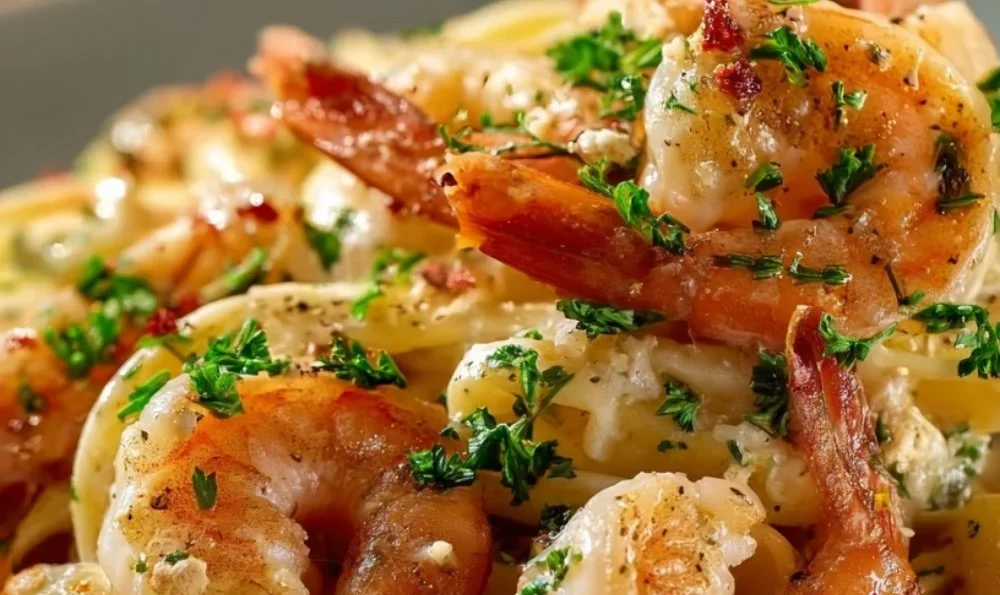
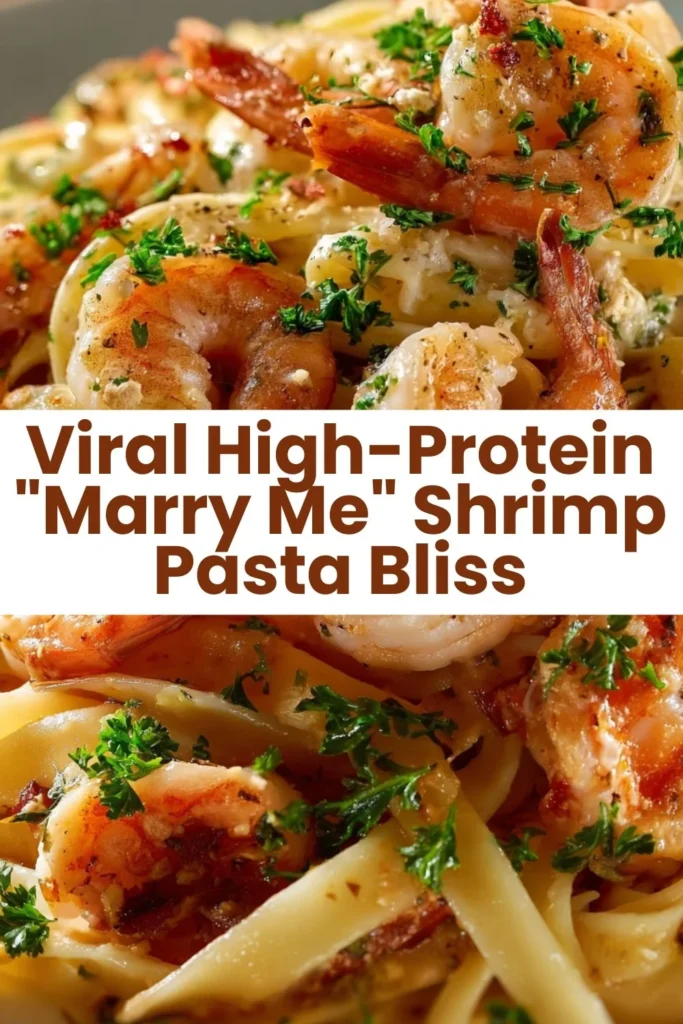
- Use tongs or two spoons to lift and toss the pasta with the sauce so each strand is coated. Visual success looks like glossy noodles with small flecks of shrimp and Parmesan.
- Season with salt and pepper. Garnish with fresh parsley before serving.
- Taste before adding the final salt — Parmesan already brings saltiness. The parsley is the final bright note; sprinkle it just before serving so it looks fresh.
If something doesn’t look perfect right away — for example, if the sauce seems a little grainy — don’t panic. A gentle swirl over low heat usually brings it together. If shrimp get slightly overcooked, chop them and fold them into the pasta; they’ll still add flavor.
Key techniques you’ll practice in this recipe
- Sautéing aromatics gently: You’ll learn to smell garlic and watch its color rather than relying on a timer. This is a foundational skill for soups, sauces, and sautés.
- Judging shrimp doneness visually: The pink color and slight curl are reliable indicators; this skill transfers to scallops and other quick-cooking seafood.
- Building a cream sauce without curdling: You’ll practice bringing cream to a gentle simmer and melting cheese in gradually, which prevents splitting and creates a smooth texture.
- Tossing pasta with sauce: Learning to combine pasta and sauce so every strand is coated is a basic but powerful technique that improves almost any pasta dish.
These are simple, repeatable skills that give you confidence in many other recipes — from weeknight skillet meals to weekend dinner parties.
Common mistakes and how to avoid them
- Overcooked shrimp: Symptoms are a very tight curl and a rubbery texture. Avoid by watching color and shape; remove shrimp from heat as soon as they are opaque and pink.
- Burnt garlic: If garlic darkens, it will taste bitter. Keep the heat moderate, and if garlic starts to brown, lower the heat immediately or remove the pan from the burner briefly.
- Sauce too thin or too thick: If thin, simmer gently to reduce and thicken, or add a small splash of reserved pasta water to help it cling. If too thick, stir in a little more cream or a tablespoon of water to loosen the sauce.
- Over-salting: Parmesan and shrimp both bring salt. Always taste the finished dish before adding the final salt. It’s easier to add salt than to remove it.
- Sticky, clumped pasta: Stir pasta occasionally while it cooks and drain well. Tossing with a bit of olive oil right after draining can help if you’re not combining immediately.
If something goes off track, small fixes often solve the problem: lowering the heat, adding a splash of liquid, or chopping and redistributing over pasta. You rarely need to start over.
How to adjust confidently without changing the recipe
- Portion scaling concepts: To feed more people, multiply the ingredient amounts proportionally. If you double the recipe, use a larger pot for pasta and a larger skillet to avoid crowding the shrimp; crowded shrimp steam rather than sear.
- Flavor preference adjustments: If you prefer more heat, increase the red pepper flakes a little at a time. For milder flavor, reduce them. You can add a squeeze of lemon at the end if you like brightness, but that’s optional and doesn’t change the official recipe.
- Texture tweaks — conceptually only: For creamier sauce, let it reduce slightly longer for a thicker coating. For a lighter finish, add a tablespoon or two of pasta water to thin it gently. These are small adjustments you can make on the fly without altering ingredient measurements.
Remember: adjusting is about small nudges, not big swaps. This dish is designed to be satisfying as written, and tiny tweaks help you personalize it.
Serving, storage, and reheating made simple
Serve this pasta hot, straight from the skillet, with a light sprinkle of fresh parsley. A simple green salad or some roasted vegetables makes a complete meal.
Storage: Cool leftovers within two hours and transfer to an airtight container. Store in the refrigerator for up to 3 days. The cream-based sauce thickens as it cools, which is normal.
Reheating: Reheat gently on the stovetop over low heat with a splash of water or cream to loosen the sauce and keep the shrimp tender. Microwave reheating works too; use short intervals and stir between bursts, adding a little liquid as needed. If the sauce has thickened too much, a tablespoon of liquid per serving will bring it back to a pleasant consistency.
Questions new cooks often ask about this recipe
- How do I know the pasta is done? Taste it. It should be tender with a slight bite if you prefer al dente. If you like softer, cook an extra minute.
- Can I use frozen shrimp? Yes if thawed completely first. Pat them dry so they sear instead of steaming.
- My sauce looks grainy — is that bad? Sometimes cheese can clump if added to high heat. Reduce the heat and stir until it smooths out; a small splash of cream or water can help.
- Do I need a special pan? No. A large skillet with a lid or a wide sauté pan works well. You just need space to toss the pasta with the sauce.
- Is it normal for the sauce to thicken as it cools? Yes — that’s natural due to the cream and cheese. Add a touch of liquid when reheating.
If you’re unsure at any step, pause and observe: smell, sight, and touch are reliable guides. You’ll get a sense for what “right” looks and smells like with practice.
Final encouragement from Carla
You don’t need perfection to make a meal you’re proud of. This 33g Protein Viral High-Protein “Marry Me” Shrimp Pasta Bliss teaches foundational skills — gentle sautéing, judging doneness, and coaxing a smooth cream sauce — that will serve you in countless future recipes. Small missteps are part of learning; they don’t ruin the meal and they’re often easy to correct. Trust the visual cues, taste as you go, and remember that flavor often comes together with a steady hand rather than a perfect set of timing.
Keep cooking, be patient with yourself, and enjoy the process of bringing simple ingredients together into something comforting and nourishing. If you’d like extra ideas for meal prep or inspiration for similar protein-forward dishes, check out this helpful article on meal planning, or explore one of my favorite resources for high-protein ideas and classic food history in the resources below.
Conclusion
If you want more ideas for making weeknight cooking easier, the Macro Prep Plates blog for meal prep strategies is a useful place to explore planning and batch-cooking tips. For a look at food coverage and historical recipes, this piece on food reporting provides interesting context: Vote heard ’round state — historical food reporting. And if you’re curious for additional high-protein meal ideas and practical tips, see this collection of protein-focused meal prep resources at the Macro Prep Plates blog for protein-focused recipes.
High-Protein "Marry Me" Shrimp Pasta Bliss
Ingredients
Method
- Bring a pot of salted water to a boil and cook the fettuccine according to package instructions. Drain and set aside.
- Heat olive oil in a large skillet over medium heat. Add garlic and red pepper flakes, sauté for 1 minute.
- Add shrimp and cook for 2-3 minutes per side until pink.
- Pour in heavy cream and bring to a gentle simmer. Stir in Parmesan cheese until melted.
- Add cooked pasta to the skillet and toss to coat evenly.
- Season with salt and pepper. Garnish with fresh parsley before serving.