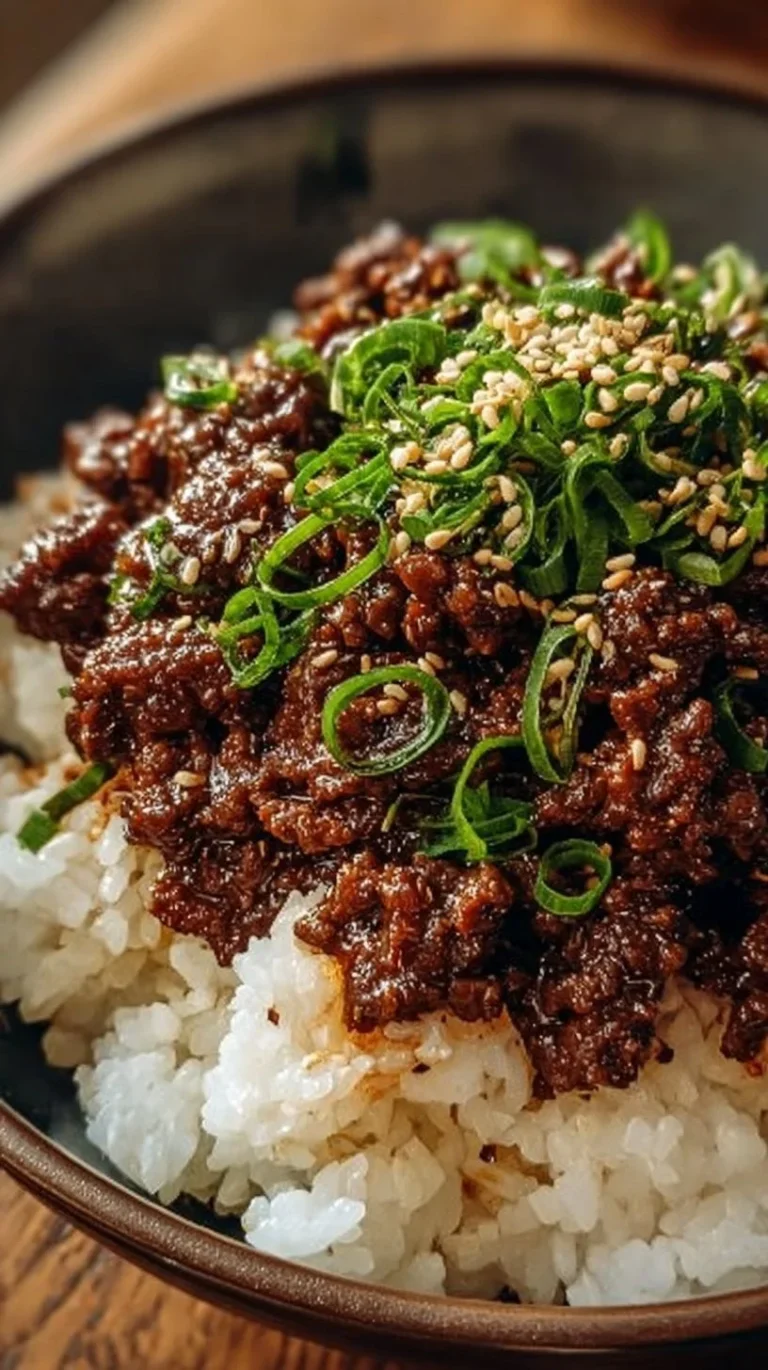
Korean Ground Beef Bowl
Introduction
This Korean Ground Beef Bowl works because it balances bold flavor with straightforward technique. It’s the sort of recipe I turn to when I want something that feels satisfying—warm, savory, and a little bright—but doesn’t leave the kitchen piled with dishes or the meal feeling overly heavy. The combination of quickly browned beef, garlic, ginger, and soy gives you a comforting, umami-forward base, while the sesame oil and green onions add lift so the whole bowl reads lighter than the sum of its parts.
It’s a practical weeknight main: fast to make, easy to scale, and friendly for leftovers. You can put it on the table in 20 minutes, serve it over steamed rice for a family dinner, portion it into containers for weekday lunches, or use it as a starting point to add whatever vegetables you have on hand. The flavor is familiar — a savory-sweet profile that reads like comfort food — but the method keeps it lean and refreshing rather than dense or heavy.
I’ll walk you through not just the steps, but the why behind them, and how small choices can make this bowl feel light, balanced, and endlessly useful in a simple meal rotation.
How this recipe fits into a balanced lifestyle
This dish sits squarely in the middle of balance and enjoyment. It doesn’t demand elaborate ingredients or technique, which helps keep cooking consistent rather than occasional. Balance here means thoughtful portions, ingredient quality, and a cooking method that emphasizes flavor without adding unnecessary richness.
The bowl feels lighter because it relies on concentrated aromatics (garlic, ginger) and bright finishing touches (green onion, sesame oil) rather than heavy creams or long-cooked sauces. That matters: strong, efficient flavors allow smaller portions of richer ingredients to feel satisfying. Lean ground beef provides protein and savory depth, while rice and vegetables supply fiber and volume so your plate is filling without being overloaded.
This meal fits naturally into a varied weekly routine. Pair it with a simple vegetable side or a quick salad, and you’ve covered texture, color, and nutrition without fuss. It’s repeatable because the technique is forgiving: swap vegetables, switch to a different grain occasionally, or use it as a filling for lettuce wraps. The point is steady, sensible cooking that supports everyday life rather than holiday-level effort.
How to make Korean Ground Beef Bowl
The overall flow is direct: aromatics, brown the meat, finish with soy and a quick simmer, then serve. Because flavors are concentrated, timing matters more than complexity. A hot pan and quick browning are the easiest ways to build satisfying texture; a brief simmer with soy lets the salt work into the beef without over-reducing or drying it.
Simplicity matters most in three places: prep, heat, and finish. Prep your garlic, ginger, and green onions before you start so the cook time is uninterrupted. Use moderate-to-high heat to brown the beef quickly — that Maillard crust gives you flavor without needing extra fat. Finally, resist the urge to thicken or dilute the mixture; the soy needs only a couple minutes to marry with the meat.
Approach the recipe without overthinking — set a timer if it helps, but mostly watch for visual cues: fragrant aromatics, nicely browned bits on the meat, and a glossy finish when the soy simmers in. Those signals tell you the bowl is ready.
Ingredients
1 lb ground beef, 2 cloves garlic, minced, 1 inch ginger, minced, 1/4 cup soy sauce, 2 cups cooked rice, 1 tablespoon sesame oil, Green onions, sliced (for garnish), Vegetables of choice (e.g., bell peppers, carrots, broccoli, optional)
Each ingredient has a clear job:
- 1 lb ground beef: The main source of savory flavor and satisfying protein. Ground beef browns quickly and develops texture that makes the bowl feel hearty without heavy sauces.
- 2 cloves garlic, minced: Garlic builds aroma and immediate savory interest. Because it’s used fresh and briefly cooked, it stays bright and fragrant rather than mellowing into heaviness.
- 1 inch ginger, minced: Ginger adds lift and a little warmth that keeps the bowl feeling clean and balanced; it cuts through richness and pairs well with soy.
- 1/4 cup soy sauce: This is the primary seasoning — salty, umami-rich, and concentrated. It seasons the meat efficiently so you don’t need extra sauces.
- 2 cups cooked rice: Rice provides the neutral, comforting base that makes the dish complete. It’s also a vehicle for texture contrast between tender meat and any crisp vegetables you add.
- 1 tablespoon sesame oil: A little sesame oil goes a long way to add a toasty, nutty finish that makes the flavors feel rounded and complete.
- Green onions, sliced (for garnish): Fresh green onions give a crisp, oniony finish and a pop of color — they brighten each bite.
- Vegetables of choice (e.g., bell peppers, carrots, broccoli, optional): Vegetables add volume, fiber, and fresh texture. They keep the meal from feeling one-note and help maintain a lighter overall plate when you include them.
Mindful ingredient choices matter here because the recipe relies on concentration rather than bulk. Opt for good-quality soy sauce and fresh aromatics; small upgrades go further in simple recipes. Balance is achieved through combination: savory protein, fragrant fat, neutral grain, and bright garnishes — none of which needs to be excessive to create a satisfying meal.
Directions
- In a large skillet, heat sesame oil over medium heat.
- Add minced garlic and ginger, and sauté for 1-2 minutes until fragrant.
- Add the ground beef and cook until browned, breaking it apart with a spatula.
- Stir in soy sauce and allow to simmer for 2-3 minutes.
- Serve over cooked rice and top with green onions and any additional vegetables if desired.
Around these steps, here’s what to look for and how to keep things uncomplicated:
Step 1: Heating the skillet and sesame oil properly is the foundation. You want the oil warm enough that garlic sizzles gently when it hits the pan but not so hot that it smokes. A medium heat gives you control and helps develop flavor without burning aromatics.
Step 2: When the garlic and ginger go in, the kitchen should fill with their scent within 30–60 seconds. Sauté them only until fragrant — overcooking will push the flavors toward bitterness and make the dish feel heavier.
Step 3: Browning the ground beef well is the most important textural step. Spread the meat into a single layer and let it sit for brief moments so it can color; stirring too much prevents browning. Look for small browned bits and a change in color across the meat. Break it apart to your preferred bite size; larger chunks give more chew, finer crumbles make the bowl more uniform.
Step 4: Adding soy sauce at the end is intentional. It seasons the meat without requiring a long reduction. Allowing it to simmer for 2–3 minutes lets the liquid reduce slightly and glaze the meat, but it won’t make an overly thick, heavy sauce.
Step 5: Serve simply over rice, then add sliced green onions and vegetables if you like. The contrast of hot meat and cool, crisp garnishes helps the meal feel balanced and fresh.
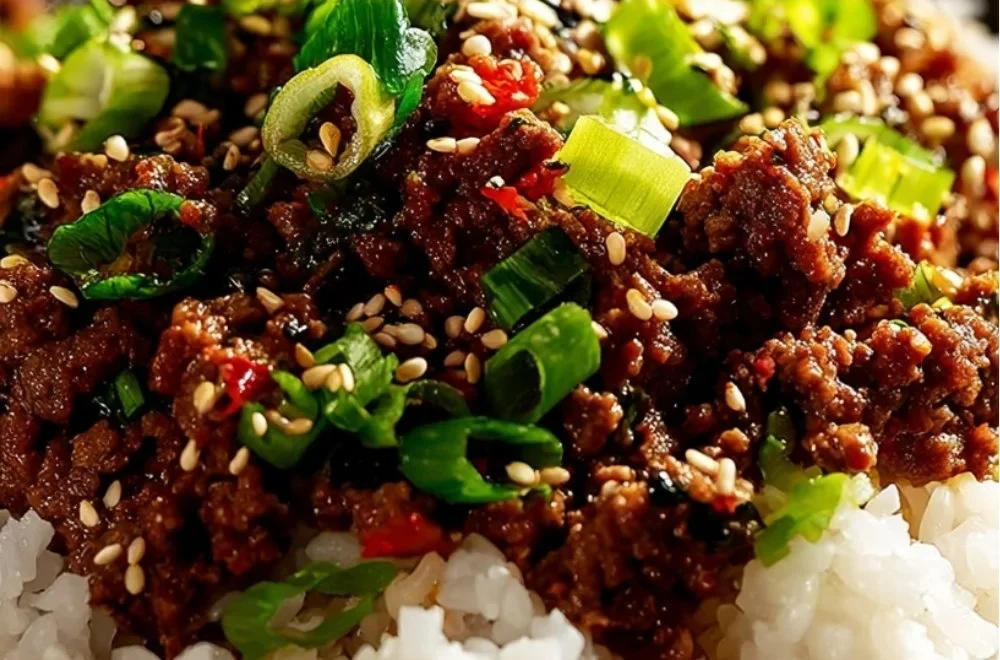
Signs the dish is coming together properly include a clear aroma of garlic and ginger, well-browned meat with glossy sheen from the soy, and a neat contrast between the warm bowl and bright, fresh garnish. If anything feels dull, a quick squeeze of citrus or a handful more green onion lifts the plate without complicating the recipe.
The role of preparation in keeping this dish light
Preparation is less about cutting calories and more about shaping texture and clarity of flavor. Quick cooking methods — sautéing aromatics, rapid browning of ground meat, and a short simmer with soy — preserve brightness and prevent heaviness that often comes from long, sauce-heavy cooking.
Technique matters. Browning creates flavor through caramelization instead of relying on added fats or sugars. Cooking garlic and ginger briefly preserves their aromatic lift instead of letting them melt away into a syrupy, heavy background. Finishing with a small amount of sesame oil and fresh green onion adds sensory richness without undone heaviness because the richness is concentrated and controlled.
Small choices influence the final feel: use just a tablespoon of sesame oil rather than drenching the pan, add vegetables separately if you want them crisp, and serve immediately so textures remain contrasting. These are practical steps you can take every time to keep the meal light and satisfying.
Simple ways to adjust without losing balance
You can personalize this bowl while preserving its balanced intent:
Increase vegetables for more volume: Stir-fry bell peppers, carrots, or broccoli briefly and toss them into the finished bowl for color and fiber. This keeps the meal filling while shifting calories toward produce rather than more beef or rice.
Brighten with acid: A tiny squeeze of lime or rice vinegar over the finished bowl lifts flavors and keeps each bite lively. Acid is an easy way to make food feel lighter on the palate.
Adjust texture: If you prefer more chew, let the beef form slightly larger crumbles. For a finer, more even bite, break it down more as it cooks. Both approaches keep the flavor intact.
Add heat sparingly: A pinch of red pepper flakes or a drizzle of chili oil can add warmth without making the dish dominate the palate; use it as a finishing flourish rather than a base.
These tweaks are conceptual — they don’t change the ingredients or steps of the recipe, only how you assemble and finish the plate. The aim is to keep the core intact while letting your preferences shape the final experience.
Pairing ideas for a complete, well-rounded meal
To round out the bowl without excess, choose sides and textures that complement rather than compete:
Quick pickled cucumbers or radishes: A vinegar-bright side brings crunch and acidity to cut through savory richness.
Simple steamed or roasted vegetables: Broccoli or asparagus roasted with a touch of oil and salt adds warmth and fiber without heaviness.
A crisp green salad with a light vinaigrette: Greens give freshness and contrast in both texture and temperature.
Soft-poached egg: If you want extra comfort, a runny yolk adds richness but in a controlled, single-note way — one egg can make the bowl feel more indulgent without overwhelming the plate.
Lettuce wraps: For a lower-carb option that still satisfies, spoon the beef into crisp lettuce leaves with sliced scallions and a drizzle of sesame oil.
Think in contrasts: tender vs. crisp, warm vs. cool, savory vs. acidic. Those contrasts create a complete plate that feels balanced and well-considered.
Storage, leftovers, and next-day enjoyment
This bowl holds up well as leftovers if stored properly. Separate rice and beef into airtight containers if you can; that preserves texture and makes reheating neater. If you included fresh vegetables or green onions, store them separately or add them just before serving to keep them crunchy.
Refrigerate cooked components within two hours and use within 3–4 days. For reheating, warm the beef gently in a skillet over medium-low heat — adding a splash of water or a few drops of sesame oil can prevent drying and restore some gloss. Microwave reheating is fine for convenience; stir halfway through to encourage even warming and add a sprinkle of fresh green onion before serving.
Leftover beef also works well repurposed: fold it into fried rice with an extra egg and vegetables, stuff it into a warm tortilla or steamed bun, or use it as a hearty topping for a salad. Those variations help avoid boredom without straying far from the original balanced approach.
Common questions about lighter everyday cooking
Q: How do I balance portions so the meal feels filling without being heavy?
A: Aim for half the plate vegetables or salad, one quarter protein (the ground beef), and one quarter grains (rice). That simple visual guide ensures volume from fiber-rich vegetables while keeping portions of rice and protein satisfying.
Q: Can I meal-prep this for the week?
A: Yes. Cook the beef and rice ahead, store separately, and add fresh garnishes or quickly steamed vegetables each day. Prepped components maintain quality and allow quick assembly.
Q: How do I keep repeating meals from feeling boring?
A: Change textures and finishing touches: switch grains (rice, cauliflower rice, quinoa), alternate vegetables, or vary condiments (a drizzle of sesame oil one night, a squeeze of citrus the next). Small shifts go a long way.
Q: Is this recipe suitable for different appetites?
A: Yes. Scale the rice up or down, add more vegetables for greater volume, or pair with a simple soup or salad to adjust how filling the meal feels without changing the core recipe.
These practical answers focus on habit and small choices rather than rigid rules; that’s the most sustainable way to keep meals enjoyable day after day.
Final thoughts from Daniel
Cook this bowl mindfully: pay attention to the scent of garlic and ginger, the way the meat browns, and the fresh snap of sliced green onions. Those simple signals are what make the meal feel satisfying and balanced. The recipe is forgiving, straightforward to scale, and adaptable — which is exactly what I want from everyday cooking: food that supports energy and pleasure without drama. Keep the approach practical, trust your senses, and let small, thoughtful choices guide you. It’s a recipe that earns repeated visits because it’s honest, flavorful, and kind to a busy week.
Conclusion
If you’d like a few variations and visual guides to inspire weeknight assembly, I find it useful to look at other home-cook versions like Korean Ground Beef and Rice Bowls | The Recipe Critic for different garnish ideas, Korean Beef Bowl – Damn Delicious for a straightforward template that highlights simple technique, and Korean Beef Bowl – Lillie Eats and Tells for tips on adding quick vegetables and weeknight-friendly tweaks.