Chickpea Cucumber Salad (The Only Recipe You Need)
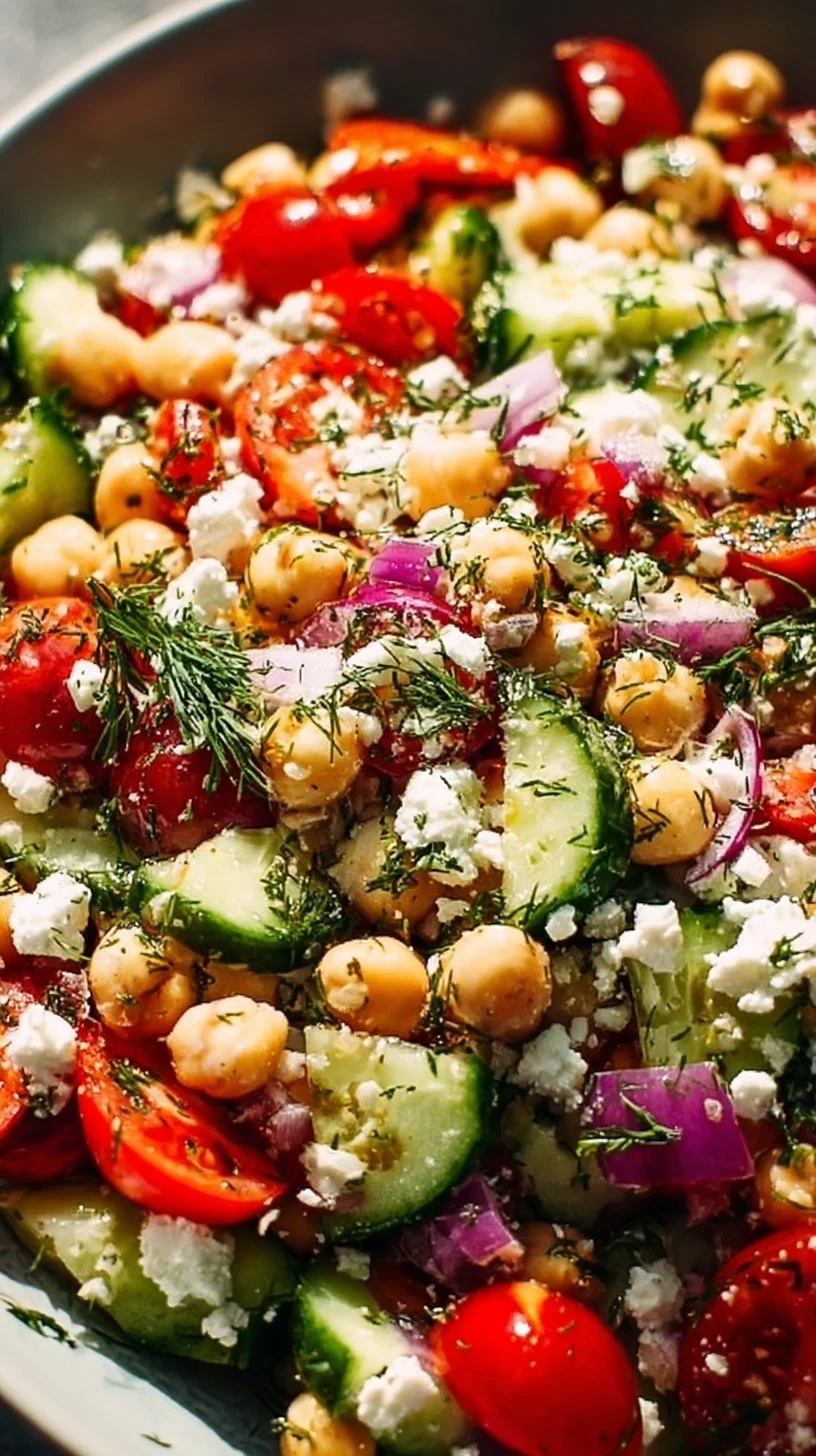
This Chickpea Cucumber Salad is the kind of recipe I go back to when I want something that feels fresh, honest, and reliably satisfying without weighing the day down. It’s built around pantry-friendly chickpeas and crisp cucumber, with bright lemon and herbs that keep each bite lively. It’s not a fussy bowl; it’s a practical, flavor-forward dish that works equally well for a weeknight dinner, a quick lunch, or a side at a casual gathering.
If you like meals that emphasize simple ingredients with thoughtful combinations, you might also enjoy my take on a similar flavor profile in this chickpea and feta salad, which leans into creamy avocado for a different kind of satisfying texture. In this recipe, the focus is on contrast — the tender bite of chickpeas, the snap of cucumber, the briny pop of feta, and a lemony vinaigrette that ties it together. It’s a dependable, everyday salad that makes repeat cooking feel fresh rather than repetitive.
How this recipe fits into a balanced lifestyle
This salad supports a balanced approach to eating because it emphasizes moderation and variety rather than restriction. It pairs plant-based protein (chickpeas) with vegetables and a small amount of cheese for richness. The result is a meal that feels lighter because of ingredient choices and portioning, yet satisfying because it balances protein, fat, and produce.
When I think about “lighter” meals, I’m not talking about deprivation — I mean meals that leave you energized, not sluggish. This dish does that by keeping the fat source intentional (extra virgin olive oil) and the flavors vivid (lemon, dill, parsley, and mustard). Those bright elements trick the palate into satisfaction without needing excess richness. It fits naturally into a weekly rotation where you might alternate this salad with a richer main dish or a warm grain bowl.
This is also a recipe that travels well across contexts: it’s bright enough for a spring or summer lunch, hearty enough as a weeknight vegetarian main when served with a grain or flatbread, and simple enough to be the calming, reliable salad I reach for when I don’t want to think too much about dinner. If you want more ideas for balanced, vegetable-forward dishes that still feel filling, take a look at this creamy cucumber variation for inspiration on texture contrasts and how a small change can shift the dish’s character.
How to make Chickpea Cucumber Salad (The Only Recipe You Need)
At its heart, this recipe is about assembly and a straightforward vinaigrette. The cooking flow is intentionally simple: prep the vegetables, rinse the chickpeas, crumble the feta, whisk a quick dressing, and toss. No pots. No waiting. That simplicity is where the recipe earns its place in an everyday rotation.
Simplicity matters most in a few places: knife work, dressing emulsification, and timing. Spend a little time to chop evenly — pieces that are similar in size give consistent texture and make each forkful balanced. Emulsifying the dressing (whisk or shake) is a small step that helps the oil and lemon cling to chickpeas and veg, so the flavor feels integrated rather than patchy. And finally, a short rest in the fridge (30 minutes) makes a noticeable difference — the flavors knit together, and the chickpeas soften just enough to harmonize with crisp cucumber.
Don’t overthink plating or presentation. This is a humble, honest bowl that tastes best when you focus on seasoning and proportions. A little salt, bright lemon, and fresh herbs make a lot of difference.
Ingredients
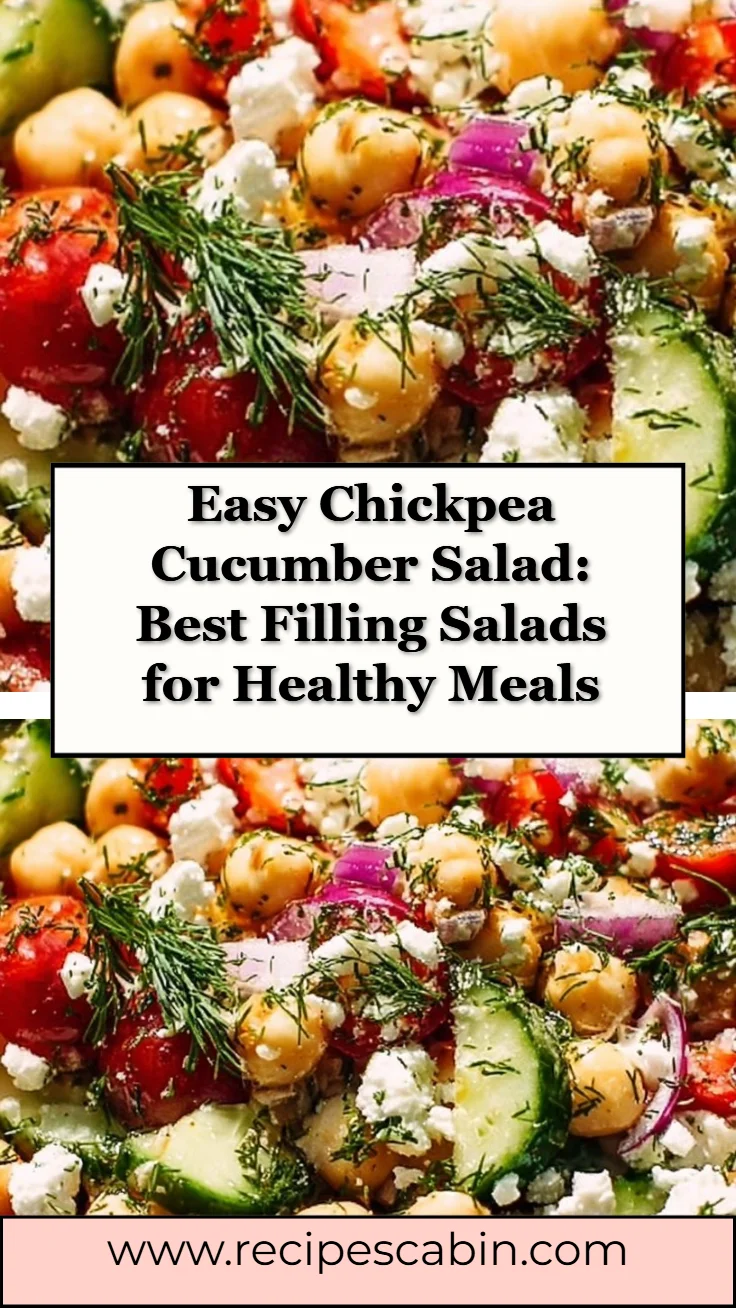
15 oz canned chickpeas (rinsed and drained), 1 English cucumber (chopped), 1 cup cherry tomatoes (halved), 0.5 red onion (finely diced), 0.5 cup feta cheese (crumbled), 0.25 cup fresh parsley (chopped), 2 tbsp fresh dill (chopped), 0.25 cup extra virgin olive oil, 3 tbsp fresh lemon juice, 1 tsp Dijon mustard, 0.5 tsp salt (or to taste), 0.25 tsp black pepper (or to taste)
- 15 oz canned chickpeas (rinsed and drained): Chickpeas bring sustained plant protein and a creamy, nutty texture that makes the salad feel filling without heaviness. Rinsing and draining removes excess sodium and the tinny liquid flavor so the dressing and herbs can shine.
- 1 English cucumber (chopped): English cucumbers have thinner skins and fewer seeds, which keeps the salad from getting watery while offering a crisp, cooling bite that balances the chickpeas.
- 1 cup cherry tomatoes (halved): Cherry tomatoes add juicy sweetness and acidity in small bursts — they brighten the bowl and contrast the denser chickpeas.
- 0.5 red onion (finely diced): Red onion gives a sharp, aromatic edge; when finely diced, it distributes evenly so you get a hint of bite without overwhelming any single forkful.
- 0.5 cup feta cheese (crumbled): Feta provides a salty, creamy counterpoint that enhances savory depth. A little goes a long way here, helping the salad satisfy like a fuller meal.
- 0.25 cup fresh parsley (chopped): Parsley offers a clean, herbal backbone that refreshes the whole dish and cuts through the richness of oil and cheese.
- 2 tbsp fresh dill (chopped): Dill pairs especially well with cucumber and lemon, adding a soft, slightly anise-like note that feels light and fresh.
- 0.25 cup extra virgin olive oil: A quality olive oil rounds out the dressing and carries flavors. It’s the primary fat but used in moderation so the salad remains bright.
- 3 tbsp fresh lemon juice: Lemon is the acidic lift that ties everything together. Fresh is best for clarity of flavor.
- 1 tsp Dijon mustard: Mustard helps emulsify the dressing and adds a subtle tang that deepens the vinaigrette.
- 0.5 tsp salt (or to taste): Salt brings forward flavors and balances acidity. It’s best to taste and adjust after tossing.
- 0.25 tsp black pepper (or to taste): Freshly cracked pepper offers a mild heat and aromatics that complete the dressing.
This ingredient list is intentionally concise. Each element plays a clear role, and together they create balance through contrast — creamy and crisp, salty and acidic, herbaceous and vegetal. That’s how a dish feels lighter without sacrificing satisfaction.
Directions
In a large mixing bowl, combine the chopped cucumber, halved cherry tomatoes, finely diced red onion, chopped parsley, and chopped dill., Add the rinsed and drained chickpeas to the bowl. Crumble the feta cheese over the top., In a small bowl or a jar with a lid, combine the extra virgin olive oil, fresh lemon juice, Dijon mustard, salt, and pepper. Whisk or shake vigorously until the dressing is well combined and emulsified., Pour the lemon vinaigrette over the salad ingredients. Gently toss until everything is evenly coated., Serve immediately or let the salad marinate in the refrigerator for at least 30 minutes to allow the flavors to meld.
Supportive guidance:
- What to look for as you cook: You want even pieces so each bite has a bit of cucumber, tomato, and chickpea. When whisking or shaking the dressing, look for a glossy emulsion — the oil and lemon should be temporarily combined into a smooth vinaigrette rather than separating immediately.
- How to avoid overcomplicating the process: Skip fancy garnishes or multiple dressings. The point here is a single, well-balanced vinaigrette and fresh herbs. Trust that quality ingredients and simple technique will carry the dish.
- Signs the dish is coming together properly: After tossing, taste for brightness and balance. If it tastes flat, a squeeze more lemon or a pinch more salt will usually fix it. If the chickpeas still feel dry, a little more oil helps them feel cohesive. Letting the salad sit 30 minutes in the fridge will soften edges and deepen flavor coordination — you’ll notice the herbs and lemon have settled into the chickpeas and tomatoes.
The role of preparation in keeping this dish light
Preparation choices influence whether a meal feels heavy or luminous. Here, we use no heavy sauces or creams; instead, we rely on a measured amount of extra virgin olive oil, fresh lemon, and mustard to create a dressing that coats rather than soaks the ingredients. That keeps mouthfeel lively.
Technique matters as much as ingredients. For example, finely dicing the onion distributes its intensity so you get little flashes of sharpness rather than overpowering bites that push you to seek richer complements. Even chopping of cucumber and tomatoes ensures textural balance — pieces that are too large make the salad feel uneven.
Small choices steer the final feel: rinsing chickpeas removes excess brine that could otherwise make the dish taste cloudy or overly salty; using fresh lemon vs. bottled brightens the vinaigrette without needing more oil; and modestly crumbling feta gives you the satisfying creaminess in small pockets rather than an all-over heaviness. These decisions keep the salad feeling clean and supportive of daily energy.
Simple ways to adjust without losing balance
You can personalize this salad without changing the core ingredients or steps. Here are thoughtful tweaks that preserve balance:
- Increase herb intensity: Add more parsley or dill for a fresher, more aromatic bowl. Herbs add volume and brightness without extra calories.
- Play with texture: Toasted sunflower seeds or chopped almonds (if you choose to add) would introduce crunch — but add them sparingly so they don’t overpower the light profile.
- Heat and spice: A pinch of red pepper flakes or a few dashes of hot sauce can add lift if you prefer a spicy edge. It’s a small change that affects perception more than the salad’s overall weight.
- Make it heartier: Serve the salad over a bed of cooked barley, farro, or mixed greens if you need a more substantial base. For protein boost without altering the recipe, add a simply grilled protein on the side (see pairing ideas later); this keeps the salad intact while turning it into a fuller meal.
These adjustments keep the flavor-forward intent intact while letting you tailor the dish to the occasion.
Pairing ideas for a complete, well-rounded meal
This salad stands well on its own, but pairing it thoughtfully turns it into a complete plate:
- Light proteins: A piece of simply seasoned, grilled fish or chicken complements the salad without adding heavy sauces; for an idea, my grilled chicken orzo salad is a good reference for how grilled protein pairs with similar flavors.
- Grains and breads: Serve alongside warm whole-grain pita, a scoop of couscous, or a small portion of farro to add chew and make the meal more filling while keeping things balanced.
- Complementary salads: For a texture contrast, pair this with a creamier cucumber salad variant or a leafier green salad like a baby arugula with lemon and olive oil. For inspiration on mixing textures in a meal, check out a high-protein cucumber salad approach that keeps things light but substantial.
- Casual sides: Roasted vegetables, a small baked sweet potato, or a slice of crusty bread all work well; pick one to avoid excess.
The guiding principle: combine one or two small additions that complement the salad’s brightness rather than weigh it down.
Storage, leftovers, and next-day enjoyment
This salad stores well and often tastes better the next day. The lemony vinaigrette softens the chickpeas and allows flavors to meld, so refrigerated leftovers become more integrated. Store in an airtight container in the refrigerator for up to 3 days.
Tips for preserving texture:
- If you plan to keep it more crisp, store cucumbers separately or add them after refrigeration. Cucumbers release water over time, so this helps the salad stay fresh.
- If the salad seems dry the next day, stir in a teaspoon or two of olive oil or an extra squeeze of lemon to revive it.
- Avoid freezing — the leafy herbs and tomatoes lose texture once thawed.
For reheating: this salad is best served chilled or at room temperature. If you’ve paired it with a warm protein or grain, warm those separately and serve the salad cold alongside for contrast.
Common questions about lighter everyday cooking
Q: How much of this salad constitutes a balanced portion?
A: Portion size depends on appetite and what else you serve with it. As a main for a light lunch, aim for about 1.5 to 2 cups; as a side, 3/4 to 1 cup pairs well with a protein and a grain. Balance is about how the salad fits with the rest of the plate, not strict measurements.
Q: How can I plan this recipe for meal prep?
A: Prep the vegetables and herbs the day before and store them in separate airtight containers. Make the dressing and store it in a jar; keep the chickpeas rinsed in their container. Assemble the salad the day you plan to eat it for optimal texture, or fully assemble the night before if you prefer the flavors more melded.
Q: I don’t want repetition in my weekly meals — how can I rotate this?
A: Change the supporting elements: one night serve it with grilled fish, another with warm grains, or use it as a filling for a sandwich. Small changes in accompaniment keep the salad feeling new.
Q: How do lighter meals still feel satisfying?
A: Focus on texture variety, a balance of macronutrients, and strong seasoning. Bright acids, fresh herbs, modest fat for mouthfeel, and a source of protein make lighter meals feel complete.
Conclusion
If you want to explore similar flavor combinations and see how other cooks balance chickpeas, cucumber, and vibrant dressings, I recommend these takes for inspiration: try the creamy contrast in this Cucumber Chickpea Salad with Balsamic Tahini Dressing, a Mediterranean spin in the Mediterranean Chickpea Cucumber Salad with Olives, or a mash-up that adds avocado in the Chickpea Avocado Salad. Each of these recipes shows how small shifts in dressing or add-ins create new, balanced meals from similar starting points.
Final thoughts from Daniel
This Chickpea Cucumber Salad sits in my recipe rotation because it’s flexible, forgiving, and reliably good. It teaches a simple lesson: thoughtful ingredients and a few careful choices in prep and seasoning go much further than complexity. Make it your own by adjusting herbs, pairing it smartly, and trusting your palate. Balance is flexible — this recipe supports everyday eating that feels lighter while still being comfortably satisfying. Give it a try on a busy weeknight or prep it for lunches; either way, it’s the kind of recipe that earns repeat visits without becoming boring.
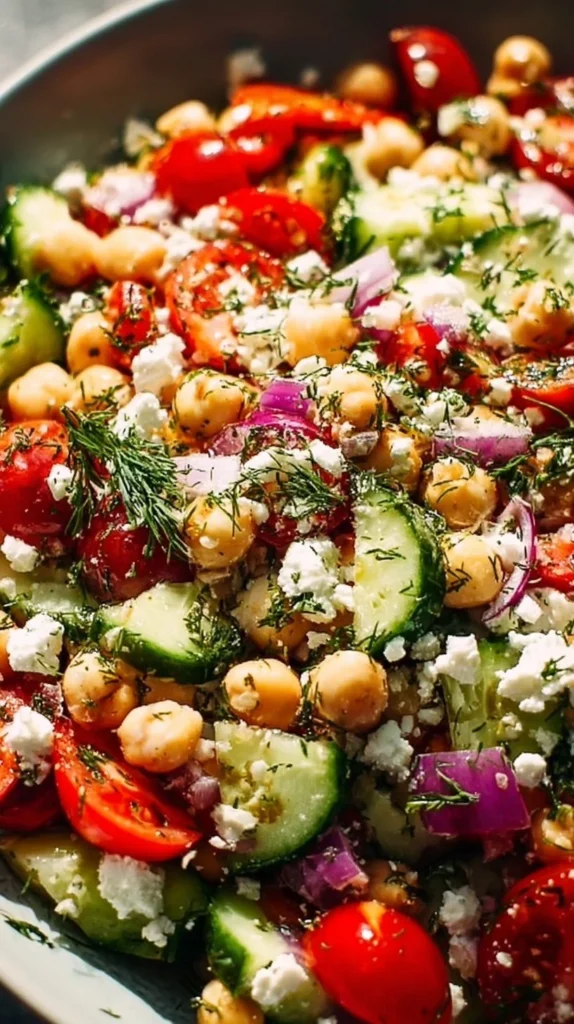
Chickpea Cucumber Salad
Ingredients
Method
- In a large mixing bowl, combine the chopped cucumber, halved cherry tomatoes, finely diced red onion, chopped parsley, and chopped dill.
- Add the rinsed and drained chickpeas to the bowl. Crumble the feta cheese over the top.
- In a small bowl or a jar with a lid, combine the extra virgin olive oil, fresh lemon juice, Dijon mustard, salt, and pepper.
- Whisk or shake vigorously until the dressing is well combined and emulsified.
- Pour the lemon vinaigrette over the salad ingredients. Gently toss until everything is evenly coated.
- Serve immediately or let the salad marinate in the refrigerator for at least 30 minutes to allow the flavors to meld.