Spring Roll Salad
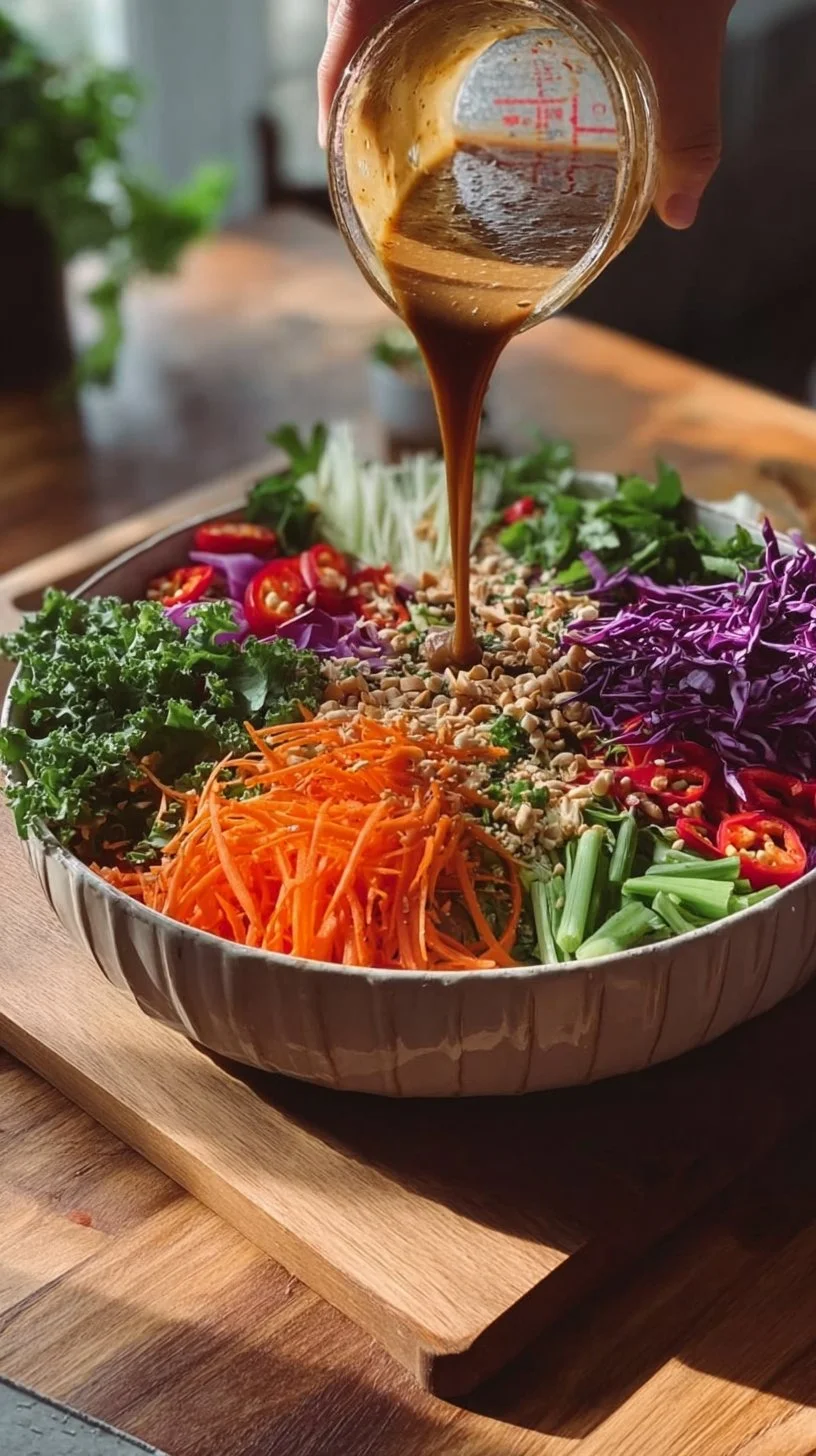
If you’re looking for a fresh, light dish that feels bright and approachable, this Spring Roll Salad is for you. I write recipes for people who want simple wins in the kitchen — whether you’re new to cooking, getting back into it after a break, or you’ve had one too many recipes that promised ease and didn’t deliver. This salad brings the flavors and textures of spring rolls into a bowl, so there’s no delicate rolling or rice paper to wrestle with. It’s an excellent starter recipe to build confidence with ingredients, knife skills, and dressing a salad evenly.
A small practical tip before we begin: keep your mise en place — the sliced vegetables and dressing ready — and you’ll move through the steps calmly. If you enjoy bowls with fresh herbs and bright citrus, you might also like the way the dressing in my Buffalo Tuna Salad balances richness and acidity; I often reach for that recipe when I’m making a heartier lunch, and you can read more about it here: Buffalo Tuna Salad.
Why this recipe is easy to get right
This Spring Roll Salad is forgiving in all the ways a home cook needs. The ingredients are straightforward and require very little precision — no measuring exact volumes of vegetables or mastering complicated techniques. Rice noodles, fresh vegetables, herbs, and a simple dressing come together quickly. Because it’s served chilled and tossed, small imperfections in the cut of the vegetables or a slightly softer avocado won’t ruin the dish. The contrast between tender noodles and crisp vegetables will still be there even if everything isn’t perfectly uniform.
Flexibility is built into the recipe: if your carrots are thicker, the salad still tastes great; if you like more cilantro, add it. The dressing is simple and not fussy; a little more lime or soy won’t break it. For cooks who appreciate recipes that teach transferable skills, this one reinforces gentle tossing, balancing acid and salt, and handling slippery rice noodles — skills that will serve you well in other salads and noodle bowls. If you like plant-forward salads with layered textures, you might also enjoy exploring different combinations in my Chickpea Feta Avocado Salad; it uses similar ideas of balance and texture and can inspire ways to adapt this recipe: Chickpea Feta Avocado Salad.
How to make Spring Roll Salad
At its core the process is simple: cook the rice noodles, prepare the vegetables, make the dressing, then toss and chill. Start by bringing a pot of water to a boil and gently cooking the rice noodles until they are tender but still have a slight bounce. Rinse them under cold water to stop the cooking and to keep them from sticking together — this also cools them down so they won’t wilt the lettuce when you toss the salad.
Next, assemble the vegetables and herbs. Lay them out, slice the avocado, and pick the cilantro leaves from stems. Combine the cooled noodles and vegetables in a large bowl so there’s room to toss without smashing the avocado. The dressing comes together in a small bowl with lime juice as the bright, acidic base, soy sauce or tamari for savory balance, sesame oil for aroma, and chili flakes if you like a little heat.
Finally, pour the dressing over the salad and fold gently to coat everything. The last step is chilling briefly so the flavors settle — this also helps if you made the dressing ahead of time. Beginners should slow down during the noodle handling and the final toss: rice noodles can be fragile, and avocado can get mashed if you use too much force. If you prefer watching someone walk you through a similar assembly and texture balance, I often refer readers to simple cucumber-based salads for practicing gentle tossing; they’re helpful practice and you can find a good example here: Creamy Cucumber Salad with Bacon and Cheese.
Ingredients
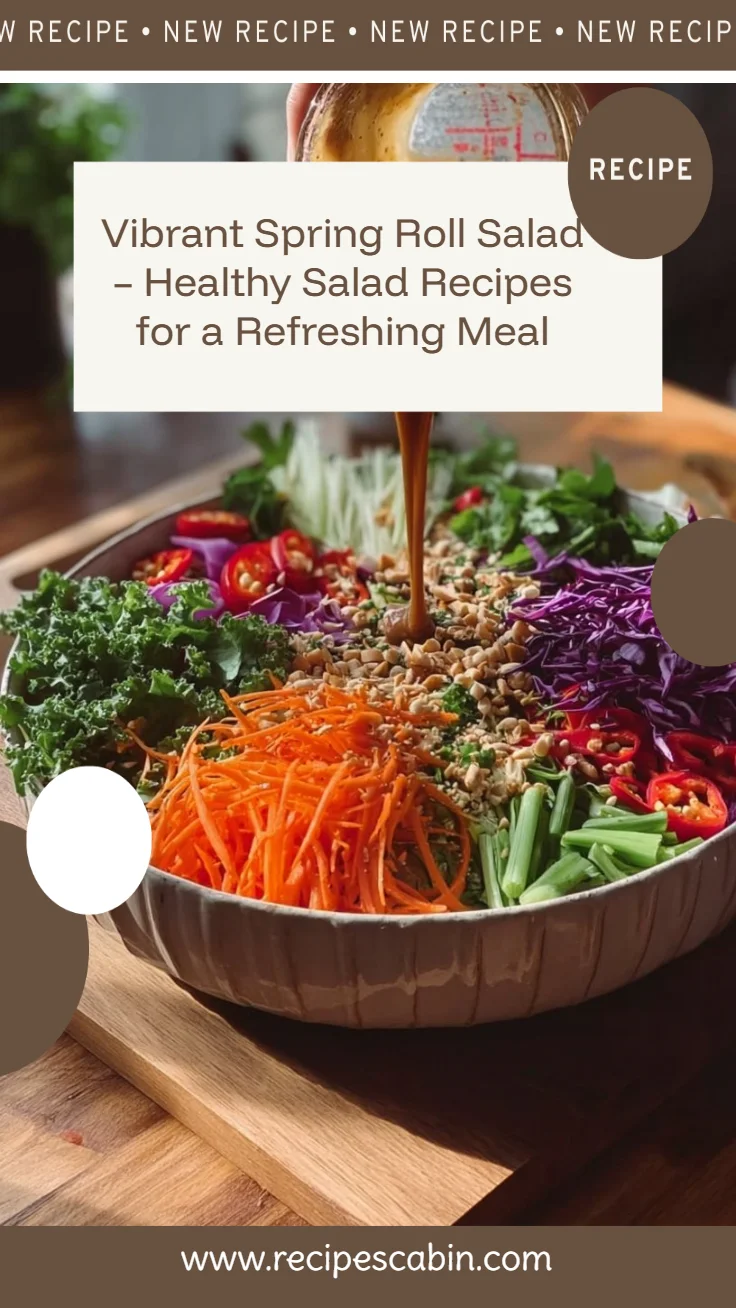
Rice noodles, Lettuce, Carrots, julienned, Cucumber, julienned, Red bell pepper, thinly sliced, Avocado, sliced, Fresh cilantro, Lime juice, Soy sauce or tamari, Sesame oil, Chili flakes (optional)
Each ingredient here has an easy job and together they create a balanced bowl:
- Rice noodles: They provide a tender, light base that soaks up dressing flavors without adding heaviness. They’re sold dried and cook quickly — they will look translucent and soften when done.
- Lettuce: Adds coolness and crunch. Use any crisp lettuce you like; it acts as the crunchy counterpoint to soft noodles and avocado.
- Carrots, julienned: Provide a sweet, firm bite and bright color. Julienned means thin matchsticks; they contribute both texture and visual appeal.
- Cucumber, julienned: Adds freshness and a cooling element that balances the lime and soy.
- Red bell pepper, thinly sliced: Gives sweetness and a bit of crispness; its color also elevates the salad visually.
- Avocado, sliced: Brings creaminess and richness that contrasts beautifully with the acidic dressing.
- Fresh cilantro: Offers herbaceous, citrusy notes — a little goes a long way if you’re sensitive to cilantro’s flavor.
- Lime juice: The acidic backbone of the dressing. It wakes up the other flavors and keeps the salad bright.
- Soy sauce or tamari: Adds salty, umami depth. Tamari is a great gluten-free option.
- Sesame oil: A little goes a long way for toasty, nutty aroma.
- Chili flakes (optional): For those who enjoy a gentle heat. Sprinkle lightly and taste.
None of these are complicated; most are pantry or produce staples. They combine to deliver contrasts — soft and crisp, bright and rich — which is what makes this salad feel like a spring roll in a bowl.
Directions
- Cook the rice noodles according to package instructions, then rinse under cold water and drain., 2. In a large bowl, combine the noodles, lettuce, carrots, cucumber, red bell pepper, avocado, and cilantro., 3. In a small bowl, whisk together lime juice, soy sauce, sesame oil, and chili flakes., 4. Pour the dressing over the salad and toss gently to combine., 5. Serve chilled.
Supportive guidance for the steps above:
- Step 1 visual cue: Rice noodles will change from opaque white to translucent when they’re done. They should be tender but not mushy — test one by tasting. Rinsing under cold water stops them from cooking and removes extra starch that makes them stick.
- Step 2 texture hint: When combining the warm noodles with lettuce and avocado, make sure the noodles are cooled so they don’t wilt the lettuce or soften the avocado too much. Use a large bowl so you have room to toss without squashing the vegetables.
- Step 3 timing hint: Whisk the dressing just before you’re ready to toss so the lime is bright and aromatic. Sesame oil can smell strong on its own; mixed with lime and soy it mellows and becomes part of a harmonious dressing.
- Step 4 gentle toss: Use a folding motion with salad tongs or two large spoons — lift and fold rather than stirring aggressively. This helps keep avocado slices intact and preserves the noodles’ texture.
- Step 5 chill: Serving chilled is part of this salad’s charm. A short chill (10–20 minutes) lets flavors meld and makes the salad feel refreshingly cool.
If the salad doesn’t look perfectly mixed at first, that’s okay — tuck larger slices of avocado away from the edge and continue to fold gently. Small imperfections are part of homemade food and won’t affect the overall enjoyment.
Key techniques you’ll practice in this recipe
This recipe is an excellent place to practice foundational kitchen skills:
- Cooking delicate starches: Learning to watch rice noodles for translucency and testing for doneness will transfer to other noodles and grains.
- Gentle tossing and folding: Keeping tender ingredients intact while mixing them with dressed components is a basic skill for many salads and composed dishes.
- Simple dressing emulsion: Whisking an oil with acid and soy teaches balance and how small changes affect flavor.
- Knife control for even cuts: Julienne and thin slices make a salad feel special; practicing safe, consistent cuts makes all your dishes look more appealing.
These are skills that matter beyond this recipe because they build confidence with timing, texture, and the tactile sense of when food is ready.
Common mistakes and how to avoid them
Here are typical missteps and easy ways to recover:
- Noodles too soft: If you overcook rice noodles and they become mushy, rinse them thoroughly under cold water to arrest cooking. Toss with a little oil to separate strands and use as a base where extra texture from fresh vegetables still shines.
- Avocado mashed during tossing: Use a gentle folding motion and larger utensils. If avocado gets mashed, you can turn it into a loose, creamy element and serve the salad as more of a dressy slaw — still delicious.
- Dressing too salty or sour: Taste as you whisk; soy sauce and lime are strong. If the dressing becomes too salty, add a small splash of water or more lime to rebalance. If too sour, a tiny pinch of sugar can round it out.
- Vegetables weeping: Slice cucumbers and peppers just before assembling to avoid sogginess. If they look watery, drain them briefly in a colander.
- Salad too dry: If it’s under-dressed, drizzle a bit more dressing and toss gently one more time. You can reserve a small amount of dressing to adjust at the table to personal taste.
Recovering doesn’t mean starting over — small fixes often bring the salad back quickly.
How to adjust confidently without changing the recipe
You may want to change quantities or textures without altering the actual ingredients or steps. Here are conceptual adjustments you can make confidently:
- Scaling portions: Double or halve the components in your head by thinking in rough cups and handfuls. The key is keeping the noodle-to-vegetable ratio similar so the dressing coats everything evenly.
- Flavor balance: If you prefer brighter acidity, increase lime juice slightly. For more savory depth, add a touch more soy. Make adjustments in teaspoons and taste as you go — small changes add up quickly.
- Texture tweaks: If you like more crunch, add extra julienned carrots or even chopped peanuts at the end (as a serving addition, not a change to the recipe steps). For creamier texture, slightly increase the avocado portion.
- Heat level: The chili flakes are optional. Add them sparingly and taste; you can always sprinkle more at the table.
These are conceptual shifts — they don’t change the prescribed ingredients or steps, but they let you personalize the result.
Serving, storage, and reheating made simple
Serving this salad is straightforward. Present it chilled, either tossed in a large bowl or portioned out into bowls so each serving looks bright and colorful. A final squeeze of lime at the table refreshes the flavors.
Storage: Because of the avocado and the dressing, leftovers are best eaten within 1–2 days. Store in an airtight container in the refrigerator. If you plan to keep leftovers for a second day, consider storing the avocado slices separately and adding them at serving time to reduce browning.
Reheating: This salad is best served cold or at room temperature rather than reheated. If you want the noodles to feel less chilled, let the salad sit at room temperature for 15–20 minutes before serving. If you must add warmth, briefly warm a portion of the noodles and then combine with the remaining chilled vegetables so textures stay pleasing.
If you often prepare salads to eat across a couple of days, practicing make-ahead techniques from my other recipes can help you plan better; the Creamy Cucumber Salad is a handy reference for storing delicate salads and maintaining texture over time.
Questions new cooks often ask about this recipe
Q: How long do rice noodles take to cook?
A: It varies by brand, but most take 3–6 minutes. Watch for translucency and test a strand by biting into it. It should be tender with a bit of bounce.
Q: Can I prepare this ahead?
A: Yes, but keep the dressing separate and add avocado just before serving when possible. If you must combine, expect a slight softening of textures.
Q: What equipment do I need?
A: A pot for boiling noodles, a large mixing bowl, a small bowl or jar for dressing, a cutting board, and a sharp knife. Nothing fancy required.
Q: Is it normal for noodles to clump?
A: Yes. Rinsing under cold water and tossing with a tiny drizzle of oil can separate them. Use your fingers or tongs gently to loosen clumps.
Q: My cilantro is strong — can I skip it?
A: Absolutely. If cilantro isn’t your thing, substitute fresh mint or leave it out. The salad will still be bright and tasty.
These are the small, normal concerns that can make a recipe feel less intimidating once you have clear answers.
Conclusion
If you’re looking for more inspiration that plays with similar flavors and formats, you might enjoy the fresh twist in Thai Spring Roll Pasta Salad from Nourished by Nic, which offers a creative take on noodle-based spring roll flavors. For another home cook’s perspective on assembling spring roll components into a salad, see the approachable methods in Spring Roll Salad at Sammy Montgoms. And if you want ideas for how herbs and citrus can change the profile of a simple salad, I recommend reading the thoughtful notes in Spring Roll Salad on 101 Cookbooks.
Final encouragement from Carla
You can do this. Simple recipes like this Spring Roll Salad are meant to teach you steady, useful skills while rewarding you with delicious results. Small imperfections — a slightly uneven julienne, a softer avocado, a dressing that needs one more squeeze of lime — are part of the learning process and won’t stop the salad from tasting wonderful. Trust your senses: taste as you go, look for brightness from the lime, and feel the textures as you toss. Each time you make a dish like this you’ll gain a little more ease in the kitchen. Keep going, keep experimenting, and remember that progress matters more than perfection. — Carla Carter, Founder & Recipe Developer of RecipesCabin
Spring Roll Salad
Ingredients
Method
- Cook the rice noodles according to package instructions until tender but still have a slight bounce.
- Rinse the noodles under cold water to stop cooking and keep them from sticking.
- In a large bowl, combine the cooled rice noodles, lettuce, carrots, cucumber, red bell pepper, avocado, and cilantro.
- In a small bowl, whisk together lime juice, soy sauce, sesame oil, and chili flakes.
- Pour the dressing over the salad and toss gently to combine.
- Chill briefly before serving to let flavors meld.
- Serve chilled.