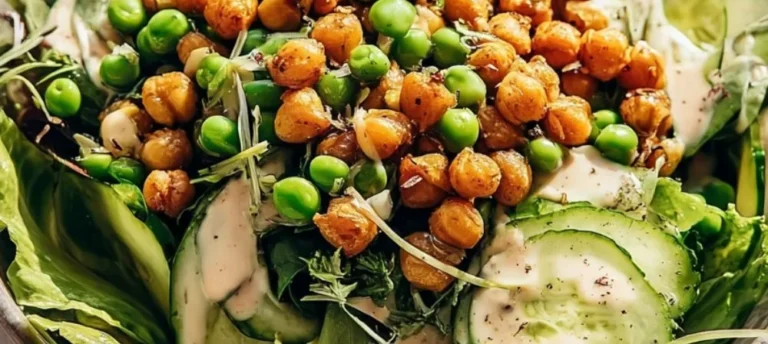
Cottage Cheese and Chickpea Salad
Introduction
Hello, I’m Carla Carter, founder and recipe developer at RecipesCabin. This Cottage Cheese and Chickpea Salad is for anyone who wants a healthy, satisfying dish that doesn’t demand a long list of skills or awkward equipment. If you’re new to cooking, returning after a break, or you’ve had recipes go sideways before, this one is a gentle, reliable place to build confidence.
What makes this salad approachable is its simplicity: a few fresh ingredients come together quickly, and you can see—and taste—your progress as you go. You don’t need precise timing or special tools. I’ll walk you through each step in a calm, practical way so you know what to expect, what to watch for, and how to fix little things without starting over.
Why this recipe is easy to get right
This recipe is forgiving in several ways. First, the base—cottage cheese and chickpeas—is sturdy. Chickpeas hold their shape, and cottage cheese tolerates a range of textures and temperatures. Second, the dressing is simple: olive oil, lemon, salt, and pepper. Small variations in the amount won’t break the dish; they’ll just change the brightness slightly, which you can adjust with a quick taste.
Flexibility is built in. If your cucumber is crisper or your tomatoes are juicier, the salad still works. You don’t have to chop anything exactly a certain way. Because the ingredients are uncooked, there’s no risk of overcooking or timing errors that ruin the whole dish. That makes it excellent practice for learning how flavors combine, how dressings cling to ingredients, and how to balance salt and acid.
How to make Cottage Cheese and Chickpea Salad
At a glance, the process is very straightforward: combine the main ingredients, whisk a simple dressing, toss, and serve. Here’s the flow and what to notice at each stage.
First: prepare your produce and drain your chickpeas. Rinsing chickpeas removes the canning liquid that can taste a bit tinny and makes the salad fresher. Halving cherry tomatoes and dicing cucumber increases surface area so the dressing can coat them and release flavor. Finely chopping the red onion helps spread its sharpness more gently through each bite.
Next: combine the cottage cheese and chickpeas in a large bowl, then add the tomatoes, cucumber, and onion. When you mix ingredients of different sizes and moisture levels, you’re aiming for even distribution—every spoon should have a bit of each element. Gently fold rather than smash; the goal is to mix without breaking the chickpeas or turning the cottage cheese into a puree.
Last: make the dressing and finish. Whisking up olive oil, lemon juice, salt, and pepper emulsifies the dressing so it clings. Pour it over the salad and mix well. Taste and, if needed, nudge the balance with a pinch more salt or a squeeze of lemon. Garnish with parsley for freshness and color, then serve.
Beginners should slow down when chopping and when tossing. Take time to halve tomatoes steadily, and use a gentle hand when mixing so textures remain distinct.
Ingredients
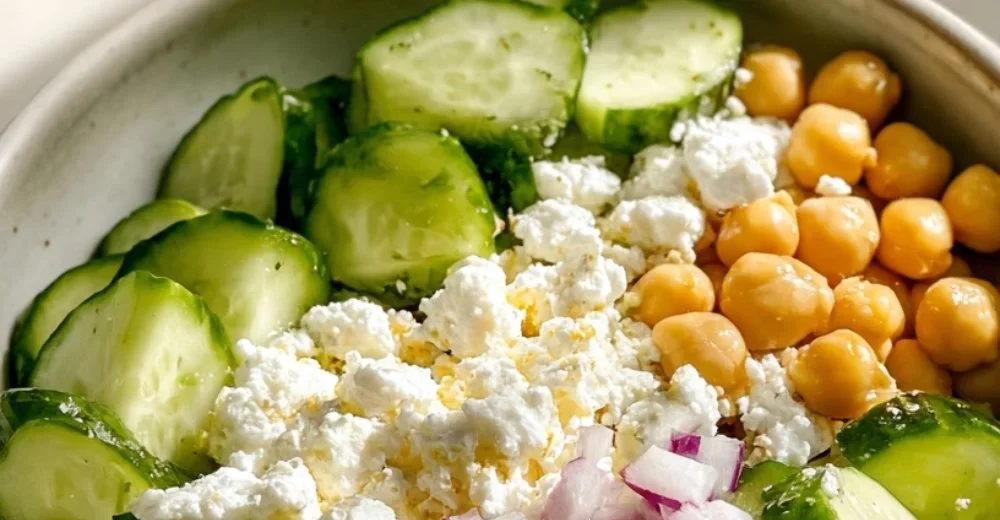
1 cup cottage cheese, 1 can (15 oz) chickpeas, drained and rinsed, 1 cup cherry tomatoes, halved, 1 cucumber, diced, 1/4 red onion, finely chopped, 2 tablespoons olive oil, 1 tablespoon lemon juice, Salt and pepper to taste, Fresh parsley for garnish
Now, a quick look at what each ingredient contributes and why none of them are intimidating.
- Cottage cheese: adds creaminess, mild tang, and protein. It acts like a soft, cooling base that balances the earthiness of chickpeas and the acidity of lemon.
- Chickpeas: give the salad body, chew, and more protein. Their firm texture contrasts with the cottage cheese, creating a pleasant mouthfeel.
- Cherry tomatoes: bring sweetness and a burst of juiciness. Halving them releases a little juice that mingles with the dressing.
- Cucumber: provides a clean, crisp bite and a refreshing counterpoint to the richer cottage cheese.
- Red onion: offers a mild sharpness. Finely chopping it ensures its flavor is present in each bite without overwhelming.
- Olive oil: smooths and rounds the lemon’s sharpness, helping the dressing coat ingredients.
- Lemon juice: brightens the salad and lifts flavors. Acid is what keeps dishes from tasting flat.
- Salt and pepper: essential for seasoning; salt amplifies flavor while pepper adds a gentle warmth.
- Fresh parsley: a finishing touch that adds color and a bright herb note.
None of these require special prep beyond simple washing and chopping. If you prefer a milder onion flavor, rinse the chopped onion briefly in water and pat dry—that’s an easy way to soften the bite.
Directions
In a large bowl, combine the cottage cheese and chickpeas. Add the cherry tomatoes, cucumber, and red onion. In a separate small bowl, whisk together olive oil, lemon juice, salt, and pepper. Pour the dressing over the salad and mix well. Garnish with fresh parsley and serve immediately.
Supportive guidance for these steps:
- Visual cues: when you drain and rinse the chickpeas, the water should run clear—this tells you the canned liquid is rinsed away. When you halve the cherry tomatoes, look for bright, juicy interiors; they should not be mushy. The cucumber should be firm and pale green inside, not soft or watery.
- Texture hints: after combining cottage cheese and chickpeas, you want the cottage cheese to coat the chickpeas lightly, not disappear. Fold the tomatoes and cucumber in so they’re evenly distributed but still visible as distinct pieces.
- Timing: this salad is best served soon after assembling so the cucumber stays crisp and the tomatoes don’t overly soften. If you need to wait, cover and chill for up to an hour—beyond that tomatoes may release more juice and slightly soften the cottage cheese texture.
- Reassurance: if the dressing seems a bit thin at first, give it a taste. A little more olive oil will mellow the lemon; a tiny pinch more salt will bring everything forward. If the salad looks slightly watery after sitting, a quick drain of excess liquid or a gentle toss with a spoon will restore texture.
Small imperfections—slightly uneven tomato halves, or a chopped cucumber piece that’s a touch larger—won’t ruin the dish. This salad is about freshness and balance, not precision.
Key techniques you’ll practice in this recipe
This recipe is a great practice ground for several useful, transferable skills:
- Gentle folding: mixing without crushing delicate ingredients. You’ll use this in fruit salads, fruit-based desserts, and dishes with soft components.
- Balancing acid and fat: learning how lemon juice and olive oil interact with salt is a foundational skill for dressings and marinades.
- Tasting and adjusting: developing a habit of tasting and making small corrections (a pinch more salt or a squeeze more lemon) builds confidence and better results in every recipe.
- Draining and rinsing canned beans: an important step that improves flavor and texture in bean-based salads, stews, and soups.
These are simple but powerful skills. Master them here, and you’ll notice improvement across many everyday recipes.
Common mistakes and how to avoid them
Even simple salads can trip people up. Here are common missteps and gentle fixes.
- Mistake: Skipping rinsing the chickpeas. Problem: a metallic or canned flavor. Fix: Drain the can into a sieve and rinse under cold running water until the water runs clear.
- Mistake: Overmixing. Problem: mashed chickpeas and watery cottage cheese. Fix: Use a folding motion with a large spoon or spatula, and stop when ingredients are evenly combined.
- Mistake: Too much salt added at once. Problem: hard to rescue a too-salty salad. Fix: Add salt in small amounts, taste, and then adjust. If you over-salt, add more cucumber or a small handful of rinsed chickpeas to dilute.
- Mistake: Serving the salad straight from the fridge without bringing it close to room temperature. Problem: flavors feel muted when very cold. Fix: If chilled, let the salad sit at room temperature for 10–15 minutes before serving to allow flavors to open.
- Mistake: Using a very ripe, soft tomato. Problem: salad gets watery quickly. Fix: Choose firm cherry tomatoes; if they’re very ripe, halve them gently and serve immediately.
If something goes off track—say the dressing seems too sharp—add a tiny bit more olive oil or a small pinch of sugar to balance. There’s almost always a simple adjustment.
How to adjust confidently without changing the recipe
I won’t change the ingredient list or steps, but you can make confident adjustments around portions and flavor intensity.
- Portion scaling: the recipe is easy to scale up or down. For more people, double the ingredients and use a larger bowl. For a smaller portion, halve everything. The important part is maintaining the ratio—roughly equal parts cottage cheese and chickpeas by cup measurement keep the texture and protein balance.
- Flavor preferences: if you like brighter acidity, add another half-teaspoon of lemon juice and taste. For a richer mouthfeel, add a drizzle more olive oil. Make these small adjustments in measured increments and taste as you go.
- Texture tweaks (conceptual only): if you want a firmer salad, reduce resting time after dressing so vegetables remain crisp. If you want a softer blend, let the salad sit for 20–30 minutes so the dressing and tomato juices mingle and soften the cottage cheese slightly.
These are conceptual tweaks—no change to the official ingredients or steps—so you learn how small changes affect the finished dish.
Serving, storage, and reheating made simple
Serving: This salad is best served chilled or lightly cool. Spoon it onto a plate, place it on toast, or serve it beside grilled chicken or fish for a fuller meal. Fresh parsley adds a finishing aroma and visual brightness.
Storage: Store leftovers in an airtight container in the refrigerator for up to 2 days. Because cottage cheese and tomatoes release moisture over time, the salad may become a bit looser on day two; give it a gentle stir before serving and drain any excess liquid if you prefer a drier bite.
Reheating: This is a cold salad and doesn’t require reheating. If you want to use the mixture on warm toast, spoon it over toast that’s been lightly warmed so the salad remains cool while the toast adds contrast. Avoid microwaving the whole salad—heat changes the texture of cottage cheese and can make the chickpeas mealy.
Questions new cooks often ask about this recipe
- How long will this take? Prep time is short—about 10–15 minutes. Most of that is chopping. There’s no cooking time beyond simple prep.
- What equipment do I need? A cutting board, a sharp knife, a large mixing bowl, a small whisk or fork for the dressing, and a spoon to toss. That’s it.
- Can I make it ahead? You can prep the components ahead (chop vegetables, rinse chickpeas, measure dressing ingredients) and assemble shortly before serving. Fully dressed, the salad is best served within a couple of hours.
- Is a little liquid normal after sitting? Yes. Tomatoes and cucumbers release juice over time. It’s normal and not a sign of failure—just a natural exchange of moisture.
- Is the onion too strong for me? If raw onion worries you, finely chop and rinse it under cold water, then pat dry; this softens the bite. Or use a smaller amount than stated and add more after tasting if desired.
These are all normal, solvable moments. Take them as part of learning, not as problems.
Final encouragement from Carla
Cooking is a skill that grows with gentle repetition, not pressure. This Cottage Cheese and Chickpea Salad is a perfect practice recipe because it lets you focus on tasting, balancing, and gentle handling. If a tomato halves unevenly or a chickpea gets squashed, it won’t ruin the dish—the flavors are forgiving and easy to restore.
Keep a calm approach: taste as you go, make small adjustments, and remind yourself that each time you cook you learn something useful. Trust the process, and remember that progress matters more than perfection. You’re building a kitchen habit that will make more recipes feel within reach.
Conclusion
If you’d like more ideas that feature cottage cheese or chickpeas, take a look at this Cottage Cheese Salad for a slightly different spin, or explore the savory pairing in this Chickpea Salad and Cottage Cheese Toast for serving inspiration. These links will give you more ways to enjoy the same simple building blocks you used here.
Cottage Cheese and Chickpea Salad
Ingredients
Method
- In a large bowl, combine the cottage cheese and chickpeas.
- Add the cherry tomatoes, cucumber, and red onion.
- In a separate small bowl, whisk together olive oil, lemon juice, salt, and pepper.
- Pour the dressing over the salad and mix well.
- Garnish with fresh parsley and serve immediately.