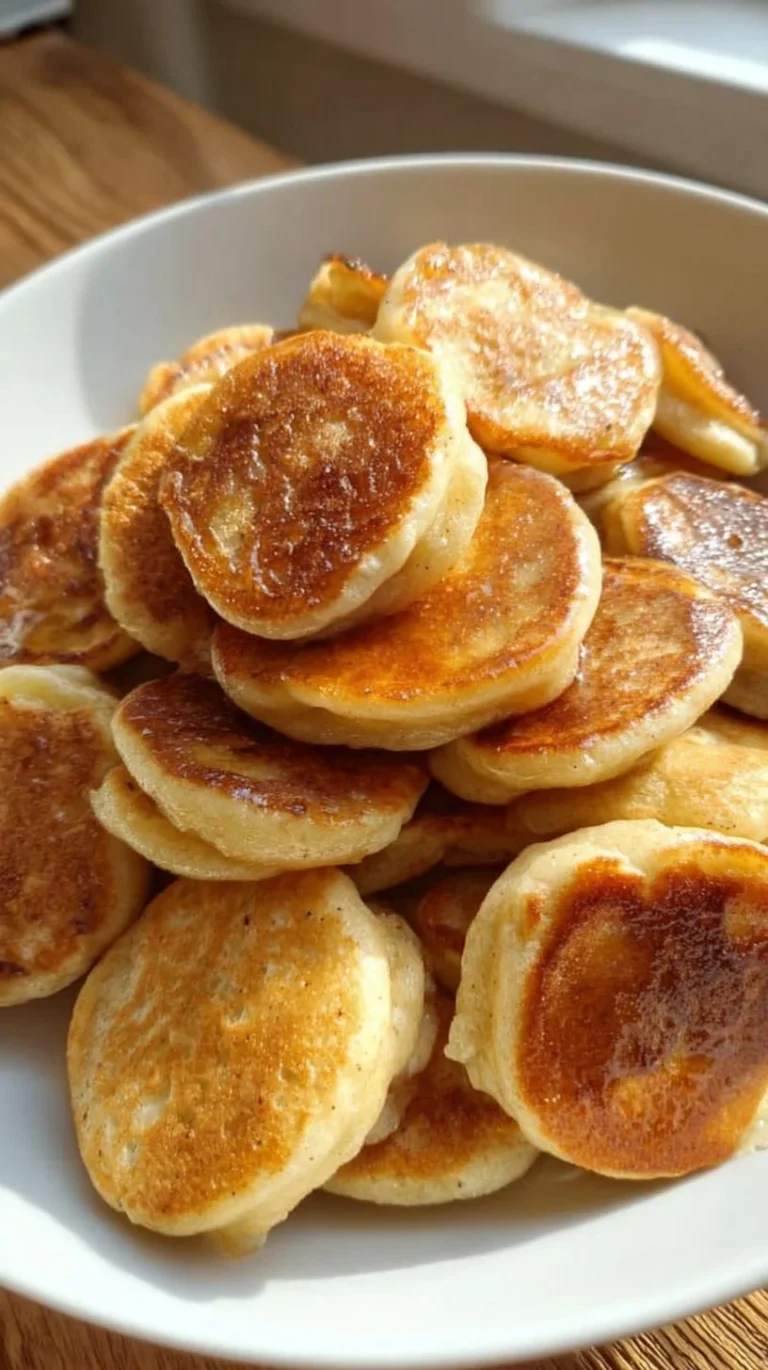
Fluffy Japanese Soufflé Pancakes
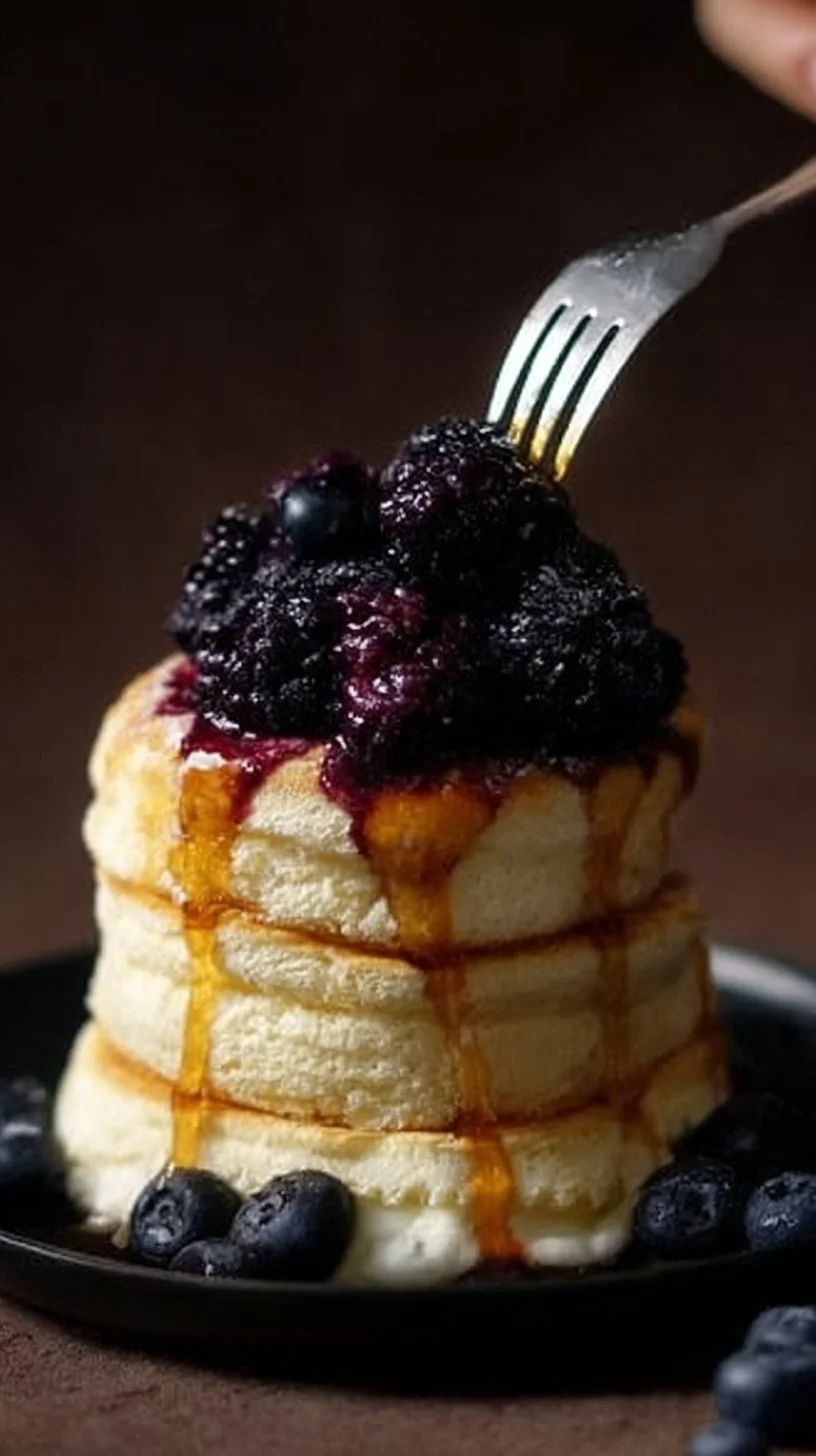
If you’ve ever wanted to make light, cloud-like pancakes that feel gentle and impressive at the same time, Fluffy Japanese Soufflé Pancakes are for you. I’m Carla Carter, Founder & Recipe Developer of RecipesCabin, and I write these words beside the stove because I know how it feels to be both excited and a little nervous when trying something new. This recipe is approachable for anyone who wants a small, delicious victory in the kitchen — whether you’re a complete beginner, returning after a kitchen setback, or just curious to try something soft and jiggly.
You’ll find clear directions here, and a few simple checkpoints that will help you gain confidence as you go. If you like breakfast recipes that feel special without being fussy, these pancakes are worth the slow, calm attention they ask for. For more easy pancake ideas that build similar skills, you may enjoy this light, flourless version I like to refer to when teaching texture, or a fruity option that’s great for practicing batter handling: fluffy flourless pancakes and blueberry maple pancakes.
Why this recipe is easy to get right
This soufflé pancake recipe is forgiving in several ways. First, the batter is not picky: it’s a simple mix of eggs, milk, flour, a little lift from baking powder, and sweetness. The structure comes from gentle egg foam and a slow, gentle cook rather than razor-sharp timing or complicated techniques. That means small missteps usually won’t ruin the final result.
You have flexibility with equipment: while a ring mold can give perfectly tall sides, you can also shape the batter into mounds with a spoon or ring a few times to build height. The pancakes cook slowly on low to medium-low heat, so you have time to observe and adjust — if the surface is browning too quickly, simply lower the heat and cover the pan for a short time. Because much of the magic is steam and gentle heat, as long as you keep the temperature steady and treat the batter with a light hand, you’ll get that pillowy texture.
Finally, these pancakes are inherently forgiving in appearance. They’re meant to be tall, soft, and slightly imperfectly rounded. A small tilt, a little unevenness, or a few tiny bubbles won’t change the wonderful texture, and your first batch will likely taste wonderful even if they don’t look exactly like a bakery photo.
How to make Fluffy Japanese Soufflé Pancakes
In broad strokes, you’ll do three things: prepare a light batter, cook the pancakes low and slow so they puff up without burning, and optionally make a sweetened whipped cream to finish. The first stage is gentle mixing and folding — this is where you build lift. The next stage is patient cooking: use low heat and cover the pan so the pancakes cook through without browning too fast. The last stage — finishing with cream, berries, powdered sugar, or maple syrup — is where you get to be playful and make the dish your own.
Start by separating the eggs and gently whipping the whites until soft peaks form; this is the main lift and it’s forgiving — you don’t need stiff, overwhipped peaks. Fold the whites into the yolk-based batter in two or three gentle turns; small streaks of white are okay. When you cook, think “slow and steady.” Use a nonstick skillet or griddle over low-medium heat, add a little oil so the base doesn’t stick, and cook with a lid on for a few minutes per side. Look for the sides to set and the top to show small bubbles before flipping carefully. If you’re new to flipping tall pancakes, slide a thin spatula under and support the side with another, or finish the second side with the lid on to avoid a tumble.
Beginners should slow down when folding the meringue into the batter and when flipping the pancakes. These are the moments where a too-strong hand can knock out the air or where a quick flip can deflate the stack. If something looks less puffy than expected, that’s okay — they’ll still be soft and taste lovely. Each batch teaches you how your stove behaves and how the batter responds.
Ingredients
2 large eggs, 2 tablespoons milk, ½ teaspoon vanilla extract, 1 teaspoon lemon zest ((optional)), ¼ cup all-purpose flour ((fluffed, spooned, and leveled)), ¼ teaspoon baking powder, ½ teaspoon white vinegar ((or lemon juice)), 2 tablespoons granulated sugar, Oil (any neutral oil (for cooking)), Sweetened whipped cream, Assorted berries, Powdered sugar, Maple syrup, ½ cup heavy cream (cold), 1 tablespoon granulated sugar (more or less to your preference), ½ teaspoon vanilla
- 2 large eggs: Eggs do double duty here. The yolks add richness and bind the batter, while the whites — whipped into a soft foam — give the pancakes their airy lift. Don’t worry about perfect separation; just cleanly separate whites and yolks and you’ll be fine.
- 2 tablespoons milk and ½ teaspoon vanilla extract: These add a little tenderness and flavor to the base batter so the crumb is soft and lightly scented. You can use any milk you have on hand.
- 1 teaspoon lemon zest (optional): This brightens the flavor. It’s optional because the pancakes are delicious without it; if you skip it, the texture and structure are unchanged.
- ¼ cup all-purpose flour (fluffed, spooned, and leveled): This is the body of the pancake. Measuring as directed keeps the balance consistent. Fluffing and spooning prevents packing and keeps the batter light.
- ¼ teaspoon baking powder: A small boost of chemical leavening supports the egg foam for an even gentler lift.
- ½ teaspoon white vinegar (or lemon juice): A touch of acid can help stabilize the whipped egg whites and react slightly with baking powder for a tender rise.
- 2 tablespoons granulated sugar: Sugar sweetens and also helps stabilize the egg white foam as you whip it, making it easier to hold air.
- Oil (any neutral oil for cooking): A thin coating in the pan prevents sticking and helps create a light, golden base.
- Sweetened whipped cream, assorted berries, powdered sugar, maple syrup: These are finishing elements. They don’t change the pancake structure but make the eating experience complete and delightful.
- ½ cup heavy cream (cold), 1 tablespoon granulated sugar, ½ teaspoon vanilla: These are for making the optional sweetened whipped cream. Cold cream whips more reliably, and the small amount of sugar and vanilla turn it into a soft, lightly sweet topping.
None of these ingredients are intimidating. They’re simple pantry items that work together: eggs and whipped whites give lift, flour and baking powder provide structure, milk and flavorings add tenderness and taste, and the finishing ingredients give sweetness and contrast.
Directions
Make the soufflé pancake batter:
Cook the pancakes:
Optional sweetened whipped cream:
Below each heading I’ll give visual and textural cues to watch for so you can move through the recipe with calm confidence.
Make the soufflé pancake batter:
- What to watch for: When you whip the egg whites with sugar, you’re aiming for soft peaks that hold shape but still bend gently. The foam should be glossy, not grainy or dry. When folding the whites into the yolk mixture, stop as soon as large streaks disappear — you want a few air pockets left rather than mixing until completely smooth.
- How it should feel and look: The combined batter will be lighter in color and visibly fluffier than a regular pancake batter. It should be spoonable and hold some shape; a slow wobble is good. If it looks slightly lumpy with a few white streaks, that’s okay — overmixing is the real danger.
- If things don’t look perfect: If your whites are under-whipped, they will sink quickly; you can rewhip them briefly. If they’re over-whipped and dry, try rescuing them with a tiny splash of liquid and more gentle folding, but don’t worry — the pancakes will still be soft.
Cook the pancakes:
- Visual cues: Pour or spoon batter into the pan; it will be quite tall compared to regular pancakes. The edges will slowly set and the surface will show small bubbles when the underside is ready to flip. When you see the bottom edge turn a pale golden and the top begin to show tiny holes and a matte finish, it’s time to turn.
- Texture and timing hints: Cook gently over low to medium-low heat. A covered pan traps steam and helps the pancakes rise and cook through evenly. Each side often takes longer than a regular pancake — plan on a few minutes per side rather than seconds. Use a thin spatula to support the pancake while you flip; if you’re nervous, score a test pancake first to get a feel for the timing.
- Reassurance: If the pancake flops or loses a little height on the first flip, that’s completely normal. You’ll still have a tender, delicious pancake. The goal is a soft interior and a lightly browned exterior, not a perfect straight-sided tower.
Optional sweetened whipped cream:
- Visual cues: When whipping the cold heavy cream with sugar and vanilla, stop when you see soft peaks that fold softly. The whipped cream should be light and airy; it’ll melt a little on warm pancakes, which is part of the charm.
- Texture hints: If the cream overshoots to stiff peaks, it will still taste fine, but the mouthfeel will be denser. Softly whipped cream pairs best with these delicate pancakes.
- Reassurance: If your cream doesn’t thicken, make sure it was cold enough and try chilling the bowl for a few minutes. If that’s not possible, a spoonful of cream stirred in will still add richness.
Key techniques you’ll practice in this recipe
- Whipping egg whites to soft peaks: This teaches you patience and how to read texture — glossy, billowy, and able to hold a soft point. Learning to stop at soft peaks helps across many baking and dessert recipes.
- Gentle folding: Folding keeps air in the batter. You’ll learn the rhythm of turning the bowl and cutting through the center to combine without deflating. This skill is helpful for mousses, certain cakes, and soufflés.
- Low-and-slow stovetop cooking: Managing pan temperature and using a lid to trap steam are basic skills that improve many breakfast and comfort-food recipes. You’ll learn how to judge doneness by sight rather than by a timer alone.
- Supporting and flipping: Handling delicate foods with a thin spatula and using both hands when necessary will give you calm control in the kitchen and reduce anxiety about dropping or deflating items.
These techniques are gentle, useful, and will boost your confidence for future recipes.
Common mistakes and how to avoid them
- Overmixing the meringue into the batter: This will deflate the air you’ve carefully whipped. Avoid vigorous stirring; instead, cut and fold until streaks mostly disappear. If you overmix slightly, your pancakes may be a bit flatter but still tasty.
- Cooking at too high a temperature: You’ll see a browned bottom with a raw center if heat is too high. If you notice quick browning, lower the heat and cover the pan to finish cooking by steam.
- Whipping egg whites too dry: Overwhipped whites become granular and won’t fold smoothly. If that happens, try adding a teaspoon of liquid and fold gently to help smooth them, or begin again if needed.
- Flipping too soon or without support: Tall pancakes can tip. Use a second spatula or a steady hand to support the side during flips. If one collapses, don’t start over — plate it and enjoy the soft, dreamy texture anyway.
- Using a crowded pan: Too many pancakes at once reduces heat control. Work in small batches to maintain steady cooking temperatures.
If something goes off track, pause, breathe, and assess. Many issues are fixable: lower the heat, cover to finish cooking, or serve with a sauce or whipped cream to add moisture and charm.
How to adjust confidently without changing the recipe
- Portion scaling: If you want more or fewer pancakes, scale the number of batches rather than changing ingredient ratios. This keeps the batter consistency the same and avoids structural problems. Cook in small batches to maintain even heat.
- Flavor preference adjustments (conceptual only): You can emphasize vanilla, add the optional lemon zest for brightness, or serve with different fruit and syrups. These choices don’t affect the batter’s chemistry, so they’re safe ways to personalize flavor.
- Texture tweaks (conceptual only): For slightly denser but still soft pancakes, you could conceptually reduce whipped volume a bit (without changing recipe). For a lighter result, ensure your whites are whipped to soft, glossy peaks and fold with the gentlest motion. Remember: these are conceptual tweaks; do not change the ingredient amounts or steps.
Staying within the recipe’s proportions is the most reliable path to success; the adjustments above are about presentation and minor texture preferences rather than altering the formula.
Serving, storage, and reheating made simple
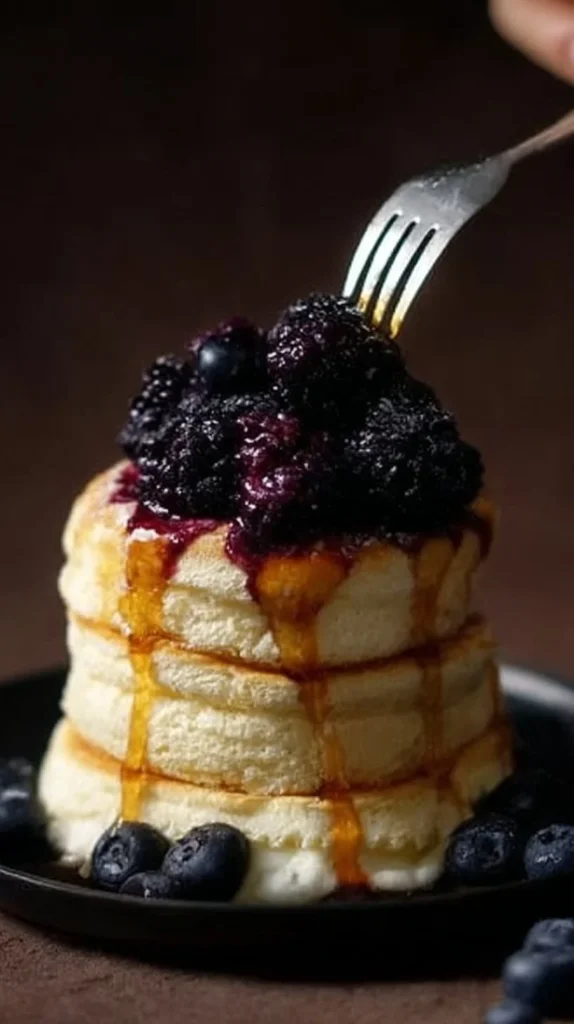
Serve these pancakes warm with a dusting of powdered sugar, a spoonful of sweetened whipped cream, assorted berries, and a little maple syrup. The contrast of cold cream and warm pancake is part of the joy.
To store leftovers: place pancakes in a single layer with parchment between them in an airtight container and refrigerate for up to 2 days. For longer storage, freeze in a single layer on a tray then transfer to a freezer bag for up to one month.
To reheat while keeping texture: gently rewarm in a nonstick pan over low heat with a lid on for a few minutes, or use a microwave in short 10–15 second bursts, checking between bursts so they don’t overheat. Reheating in a pan with a lid helps recover some of the original texture because it adds gentle steam.
Questions new cooks often ask about this recipe
- How long does each pancake take to cook? Plan on a few minutes per side over low to medium-low heat. The exact time depends on your stove; watch the edges and surface for cues rather than the clock.
- Do I need special rings or molds? No — they help make a taller, cleaner edge, but you can spoon and shape the batter into mounds for an equally delicious result.
- Is it normal for pancakes to wobble when you pick them up? Yes. They’re meant to be soft and jiggly inside. A slight wobble is a good sign of a tender interior.
- My pancakes browned too fast — what now? Lower the heat and cover the pan to finish cooking using steam. That evens the interior without burning the bottom.
- What if my egg whites deflate? If deflation is mild, continue — your pancakes may be a touch flatter but still soft. If they collapse completely, you can re-whip fresh whites and fold them in carefully.
If you’re unsure at any point, slow down, look for the visual signs described, and remember that small imperfections are part of learning.
Final encouragement from Carla
Cooking is a series of small experiments that build into lasting skill. These Fluffy Japanese Soufflé Pancakes are a gentle way to practice texture, folding, and stovetop patience — and they reward you with delicious, comforting results. Give yourself permission to take time with the steps, to learn as you go, and to enjoy the process as much as the plate at the end. Each attempt teaches you about your stove, your bowl, and your hands — that’s progress.
Conclusion
If you want another detailed guide with slightly different tips and a visual reference, I recommend this helpful recipe guide from a trusted source that focuses on the technique: The Best Japanese Pancakes Recipe – modern asian baking. For a step-by-step video demonstration that some cooks find reassuring, this video tutorial is excellent: Fluffy Japanese Soufflé Pancakes (Video) スフレパンケーキ. And if you’d like another written take with different tips and serving ideas, this recipe write-up is a nice companion: Fluffy Japanese Soufflé Pancakes | Two Plaid Aprons.
Keep going — you’re doing well. Each breakfast you make is practice that builds confidence and joy in the kitchen.
Fluffy Japanese Soufflé Pancakes
Ingredients
Method
- Separate the eggs, placing the whites in a mixing bowl and the yolks in another.
- Add milk, vanilla extract, lemon zest, flour, baking powder, white vinegar, and sugar to the yolks and mix until just combined.
- Whip the egg whites until soft peaks form, then gently fold the whites into the yolk mixture until no large streaks remain.
- Preheat a nonstick skillet over low-medium heat, adding a little oil to prevent sticking.
- Spoon the batter into the pan, forming tall mounds.
- Cover the skillet and cook for a few minutes until the sides are set and bubbles form on the surface.
- Flip the pancakes carefully and cook for another few minutes.
- In a chilled bowl, whip the heavy cream with sugar and vanilla extract until soft peaks form.