
High Protein Carrot Cake Overnight Oats
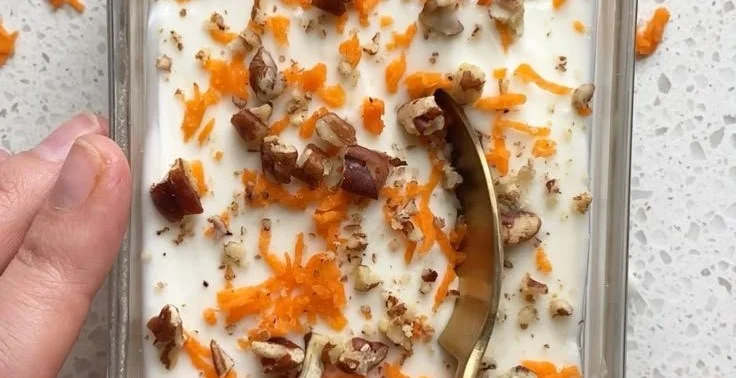
If you’re someone who wants a breakfast that feels like dessert but starts your day with real protein and steady energy, this High Protein Carrot Cake Overnight Oats recipe is for you. I’m Carla Carter, Founder & Recipe Developer of RecipesCabin, and I develop recipes that help you build kitchen confidence one simple recipe at a time. This one is approachable because it asks for just a few familiar ingredients, almost no active cooking, and gives you a ready-to-eat breakfast the next morning.
Make-ahead breakfasts can feel tricky the first time, but the method here is forgiving — you’ll get a creamy, carrot-cake–flavored jar without stress. If you enjoy make-ahead protein breakfasts, you might also like my no-bake high protein cheesecake fluff, which uses many of the same pantry-friendly ideas. Stick with me and I’ll walk you through what to expect, what to look for, and how to tweak things without worrying about mistakes.
Why this recipe is easy to get right
This recipe is forgiving for several reasons. First, there’s no heat involved, so you’re not risking overcooking or burning anything. The ingredients do their work over time while the oats hydrate — a gentle, predictable process. Second, the recipe builds creaminess through simple mixing rather than technical emulsions or foams, so the texture is stable even if measurements are a touch off.
Flexibility is built in: the oat-to-liquid ratio can tolerate a little variation, and small differences in sweetness or spice won’t make the recipe fail. The protein powder and Greek yogurt provide structure and creaminess, so if your carrots are coarser or your raisins are a little dry, the overall result still holds together and tastes great. Because the texture develops in the refrigerator, you’ll see the true result only after the resting period — that’s when the oats soften and flavors meld, which also gives you time to fix small issues before serving.
How to make High Protein Carrot Cake Overnight Oats
Start by gathering everything so you aren’t searching for items at the last minute. Combine the dry and wet ingredients in a bowl, stir until evenly mixed, add the raisins, move the mixture into a jar or container, and refrigerate overnight. In the morning, stir and top with nuts — that’s the whole flow.
What happens first: the oats absorb the liquid. Visually you’ll see the mixture move from loose and milky to thicker and more cohesive as the oats swell. Smell-wise, the cinnamon and nutmeg will bloom, giving you that warm carrot cake aroma.
Next: overnight rest. During this quiet step the flavors marry and the oats soften. This is not the time to stir obsessively — give the oats the full resting period the recipe asks for so they achieve the right texture.
Last: finish and serve. A short stir in the morning wakes the mixture up and evenly distributes any settled spices or yogurt. The chopped walnuts or pecans provide a contrasting crunch and a fresh, nutty flavor that brightens the bowl.
Where beginners should slow down: mixing at the beginning. Take a moment to whisk or stir thoroughly so the protein powder dissolves and the spices are evenly distributed. This small extra step reduces clumps and ensures consistent flavor and texture in every spoonful.
If you like convertible breakfast ideas, try my easy high-protein cottage cheese pizza bowl recipe for a savory twist on make-ahead meals; the same principles of planning and simple mixing apply.
Ingredients
1 cup rolled oats, 1 cup almond milk (or milk of choice), 1 scoop vanilla protein powder, 1/2 cup grated carrots, 1/4 cup Greek yogurt, 1 tablespoon maple syrup (optional), 1 teaspoon cinnamon, 1/4 teaspoon nutmeg, 1/4 cup raisins, Chopped walnuts or pecans (for topping)
- 1 cup rolled oats: The backbone of the recipe. Rolled oats soak up liquid and become tender overnight; they give the oats body and that familiar chew. They’re a pantry staple and very forgiving — steel-cut oats wouldn’t soften as easily here, so rolled oats are the right choice for a no-cook method.
- 1 cup almond milk (or milk of choice): Provides the liquid that hydrates the oats and carries the flavors. Any milk will work; choose a texture you like. Almond milk is light, dairy milk gives more richness, and oat milk will add a touch of sweetness.
- 1 scoop vanilla protein powder: Adds protein and a touch of sweetness and flavor. It helps thicken the mixture and makes this breakfast more satisfying for hours. Vanilla is neutral and blends well with the spices.
- 1/2 cup grated carrots: The carrot gives the dish its carrot-cake identity — moisture, subtle sweetness, and a bit of texture. Grating is easy: use a box grater or food processor and aim for fine shreds so they blend smoothly into the oats.
- 1/4 cup Greek yogurt: Adds creaminess, tang, and extra protein. It makes the texture richer and helps bind flavors together without any cooking.
- 1 tablespoon maple syrup (optional): A gentle sweetener. It’s optional because the protein powder and raisins add sweetness on their own, but maple syrup gives that warm, caramel-like note that pairs nicely with spices.
- 1 teaspoon cinnamon and 1/4 teaspoon nutmeg: These spices create the carrot-cake profile. They’re small quantities but impactful — they warm the bowl and make it smell like a treat.
- 1/4 cup raisins: Little bursts of chew and sweetness that echo the classic carrot cake mix-ins. They soften during the overnight rest and become plump.
- Chopped walnuts or pecans (for topping): A crunchy finish that contrasts the creamy oats. Toast them lightly if you like a deeper flavor, but they’re lovely raw too.
None of these ingredients are complicated or intimidating — they’re everyday pantry items that play clear, simple roles in the recipe.
Directions
In a bowl, combine rolled oats, almond milk, protein powder, grated carrots, Greek yogurt, maple syrup, cinnamon, and nutmeg. Stir well to combine. Add raisins and mix again. Transfer the mixture to a jar or container and refrigerate overnight. In the morning, give it a stir and top with chopped walnuts or pecans before serving.
Supportive guidance:
- Visual cues to watch for: Right after mixing the ingredients, the mixture should look wet but not soupy; the oats should be fully coated and the protein powder dissolved. If you still see dry powder pockets, stir a bit longer or press the mixture with the back of a spoon to incorporate.
- Texture and timing hints: After refrigeration, the oats should be creamy and tender with a bit of body. If the oats feel too thick in the morning, add a tablespoon or two of milk and stir to loosen. If they seem runny, a few more minutes in the fridge will firm them up.
- Reassurance if things don’t look perfect immediately: Clumps of protein powder or pockets of yogurt are easy to fix — a good morning stir will smooth things out. If the carrots have settled slightly, they’ll re-distribute when you stir. Small imperfections in texture or distribution won’t change the overall flavor; the overnight rest is forgiving and completes the process.
Key techniques you’ll practice in this recipe
- Mixing to uniformity: Learning to stir thoroughly so protein powder dissolves and spices are evenly distributed sets you up for success in many no-cook recipes and dressings.
- Grating vegetables: Grating carrots to the right size teaches you control over texture — fine shreds integrate smoothly, while coarser shreds give more bite. This skill is useful for salads, fritters, and quick sautés.
- Balancing liquid and solids: Observing how oats absorb milk helps you understand hydration — a key concept for baking, porridge, and grain-based salads.
- Gentle topping and finishing: Adding nuts or toppings right before serving preserves crunch and contrast. The idea of finishing last-minute applies to many dishes and elevates the eating experience.
These are basic skills, and practicing them here will help you feel more in command when you try other make-ahead breakfasts or simple snacks.
Common mistakes and how to avoid them
- Mistake: Not mixing protein powder fully, leaving lumps. Fix: Stir a little longer at the start, or whisk briefly. A small extra effort prevents morning surprises.
- Mistake: Using too much liquid and ending up with soupy oats. Fix: Start with the specified 1 cup milk. If you prefer thicker oats, reduce the milk slightly next time; if they’re too thick in the morning, add a splash of milk and stir.
- Mistake: Grating carrots too coarsely so they feel raw and large. Fix: Aim for fine to medium shreds so they blend into the texture. If you’ve already grated too coarsely, a quick chop or a brief pulse in a food processor will help.
- Mistake: Forgetting to refrigerate long enough. Fix: The recipe needs an overnight rest (at least 6–8 hours) to let the oats soften. If you’re short on time, give it as many hours as you can and know it’ll still be edible — just a bit chewier.
- Recovering without starting over: If sweetness is off in the morning, stir in a little extra maple syrup or a spoonful of yogurt until balanced. If texture is uneven, redistribute with a spoon and let it sit 10–15 minutes in the fridge.
Small issues rarely require tossing the whole batch. Simple adjustments usually bring the jar back to where you want it.
How to adjust confidently without changing the recipe
While I won’t change the ingredient list or steps, here are principles for adjusting portions, flavor, and texture while keeping the recipe intact:
- Portion scaling: To double the recipe, mix in a larger bowl and store in two jars or one large container with the same ratio. Oats scale linearly — twice the oats, twice the milk, and so on — and the absorption behavior remains the same.
- Flavor preferences: If you favor more spice, add the extra spice at the start so it infuses overnight; if you prefer less, halve the cinnamon and nutmeg quantities next time. Small adjustments to sweeteners (a little more or less maple syrup) are safe and reversible.
- Texture tweaks: For creamier oats, use a slightly thicker milk (like whole milk or a creamier plant milk) or increase the Greek yogurt a touch in your own trial jar. For a firmer bite, either reduce milk slightly or let the mixture chill a bit longer.
These ideas let you experiment within the recipe’s structure, and each trial teaches you how small changes affect the result without risking failure.
Serving, storage, and reheating made simple
Best ways to serve:
- Stir the jar once you pull it from the fridge to redistribute any settled yogurt or spices. Top with chopped walnuts or pecans for crunch and a nutty aroma.
- Serve cold from the fridge for the classic overnight oats experience. If you prefer a slightly warmed bowl, see the reheating tip below.
Storage:
- Stored in an airtight jar or container, these oats will keep in the refrigerator for up to 3–4 days. That makes them great for regular make-ahead breakfasts or weekly meal prep; if you’re planning several days ahead, you might also enjoy my easy high-protein meal prep for the week ideas for other complementary breakfasts.
- Keep toppings like nuts separate until serving to preserve their crunch.
Reheating:
- If you like your oats warm, transfer a serving to a microwave-safe bowl and heat for 30–45 seconds, then stir and heat another 15–30 seconds if needed. The texture will be softer after heating, so go gently.
- Alternatively, let the jar sit at room temperature for 10–15 minutes to take the chill off before eating.
These simple habits keep the texture and flavor where they should be and make the recipe reliably good day after day.
Questions new cooks often ask about this recipe
- How long should I refrigerate? Aim for at least 6–8 hours. Overnight is ideal. If you’re in a hurry, even 3–4 hours will soften the oats a bit, but the texture won’t be quite the same.
- What containers work best? Any jar or sealable container works. A wide-mouth jar makes stirring and topping easier in the morning.
- Is it normal for the oats to be lumpy? Small lumps from protein powder or yogurt can happen — a good stir will smooth them out. If lumps persist, whisk briefly or use a fork to break them apart.
- Can I use different nuts or dried fruit? Yes, you can swap in your favorites for topping, but keep the 1/4 cup raisins as written since they contribute to the flavor balance. Toppings are flexible and best added just before serving.
- Will it spoil if I leave it out overnight? No — you must refrigerate overnight to keep the dairy (yogurt) and milk safe. Room temperature will encourage spoilage, so always chill the container.
These answers are meant to reduce worry and help you feel capable — small questions are normal and easy to solve.
Final encouragement from Carla
I know trying a new breakfast routine can feel like a small leap, but this High Protein Carrot Cake Overnight Oats recipe is a gentle, reliable way to get there. The steps are simple, the ingredients are kind to busy lives, and the technique you’ll practice—mixing well, balancing liquid, and finishing with a fresh topping—will serve you across many recipes. Trust the process, lean into the sensory cues (look for creaminess, smell the spices, feel for the right thickness), and remember that a little adjustment is part of learning. Every jar you make teaches you something new, and I’m proud you’re taking the step. Keep going—you’re doing great in the kitchen.
Conclusion
For more inspiration and variations on carrot-cake–inspired breakfasts, I often look to other recipe developers; this version complements ideas like Carrot Cake Overnight Oats – Nourished by Nic for different flavor playbooks. If you want another protein-forward take to compare technique and texture, check out Carrot Cake Overnight Protein Oats – Running on Real Food. And for a higher-protein twist with slightly different ratios and add-ins, see Higher Protein Carrot Cake Overnight Oats – Hummusapien.
High Protein Carrot Cake Overnight Oats
Ingredients
Method
- In a bowl, combine rolled oats, almond milk, protein powder, grated carrots, Greek yogurt, maple syrup, cinnamon, and nutmeg. Stir well to combine.
- Add raisins and mix again.
- Transfer the mixture to a jar or container and refrigerate overnight.
- In the morning, give it a stir and top with chopped walnuts or pecans before serving.