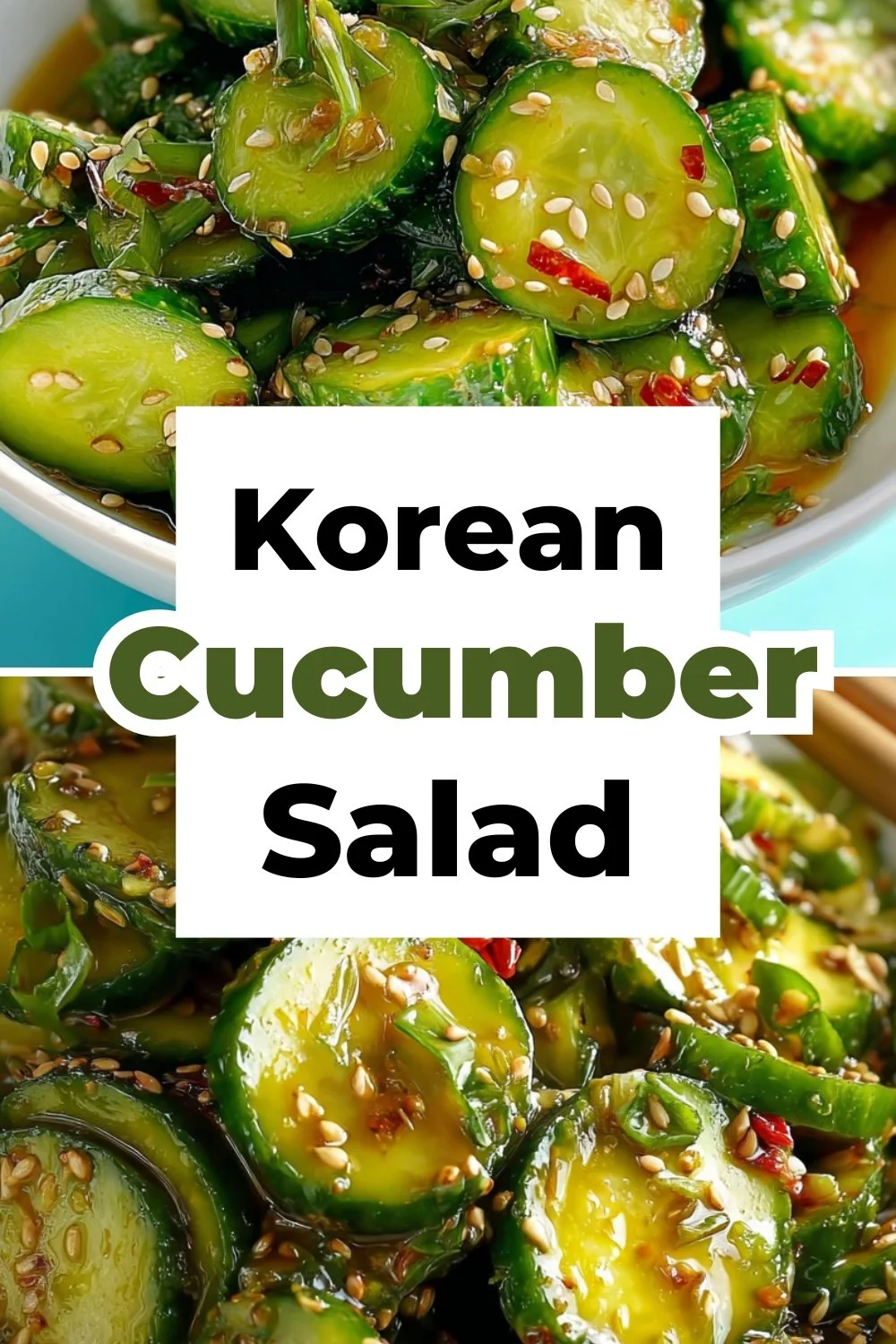
Korean Cucumber Salad
Introduction
I like recipes that feel effortless but not empty — dishes you can reach for any night of the week and feel confident serving alongside a protein, grain, or on their own. This Korean Cucumber Salad is exactly that kind of recipe: fresh, crunchy, and big on flavor without weighing the plate down. It works because it relies on contrast — crisp cucumbers, a bright vinegar-sugar dressing, a touch of toastiness from sesame oil, and a little heat from red pepper flakes. Those contrasts do the heavy lifting so you get satisfaction from texture and flavor rather than richness.
For weeknights, this salad is a natural companion to simple mains like grilled fish, pan-fried tofu, or a bowl of steamed rice with a saucy topping. It’s equally comfortable on lunches — make a batch in the morning and it keeps its character for several hours. Because it’s quick to assemble and stores well, it’s one of those repeat-cooking recipes that stays interesting without demanding much from your day.
How this recipe fits into a balanced lifestyle
I think balance at the table is about pairing foods that keep meals enjoyable and varied. This salad supports that by adding a fresh, low-effort element to richer or more concentrated dishes. Rather than framing it as a “light swap” or a restriction, it’s a way to create harmony on the plate: bright, acidic notes cut through oilier components; crunch gives a satisfying mouthfeel that carbs alone don’t offer.
Feeling lighter at a meal often comes down to portion sizes, ingredient quality, and cooking methods. Here, the simple technique — letting cucumbers release excess water, then dressing them — creates a dish that feels clean and energizing. The flavor is immediate and forward, so you don’t miss heavy sauces. It’s a practical tool for a week where you want food that supports your energy without fuss.
How to make Korean Cucumber Salad
At its heart this recipe is a short flow: salt the cucumbers to control water, mix the dressing, combine, and let things marry for a few minutes. The simplicity is generous — you don’t have to micromanage anything to get a bright, satisfying result.
Where simplicity matters most is in resisting the urge to overwork the cucumbers. A light hand when tossing keeps them crisp; aggressive pounding or over-salting can make the texture limp. Treat the dressing as a flavor boost, not a soak — the cucumbers should remain crunchy and cool. Work in stages: allow the salt to draw out water, drain well, then add the dressing. The small pause in the process is what gives the final bite that clean, refreshing quality.
Ingredients
2 cucumbers, 1 tablespoon salt, 1 tablespoon sugar, 2 tablespoons rice vinegar, 1 tablespoon sesame oil, 1 clove garlic, minced, 1 teaspoon red pepper flakes, Sesame seeds for garnish
Each item here has a clear role:
- Cucumbers: They’re the backbone — crisp, hydrating, and mild. Their texture is what makes this salad feel light and refreshing.
- Salt: Used to draw out excess water and concentrate the cucumber’s flavor. This step prevents the dressing from becoming diluted and keeps the finished salad lively.
- Sugar: Balances the acidity of the vinegar and rounds out the bite. In small amounts it smooths the edges and makes the dressing feel complete.
- Rice vinegar: Provides the bright, tangy note that defines many Korean-style quick salads. It’s gentle and slightly sweet compared with sharper vinegars.
- Sesame oil: Adds a toasty, aromatic depth. A little goes a long way — it’s more about scent and nuance than fat.
- Garlic, minced: Gives a savory, anchoring note that pairs well with the acidity and sesame. Use fresh garlic for the best, clean flavor.
- Red pepper flakes: Bring a touch of heat and visual interest. Adjust to taste, but even a teaspoon offers a subtle lift that complements the other flavors.
- Sesame seeds: A final garnish for texture and a mild nutty finish. They make the dish feel complete without adding heaviness.
The simplicity of these ingredients is intentional. Balance comes from how they work together — acid and sweet, crunch and aroma — rather than from removing elements. Thoughtful, minimal ingredients mean the salad stays light but never one-dimensional.
Directions
- Slice the cucumbers thinly and place them in a bowl.
- Sprinkle with salt and let sit for about 15 minutes to draw out excess water.
- In another bowl, mix together sugar, rice vinegar, sesame oil, minced garlic, and red pepper flakes.
- Drain excess water from the cucumbers and add them to the dressing.
- Toss to combine and let marinate for 10-15 minutes.
- Garnish with sesame seeds before serving.
As you move through the steps, here’s what to watch for and how to keep it simple:
- Step 1: Slice thinly for the right texture. Thin rounds or half-moons give the best surface area for the dressing to cling to while staying crisp. Use a sharp knife or a mandoline if you have one, but don’t force perfection — evenly sized slices are helpful but not critical.
- Step 2: After salting, you should notice beads of moisture on the cucumber surface and perhaps a little liquid pooled in the bowl. That’s your cue that the salt is doing its job. Fifteen minutes is enough; longer will soften them more than you want.
- Step 3: Whisk the dressing briefly until the sugar is mostly dissolved. The sesame oil doesn’t need emulsifying — it’s there to add aroma, not to make a thick sauce.
- Step 4: Drain well. If the cucumbers are soggy when they meet the dressing the result will be watered down and less crisp. A quick press with clean hands or a short spin in a salad spinner helps.
- Step 5: Toss gently. You want the dressing to coat the slices without bruising them. The marinating time loosens flavors and lets the garlic and red pepper flakes mingle with the cucumbers.
- Step 6: Add sesame seeds at the end so they stay visually appealing and slightly crunchy.
Avoid overcomplicating: the biggest mistake is fussing with ratios mid-process or adding extra liquid. Trust the simple balance the recipe sets up, watch for the visual cues, and taste before serving.
The role of preparation in keeping this dish light
How you prepare ingredients changes how a dish feels. Here, preparation is minimal but purposeful: salting to remove water, slicing thinly for crispness, and letting flavors mingle briefly. Those small steps mean the cucumbers keep structure and the dressing remains lively rather than diluted.
Technique matters as much as ingredients. For example, if you skipped the salting step, the cucumbers would release water into the dressing and make it bland. If you over-salted, they’d go soft and lose that satisfying crunch. Likewise, gentle tossing preserves texture; vigorous mixing breaks cell walls and shifts the mouthfeel toward mushy. These are subtle choices that determine whether a meal feels light and refreshing or flat and heavy.
Small choices like using fresh garlic, measuring the vinegar and sesame oil, and draining thoroughly shape the final result. Those moments of attention are what make simple food feel considered and satisfying without adding complexity.
Simple ways to adjust without losing balance
You can personalize this salad in small, thoughtful ways that preserve its spirit:
- Increase or decrease spice: Adjust red pepper flakes to taste. A pinch more heightens the kick without adding calories or weight.
- Brightness control: If you prefer more tang, add a little extra rice vinegar, but do so in small increments to maintain balance with the sugar.
- Texture tweaks: If you like a bit more chew, slice cucumbers slightly thicker; for more bite, shave them paper-thin. Both options keep the dish light.
- Add fresh herbs sparingly: A few chopped scallions or a little cilantro can add herbal brightness. Use them sparingly so they complement rather than dominate.
- Toasted sesame seed variation: Experiment with lightly toasting the sesame seeds for a deeper aroma; it’s a small change with a noticeable effect.
These adjustments are conceptual — they don’t change the core recipe but let you nudge flavor and texture according to preference. The goal is to maintain the salad’s refreshing character while making it feel personal.
Pairing ideas for a complete, well-rounded meal
This cucumber salad is versatile, so think about complements that balance textures and provide variety:
- Proteins: Grilled or pan-seared fish, baked tofu with a soy glaze, or thinly sliced roast chicken. Choose preparations that aren’t overly sauced so the salad’s brightness can cut through.
- Grains: A simple bowl of steamed rice, quinoa, or barley provides a neutral base. The salad’s acidity pairs well with whole grains and adds lift to each bite.
- Warm components: A small portion of roasted sweet potato or sautéed mushrooms adds earthiness and a comfortable contrast in temperature.
- Other sides: A light soup (miso or clear vegetable) or a simple kimchi can round out the plate with complementary flavors.
- Assembly idea: Create balanced bowls — a grain, a protein, a small warm vegetable, and a generous scoop of this cucumber salad to add freshness and crunch.
Aim for portion harmony: keep the salad as a bright accent rather than a caloric centerpiece. That approach gives you a satisfying, varied plate without feeling heavy.
Storage, leftovers, and next-day enjoyment
This salad stores well, but the texture evolves. Refrigerated in an airtight container, it will keep for 2–3 days. After the first day the cucumbers may soften slightly as they continue to release moisture. To preserve the best texture:
- Drain any excess liquid before storing to avoid sogginess.
- Store in a shallow container for faster cooling and to maintain color.
- If you plan to eat it the next day and want extra crispness, keep the dressing separate and toss just before serving.
Reheating isn’t necessary — this is best served chilled or at room temperature. If you need to bring it to life after refrigeration, give it a brief toss and a tiny squeeze of fresh rice vinegar or a sprinkle of sesame oil to revive the aromatics. That small refresh can make leftovers taste nearly as bright as freshly made.
Common questions about lighter everyday cooking
Q: How much should I make per person? A: As a side, plan on about 1/2 to 3/4 cup per person. It’s a flavorful accent, so a modest portion goes a long way. If it’s a main component in a composed bowl, increase accordingly.
Q: Can I prepare this in advance for a meal prep week? A: Yes. Prepare the cucumbers and dressing separately and combine when ready to eat if you want maximum crunch. If mixed ahead, expect a slight softening over 24 hours but still a flavorful result.
Q: How do I keep meals from feeling repetitive during the week? A: Rotate textures, colors, and cooking methods. If you have this cucumber salad one night with grilled salmon, the next night pair it with a warm grain and roasted vegetables. Small swaps keep the overall routine interesting without extra effort.
Q: Are lighter meals satisfying enough for dinner? A: Absolutely — satisfaction comes from variety and balance. When you combine a fresh element like this salad with a protein and a cooked starch or vegetable, you get contrast in temperature, texture, and flavor that feels complete and enjoyable.
Final thoughts from Daniel
I come back to this Korean Cucumber Salad because it’s dependable: quick to make, bright, and flexible. It supports the idea that lighter meals don’t have to be restrictive — they simply emphasize different qualities: crunch, acid, and aroma over heavy richness. Cooking intuitively with small, mindful adjustments will help you keep meals balanced without sacrificing comfort.
Make this salad when you want something that wakes up a plate and keeps things feeling fresh. It’s a simple tool in the weeknight toolbox that rewards minimal effort with a lot of immediate flavor. Treat the recipe as a reliable base, and don’t be afraid to nudge little details to match your preferences.
Conclusion
If you want different takes on this classic, I like comparing versions to see how small shifts change the result — for a straightforward guide try Simple Korean Cucumber Salad (Oi Muchim 오이무침) – Kimchimari, for a spicier interpretation take a look at Korean Cucumber Salad (Oi Muchim) – My Korean Kitchen, and for another approachable home-cook perspective see Korean Cucumber Salad | Feasting At Home. These resources are helpful if you want to explore variations while keeping the core idea intact.

Korean Cucumber Salad
Ingredients
Method
- Slice the cucumbers thinly and place them in a bowl.
- Sprinkle with salt and let sit for about 15 minutes to draw out excess water.
- In another bowl, mix together sugar, rice vinegar, sesame oil, minced garlic, and red pepper flakes.
- Drain excess water from the cucumbers and add them to the dressing.
- Toss to combine and let marinate for 10-15 minutes.
- Garnish with sesame seeds before serving.