High Protein Cottage Cheese Pasta Salad – theamazingfood
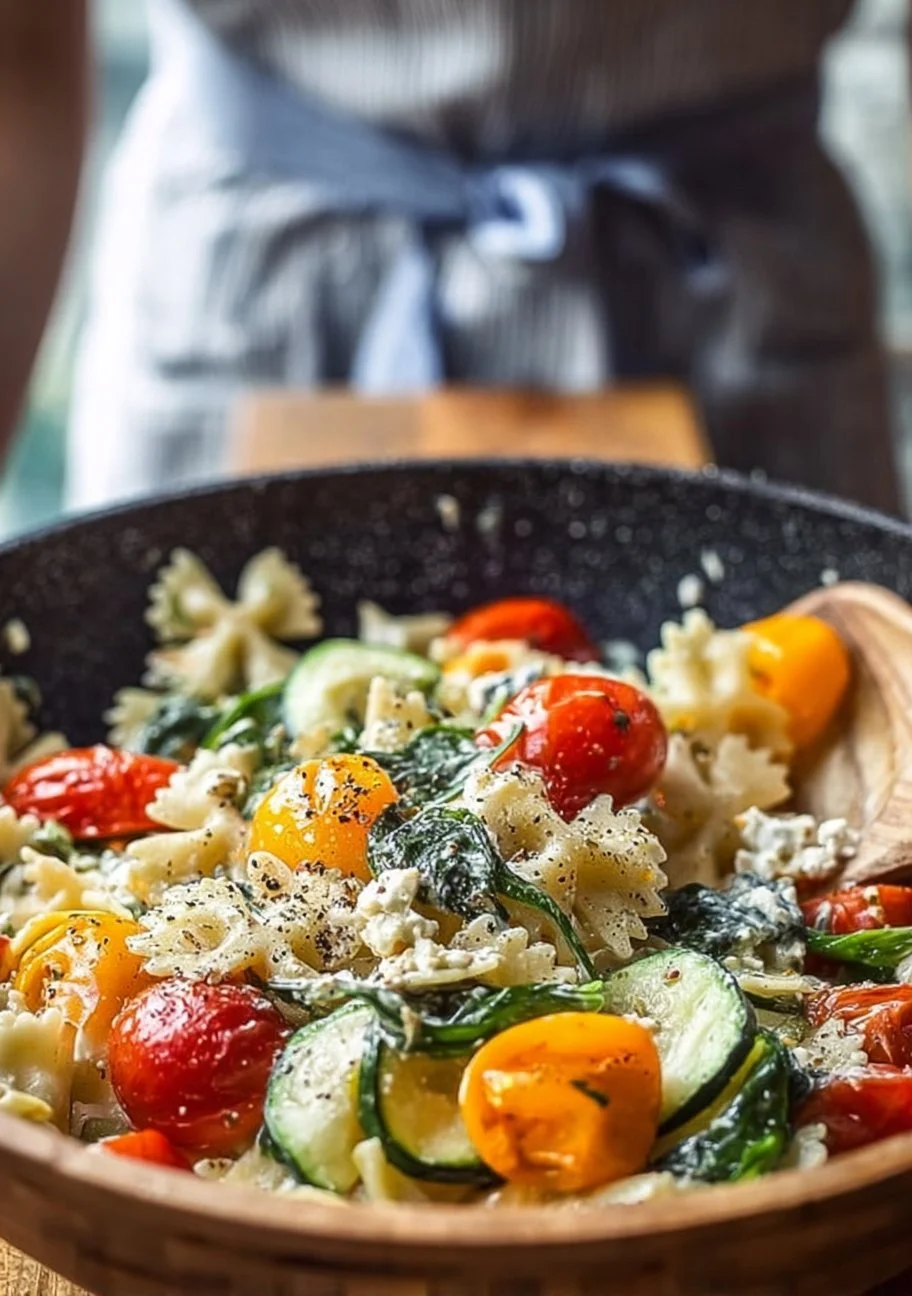
This High Protein Cottage Cheese Pasta Salad from theamazingfood is one of those recipes that quietly solves a lot of weeknight meal needs. It’s straightforward to make, uses pantry-friendly pasta and crisp produce, and leans on cottage cheese to deliver both creaminess and a protein boost. For people who want meals that feel lighter without being skimpy, this salad strikes the right balance: familiar flavors, a pleasing mix of textures, and enough staying power to serve as lunch, a simple dinner, or part of a weekend meal prep rotation.
If you enjoy recipes that make the most of versatile, protein-rich ingredients, you might also appreciate an easy high-protein cottage cheese pizza bowl that uses the same idea of swapping heavier cheeses for cottage cheese to keep things satisfying but not dense. This pasta salad fits naturally into days when you want something bright and wholesome without a lot of fuss.
How this recipe fits into a balanced lifestyle
This salad supports a practical approach to balance: it combines carbohydrates, vegetables, and a generous portion of protein in a single bowl without relying on heavy dressings or long cooking lists. The cottage cheese provides creaminess and texture in place of higher-fat creams or mayo-based sauces, which helps the dish feel lighter while still delivering satiety. The addition of fresh vegetables—cucumber, tomato, bell pepper, spinach—adds volume, fiber, and refreshing contrast that keeps each bite lively.
Because the recipe is built from straightforward, recognizable ingredients, it’s easy to integrate into a weekly plan. Make a batch for lunches, portion it into containers for grab-and-go meals, or serve it as a side for a protein-forward main. If you like rotating flavors week to week, this base responds well to small changes: a splash of lemon, an extra pinch of oregano, or a slightly different vinaigrette can shift the character without overhauling the whole dish. If you enjoy other cottage-cheese-forward ideas, the simplicity of this salad follows the same logic as the high-protein cottage cheese cookies concept—use one ingredient thoughtfully to elevate both nutrition and enjoyment.
How to make High Protein Cottage Cheese Pasta Salad – theamazingfood
The overall flow of this recipe is intentionally simple: cook pasta, prep vegetables, combine cottage cheese and dressing, toss, and chill or serve. The places where simplicity matters most are timing (don’t overcook the pasta) and gentle handling (dress the salad when the pasta is cooled so the cottage cheese keeps its texture). Approach this recipe without overthinking—measure once, prep ahead a little, and let the ingredients speak.
Start with a large pot of boiling, salted water for the pasta. While the pasta cooks, do your knife work: dice cucumber and yellow pepper to even 1/2-inch pieces, halve or quarter the tomatoes, and finely dice the red onion so it distributes without overwhelming a bite. Chop the spinach into short ribbons so it weaves through the pasta instead of clumping. Once the pasta is drained and cooled slightly, fold everything together with the cottage cheese, dressing, lemon, and oregano. Taste and adjust salt and pepper last; acidity from the lemon and dressing can shift flavors, so a final seasoning check is key.
A helpful tip: if you plan to pack this for lunch, let it sit in the refrigerator for at least 20–30 minutes so flavors meld. If you’re serving immediately, the contrast between warm pasta and cool cottage cheese is pleasant, but avoid piping hot pasta or the dairy will warm and lose its textural charm. For a deeper look at using cottage cheese as a central ingredient in balanced recipes, consider the savory, oven-based approach in this high-protein veggie bake with cottage cheese, which shares the same philosophy of making cottage cheese work for texture and protein.
Ingredients
14 oz pasta (I always use Barilla rotini for the best texture), 1 large cucumber (diced into 1/2-inch pieces), 1.5 cups tomatoes (halved or quartered), 1 yellow bell pepper (diced into 1/2-inch pieces), 1/4 cup finely diced red onion, 1/2 cup spinach (chopped into 1/2-inch ribbons), 1 lemon, 1/2 cup italian dressing (I prefer Ken’s Steak House for a zesty flavor), 1 pinch oregano, 1.5 cups cottage cheese (I use Good Culture for a thicker, creamier consistency), salt to taste, pepper to taste
- 14 oz pasta (Barilla rotini): Rotini holds dressing and cottage cheese well in its nooks and edges, so every bite has pasta plus a bit of creamy and crunchy texture. Using a shape with ridges helps the salad feel cohesive rather than watery.
- 1 large cucumber (diced into 1/2-inch pieces): Cucumber brings coolness and crunch, cutting through the creaminess and keeping each forkful refreshing.
- 1.5 cups tomatoes (halved or quartered): Tomatoes add juiciness and a pleasant acidic counterpoint, which brightens the salad.
- 1 yellow bell pepper (diced into 1/2-inch pieces): Bell pepper contributes sweetness and a crisp bite that contrasts with the pasta and cottage cheese.
- 1/4 cup finely diced red onion: A little red onion goes a long way—finely diced, it adds a mild sharpness without overpowering.
- 1/2 cup spinach (chopped into 1/2-inch ribbons): Spinach adds color, a light leafy texture, and a subtle vegetal note that makes the salad feel nutritionally complete.
- 1 lemon: A squeeze of lemon lifts the whole bowl, amplifying freshness and balancing the dressing.
- 1/2 cup italian dressing (Ken’s Steak House recommended): A zesty vinaigrette keeps the salad bright and binds flavors without making it heavy.
- 1 pinch oregano: A pinch of oregano offers herbaceous warmth and ties the Italian dressing into the rest of the mix.
- 1.5 cups cottage cheese (Good Culture recommended): Cottage cheese supplies protein and a creamy body that replaces heavier mayo or cream-based sauces; pick a thicker variety for better texture.
- Salt and pepper to taste: Final seasoning lets you fine-tune the salad to your palate.
Choosing simple, familiar ingredients matters because it keeps the dish approachable and flexible. Instead of relying on heavy dressings or large amounts of oil, this recipe balances creaminess with acid, protein with produce, and texture with shape—no one element needs to be extreme for the whole to feel satisfying.
Directions
- Bring a large pot of salted water to a boil and cook the pasta according to package instructions until al dente. Drain and rinse under cold water to stop cooking and cool the pasta.
- While the pasta cooks, prepare the vegetables: dice the cucumber and yellow bell pepper into 1/2-inch pieces, halve or quarter the tomatoes to reach about 1.5 cups, finely dice 1/4 cup red onion, and chop 1/2 cup spinach into 1/2-inch ribbons.
- In a large bowl, combine the cooled pasta with the prepared vegetables.
- Add 1.5 cups cottage cheese, 1/2 cup italian dressing, the juice of 1 lemon, and 1 pinch oregano.
- Gently toss everything together until evenly coated, then season with salt and pepper to taste.
- Chill for at least 20–30 minutes if possible to let flavors meld; serve cold or at room temperature.
As you work through these steps, look for a few practical signals that the dish is coming together: the pasta should be cooled enough that the cottage cheese maintains some firmness rather than melting into a thin sauce; the vegetables should still have crisp edges; and the dressing and lemon should taste bright but balanced—if the mixture tastes flat, a small additional squeeze of lemon or a pinch more salt will often do the trick. Avoid overcomplicating by skipping any unnecessary steps: there’s no need to sauté or roast here—the fresh contrasts are the point.
The role of preparation in keeping this dish light
Preparation choices determine whether a dish feels light or heavy more than any single ingredient. In this salad, a few simple steps keep the final plate fresh:
- Cooking method: Boiling the pasta to al dente instead of soft prevents it from becoming pasty when dressed. Firm pasta retains bite and distinguishes itself from the creamy cottage cheese.
- Cooling: Rinsing the pasta with cold water immediately stops residual cooking, helping the cottage cheese stay textured rather than breaking down into a thin sauce.
- Knife work: Even, appropriately sized vegetable pieces (about 1/2-inch) create a consistent mouthfeel—too large and they dominate, too small and the salad becomes mushy.
- Timing: Adding dressing and lemon after the pasta has cooled preserves brightness. If you dress piping-hot pasta, acids can flatten and dairy can warm, changing texture and taste.
Technique matters as much as ingredients here. Small, intentional habits—salting the pasta water, using a sharp knife, and tasting before final seasoning—make the salad feel thoughtfully prepared and prevent heaviness from creeping in through overworked components.
Simple ways to adjust without losing balance
If you want to personalize this salad, focus on small, flavor-forward tweaks rather than big swaps that change the balance. A few ideas:
- Extra herb lift: Add a tablespoon of chopped fresh basil or parsley for an aromatic lift that keeps the salad bright.
- Swap the dressing style: If you like a less tangy profile, choose a milder Italian or a lemon-olive oil vinaigrette in the same quantity to retain balance.
- Add crunch: Toasted sunflower seeds or a small sprinkle of chopped walnuts add texture—use sparingly to maintain the light feel.
- Heat: A pinch of red pepper flakes or a dash of hot sauce can enliven the bowl while leaving the core profile intact.
- Serve with a protein: For a heartier meal without making the salad heavy, place a simply grilled chicken breast or a few slices of seared tofu on top rather than mixing in richer ingredients.
All adjustments should respect the ratio of pasta to veggies and protein so that no single element overwhelms the freshness and lift of the salad.
Pairing ideas for a complete, well-rounded meal
This salad can stand alone or be part of a composed plate. Light but satisfying side options include:
- A simple grilled or roasted fish fillet (like salmon or cod) for complementary protein and a contrasting warm element.
- A crusty whole-grain roll or a slice of toasted sourdough if you want a bit more comfort without heaviness.
- A side of roasted seasonal vegetables—think asparagus or cherry tomatoes—if you prefer more warm components.
- A small bowl of fruit or a citrusy yogurt for a light, refreshing finish.
Think about textures: pair the cool, creamy salad with something warm and crisp or simply a bright, acidic component. Aim for variety on the plate rather than portion excess—small, deliberate sides will keep the meal balanced and enjoyable.
Storage, leftovers, and next-day enjoyment
This salad stores well but does change slightly over time. Store it in an airtight container in the refrigerator for up to 3 days. Because cottage cheese releases some moisture, the mixture may soften as it sits; stirring before serving helps redistribute any liquid. If you plan to keep it for a couple days, consider holding back a small portion of the dressing (about a tablespoon per serving) and add it just before eating to refresh the texture.
Reheating tips: this salad is best enjoyed cold or at room temperature. If you prefer a warm component, reheat a protein side separately (like chicken) and serve alongside rather than microwaving the salad itself—gentle warmth can make the dairy lose its preferred texture. For packed lunches, keep a lemon wedge and an extra drizzle of dressing on the side to revive brightness.
Common questions about lighter everyday cooking
- How much should I portion? Aim for a balanced plate: about 1 to 1.5 cups of this salad as a main dish for lunch or 1/2 to 1 cup as a side alongside a piece of protein and a small grain or bread.
- How do I avoid boredom from repeating meals? Rotate small elements—swap dressing, herbs, or crunchy toppings—rather than changing the whole base. Using similar staples in different formats (salads, bowls, bakes) keeps repetition interesting.
- Can cottage cheese replace heavier dairy in other recipes? Yes—cottage cheese is a versatile, textural stand-in for heavier creams or mayo in many preparations; blending it can create a smoother consistency if needed.
- How do I keep things satisfying when aiming for lighter meals? Prioritize protein, include a mix of textures, and use bright acids (lemon, vinegar) to make flavors pop without extra fat. Satisfaction often comes from contrast and variety, not volume alone.
Final thoughts from Daniel
This High Protein Cottage Cheese Pasta Salad is a practical, everyday dish that shows how thoughtful choices—texture, timing, and modest seasoning—can make lighter meals feel fully satisfying. It’s not about strict rules but about using ingredients like cottage cheese intentionally, bringing fresh produce into the mix, and letting simple techniques do the work. Give it a try on a busy weeknight or pack it for lunch the next day; I think you’ll find it a dependable, flavor-forward recipe to keep in rotation.
Conclusion
If you want another twist on pasta salads that keeps things lively and unexpected, the Dill Pickle Pasta Salad is an inventive example of using tang to refresh a classic. For broader inspiration on easy, healthy recipes that emphasize real food and approachable techniques, visit Clean & Delicious. And if you’re curious about everyday meal ideas and variety from different places, I liked the practical food notes in this Healthy Meals in Hawaii: What I Eat in a Day piece.
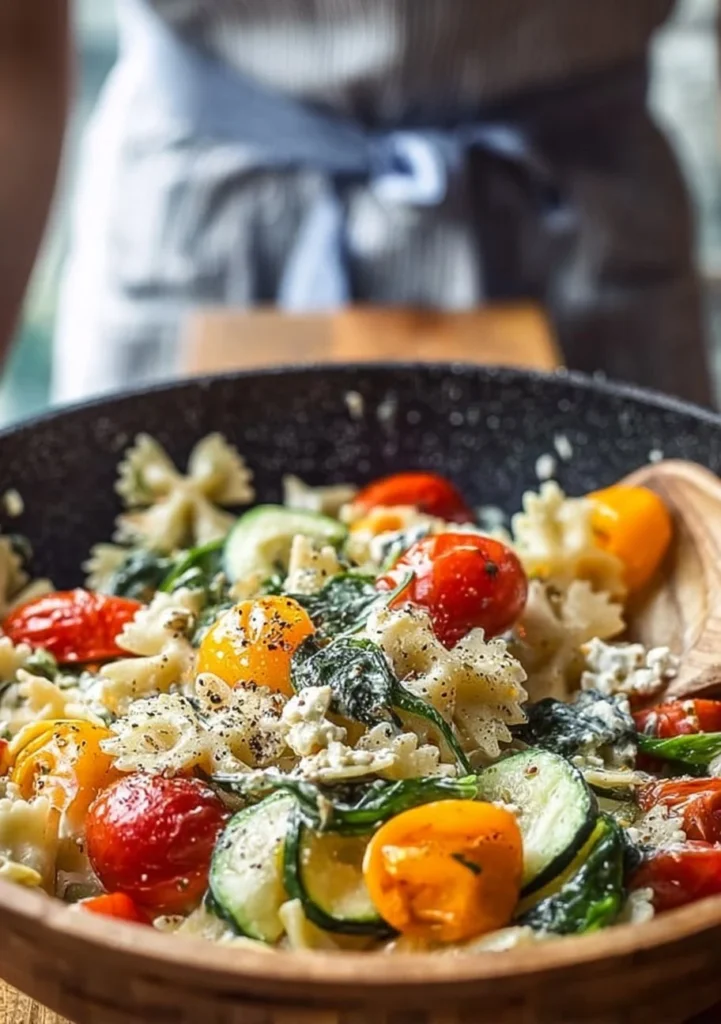
High Protein Cottage Cheese Pasta Salad
Ingredients
Method
- Bring a large pot of salted water to a boil.
- Cook the pasta according to package instructions until al dente.
- Drain and rinse under cold water to stop cooking and cool the pasta.
- Dice the cucumber and yellow bell pepper into 1/2-inch pieces.
- Halve or quarter the tomatoes.
- Finely dice the red onion and chop the spinach into short ribbons.
- In a large bowl, combine the cooled pasta with the prepared vegetables.
- Add the cottage cheese, Italian dressing, lemon juice, and oregano.
- Gently toss everything together until evenly coated.
- Season with salt and pepper to taste.
- Chill for at least 20–30 minutes if possible to let flavors meld.
- Serve cold or at room temperature.