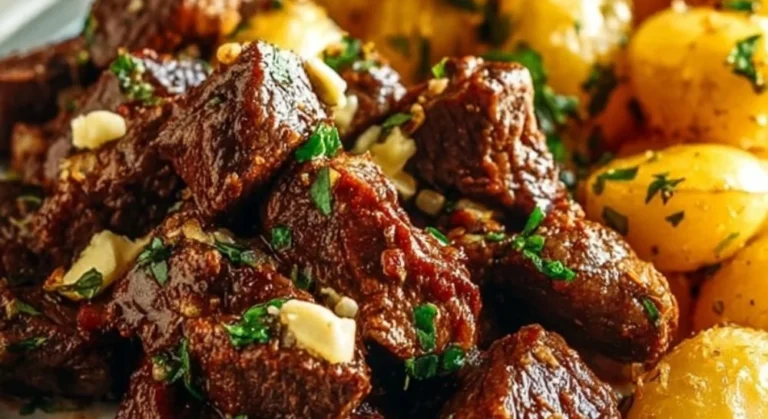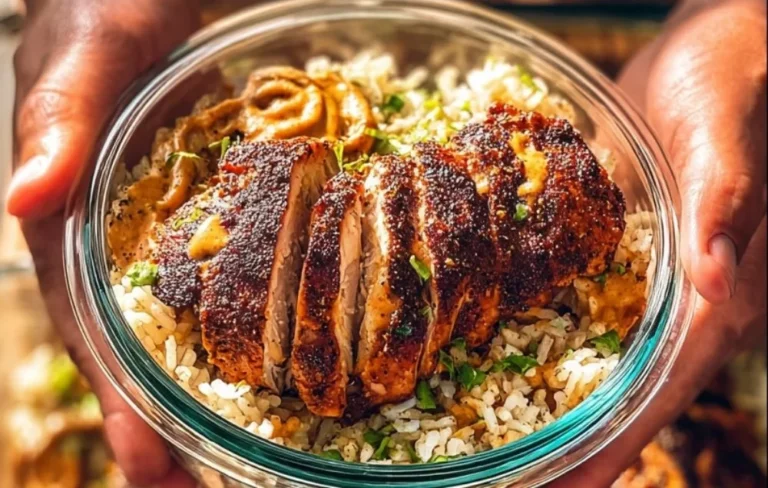
High Protein Creamy Cajun Chicken & Rice
Introduction
This High Protein Creamy Cajun Chicken & Rice is for anyone who wants a comforting, flavorful meal without a lot of fuss. Whether you’re new to cooking, coming back after some kitchen mishaps, or simply looking to add a high-protein weeknight dinner to your rotation, this recipe was designed to be approachable and forgiving.
If you like creamy, slightly spicy dishes that pair juicy chicken with saucy rice, this will feel familiar and exciting at the same time. For a similar comfort-meets-protein idea you might enjoy my creamy chicken and rice recipe, which uses many of the same techniques in a slightly different flavor profile. Read on — I’ll walk you through what to focus on and why each step matters so you feel calm and confident at the stove.
Why this recipe is easy to get right
This recipe is forgiving for a few simple reasons. First, the flavors are robust: the Cajun seasoning gives a bold backbone so small timing or temperature variations won’t make it bland. Second, textures in this dish are layered — a crispy seared chicken contrasts with soft rice and a creamy sauce — so if one element is a touch less perfect, the others still carry the dish.
You don’t need exacting precision. The chicken is marinated overnight so flavor builds even if your sear isn’t perfect. The creamy sauce smooths over small inconsistencies in the rice. And there’s space for small adjustments — a little more milk for a looser sauce or a couple extra minutes of sauté for softer onions. These flex points mean it’s a safe recipe to practice and to learn from.
How to make High Protein Creamy Cajun Chicken & Rice
At a glance, the process moves in a few clear stages: marinate the chicken, sear and rest the chicken, build the rice base, make the creamy sauce, then assemble.
First: marinate the chicken overnight. This is low-effort but high-impact — the seasonings soak in while you sleep, so when you cook, the chicken starts flavorful from the inside out.
Next: sear the chicken. Heat your pan until it’s hot enough to sizzle, add butter, and let the chicken develop a golden crust. That crust locks in juices and gives you a satisfying texture contrast.
Then: in the same pan, sauté onions and garlic to pick up the fond (the little browned bits left from the chicken). That fond contains concentrated flavor and will coat the rice so every grain tastes of the pan.
After that: lower the heat and create the creamy sauce by melting butter, adding seasoning, then whisking in milk, cream cheese, and Parmesan. The gentle heat allows the cheese to melt smoothly into a silky sauce.
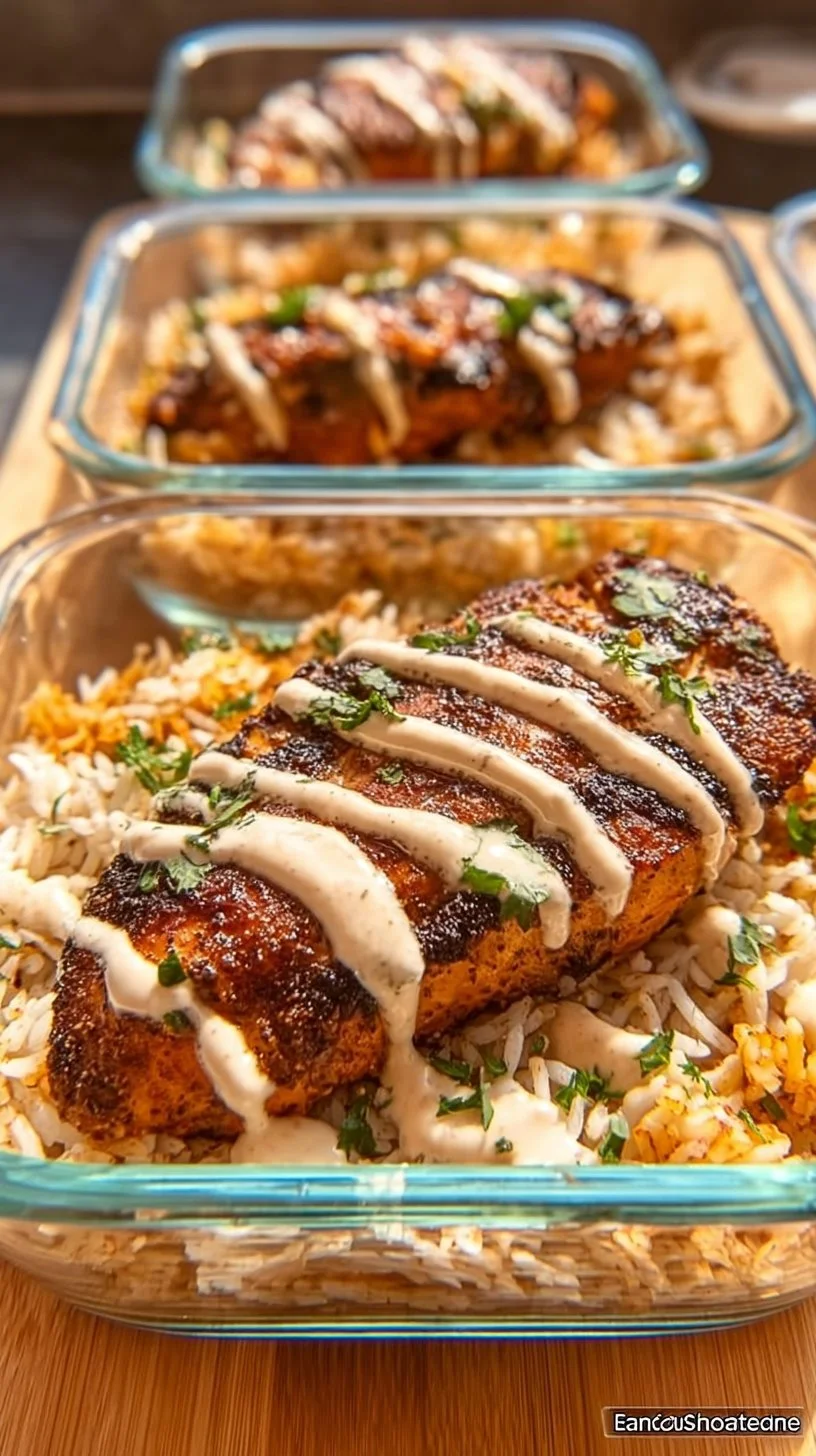
Finally: plate by layering rice, slicing the rested chicken, and drizzling the sauce over everything. A sprinkle of fresh parsley brightens it all.
Where beginners should slow down:
- Searing: make sure the pan is hot before the chicken goes in. A too-cool pan means the chicken steams rather than sears.
- Resting: let the chicken rest a few minutes before slicing to keep juices inside.
- Sauce: low and slow is kinder here — too-high heat can make dairy separate. If the sauce looks grainy at first, take the pan off the heat and whisk slowly; it often comes together.
I also want to point out a useful tip: if you’d like another high-protein chicken snack to practice similar skills, try my high-protein chicken zucchini poppers for practicing seasoning and pan-cooking small pieces of chicken.
Ingredients
1 Tsp Salt, 1 Tsp Black Pepper, 1 Tsp Garlic Powder, 1 Tsp Onion Powder, 1 Tsp Oregano, 1 Tsp Thyme, 1 Tsp Paprika, 1 Tsp Chilli Powder, 800 g Chicken Breast (cut into halves), 1.5 Cajun Seasoning Mix, 2 Tsp Olive Oil, 25 g Grass Fed Butter for Cooking, 1 Medium Red Onion (chopped), 4-5 Garlic Cloves (chopped), 1/2 Cajun Seasoning Mix, Fresh Parsley (for garnish), 15 g Grass Fed Butter, 1/2 Cajun Seasoning Mix, 250 ml Milk, 150 g Light Cream Cheese, 40 g Parmesan
What each ingredient does and why none are intimidating:
- Salt: enhances all flavors; small amount goes a long way.
- Black Pepper: adds a mild bite and warmth.
- Garlic Powder and Onion Powder: reliable base flavors that blend evenly into marinades and sauces.
- Oregano and Thyme: add herbal depth and balance the heat.
- Paprika and Chilli Powder: provide smoky and spicy notes; they color the chicken nicely.
- Chicken Breast (800 g, cut into halves): the main protein. Cutting into halves helps the chicken cook evenly and quickly.
- Cajun Seasoning Mix (total used in portions): this is the flavor star — intense, spicy, and aromatic.
- Olive Oil: helps the marinade cling and prevents sticking when searing.
- Grass Fed Butter (for cooking, and extra later): gives a rich flavor and helps with browning.
- Red Onion and Garlic Cloves: sautéed together they give a fragrant, savory base for the rice.
- Fresh Parsley: a bright, fresh finish that makes the plate look and taste lively.
- Milk, Light Cream Cheese, Parmesan: these three create the creamy, cheesy sauce that ties the dish together. Milk thins the sauce, cream cheese thickens and adds tang, and Parmesan gives umami and a nuttiness.
Together, these ingredients are familiar pantry items or easy-to-find groceries. They work as a team: spice for heat and aroma, dairy for creaminess, and butter/oil for browning and mouthfeel. If you’ve got the ingredients listed, you’ve got everything you need to make a satisfying plate.
Directions
Marinate the chicken breast pieces overnight with the Cajun Seasoning Mix and olive oil. Make sure each piece is well coated for the best flavor., Seal in flavor with an airtight glass container like this—way better than plastic bags for overnight marinades., Heat a pan over medium-high heat, and melt the grass-fed butter. Cook the marinated chicken until it develops a crispy, golden crust. Once cooked, let the chicken rest for a few minutes before slicing it into strips., If your chicken never gets that golden crust, try a cast iron skillet like this—locks in heat and flavor., In the same pan, sauté the chopped red onion and garlic cloves until fragrant. Add the remaining Cajun Seasoning Mix and toss in the day-old rice. Stir until the rice is well coated with all the flavors., Lower the heat and melt the butter in the pan. Add the Cajun Seasoning Mix, then slowly whisk in the milk. Once warmed through, add the light cream cheese and Parmesan, stirring until the sauce is smooth and creamy., A balloon whisk like this keeps sauces lump-free and creamy., Layer the Cajun rice on a plate, top with the sliced chicken, and drizzle the creamy sauce over the top. Garnish with fresh parsley for a pop of color.
Supportive guidance around the steps:
- Marinating: you’ll notice the chicken darken slightly and smell fragrant after a few hours. Overnight is best, but even an hour or two will help. If you don’t have a glass container, any airtight container works — just make sure it’s sealed so flavors concentrate.
- Searing chicken: the visual cue is a deep golden-brown crust and little browned bits on the pan (fond). If the pan smokes a lot, lower heat slightly — we want color, not burnt edges.
- Resting chicken: when you take the chicken off the heat, it will look slightly underdone in the center; resting allows carryover cooking and keeps it juicy. Wait 3–5 minutes before slicing.
- Sautéing onions and garlic: watch for the garlic to become fragrant but not browned — garlic burns quickly and becomes bitter. The onions should become translucent and soft, with a little color at the edges.
- Rice: using day-old rice here is ideal because it’s drier and separates easily, making it easier to get each grain coated with seasoning. If your rice is fresh, spread it on a plate to cool for a bit so it’s not clumping.
- Making the sauce: add the milk gradually and keep the heat low. Once the cream cheese is added, stir until you see a smooth, glossy sauce. If it looks grainy at first, patience and gentle heat usually bring it together — remove from direct heat if needed and stir.
- Assembly: arrange the rice first so the sauce doesn’t make it soggy right away. Slicing the chicken against the grain gives tender strips that are nicer to eat.
If something doesn’t look perfect — say the sauce seems thin — you can simmer it a minute longer to thicken, or remove a tablespoon, whisk it with a little extra cream cheese, and return it to the pan. Small fixes like that are part of cooking and totally normal.
Key techniques you’ll practice in this recipe
This recipe is a gentle way to practice foundational skills:
- Marinating: learn how seasonings penetrate protein and how time develops flavor.
- Pan searing: practice controlling heat so you get browning without burning.
- Building flavor from fond: using the browned bits left in the pan to flavor the next steps — a core technique for many one-pan meals.
- Gentle sauce-making: whisking dairy into a pan over low heat to create a smooth emulsion without curdling.
- Resting and slicing meat: keeping juices in the meat so it stays tender.
Each technique is transferable: searing and fond-building will improve your ability to make stir-fries, sauces, and pan-roasted vegetables. Gentle sauce-making helps with gravies, pasta sauces, and soups. These are cooking skills you’ll use again and again.
Common mistakes and how to avoid them
- Chicken steams instead of browns. Why: pan not hot enough or too much moisture on the chicken. Fix: pat the chicken dry before searing and make sure the pan is hot; don’t crowd the pan.
- Sauce separates or looks grainy. Why: heat too high or dairy added too quickly. Fix: lower the heat, whisk slowly, remove from heat if needed, and add dairy gradually.
- Garlic burns and tastes bitter. Why: garlic cooks much faster than onions. Fix: add garlic later in the sauté process or lower the heat while it’s cooking.
- Rice clumps and doesn’t coat evenly. Why: rice too fresh and wet. Fix: use day-old rice or spread fresh rice thin to cool and dry for a few minutes before adding to the pan.
- Plate gets soggy. Why: sauce added too early. Fix: layer rice first and serve sauce on top or on the side to control sogginess.
If something goes off track, small remedies often work: if chicken is a bit drier than you’d like, slice thin and pile it into the sauce so it reabsorbs moisture. If sauce is too thick, stir in a splash of milk to loosen it. No need to start over — recovery is part of the learning process.
How to adjust confidently without changing the recipe
Portion scaling conceptually:
- Double all ingredients for more people, but marinate chicken in batches so pieces aren’t crowded.
- For one person, halve the portion sizes, but keep the same technique and timing.
Flavor preference adjustments (conceptual only):
- If you like more heat, conceptually add a touch more chili powder to the marinade and a pinch to the sauce.
- If you prefer milder spice, reduce the Cajun seasoning used on the rice while keeping the marinated amount for chicken.
Texture tweaks (conceptual only):
- To make the sauce looser, conceptually increase the milk a bit and whisk longer.
- For a thicker, clingier sauce, keep sauce simmering very gently for an extra minute so it reduces slightly.
Remember: these are conceptual nudges — don’t change the listed ingredients or steps. They’re ideas of how you might tweak flavor and texture without rewriting the recipe.
Serving, storage, and reheating made simple
Serving:
- Serve hot with a sprinkle of fresh parsley for brightness. A wedge of lime on the side can cut the richness, if you like.
- Plate rice first so guests can control how much sauce they want.
Storage:
- Cool leftovers quickly and store in an airtight container in the refrigerator for up to 3–4 days.
- Keep sauce and rice together if you’ll reheat all at once; if you prefer crisper chicken later, store the chicken separately.
Reheating:
- Oven: reheat chicken at 325°F (160°C) for 8–10 minutes, covered, to preserve moisture. Add the sauce warmed separately over low heat and pour over at serving.
- Stovetop: gently reheat rice and sauce together in a pan over low heat, stirring occasionally. Add a splash of milk if needed to loosen the sauce.
- Microwave: use medium power in short intervals, stirring between intervals to distribute heat and avoid overheating the dairy.
These gentle reheating steps help maintain texture and flavor so leftovers remain enjoyable.
Questions new cooks often ask about this recipe
Q: How long should I marinate if I’m short on time?
A: Overnight is best, but even 1–2 hours will add flavor. Longer marination gives deeper seasoning but isn’t strictly necessary.
Q: Can I use a different cut of chicken?
A: Yes — the cooking time will change. Thicker pieces take longer; thin pieces cook quickly. Watch for the golden crust and an internal doneness that’s steady (juices run clear).
Q: Is it normal for the sauce to look grainy at first?
A: Yes. That often happens if the dairy needs a moment to come together. Lower the heat and whisk gently — it usually smooths out.
Q: Do I need a cast iron skillet?
A: No, but a heavy-bottomed pan helps hold even heat and gives a better crust. A good nonstick pan works, too. If you want a recommendation for similar searing results try to use a pan that retains heat.
Q: What if my rice gets mushy?
A: Use day-old rice to avoid that. If it happens, you can spread the rice on a sheet to let it dry briefly, then reheat gently in the pan so grains separate.
Final encouragement from Carla
Cooking is a practice, not a test. This recipe gives you clear steps and plenty of forgiving moments, which makes it a wonderful one to try when you want a dependable, tasty result. If a step doesn’t go perfectly, take a breath — small adjustments usually get you back on track. Celebrate that you tried something new and that each attempt builds your confidence and skills.
Keep a notepad handy to jot down what you liked or what you’d do differently next time. Those little notes are how great home cooks grow, one meal at a time. Trust the process, enjoy the smells, and remember: the goal is a meal that feeds you and makes you proud, not perfection.
Conclusion
If you want to compare different takes on creamy Cajun chicken, I found a lovely version called Creamy Cajun Chicken from Downshiftology that highlights a similar creamy approach. For another practical one-pan rice-and-chicken idea, this Easy Cajun Chicken and Rice from Britney Breaks Bread shows how flexible this flavor profile can be. And if you’re curious about variations in seasoning and rice technique, check out the Cajun Chicken Rice recipe at Chef Jack Ovens for more inspiration.
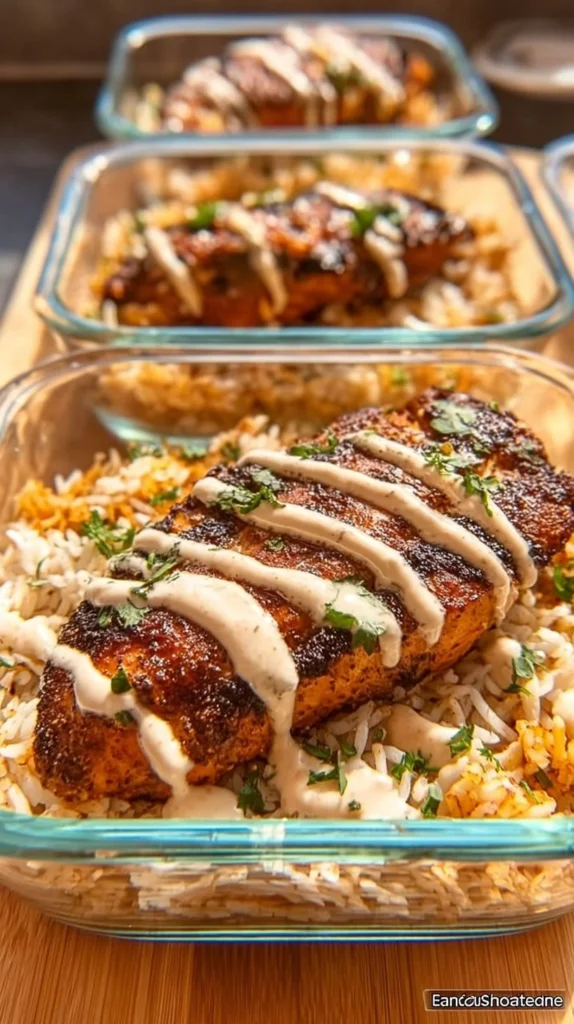
High Protein Creamy Cajun Chicken & Rice
Ingredients
Method
- Marinate the chicken breast pieces overnight with the Cajun Seasoning Mix and olive oil, ensuring each piece is well coated.
- Heat a pan over medium-high heat, then melt the grass-fed butter.
- Cook the marinated chicken until it develops a crispy, golden crust.
- Once cooked, let the chicken rest for a few minutes before slicing it into strips.
- In the same pan, sauté the chopped red onion and garlic cloves until fragrant.
- Add the remaining Cajun Seasoning Mix and toss in the day-old rice, stirring until the rice is well coated.
- Lower the heat and melt the butter in the pan.
- Add the Cajun Seasoning Mix, then slowly whisk in the milk.
- Once warmed through, add the light cream cheese and Parmesan, stirring until the sauce is smooth and creamy.
- Layer the Cajun rice on a plate, top with the sliced chicken, and drizzle the creamy sauce over the top.
- Garnish with fresh parsley for a pop of color.