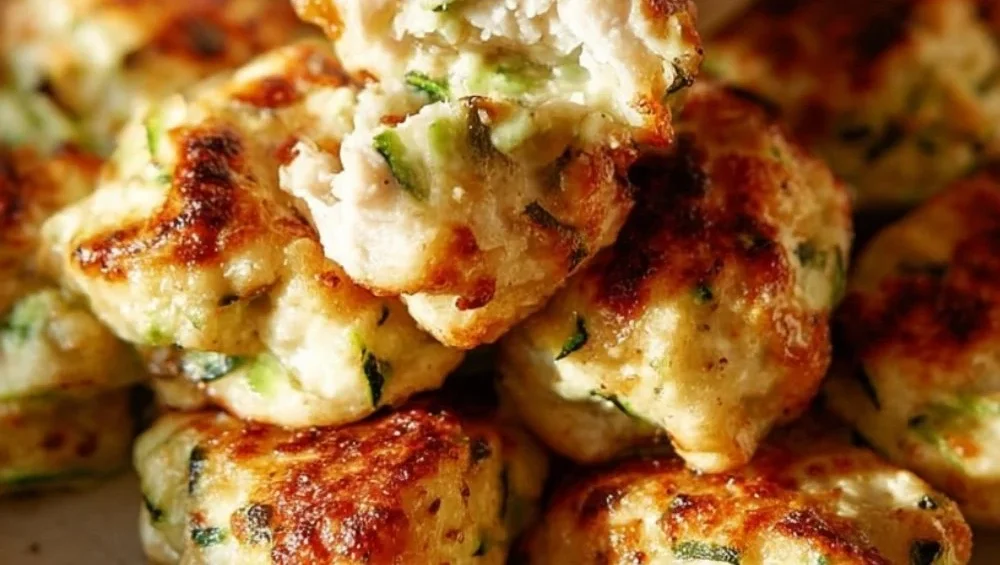
High Protein Chicken Zucchini Poppers
Introduction
This High Protein Chicken Zucchini Poppers recipe is for anyone who wants a satisfying, healthy bite that’s simple to make: busy parents, weeknight cooks, and people who are learning the basics in the kitchen. It’s approachable because the steps are clear, the ingredient list is short, and the results are forgiving — you’ll get tasty poppers even if you’re still building confidence.
If you like recipes that are straightforward and teach useful skills you’ll use again, this is a great one to try. For more high-protein snack ideas that follow the same idea of simple assembly and baking, you might also enjoy my take on high-protein bagel bites, which use many of the same techniques you’ll practice here.
My goal as you read is to walk you through each step, explain what to watch and why it matters, and help you feel capable in the kitchen — not perfect, just steady and confident.
Why this recipe is easy to get right
This recipe is forgiving in several helpful ways. First, the flavors are straightforward — ground chicken, Parmesan, garlic and Italian seasoning — so nothing hides a small timing slip. The zucchini acts as a stable, mild vessel for the filling, and baking takes care of gentle, even cooking without constant attention.
Where the recipe allows flexibility: the amount of seasoning can be adjusted to taste, and the filling can be packed in a little looser or tighter and still cook through. The oven does most of the work, which is great for beginners. You don’t need to master pan-searing or balancing sauces — just combine, stuff, and bake.
Why it suits all skill levels: the tasks (scooping zucchini, mixing filling, spooning into boats) are tactile and visual. If something looks a little different than the photos, that’s perfectly normal. Learning to recognize visual cues in this recipe (golden edges on the chicken, tender zucchini) will build intuition you can use in many other dishes.
How to make High Protein Chicken Zucchini Poppers
First, you’ll prepare the zucchinis by cutting and scooping to make little boats. This is a gentle, hands-on start that helps you learn how a vegetable can be a vessel. Next, you’ll mix the filling: ground chicken combined with cheese, breadcrumbs, egg, garlic and seasonings. This step is about achieving the right texture — the mixture should hold together when pressed, but not be overly dense.
Once filled, the boats go on a baking sheet with a drizzle of olive oil and into a hot oven. Baking for 20–25 minutes allows the chicken to cook through while the zucchini softens. The heat from the oven also encourages the flavors to meld and the cheese to help bind the filling.
Where to slow down: when scooping the zucchini and when you first mix the chicken filling. Use your hands or a spoon to feel the texture — it should be cohesive. If it’s too wet, the breadcrumbs will absorb some liquid; if it feels too dry, a small splash of olive oil can help (use your judgment; we’ll cover adjustments later). The most important checkpoints are: the filling holds together and the chicken reaches a cooked-through appearance with no pink.
A gentle pace and attention to visual cues will carry you through this recipe with confidence.
Ingredients
2 medium zucchinis, 1 pound ground chicken, 1/2 cup grated Parmesan cheese, 1/4 cup breadcrumbs, 1 egg, 2 cloves garlic, minced, 1 teaspoon Italian seasoning, Salt and pepper to taste, Olive oil for drizzling
What each ingredient is doing:
- 2 medium zucchinis: These are the base and presentation. Their mild flavor and firm flesh create a natural boat for the filling. As they bake, they soften and hold juices from the chicken, keeping each popper moist.
- 1 pound ground chicken: The main protein. Ground chicken is lean and cooks fairly quickly; it takes on seasonings well and pairs nicely with cheese and breadcrumbs for texture.
- 1/2 cup grated Parmesan cheese: Adds savory depth and a touch of saltiness. Parmesan also helps bind the filling as it melts and cools slightly.
- 1/4 cup breadcrumbs: These are the structural component that absorb moisture and help the filling stay together. They’re a simple, effective way to control texture.
- 1 egg: Acts as a binder that brings the filling together. Even one egg is enough to give the mixture a cohesive, scoopable texture.
- 2 cloves garlic, minced: Fresh garlic gives a bright, aromatic note. Minced garlic distributes evenly through the filling so every bite has flavor.
- 1 teaspoon Italian seasoning: A ready-made blend that gives a warm, familiar herb flavor — basil, oregano, thyme notes — without extra measuring of separate herbs.
- Salt and pepper to taste: Basic seasoning that highlights all the other flavors. Start light; you can always add a pinch more.
- Olive oil for drizzling: A little oil on the baking sheet or over the zucchinis encourages gentle browning and prevents sticking. It also keeps the zucchini from drying out.
None of these ingredients are complicated or intimidating. They’re familiar, easy to find, and work together in a straightforward way: protein + binder + seasoning + vegetable vessel.
Directions
- Preheat the oven to 400°F (200°C).
- Cut zucchinis in half lengthwise and scoop out the center to create boats.
- In a mixing bowl, combine ground chicken, Parmesan cheese, breadcrumbs, egg, garlic, Italian seasoning, salt, and pepper.
- Fill the zucchini boats with the chicken mixture.
- Place the filled zucchinis on a baking sheet and drizzle with olive oil.
- Bake for 20-25 minutes until the chicken is cooked through and the zucchini is tender.
- Serve hot as a snack or appetizer.
Supportive guidance for the steps:
- Step 1 (Preheat): Make sure your oven reaches 400°F before you put the tray in. An oven thermometer helps if you’re unsure, but simply allowing a few extra minutes after it signals preheat often ensures stable heat.
- Step 2 (Cut and scoop): When you cut the zucchinis lengthwise, set the flat side down on the cutting board for stability. Scoop with a small spoon to create a shallow cavity — you want a sturdy rim so the boats don’t collapse. It’s okay if the scooped flesh looks uneven; small imperfections are normal.
- Step 3 (Mixing): Use a fork or your hands to mix the filling until everything is evenly combined. The mixture should be slightly tacky so it stays in the boats. If it feels too wet, let the breadcrumbs sit for a minute to absorb moisture. If it’s dry, a small drizzle of olive oil will help.
- Step 4 (Filling): Press the mixture gently into each boat. Aim for an even layer rather than a towering mound; this helps the filling cook evenly within the 20–25 minutes.
- Step 5 (Drizzling oil): A light drizzle is all you need — the oil helps the edges brown and keeps the zucchini moist. If you prefer, brush the oil on instead of pouring.
- Step 6 (Baking): Look for the chicken to be opaque and firm to the touch, with no pink remaining. The zucchini should be fork-tender but still hold its shape. If you’re unsure, you can allow an extra 3–5 minutes, but watch closely so the zucchini doesn’t become mushy.
- Step 7 (Serving): Serve hot so the filling is warm and the Parmesan is slightly melty. These are great as a snack, appetizer, or part of a light meal.
If things don’t look perfect at first — a filling that looks a little loose or zucchini pieces that vary in size — trust the oven and your eyes. Small differences will often even out during baking.
Key techniques you’ll practice in this recipe
- Scooping and shaping: Creating zucchini boats teaches you how to hollow vegetables and use them as containers. This skill transfers to stuffed peppers, tomatoes, or acorn squash.
- Mixing to texture: Feeling the right consistency for a filling — moist and cohesive, not soupy or crumbly — is a fundamental technique. You’ll use this when making meatballs, patties, or stuffed vegetables.
- Even baking: Learning how to arrange items on a baking sheet so they cook evenly (not crowded, similar sizes) is a basic skill that applies to sheet pan dinners and roasted vegetables.
- Gentle flavor balancing: Tasting and adjusting (salt, pepper, herbs) is a soft skill you’ll build here. It’s less about exact measurement and more about reading what the mixture needs.
These techniques are foundational and will make many future recipes easier and more predictable.
Common mistakes and how to avoid them
- Mistake: Filling too loose or watery. Fix: Let breadcrumbs absorb moisture for a minute, or press gently to check consistency. If it still seems too wet, add a touch more breadcrumbs sparingly.
- Mistake: Zucchini boats become limp or overcooked. Fix: Don’t over-bake; check at 20 minutes. Also, make boats of similar thickness so they cook uniformly.
- Mistake: Filling is under-seasoned. Fix: Season gradually and taste a small bit of raw mixture by cooking a tiny spoonful in a skillet if you’re unsure. Alternatively, season lightly and adjust after baking with a sprinkle of salt, pepper, lemon, or fresh herbs.
- Mistake: Uneven cooking because sizes vary. Fix: Try to choose zucchinis of similar size and cut them evenly. If one is larger, give it a few extra minutes in the oven.
- Recovery tip: If a batch seems too dry after baking, top with a little olive oil or a dollop of yogurt or sauce. If slightly undercooked, return to the oven for 3–5 minutes covered loosely with foil to prevent over-browning.
Small issues aren’t disasters. Many can be corrected with a minute or two in the oven, a dash of seasoning, or a simple garnish.
How to adjust confidently without changing the recipe
You can scale portions by thinking in multiples: two medium zucchinis and one pound of chicken make a batch; double or halve everything proportionally if you need more or less. For flavor preferences, consider conceptually adding more or less garlic or Italian seasoning to taste — the structure stays the same. For texture, the key components are breadcrumbs and egg; their role is to bind. If you want a firmer filling, conceptually increase the breadcrumbs slightly (without changing the listed ingredients, this is something to understand for scaling).
Remember: these suggestions are about understanding how the components interact. The core recipe remains as written; changes are about balancing moisture and density, not altering steps or measurements.
Serving, storage, and reheating made simple
Serving: These poppers are lovely hot from the oven. Serve them on a platter for guests, or pair with a simple green salad for a light meal. A squeeze of lemon or a spoonful of your favorite sauce can brighten each bite.
Storage: Cool to room temperature, then place in an airtight container and refrigerate. Stored properly, they keep 3–4 days. For longer storage, freeze on a tray until firm, then transfer to a freezer bag for up to 2 months.
Reheating: To keep texture, reheat in a 350°F oven for 8–12 minutes until warmed through — this helps the zucchini regain a little structure and keeps the filling from becoming soggy. In a pinch, microwave on medium power in short bursts, checking often, but note the exterior may be softer.
Questions new cooks often ask about this recipe
- How will I know when the chicken is done? Look for the filling to be opaque and firm, with no pink. A quick way to check is to press lightly; it should spring back. If you have a meat thermometer, 165°F internal temperature is the safe target.
- What if my zucchini is very watery? It’s normal for zucchini to release some moisture while cooking. Scoop a shallow cavity to leave a sturdy rim, and don’t over-bake. If the filling seems watery before baking, let the breadcrumbs absorb it briefly.
- Do I need special equipment? No — a baking sheet, mixing bowl, spoon, and basic knife are enough. No fancy tools required.
- Is it normal if the boats are different sizes? Yes — home cooking is practical, not perfect. Aim for similar sizes, but a little variation is fine and won’t ruin the dish.
If something feels uncertain, slow down and look for the visual cues I’ve described: cohesive filling, opaque chicken, and fork-tender zucchini.
Final encouragement from Carla
I want you to know that trying this recipe is a meaningful step. You don’t need perfect tools or flawless technique to make tasty, nourishing food. The more you practice these gentle skills — scooping, mixing to the right texture, and watching for visual doneness — the more comfortable you’ll become. Small imperfections are part of learning, not failure. Trust the oven, rely on your senses, and remember that every time you cook you’re building confidence.
Keep these poppers in your weekday toolbox: they’re quick to assemble, bake without fuss, and reward you with protein-rich bites that feel special. I’m proud you’re cooking, and I’m right here cheering you on.
Conclusion
If you’d like to see a variation with a creamy dip and a slightly different flavor profile, check out this version of Chicken Zucchini Poppers with Creamy Cilantro Sauce for inspiration. For a grain-free take and ideas on ingredient swaps that stick to similar techniques, this Chicken Zucchini Poppers (Paleo & Whole30 Approved!) post is a helpful reference. And if you want another recipe that uses the same idea of a protein-packed filling in a handheld format, see this Chicken Zucchini Poppers roundup for more presentation and serving ideas.