High Protein Salads
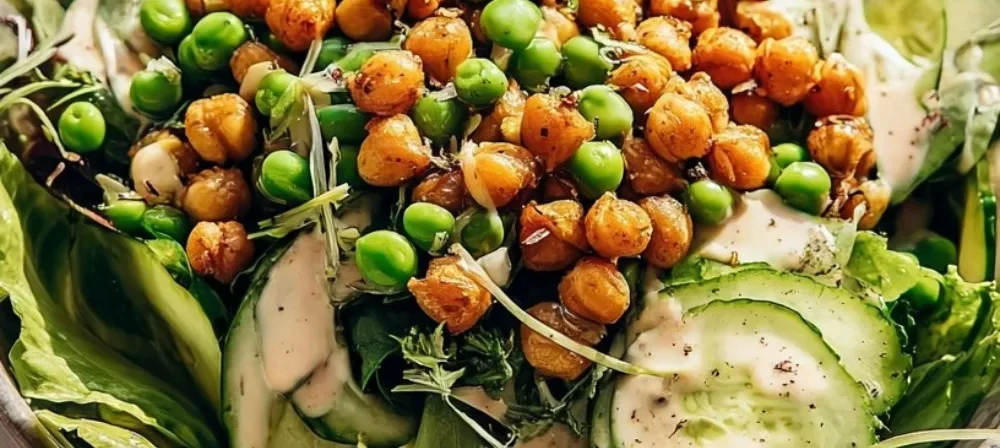
Introduction
This quinoa-and-chickpea salad is the kind of recipe I reach for when I want something that feels light in the stomach but still reliably satisfying. It moves away from heavy dressings or long lists of steps and leans into bright, fresh ingredients and a straightforward cooking flow. That makes it ideal for weeknight dinners when you want to unwind without sacrificing flavor, or for meal-prep lunches that stay enjoyable a few days into the week.
If you like meals that are easy to portion and versatile across different meals, this salad slots in nicely alongside other practical options — for example, a warm, protein-forward bowl like the Easy High Protein Cottage Cheese Pizza Bowl can pair well the night before or after for variety across the week. I aim for recipes that are simple enough to repeat, but flexible enough that you don’t feel locked in.
How this recipe fits into a balanced lifestyle
This salad works because it hits a few sensible food priorities without drama: a whole-grain base (quinoa), legumes for steady protein and fiber (chickpeas), fresh vegetables for crunch and hydration (tomatoes and cucumber), and a small amount of cheese and olive oil to round things out. Together they make a plate that feels lighter than a heavy pasta or creamy casserole, but still keeps you comfortably satisfied.
Balance here is about combination, not restriction. The quinoa and chickpeas provide substance so you’re not left reaching for snacks an hour later; the vegetables keep the mouthfeel bright and the overall calorie density reasonable. It’s a practical option for someone who wants meals that support energy and enjoyment across a busy week without leaning on trendy rules or strict limitations.
This salad also fits naturally into a varied weekly routine — think of it as a modular component. Pair it with a warm protein or a simple soup one day, eat it on its own with extra herbs for lunch, or use it as a bed for roasted vegetables. Small swaps can alter the tone (more Mediterranean, more herb-forward, more citrusy) while keeping the everyday balance intact.
How to make High Protein Salads
At its heart, this recipe follows a calm, three-part flow: cook, chop, and combine. Start by handling the cooked element — the quinoa — because it needs time to finish and cool slightly. While that’s happening, prep the fresh ingredients so everything comes together quickly once the grain is ready. Finish by whisking a simple oil-and-lemon dressing and tossing gently so the salad feels cohesive, not soggy.
Simplicity matters most in timing and in the dressing. Use good-quality olive oil and fresh lemon juice; they’re the small details that carry the salad’s flavor without needing anything more elaborate. If you prefer a bit of extra texture, toast the quinoa lightly after cooking for a minute in a dry pan — but that’s optional. Keep the focus on clean flavors and quick prep.
When you’re ready, a small, intentional seasoning at the end ties everything together: taste for salt and pepper after the dressing, and don’t be afraid to let the salad sit for 10–15 minutes if you have that time. It allows the flavors to mingle without overwhelming the fresh vegetables.
I also like to rotate similar, protein-rich recipes across the week so meals stay interesting; having a few go-to recipes on hand — like the High Protein Bagel Bites for a different meal profile — makes planning easier and keeps repetition from feeling boring.
Ingredients
1 cup quinoa, 1 cup cherry tomatoes, halved, 1 cucumber, diced, 1 can (15 oz) chickpeas, drained and rinsed, ½ cup feta cheese, crumbled, ½ cup fresh parsley or cilantro, chopped, 3 tbsp olive oil, 2 tbsp lemon juice, Salt and pepper to taste
Each ingredient plays a clear role. Quinoa provides a light, slightly nutty base and a pleasant, soft chew that complements the crispness of cucumber and cherry tomatoes. Chickpeas introduce a creamy, dense element and slow-digesting plant protein that keeps the salad filling. Feta adds salty, tangy contrast in small doses so the salad isn’t bland; because it’s sprinkled, you get flavor in every bite without needing a large amount.
Fresh herbs — parsley or cilantro — bring aromatics that lift the plate and keep it tasting bright. Olive oil and lemon juice form a clean dressing that coats without cloying; the acid from lemon balances the oil and the salt from the feta, creating a balanced mouthfeel. Salt and pepper are the final, essential calibrators.
Choosing ingredient quality matters here: ripe cherry tomatoes and crisp cucumber make a big difference in the salad’s perceived freshness. Quinoa bought in small quantities and properly rinsed will taste less bitter and cleaner. The combination is about balance: protein, texture, acidity, and fat, working together so nothing needs to be excluded to keep the dish feeling light.
Directions
Rinse quinoa under cold water. In a pot, combine quinoa with 2 cups of water or vegetable broth. Bring to a boil, then cover and simmer for 15 minutes until liquid is absorbed. Allow to cool briefly., While quinoa cooks, chop cherry tomatoes and cucumber; add chopped herbs., In a large bowl, mix cooled quinoa, chickpeas, chopped veggies, and feta cheese until well combined., Whisk together olive oil and lemon juice in a small bowl; season with salt and pepper. Drizzle over the salad., Toss salad gently to coat everything in dressing. Serve immediately or chill before serving.
As you follow these steps, look for a few simple signs that things are going well. When rinsing quinoa, the water should run clearer after a good rinse — that removes the outer saponins and prevents bitterness. After simmering, the grains should look translucent with the little white “tails” visible; if there’s any excess water, drain it and fluff with a fork rather than overcooking. Allowing the quinoa to cool briefly prevents the dressing from wilting the vegetables and herbs.
While chopping, aim for consistent, bite-sized pieces so the textures marry well in each forkful. When whisking the olive oil and lemon, a little emulsification improves how the dressing clings to quinoa and chickpeas. Taste the dressing on a small spoonful of the salad before committing — add a whisper more salt or lemon if the feta is mild or the tomatoes are less ripe.
Avoid overcomplicating: don’t feel compelled to add multiple extra ingredients or elaborate steps. The recipe’s strength is its straightforward mix of textures and flavors. If you prefer a warmer salad, serve the quinoa warm and toss in the vegetables just before eating so their crunch remains. If chilling, give the salad 15–30 minutes so flavors settle and the dressing binds everything together.
The role of preparation in keeping this dish light
How you prepare ingredients determines whether a dish feels heavy or balanced. Cooking techniques that preserve texture and brightness (quick simmering, brief cooling, gentle tossing) keep the salad feeling clean and fresh. Overcooking grains or overdressing vegetables can make a salad limp and dense; small adjustments in timing avoid that.
Technique matters as much as ingredients. Rinsing quinoa is a simple step that prevents a soapy aftertaste. Letting the cooked grain cool just enough prevents the dressing from being absorbed too quickly, which helps the dish retain a light mouthfeel. Timing the chopping so vegetables are at their freshest — not sitting long after preparation — keeps the flavor lively.
Small choices like chopping the cucumber into a dice that matches the cherry tomato halves, or crumbling the feta rather than slicing it, influence how each bite feels. Balanced textures — creamy chickpeas, fluffy quinoa, crunchy vegetables, and crumbly cheese — create satisfaction without heaviness. Those tactile contrasts do a lot of the work for you.
Simple ways to adjust without losing balance
This recipe is forgiving and adaptable if you stay within the spirit of balance. For more herb flavor, add a bit more parsley or cilantro rather than introducing heavy sauces. If you want more crunch, toss in a handful of toasted seeds or lightly toasted nuts — a small amount adds texture without shifting the dish’s character. To make it more Mediterranean, lean into olives or a touch of dried oregano; for an extra citrus punch, add a splash of orange juice to the dressing.
Avoid the temptation to make the salad into a stew by adding soggy ingredients or too much dressing. The idea is to enhance textures and brightness, not mask them. If you want more protein without changing the core ingredient list, serve the salad alongside a grilled lean protein or a simply roasted fish — this stretches the meal without altering the salad’s balance.
Conceptually, you can shift the flavor profile while keeping the structural harmony intact: swap parsley for more assertive herbs, use a different acid like sherry vinegar sparingly, or add a few spice flakes to the dressing for heat. These are adjustments that respect the recipe’s intention.
Pairing ideas for a complete, well-rounded meal
Think of this salad as one component of a satisfying plate. For a light evening meal, pair it with a simple grilled chicken breast or salmon fillet — the salad’s acidity will complement the seared exterior of the fish or meat. If you want something vegetarian, a warm lentil soup or a skillet of roasted vegetables makes a nice contrast in temperature and texture.
For portable lunches, pack the salad with a hard-boiled egg or a side of whole-grain pita. If you want a heartier weekend meal, serve the salad alongside small, flavor-forward bites like the High Protein Breakfast Burritos for contrast in format and warmth. Alternatively, use the salad as a bed for roasted chickpeas or a seared halloumi to make a composed plate.
Aim for complementary textures: something warm and slightly crisp, something soft and creamy, and the bright salad to tie them together. That keeps the meal feeling complete without piling on extra heavy components.
Storage, leftovers, and next-day enjoyment
This salad stores well because the grains and chickpeas hold their texture; the main caveat is the vegetables releasing some water over time. Store in an airtight container in the refrigerator for up to 3–4 days. If you plan to keep it longer, consider storing the dressing separately and tossing just before eating to preserve the texture of the vegetables.
To refresh leftovers, bring the salad to room temperature for 15–20 minutes — flavors open up when not fridge-cold. If the salad has absorbed too much dressing or seems a bit dry, add a splash more lemon and a teaspoon of olive oil and toss gently. If you’re reheating and want a warm contrast, briefly warm the quinoa-only portion and then combine with chilled veggies so you get a pleasant mix of temperatures.
Labeling containers with the date helps you rotate meals and avoid waste. Leftovers make great work-day lunches because the combination of quinoa and chickpeas keeps you satisfied without feeling weighed down.
Common questions about lighter everyday cooking
How big should a portion be? Aim for a balance: about 1 to 1½ cups of this salad as a main for lunch, or ¾ to 1 cup as a side alongside additional protein. Adjust to your appetite and pairings rather than aiming for a fixed rule.
How do I prevent soggy salads? Keep wet and dry components separate when possible; don’t overdress. Allow cooked grains to cool so they don’t draw moisture from the vegetables, and consider dressing only a portion if you plan to store leftovers.
How do I repeat meals without getting bored? Rotate small elements — different herbs, a change in acid, or a single add-in like toasted seeds — rather than overhauling the whole recipe. Having a repertoire of similar, protein-rich meals, such as High Protein Chicken Zucchini Poppers, helps you mix and match without starting from scratch.
Can lighter meals be satisfying long-term? Yes — satisfaction is about protein, texture, and flavor, not just calories. Include a balance of grain, legume, vegetable, and fat like this salad does, and you’ll find meals that feel lighter but still hold you comfortably until the next eating opportunity.
Final thoughts from Daniel
Cooking intuitively with a few reliable recipes is one of the best ways to maintain everyday balance. This quinoa-and-chickpea salad rewards simple attention: good ingredients, respectful timing, and small finishing touches. It’s not about perfection, but about creating meals that support energy and enjoyment without fuss. Keep it in regular rotation, tweak it lightly to stay interested, and let the basics — texture, seasoning, and freshness — guide your choices.
Conclusion
If you’re looking for more high-protein salad ideas to rotate into your meal plan, I find lists like 17 High Protein Salad Recipes helpful for inspiration. For a curated set of adaptable, flavor-forward options that emphasize protein and balance, see 15 Best High-Protein Salad Recipes | Downshiftology.
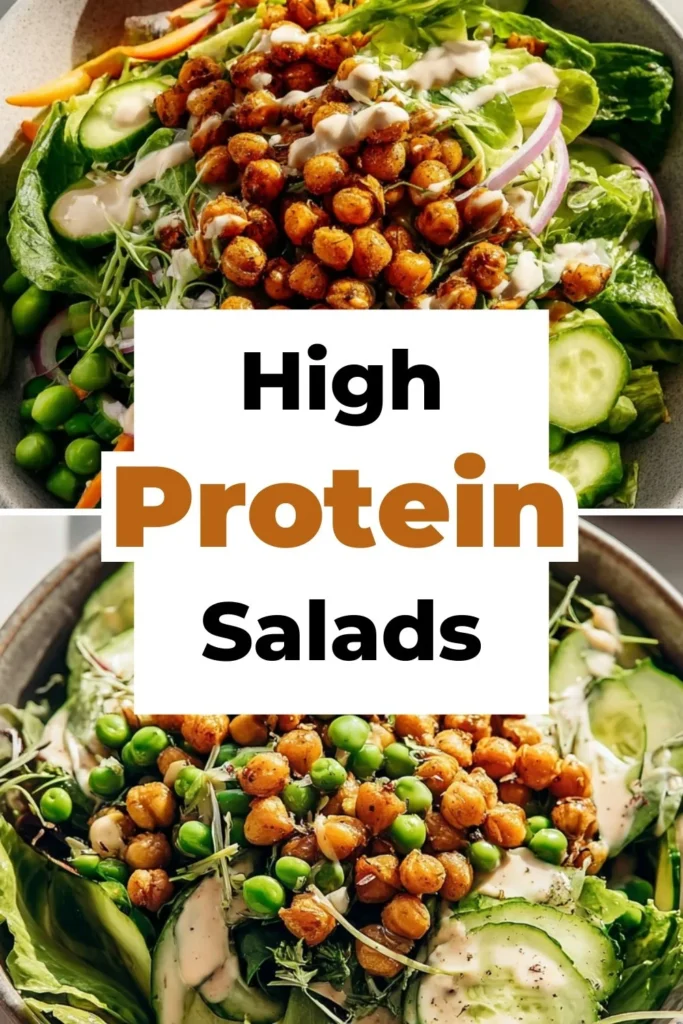
Quinoa and Chickpea Salad
Ingredients
Method
- Rinse quinoa under cold water until the water runs clear.
- In a pot, combine quinoa with 2 cups of water or vegetable broth. Bring to a boil, then cover and simmer for 15 minutes until liquid is absorbed.
- Allow quinoa to cool briefly.
- While quinoa cooks, chop cherry tomatoes and cucumber; add chopped herbs.
- In a large bowl, mix cooled quinoa, chickpeas, chopped veggies, and feta cheese until well combined.
- Whisk together olive oil and lemon juice in a small bowl; season with salt and pepper. Drizzle over the salad.
- Toss salad gently to coat everything in dressing. Serve immediately or chill before serving.