Greek Yogurt Cake
Introduction
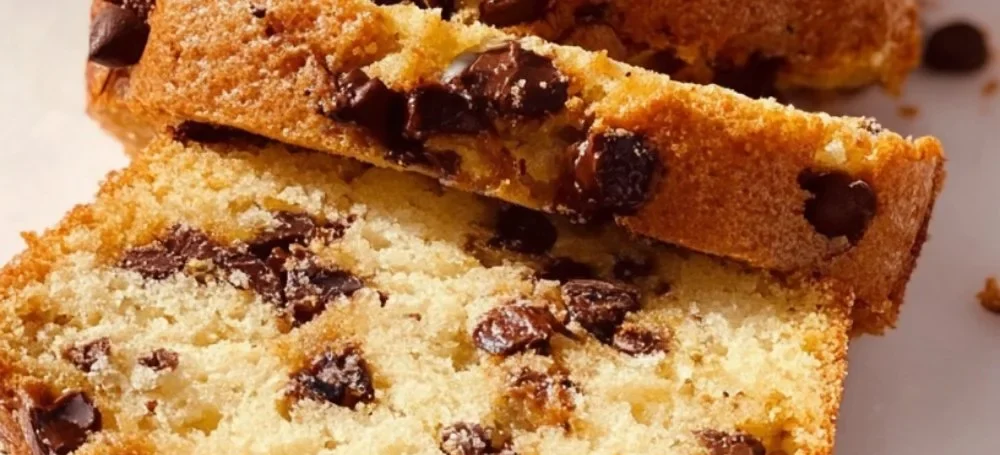
This Greek Yogurt Cake is one of those go-to recipes I reach for when I want something that feels a little lighter than a traditional butter-rich cake but still satisfies that comfort-and-slice craving. It uses pantry-friendly, familiar ingredients and comes together with a short, deliberate set of steps — which makes it perfect for weeknights, casual weekend baking, or when you want to bring something simple to a neighbor’s coffee break.
If you like treats that land on the approachable side of the spectrum — not too sweet, not fussy, and easy to repeat — this is a recipe to keep in rotation. It balances the creaminess and tang of Greek yogurt with the structure from eggs and flour, while honey or maple syrup and applesauce provide gentle sweetness and moisture. If you enjoy other Greek-yogurt–forward snacks, you might also appreciate my take on Greek yogurt peanut butter bites, which lean into the same simple, satisfying idea but in a freezer-friendly snack form.
This cake fits best when you want dessert that doesn’t dominate the meal plan: an afternoon slice with tea, a light finish to a relaxed dinner, or a quick sweet addition to a packed lunch. It’s forgiving, homey, and intended to support everyday life rather than signal a special-occasion performance.
How this recipe fits into a balanced lifestyle
This cake exemplifies balance in a non-dieting way: it prioritizes real ingredients and reasonable portions. Rather than packing in layers of frosting or a heavy glaze, it relies on ingredient harmony — tangy yogurt, gentle sweetness, and the buoyancy of eggs — to deliver satisfaction. That means you’ll get flavor and comfort without the dense richness that can leave you feeling heavy afterward.
It supports moderation by being portion-friendly: a 9-inch round gives clear, sharable slices so it’s easy to keep serving sizes sensible. Ingredient quality also plays a role; choosing a thick Greek yogurt and good honey or maple syrup boosts flavor so you don’t need excessive sweetness. The use of applesauce adds moisture with fewer calories than a full cup of oil or butter would, but it doesn’t try to “replace” anything dramatically. The result is a cake that tastes like cake — familiar, comforting, and balanced.
In a weekly routine, this cake pairs well with breakfasts and lighter desserts. Use it as a weekend brunch accompaniment or slice it thin for an afternoon treat with coffee. It also travels well if you need to bring something to a gathering, and it stores simply, which helps reduce food waste.
How to make Greek Yogurt Cake
The overall flow here is straightforward: combine wet ingredients, whisk dry ingredients, fold together, bake, and cool. Simplicity matters most in two places: keeping the mixing gentle so the crumb stays tender, and being mindful of baking time so the cake comes out moist rather than dry.
Start by measuring ingredients and preheating the oven — having the pan ready and the eggs at room temperature will help the batter come together evenly. When you mix wet ingredients, aim for a smooth, cohesive batter but try not to overwork once the flour goes in. That “just combined” moment is key; overmixing develops gluten and shifts the texture toward toughness.
As the cake bakes, watch for visual cues: the top should be lightly golden and spring back gently when touched, and a toothpick should come out clean. Allowing it to cool slightly in the pan before turning out helps maintain structure and moisture.
The approach is intentionally relaxed — the recipe doesn’t demand perfect technique or special tools. With straightforward attention to timing and texture, you’ll have a cake that’s both light and satisfying.
Ingredients
1 cup Greek yogurt, 1/2 cup honey or maple syrup, 2 large eggs, 1 teaspoon vanilla extract, 1/4 cup unsweetened applesauce, 1 1/2 cups almond flour or whole wheat flour, 1 teaspoon baking powder, 1/2 teaspoon baking soda, 1/4 teaspoon salt
Each ingredient here plays a clear role in flavor and texture:
- Greek yogurt: Adds moisture, tang, and richness without needing a lot of fat. Its acidity also helps with leavening when paired with baking soda, so you get lift and a tender crumb.
- Honey or maple syrup: A straightforward sweetener choice that contributes flavor as well as sweetness. Honey will give floral notes; maple syrup brings a deeper, woodsy flavor. Either one keeps sweetness pleasant rather than cloying.
- Eggs: Provide structure and help the cake rise. They bind the batter and give it that familiar cake body.
- Vanilla extract: A small addition that amplifies the overall flavor and ties the other ingredients together without overwhelming.
- Unsweetened applesauce: A moisture booster that keeps the cake tender. It adds a subtle fruit note and allows the recipe to use less oil without sacrificing mouthfeel.
- Almond flour or whole wheat flour: You can use either depending on your preference — almond flour yields a slightly denser, nuttier cake with a tender crumb, while whole wheat flour gives more structure and a heartier, earthier flavor. Both are mindful choices compared to heavier flours or larger amounts of fat.
- Baking powder and baking soda: Work together to leaven the cake. Baking powder provides a steady rise; baking soda reacts with the yogurt to give an extra lift and help with browning.
- Salt: Enhances all the flavors and balances the sweetness, making the cake taste “complete.”
The combination here is about balance, not restriction: each ingredient supports texture and flavor so you end up with a cake that feels lighter because it’s made thoughtfully, not because it’s missing something.
Directions
- Preheat the oven to 350°F (175°C) and grease a 9-inch round cake pan.
- In a mixing bowl, combine Greek yogurt, honey/maple syrup, eggs, vanilla, and applesauce, mixing well.
- In another bowl, whisk together the flour, baking powder, baking soda, and salt.
- Gradually add the dry ingredients to the wet ingredients, stirring until just combined.
- Pour the batter into the prepared cake pan and smooth the top.
- Bake for 25-30 minutes, or until a toothpick inserted into the center comes out clean.
- Let cool before serving.
Supportive guidance around the steps:
- Step 1: Preheating and greasing the pan are small, early tasks that prevent frustration later. If your oven runs hot or cool, an oven thermometer helps; otherwise, the usual visual cues will guide you.
- Step 2: Mix the wet ingredients until they’re smooth and homogenous. If your yogurt is very thick, a whisk or a sturdy spatula will do the job; you don’t need an electric mixer. Room-temperature eggs blend more easily and produce a slightly lighter texture.
- Step 3: Whisking the dry ingredients together distributes the leavening evenly. If you’re using almond flour, be aware it can compact — a light sift or stirring helps loosen it.
- Step 4: Adding the dry to the wet gradually reduces lumps and prevents overmixing. Stir until you no longer see streaks of flour; a few small lumps are fine. Overworked batter tends to be dense, so stop once it’s combined.
- Step 5: Pouring and smoothing are about even baking. Tap the pan lightly on the counter to release air pockets.
- Step 6: Use the toothpick test as written. Baking time varies with pan material and oven; start checking at 22 minutes if you prefer a slightly more moist center.
- Step 7: Cooling is important. Let the cake rest in the pan for a short time, then flip onto a rack to cool completely. This avoids a soggy bottom and helps the crumb set.
These small attentions keep the process untroubled and the result reliably pleasant.
The role of preparation in keeping this dish light
How you prepare this cake affects how it feels on the plate. Gentle mixing and correct timing keep the crumb tender rather than heavy. Using applesauce and Greek yogurt for moisture means you don’t need a lot of oil or butter to achieve a satisfying texture. That’s a choice about method and balance: it keeps the cake lighter without sacrificing mouthfeel.
Baking technique matters too. Even heat and the right pan size contribute to an even rise and proper baking time. Overbaking dries the cake, which can create the sensation of heaviness when you eat it. Letting the cake cool before slicing also makes a big difference in texture; it firms up slightly, which means each slice holds together without being dense.
Small choices — the kind of flour you choose, whether you whisk the dry ingredients thoroughly, how long you allow the batter to rest — influence the final texture and how satisfying the cake feels. The goal is a tender slice that offers good flavor and satiety without an overly rich finish.
Simple ways to adjust without losing balance
There are thoughtful tweaks you can consider that don’t change the recipe’s core:
- Flavor lifts: Add a teaspoon of citrus zest (lemon or orange) to the wet mix for brightness, or fold in a half cup of fresh berries right before baking for a fruit-forward cake.
- Texture variations: Swap half the flour for a blend of almond and whole wheat if you want a nuttier, slightly heartier crumb, but keep the total measurement the same.
- Sweetness: If you prefer less sweetness, reduce the honey or maple syrup by a tablespoon or two and lean on a light dusting of powdered sugar at serving time.
- Spices: A half-teaspoon of warm spices (cinnamon or cardamom) can add complexity without heaviness.
Remember: these are conceptual suggestions only. Do not alter the listed ingredients or steps when following the recipe; view these ideas as ways to inspire future versions while preserving the balance that makes the cake feel lighter and purposeful.
Pairing ideas for a complete, well-rounded meal
A slice of this cake pairs nicely with foods that add contrast in texture and freshness:
- Fresh fruit: Sliced stone fruit, a small bowl of berries, or pear slices offer bright acidity and a juicy counterpoint.
- Yogurt and nuts: Serve a thin smear of Greek yogurt alongside and sprinkle with chopped nuts (almonds or walnuts) for crunch and a protein lift — reminiscent of the same idea used in lighter snacks like blueberry maple pancakes that pair dense batter with bright toppings.
- Tea or coffee: A lightly brewed tea (green or herbal) or a simple coffee keeps the pairing relaxed and balanced.
- Cheese plate: For a slightly heartier snack plate, add a few thin slices of mild cheese, crisp cucumber or celery, and a handful of grapes.
The key is contrast: pair the tender cake with something crisp, acidic, or creamy to create a satisfying plate without overwhelming richness.
Storage, leftovers, and next-day enjoyment
This cake stores well at room temperature for a day or two if wrapped in plastic or kept in an airtight container. For longer storage, refrigerate up to 4–5 days. If you refrigerate, bring slices to room temperature before serving to restore the best texture — or warm briefly in a low oven or microwave for a few seconds.
Leftovers also freeze well. Wrap slices individually in plastic and place in a freezer bag for up to three months. Thaw in the fridge overnight and warm gently before serving.
When reheating, avoid high heat. A 20–30 second microwave on medium or a 10-minute low oven (275–300°F / 135–150°C) is enough to refresh a slice without drying it out. Adding a little fresh yogurt, fruit, or a light drizzle of honey at serving can brighten a day-old piece.
Common questions about lighter everyday cooking
Q: How should I think about portion sizes for a dessert like this?
A: I aim for balanced portions that let me enjoy the flavor without turning dessert into the entire meal. A modest slice shared across multiple days or paired with fruit can keep a sense of balance.
Q: Can I bake this in another pan shape?
A: Yes. A loaf pan or square pan will work, though baking time will vary. Use the toothpick test as your guide. While that’s a practical note, remember the recipe steps and ingredients should remain unchanged per the method.
Q: How do I avoid repeating the same meals each week?
A: Small changes in accompaniments — rotating fruits, switching from tea to a citrusy compote, or changing how you serve the cake (warm vs. cool) — keep familiar preparations feeling new.
Q: How do lighter meals remain satisfying?
A: Texture, flavor concentration, and variety. A dish that combines a creamy element, something crunchy, and a bright acidic note will feel more filling and complete than one that focuses on volume alone.
Final thoughts from Daniel
Cooking simply and thoughtfully is a practical way to keep meals enjoyable day after day. This Greek Yogurt Cake is a reminder that a lighter-feeling dessert doesn’t have to be complicated or joyless — it can be flavorful, tender, and easy to include in everyday life. Treat the recipe as a dependable base: a little attention to ingredient quality and technique goes a long way, and small serving strategies make it fit smoothly into a balanced week.
I hope you give it a try and find it as useful in your rotation as I do. Baking in a calm, unhurried way is part of why food can feel both comforting and light at the same time.
Conclusion
If you’d like another simple, classic take on a yogurt-based cake, this Easy Yogurt Cake | The Mediterranean Dish is a lovely reference for technique and flavor inspiration. For a citrus-forward variation that keeps the same built-in balance, check out this Lemon Greek Yogurt Loaf Cake – Beautiful Eats & Things.