Pesto Pasta Salad
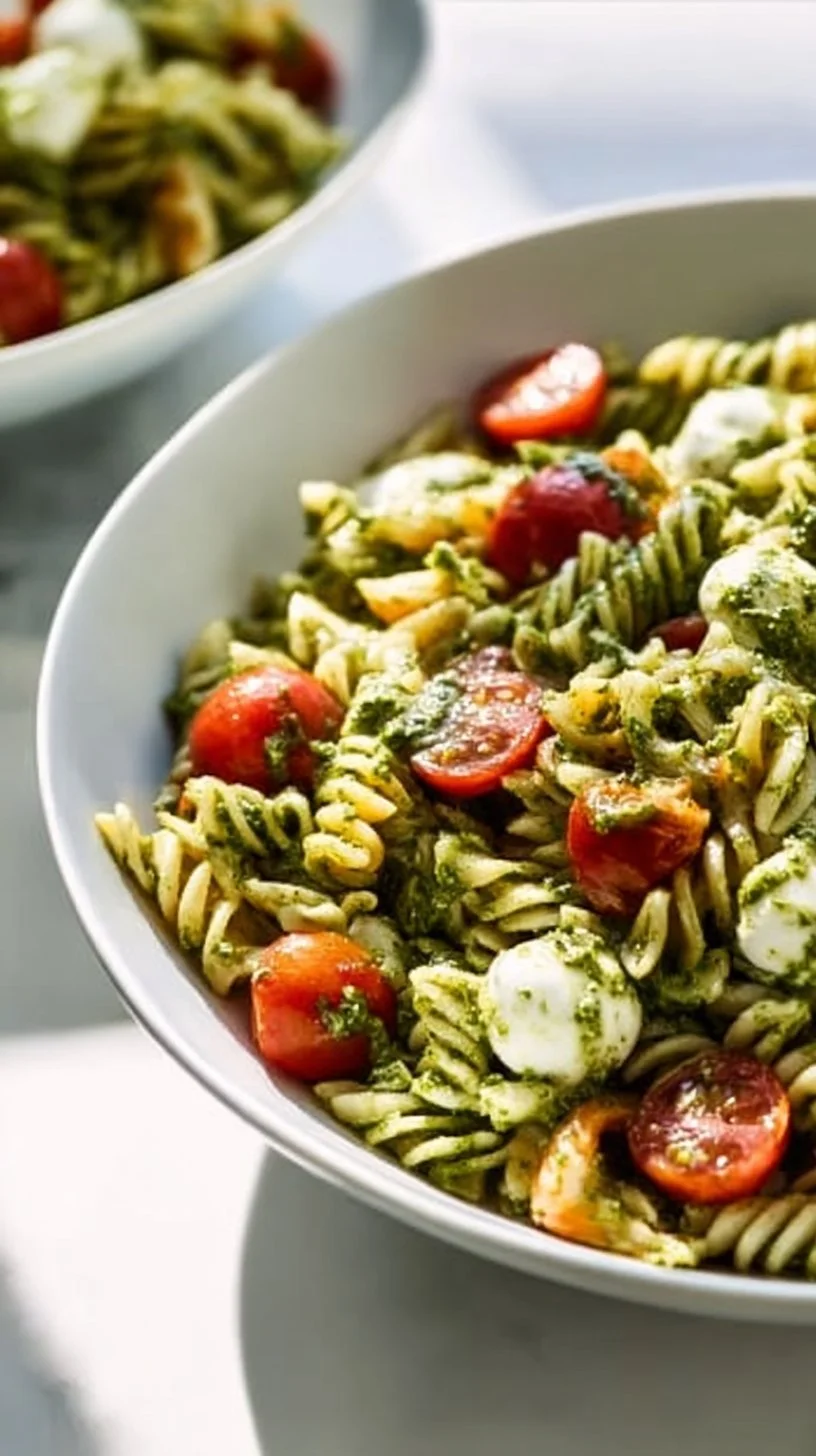
Pesto Pasta Salad is one of those recipes that quietly becomes a household staple — and for good reason. It’s simple to assemble, full of familiar flavors (basil, cheese, garlic), and flexible enough to work for a rushed weeknight dinner, a potluck, or a lunchbox hit the next day. I’m Sarah Collins, and I cook for busy families who want food that’s comforting, reliable, and easy to scale. This recipe hits that sweet spot: it’s straightforward to follow, hard to mess up, and tends to please both kids and adults.
When your calendar is full and you need a dinner that comes together with minimal fuss, this pesto pasta salad fits right in. It’s a great make-ahead option for days when you’d rather prep in the morning or the night before. If you like pairing it with other easy salads, consider adding a creamy side like creamy cucumber salad with bacon and cheese to round out the meal — that combination makes weeknight food feel a little more special without extra late-night work.
This dish leans on comforting flavors everyone recognizes: tender pasta, bright basil pesto, juicy cherry tomatoes, soft mozzarella. It’s reliable because each component is forgiving — the pesto doesn’t have to be perfectly smooth, the pasta can be cooled and dressed without losing charm, and kids will often pick at the mozzarella and tomatoes without dispute. Over the next sections I’ll walk you through what to expect, where to save time, and how to adapt the salad for picky eaters or larger crowds.
How to make Pesto Pasta Salad
At a glance, this recipe breaks down into three stages: cooking the pasta, making the pesto, and tossing everything together. That simple three-step flow is why it’s such an approachable weeknight go-to.
Cook the pasta: This is the one step that benefits from timing and attention. Boil in salted water until tender, then cool quickly under cold water so the pasta stops cooking and will be ready to be tossed with pesto. The cold rinse also helps keep the texture pleasant for a chilled salad.
Make the pesto: While the pasta cooks, you’ll blitz basil, pine nuts, parmesan, olive oil, garlic, lemon, salt, and pepper in a food processor until smooth. This is a great spot to let a kid or partner help — it only takes a minute of hands-on time and it smells like summer. If you don’t have a food processor, a blender or even a sturdy whisk and a bowl can work; the point is to marry the flavors into a creamy coating for the noodles.
Assemble: Toss the cooled pasta with pesto, tomatoes, mozzarella, pepperoncini, and parsley. Taste and adjust. Simple. The tossing step is forgiving: add a bit more pesto if the pasta seems dry, or a squeeze of lemon if it needs brightness.
Beginners should slow down when testing pasta for doneness — “al dente” means there should be a slight bite, not a raw crunch, and every pasta shape and brand can differ in timing. Shortcuts in this recipe are natural: use store-bought pesto if you’re pressed for time (or half store-bought, half homemade), or pre-cut mozzarella and halved grape tomatoes to save prep. If you want to plan ahead, make the pesto one day and the salad the next. I sometimes cook pasta the night before and keep it in the fridge; chilled, it behaves beautifully in this salad.
For a quick reference to other family-friendly salads that can rotate with this one, you might enjoy my go-to on high-protein cottage cheese pasta salad — it’s a handy comparison for when you want a different texture or boost of protein.
Ingredients
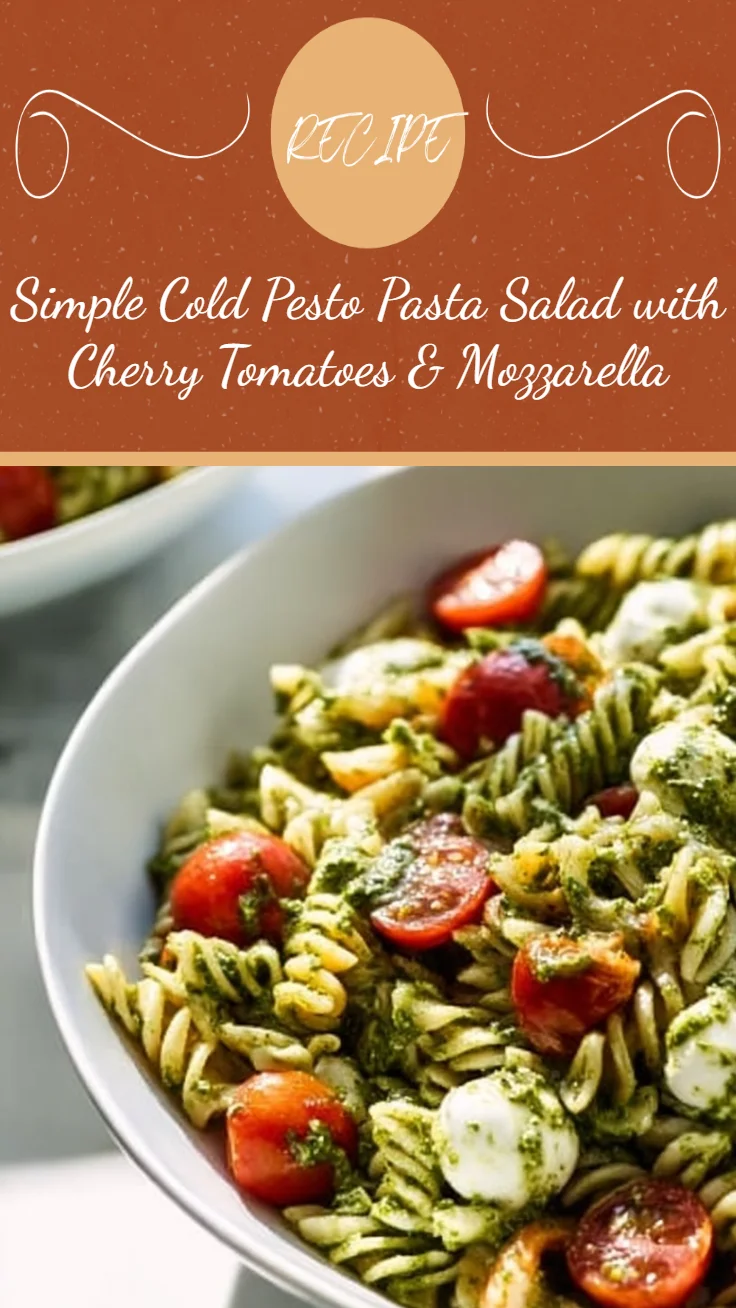
1 pound pasta (such as cavatelli or penne ), 1 cup cherry tomatoes (halved), 8 oz fresh mozzarella (cut into small bite-sized pieces), 1/2 cup finely chopped red onion, 1/4 cup chopped pepperoncini, 1/4 cup finely chopped parsley, 3 cups basil leaves, 1/2 cup olive oil, 1/3 cup pine nuts, 1/3 cup grated parmesan cheese, 1 tablespoon lemon juice, 2 cloves garlic, 1 teaspoon sea salt, 1/4 teaspoon black pepper
Below the list, here’s what each ingredient brings to the party in plain home-cook terms:
- Pasta: The canvas. Choose a sturdy short pasta (penne, cavatelli) so you get good bite and the pesto clings to crevices. It also holds up well if you make the salad ahead.
- Cherry tomatoes: Juicy pops of acidity and color. They keep their shape well and are easy for kids to eat.
- Fresh mozzarella: Soft, milky bites that mellow the pesto’s brightness and make the salad feel comforting and familiar.
- Red onion: A little sharpness and crunch — finely chopping keeps it from overpowering kids while adding a grown-up note.
- Pepperoncini: Bright, tangy, slightly spicy — they add a salty, vinegary contrast that keeps the salad lively.
- Parsley: A fresh, herbal lift that complements basil and keeps the overall flavor balanced.
- Basil leaves: The star of the pesto — aromatic, sweet, and herbaceous. Fresh basil makes a big difference here.
- Olive oil: The body for the pesto; it smooths and carries the flavors so they coat the pasta evenly.
- Pine nuts: Give the pesto its distinctive texture and buttery flavor. Toast them lightly if you have time for extra depth.
- Parmesan: Umami and salt — it pulls the pesto together and makes it taste complete.
- Lemon juice: Adds brightness and keeps the pesto from tasting flat.
- Garlic: For that familiar savory note; two cloves give personality without overwhelming.
- Salt & pepper: Essentials to lift and balance every element.
These are everyday pantry items for most households; if you’re missing something like pine nuts, there are substitutions we’ll discuss below (without changing this recipe list).
Directions
Cook the pasta. Bring a large pot of salted water to a boil. Add pasta and cook until tender. Be sure to check the package for recommended cook time. Drain and rinse well under cold water., Make the pesto. While the pasta cooks, prepare the basil pesto. In a food processor, combine the fresh basil, pine nuts, parmesan cheese, olive oil, garlic, lemon juice, salt, and pepper. Process until smooth and creamy. Scoop out of the food processor and set aside., Assemble the pasta salad. In a large bowl, combine noodles, pesto, cherry tomatoes, mozzarella, pepperoncini, and parsley. Toss until it’s well combined. Taste and adjust seasoning, if needed.
A few friendly notes to make these steps even easier:
- What the pasta should look and feel like: When it’s done, pasta should be tender through but still have a slight chew. Rinsing under cold water stops the cooking and cools it for the salad. Don’t skip a good drain — you don’t want a watery salad.
- How the pesto should look and smell: After processing, pesto should be a bright green, slightly glossy paste. It will smell garlicky and herb-y. If the pesto seems too thick, add a splash more olive oil or a touch of pasta-cooking water (if you kept some) to loosen it.
- Tossing tips: Add the pesto to the cooled pasta in stages, tossing as you go so everything gets evenly coated. Taste as you go and add salt, pepper, or lemon juice only if needed — parmesan and pepperoncini already bring saltiness.
- Common small mistakes: Overcooking pasta, adding too much pesto at once, or not tasting before serving. All fixable, and nothing disastrous if it happens — just adjust seasoning or lightly drain extra liquid.
Why families love this dish
There are a few reasons this salad becomes a favorite. First, the flavors are familiar and comforting — basil and parmesan feel close to home, and mozzarella is almost always accepted by kids. Second, the textures are inviting: tender pasta, creamy cheese, juicy tomatoes, and a little crunch from onion and pine nuts. That variety keeps bites interesting without being challenging.
This recipe is also forgiving, which matters in a busy household. If you overcook the pasta a touch, the pesto and other ingredients disguise it nicely. If you made too much pesto, the leftovers make a great spread for sandwiches. If someone in the family prefers fewer onions or no pepperoncini, those elements can be served on the side. For families wanting a protein boost, serve alongside a simple protein or layer in cooked chickpeas or chicken on the plate — no recipe rewrite required.
If you’re building a family meal plan, this salad pairs well with other easy staples. For instance, when I need an extra hearty side on the table, I’ll pull out a cold tuna option like the buffalo tuna salad, which is great for adding protein without a fuss.
Pairing ideas for a complete, satisfying meal
This pasta salad stands well on its own, but a few small additions make it a full meal without extra stress:
- Bread: A crusty baguette or garlic toast to sop up leftover pesto is always a hit with kids.
- Protein: Rotisserie chicken, canned tuna, or a bowl of white beans on the side rounds the meal out.
- Veggies: A quick green salad or raw veggie platter keeps things simple and adds crunch.
- Warm side: If you want something warm, roasted vegetables (oven-roasted broccoli or bell peppers) can be done while the pasta cooks.
If you’d like a contrasting cold salad with different textures to serve alongside, try rotating in a legume-forward option like chickpea feta avocado salad for something creamy and filling.
Make-ahead tips, leftovers, and storage
This salad is a great candidate for make-ahead meals. Here’s how I handle it when life is busy:
- Make the pesto in advance: Pesto stores well in the fridge for a couple of days (cover it with a thin film of olive oil to prevent darkening). That saves minutes on the day you assemble.
- Cook pasta ahead: Cooked pasta can keep in an airtight container in the fridge for up to two days. Dress it with a tiny drizzle of olive oil to stop it from sticking.
- Assemble closer to serving: If you want the salad at its best texture, toss the tomatoes and cheese in just before eating so they stay fresh. But assembled fully, it still tastes very good after a day and is great for lunches.
- Storing leftovers: Keep leftovers in an airtight container in the fridge for up to 3 days. The pesto will continue to infuse the pasta, and flavors often deepen overnight.
If you prefer to plan meals for the week, you might pair this salad with other make-ahead-friendly dishes, such as a protein-packed option like high-protein cottage cheese pasta salad, to keep variety on the table.
Common questions home cooks ask about this recipe
- Can I use a different nut? Yes. Pine nuts have a particular buttery flavor, but toasted walnuts or almonds can work in a pinch — the pesto will be a touch different, but still delicious.
- My pesto turned dark — is it ruined? Not at all. Pesto can oxidize and darken; it still tastes fine. Storing a thin film of olive oil on top helps slow that.
- How do I scale this recipe for a crowd? Multiply ingredients proportionally. For a big group, make extra pesto and keep it on the side so you can add more if needed.
- Will kids eat it? Often yes — the components are familiar and comforting. If pepperoncini are a hurdle, serve them on the side or omit for the kids’ portion. You can also reduce the onion amount for sensitive palates.
- Can I warm leftovers? Yes — gently reheat in a skillet with a little olive oil or microwave briefly. Keep in mind that fresh basil’s brightness fades with heat, so warmed leftovers will taste slightly different but still enjoyable.
One more practical tip: if you like to mix and match during the week, cook a double batch of pasta and keep some plain for different salads — it’s a real time-saver.
Final thoughts from Sarah
Pesto Pasta Salad is the sort of recipe I come back to when the week is full and I want food I can trust. It’s quick, forgiving, and offers bright, familiar flavors that are kid-friendly and satisfying for adults. The homemade pesto is worth the minute it takes — the aroma alone makes the kitchen feel cozy — but if life is hectic, a good store-bought pesto keeps dinner moving. Keep the components simple, taste as you go, and don’t be afraid to hold back on strong flavors for the children at the table; you can always add more to the adults’ portions.
This dish deserves a place in your regular rotation because it checks the boxes: simple prep, family-friendly, and versatile. Make it once and you’ll see how it fits into your weekly rhythm — a dependable option that can be dressed up or down depending on what’s in your fridge. From my kitchen to yours, give it a try on a busy night and watch it become one of those comforting staples you’ll reach for again and again.
Conclusion
If you’d like to compare variations and techniques, this Pesto pasta salad – RecipeTin Eats write-up offers another approachable version worth reading for ideas. For a fresh, vegetable-forward take on the same idea, I also like Pesto Pasta Salad Recipe – Cookie and Kate which highlights simple swaps and serving suggestions.
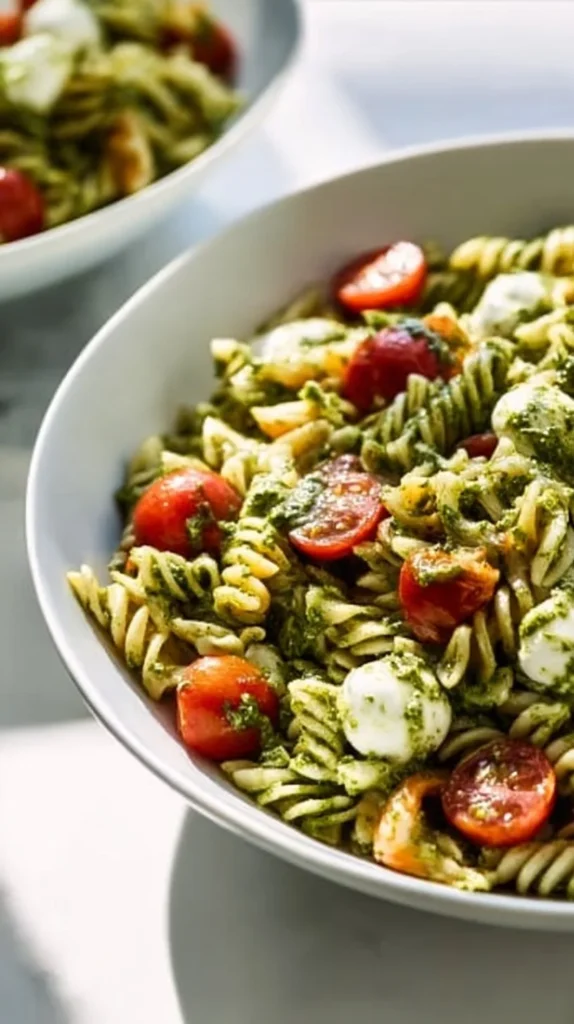
Pesto Pasta Salad
Ingredients
Method
- Bring a large pot of salted water to a boil.
- Add pasta and cook until tender, checking the package for recommended cook time.
- Drain and rinse well under cold water to stop the cooking.
- In a food processor, combine the fresh basil, pine nuts, parmesan cheese, olive oil, garlic, lemon juice, salt, and pepper.
- Process until smooth and creamy, then set aside.
- In a large bowl, combine noodles, pesto, cherry tomatoes, mozzarella, pepperoncini, and parsley.
- Toss until well combined and taste to adjust seasoning if needed.