Quick & Easy Homemade Butter Chicken Recipe
Introduction
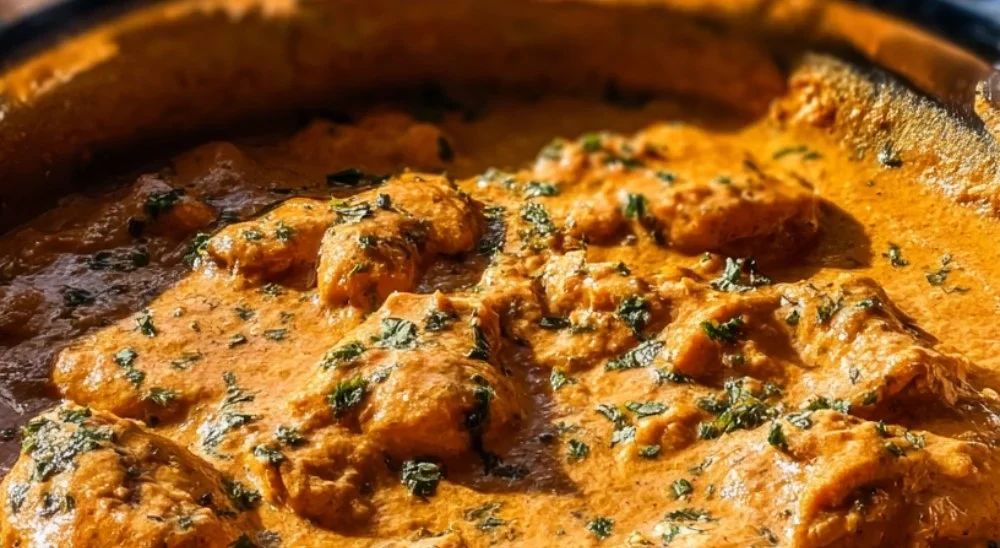
This Quick & Easy Homemade Butter Chicken Recipe is the kind of dinner I reach for when I want comfort without a lot of fuss. It delivers the familiar, warmly spiced tomato-cream sauce and tender chunks of chicken that feel indulgent in the best way, but the method and ingredient choices keep it grounded and approachable for an ordinary weeknight. It’s forgiving to make, and it reheats well, so it’s useful when you’re cooking once and eating twice.
I like recipes that are straightforward enough to become part of a weekly rhythm. If you’re building a simple rotation of meals, this dish pairs well with a green salad and a grain or bread for a complete plate. For ideas on how to slot this into a broader set of weeknight options, I often refer to my recipes index to mix and match sides and timing. The aim here is friendly, reliable food — not perfection — so you can make it without overthinking and still feel satisfied.
How this recipe fits into a balanced lifestyle
Butter chicken feels rich, but balance is more about how you serve and prepare it than labeling ingredients as “good” or “bad.” This version keeps the elements that make butter chicken comforting — tomato, cream, butter, warm spices — but leans on portioning, simple swaps, and intentional technique to keep plates feeling lighter.
Why it feels lighter without sacrificing flavor: the chicken is cut into smaller pieces so it cooks quickly and absorbs sauce evenly, which means less-overcooked protein and more pleasant texture. The sauce is built from concentrated tomato sauce and spices rather than heavy, layered creams, so a smaller portion goes a long way. Pair it with simple steamed rice and lots of vegetables or a side salad, and the plate becomes balanced through contrast — bright greens, acidic bite, and the creamy sauce as a smaller, satisfying element.
This kind of dish fits naturally into a varied week: make a double batch for leftovers, or serve on a busy weeknight when you want a cooked meal that doesn’t demand hands-on time. If you like ending a meal on a lighter note, I also enjoy pairing it with a subtly sweet fruit-based dessert from time to time; for lighter dessert inspiration, see some lighter dessert ideas that won’t compete with the meal.
How to make Quick & Easy Homemade Butter Chicken Recipe
At its core, this recipe follows a straightforward flow: prepare the chicken, sear it for flavor, make the sauce base, combine and simmer briefly, finish with butter and cream, then serve. Simplicity matters most during the sear and the sauce assembly — those are the moments that set texture and flavor.
Approach it like this: marinate quickly to season the meat, get a good color on the chicken (that Maillard browning adds depth), soften the aromatics without rushing, then gently simmer the sauce until it tastes cohesive. Don’t overcomplicate the process with unnecessary steps — the goal is an efficient, flavorful result. If you’re juggling timing, sear the chicken first and keep it warm while you make the sauce, then finish everything together.
For easy weeknight pairing ideas, this recipe also works alongside quick oven or grill dishes; a simple scoring and bake of seasonal vegetables makes assembly minimal, and for a casual companion dish I often suggest a thin-crust or grilled pizza as an alternate weeknight option — a favorite is a weeknight pizza companion that complements the meal without competing.
Ingredients
1 ½ pounds skinless (boneless chicken thighs, cut into bite-sized chunks), 1 teaspoon salt, 1 teaspoon garlic powder, 1 teaspoon sweet paprika, ½ teaspoon curry powder, 1 tablespoon Greek yogurt, 3 tablespoons vegetable oil, 3 tablespoons butter (divided), 6 garlic cloves (minced), 1 medium onion (diced), 1 15-ounce can tomato sauce, 1 teaspoon sugar, 1 teaspoon salt (adjust to taste), ½ teaspoon black pepper, 2 cups heavy cream, ½ teaspoon cayenne pepper (optional for heat), 1 teaspoon garam masala, ½ teaspoon curry powder, ¼ cup freshly chopped parsley (optional, for garnish), Naan bread, Steamed rice
- 1 ½ pounds skinless (boneless chicken thighs, cut into bite-sized chunks): Thighs give a bit more forgiving texture than breast; they stay tender when simmered and help the dish feel satisfying without needing oversized portions.
- 1 teaspoon salt; 1 teaspoon garlic powder; 1 teaspoon sweet paprika; ½ teaspoon curry powder: These initial seasonings are for the chicken — simple, direct flavor that primes the meat so every bite tastes intentional.
- 1 tablespoon Greek yogurt: A small amount of yogurt helps the seasoning adhere and slightly tenderizes the meat. It’s a mindful swap that contributes to texture without adding heaviness.
- 3 tablespoons vegetable oil; 3 tablespoons butter (divided): Using oil for the sear and reserving some butter for finishing lets you get a good brown on the chicken while still ending with the buttery mouthfeel that defines the sauce.
- 6 garlic cloves (minced); 1 medium onion (diced): Aromatics that build the base; cook them gently to release sweetness rather than caramelizing hard, which keeps the sauce bright.
- 1 15-ounce can tomato sauce; 1 teaspoon sugar; 1 teaspoon salt (adjust to taste); ½ teaspoon black pepper: Tomato sauce is the backbone; the small added sugar balances acidity so the sauce tastes rounded without needing heavy additions.
- 2 cups heavy cream; ½ teaspoon cayenne pepper (optional for heat); 1 teaspoon garam masala; ½ teaspoon curry powder: Cream and spices are folded in at the end to create a silky finish and layered savory warmth. The cayenne is optional — it lifts the dish without making it dominate.
- ¼ cup freshly chopped parsley (optional, for garnish): Fresh herbs add a visual lift and a herbal note that keeps the dish feeling lively.
- Naan bread; Steamed rice: Serve as vehicle and balance — bread for scooping and rice for stretching the meal with familiar texture.
Simple, mindful choices — like using a single can of tomato sauce as the base and relying on a short list of spices — keep the ingredient list manageable and the cooking predictable. Balance comes from how you combine these elements, not from stripping anything away.
Directions
Marinate the Chicken, Cook the Chicken, Prepare the Sauce Base, Build the Sauce, Season and Simmer, Finish with Butter, Serve and Enjoy
Marinate the Chicken
- Give the chicken a quick toss with salt, garlic powder, paprika, curry powder, and Greek yogurt until everything is evenly coated. This is a short marinate — even 15–30 minutes at room temperature helps flavor penetrate. Watch for an even coating rather than a thick paste; the goal is seasoning, not a heavy marinade.
Cook the Chicken
- Heat oil in a wide skillet until shimmering and sear the chicken in batches. You want a good golden crust on the edges without crowding the pan, which causes steaming. Browning adds flavor; it doesn’t need to be perfect. Cook until pieces are mostly done — they’ll finish in the sauce.
Prepare the Sauce Base
- In the same pan, reduce heat slightly and add a portion of the butter. Sauté the diced onion until softened and translucent, then add minced garlic. Take the time to sweat these until aromatic — that’s where a lot of the sauce’s depth comes from.
Build the Sauce
- Stir in the tomato sauce, sugar, and the salt and pepper. Scrape up any browned bits from the pan; those are concentrated flavor. Let the sauce come to a gentle simmer so flavors meld and the raw tomato edge softens. At this stage, keep the simmer gentle to avoid breaking the sauce.
Season and Simmer
- Return the seared chicken to the pan, nestling it into the sauce. Add cream, garam masala, the additional curry powder, and cayenne if you like heat. Stir carefully and simmer just long enough for everything to come together — about 5 to 10 minutes. You’re looking for a smooth, cohesive sauce that clings to the chicken.
Finish with Butter
- Stir in the final tablespoon or so of butter at the end to enrich the sauce and create that glossy finish. Taste and adjust salt or sugar as needed. A small sprinkle of fresh parsley brightens the dish before serving.
Serve and Enjoy
- Serve with steamed rice and warm naan for scooping. Portioning matters: the sauce is flavorful, so a moderate serving over rice with a big side of vegetables or a salad creates a satisfying, balanced plate.
Throughout these steps, look and taste often. Signs the dish is coming together properly include a glossy sauce that coats a spoon, chicken that is tender and moist, and a balanced spice profile where no single element overpowers the others. If the sauce feels too heavy, thin slightly with a splash of water or extra tomato sauce; if it’s thin, simmer a touch longer to concentrate.
The role of preparation in keeping this dish light
Cooking methods — searing, gentle simmering, finishing with butter — directly influence how heavy a dish feels. Searing creates flavor without extra ingredients, so you get depth from technique rather than from adding more cream or salt. Gentle simmering allows flavors to meld while preserving the texture of the chicken; prolonged, aggressive simmering can make textures mushy and the sauce cloying.
Portion and accompaniment choices also matter. Serving this butter chicken alongside crisp vegetables or a bright salad introduces contrast that prevents the meal from feeling one-note. Small technique choices — like not overbrowning the onions or keeping the cream addition slow and tempered — keep the sauce silky without being overly rich. Ultimately, how you balance richness with bright, fresh elements determines the final feel, not a one-size solution.
Simple ways to adjust without losing balance
You can personalize the dish while maintaining its equilibrium:
- Add brightness: Finish with a squeeze of lemon or a scattering of chopped cilantro to cut through richness.
- Shift spice levels: Adjust cayenne or garam masala gradually rather than all at once — spices build as they cook.
- Increase vegetables: Stir in roasted cauliflower or spinach near the end for bulk and color without adding much heaviness.
- Swap starches: Serve with a lighter grain like bulgur or a cauliflower rice if you want fewer refined carbs, or go classic with naan and rice for heartier comfort.
- Make it vegetarian-minded in spirit: Consider replacing the chicken with firm tofu or chickpeas in a different batch — the sauce is flexible, and you can make a small change in protein without altering the recipe core.
These adjustments keep the meal balanced by focusing on contrast and portioning, not by removing core enjoyable elements.
Pairing ideas for a complete, well-rounded meal
Think contrast and texture:
- Crisp vegetable side: A quick cucumber, tomato, and red onion salad dressed with lemon and yogurt plays well alongside the creamy sauce.
- Roasted vegetables: Cauliflower florets or Brussels sprouts roasted until caramelized add a nutty counterpoint.
- Grain or bread: Steamed basmati rice or warm naan are classic; if you want a lighter approach, try a modest portion of whole-grain pilaf or a small scoop of quinoa.
- Green element: A simple wilted spinach with garlic or a lemony arugula salad keeps the plate fresh.
If you’re planning a relaxed weeknight where everyone picks elements, offer small bowls of pickled onions, chopped herbs, or a yogurt drizzle so each person can balance their own plate. For more ideas on building complementary dishes for a rotating menu, my recipe collection is a helpful reference.
Storage, leftovers, and next-day enjoyment
This dish stores well for 3–4 days in the refrigerator in an airtight container. The sauce tends to thicken in the fridge; when reheating, warm gently over low heat or in the microwave in short bursts, stirring and adding a splash of water, milk, or cream to regain sauce silkiness. Reheated chicken can sometimes firm up — add a touch of oil or butter during reheating to restore mouthfeel.
For longer storage, freeze in single portions in freezer-safe containers for up to 2–3 months. Thaw overnight in the refrigerator before reheating. Leftovers make a great lunch; serve over fresh greens or with a quick vegetable side to refresh the meal and add crispness.
Common questions about lighter everyday cooking
- How much should I serve per person? A reasonable portion of this dish is about 4–6 ounces of chicken and 1/2 to 3/4 cup of rice per person, supplemented with a large salad or vegetables to keep the plate balanced.
- Can I make it ahead? Yes — you can sear the chicken and prepare the sauce base earlier in the day and finish them together before serving. This saves time and keeps textures fresh.
- How do I avoid repetition across meals? Change the sides, toppings, and portion sizes. One night serve over rice with naan; another day use it as a topping for grain bowls with roasted vegetables for different textures and flavors.
- Is heavy cream necessary? It contributes to the classic texture, but you can reduce the amount slightly and add a splash of milk to keep the sauce lighter; note that flavor and mouthfeel will shift subtly.
Final thoughts from Daniel
Cooking a dish like this is more about rhythm than rigidity. Let the steps guide you, but don’t be afraid to adjust small things for your life and schedule. The beauty of Quick & Easy Homemade Butter Chicken Recipe is that it rewards a little attention — a good sear, a careful simmer, and a finishing butter — without demanding perfection. Make it when you want something comforting and reliable, and let it be part of a broader, balanced eating pattern that values flavor, variety, and ease.
Conclusion
If you want a version that moves even faster while keeping similar flavors, I often look to an a 20-minute take that pares steps for speed as inspiration for time-saving adjustments. For a different traditional perspective on technique and spice balance, this well-tested recipe explores variations that clarify method. And for another quick, home-style approach to a similar dish, this alternative quick & easy recipe offers helpful tips you might want to compare.