Strawberry Spinach Salad
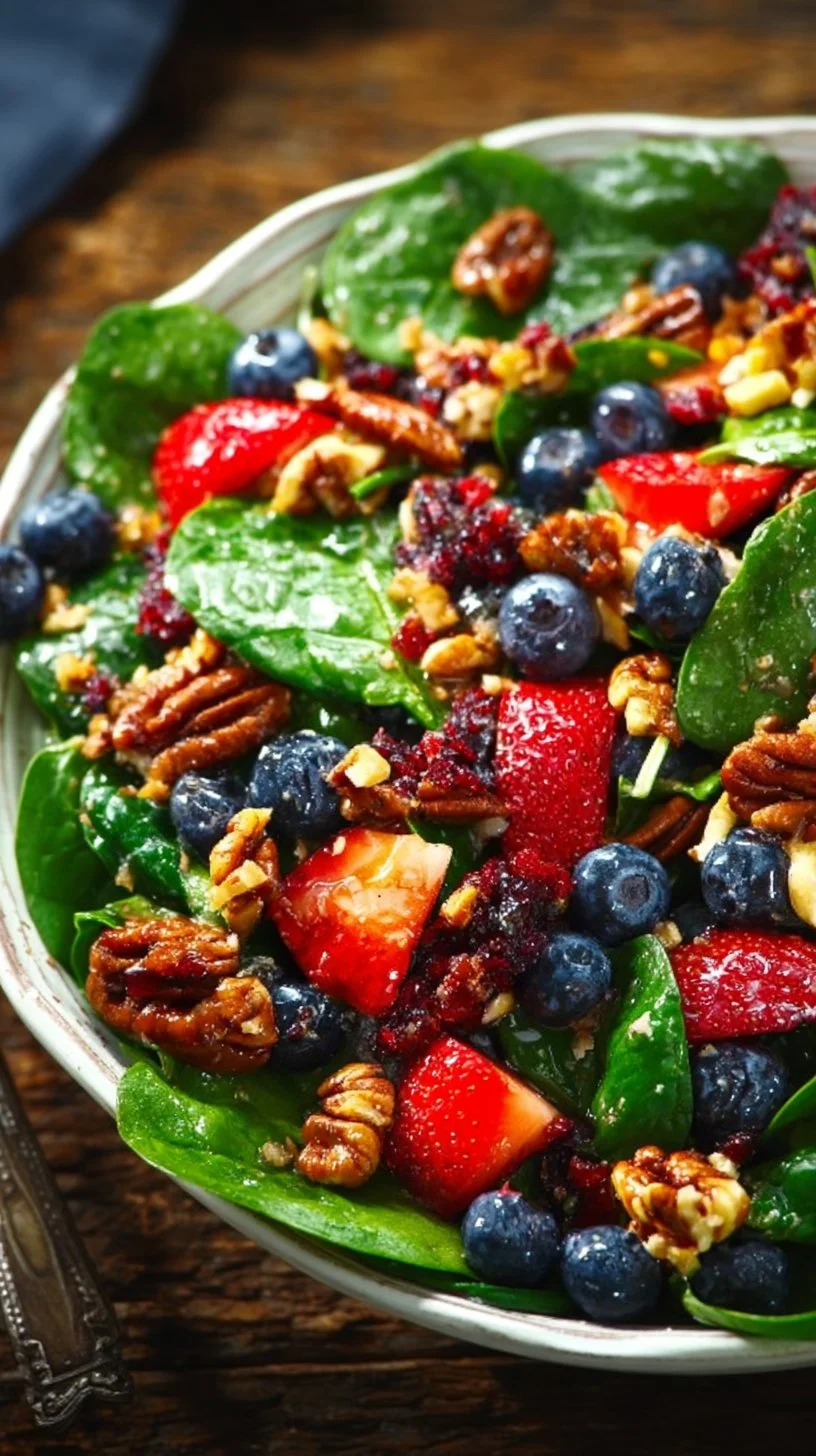
This Strawberry Spinach Salad is one of those simple, everyday recipes that feels approachable no matter your cooking rhythm. It brings together bright, seasonal strawberries, tender baby spinach, salty crumbled feta, and crunchy pecans, all rounded with a straightforward balsamic-and-olive-oil dressing. It’s the kind of dish that reads light on the plate but still leaves you satisfied — not because it’s austere, but because the textures and flavors are deliberately balanced.
I like to reach for this salad on weeknights when I want something fresh without feeling like I’ve compromised on comfort. It also works well as a make-ahead lunch if you keep the dressing separate until serving. If you enjoy strawberry-forward dishes, you might also enjoy my take on banana-strawberry bread, which uses the same principle of letting a standout fruit carry a broader, balanced meal idea.
In this article I’ll walk through why this particular combination works, how to prepare it without fuss, and practical ways to make it part of a balanced weekly rotation.
How this recipe fits into a balanced lifestyle
This salad strikes a practical balance: it’s lighter in the sense of ingredient choices and portioning, but not in the sense of being unsatisfying. Spinach provides a leafy base that’s low in volume but high in mouthfeel; strawberries bring natural sweetness and juiciness; pecans add crunch and a source of healthy fats; and feta contributes salt and creaminess to round the bite. The dressing — simply balsamic vinegar and olive oil — amplifies those contrasts without masking them.
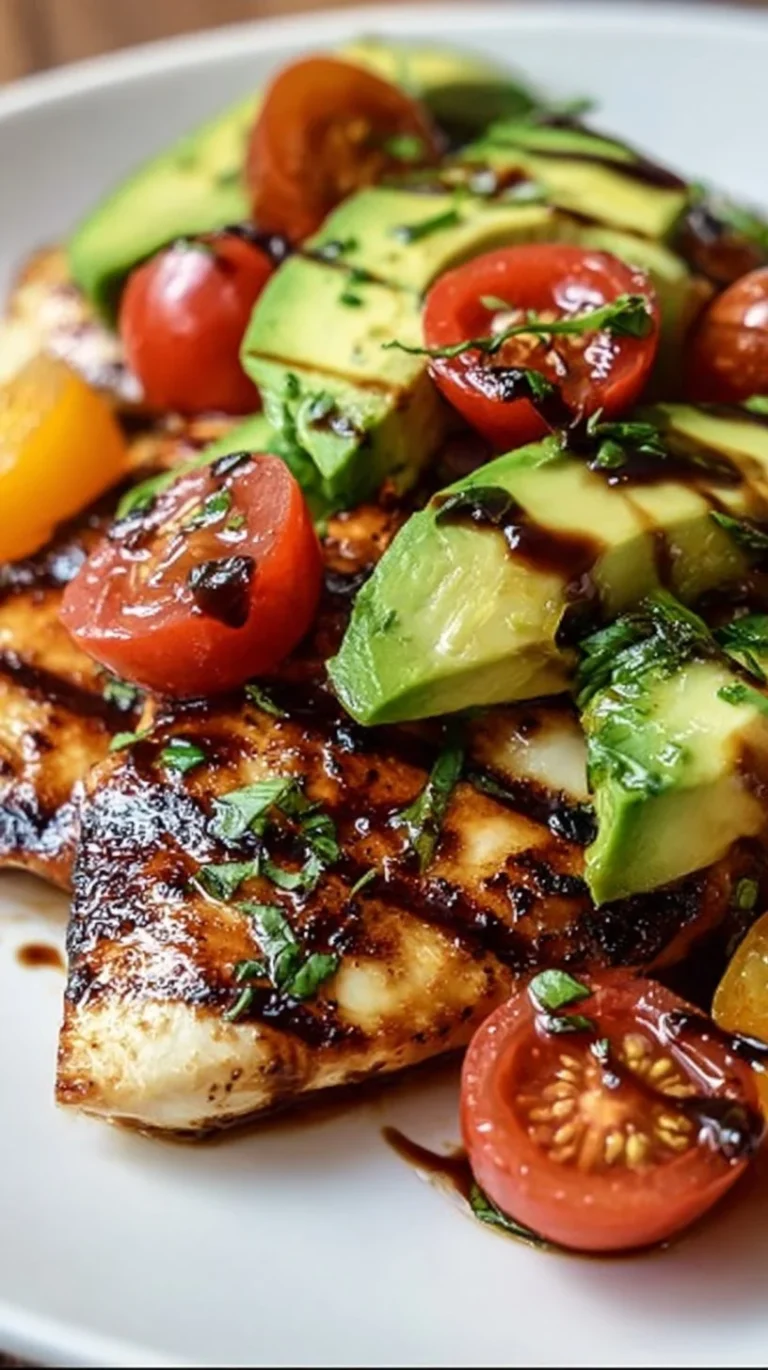
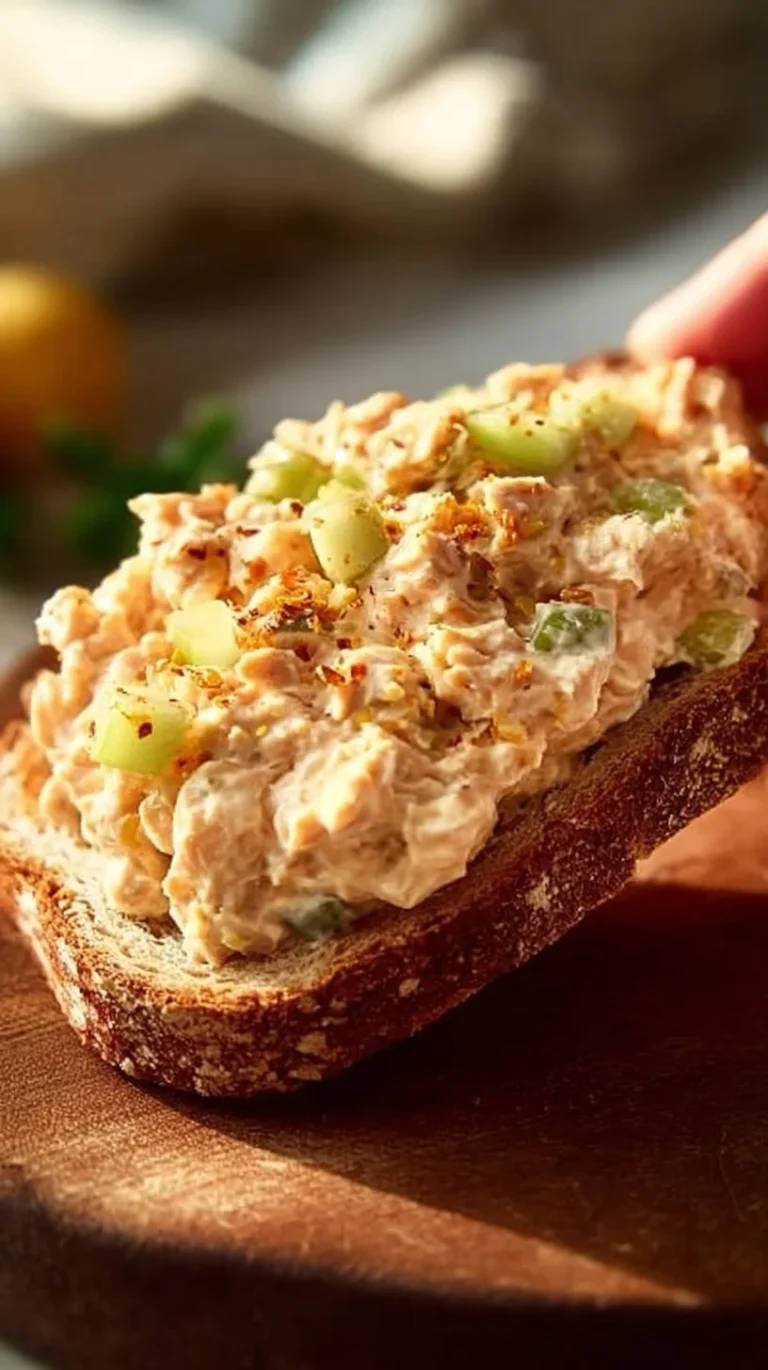
From a lifestyle perspective, this dish supports moderation and enjoyment because it focuses on combination rather than restriction. You’re not removing flavor to make it “lighter” — you’re prioritizing ingredients that naturally complement one another so a modest serving feels like a full, pleasing plate. It fits naturally into a weekly routine as a stand-alone lunch, a side for a simple protein, or a component of a composed meal with whole grains or legumes on the side. For nights when I want more protein, I’ll add a grilled chicken breast or a can of tuna; it keeps the meal balanced without changing the salad’s identity. For a heartier midweek option, pair this with a simple protein like buffalo tuna salad and you’ve got an easy, varied dinner.
How to make Strawberry Spinach Salad
The overall cooking flow is intentionally minimal: wash and prep your produce, mix the components, whisk a quick vinaigrette, then toss and serve. Where simplicity matters most is in keeping textures distinct — don’t overdress the spinach so it goes limp, and aim to keep the pecans crunchy to provide contrast against the softer strawberries and crumbled feta.
Approach the recipe with a relaxed mindset: this salad is forgiving. If your strawberries are very ripe and juicy, handle them gently to avoid turning the salad into a puddle; if your pecans are stale, give them a quick toast in a dry skillet to bring back their aroma. The basic sequence — assemble the solids, whisk the dressing, dress to taste — is the most important thing to remember. Don’t overthink portioning the dressing; start with half and add more if needed.
Ingredients
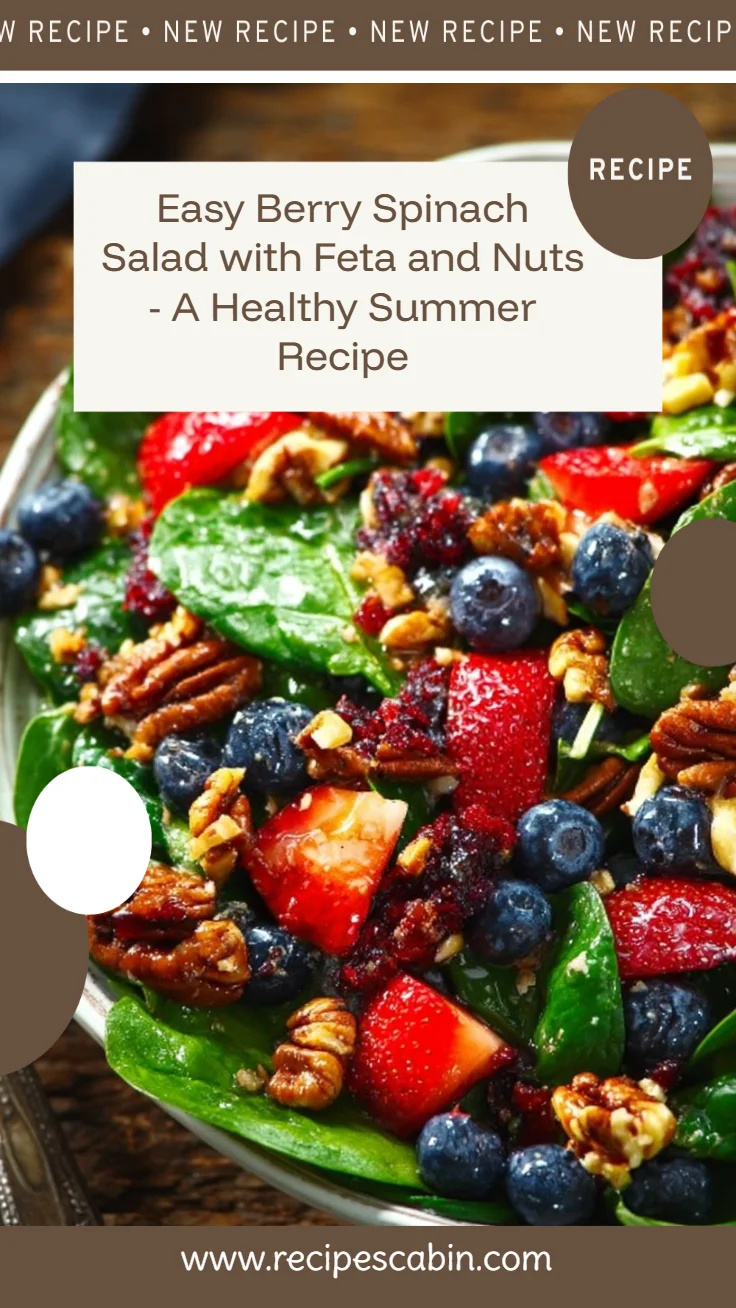
4 cups fresh spinach, 2 cups strawberries, sliced, 1/2 cup feta cheese, crumbled, 1/2 cup pecans, roughly chopped, 1/4 cup balsamic vinegar, 1/4 cup olive oil, Salt and pepper to taste
Each ingredient here plays a clear role. The spinach is the neutral, leafy canvas — it’s tender and slightly vegetal, which helps the sweeter and saltier elements shine. Strawberries bring a juicy sweetness and a lightly tart edge that cuts through the richness of the nuts and cheese. Feta adds a crumbly, salty note that ties the sweet and bitter elements together; because it’s crumbled, it disperses in little pockets so every forkful gets a bit of creaminess. Pecans contribute texture and a toasty, buttery flavor that makes the salad feel more substantial. The balsamic vinegar introduces acidity and a hint of sweetness that complements strawberries especially well, while olive oil smooths and softens the dressing so it coats without weighing down the leaves. Salt and pepper, used sparingly, are the finishing details that bring everything into balance.
These are simple, mindful choices. Each item is there to contribute a distinct sensory element — color, crunch, creaminess, acidity — so balance is achieved through combination rather than restriction.
Directions
- In a large bowl, combine the spinach, sliced strawberries, feta cheese, and pecans.
- In a separate bowl, whisk together balsamic vinegar and olive oil.
- Drizzle the dressing over the salad and toss gently to coat.
- Season with salt and pepper to taste.
- Serve immediately.
As you follow these steps, look for a few signs that the salad is coming together properly. The spinach should still feel crisp and springy when you toss it; if it looks wilted, that’s a sign there’s too much dressing or the dressing was added too early. The strawberries should be bright and juicy but not falling apart — slice them just before assembly for the best texture. When whisking the dressing, you want a smooth emulsion where oil and vinegar come together; that allows the vinaigrette to cling lightly to the leaves instead of pooling. Toss gently to avoid crushing the strawberries or breaking apart the feta into an unappetizing mush — the goal is distinct textures on the fork.
Avoid overcomplicating the process: don’t try to strain the strawberries or toasting the nuts is optional but helpful. The dress-and-serve timeline is short, so prep the dressing last if you plan to hold this salad for more than a few minutes.
The role of preparation in keeping this dish light
Preparation choices — not just ingredients — determine whether a dish feels light or heavy. For this salad, the primary techniques that keep it feeling fresh are gentle handling, timing, and minimal heat. Keeping the spinach raw preserves its crispness and subtle flavor; blanching or sautéing would change the character and make the salad feel more substantial. Toasting pecans briefly in a dry pan is a small step that intensifies flavor without adding fat; it’s a textural upgrade that makes the salad more satisfying without being heavy.
The way you dress the salad also matters. Emulsifying the dressing by whisking it first creates a coating that clings to leaves instead of pooling at the bottom of the bowl — that means less dressing per bite but more perceived flavor. Season sparingly at first: feta brings salt, and once you taste the dressed salad you may not need much additional salt. Those small choices — gentle tosses, short toasts, measured dressing — are what help the dish feel lighter while still being enjoyable.
Simple ways to adjust without losing balance
There are many simple, flavor-forward tweaks that preserve the salad’s balance. If you prefer a different nut, walnuts or sliced almonds work well — toast them lightly to maintain that crunch and aroma. For a dairy-free version, swap the feta for small cubes of avocado that will bring creaminess but will change texture; in that case, add the avocado just before serving to avoid browning. If you want a brighter acid profile, mix a teaspoon of Dijon mustard into the dressing for a subtle emulsifier and tang without adding bulk.
For different occasions: to make this more of a side, reduce the portion of greens and use more strawberries and nuts for a fruit-forward plate; for a main, add grilled salmon or chickpeas alongside to increase protein. These are conceptual adjustments — don’t alter the core recipe’s listed ingredients or steps — they help you adapt the salad to the moment while keeping the original balance intact.
Pairing ideas for a complete, well-rounded meal
This salad plays nicely with a range of light but satisfying options. For protein, grilled chicken or a simply pan-seared fish complements the fresh flavors without overpowering them. If you want something quick and pantry-friendly, a small portion of chilled quinoa or farro on the side will add chew and make the meal more filling. Bread-wise, a slice of whole-grain country loaf or a thin piece of toasted sourdough absorbs a bit of the dressing and makes the meal feel more complete.
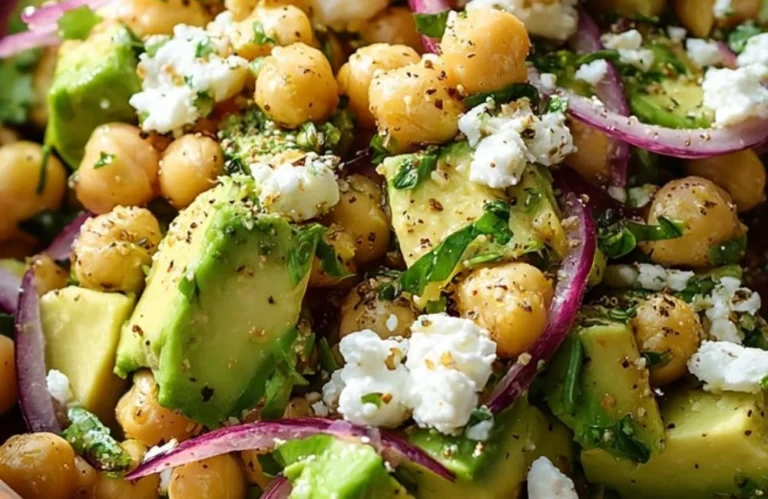
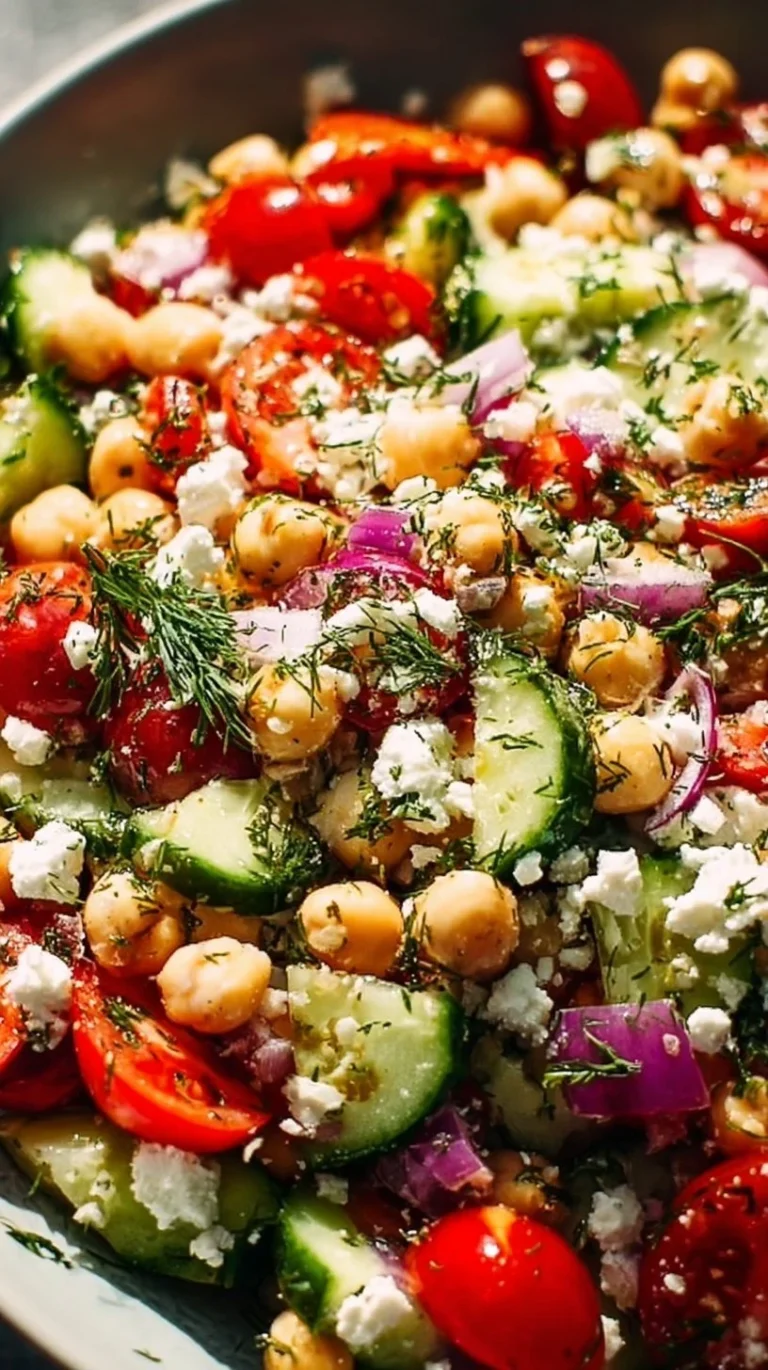
If you prefer to serve another cold salad alongside, consider a spreadable or creamy contrast like a small scoop of chickpea feta avocado salad; its creamier texture offsets the bright, crisp nature of the strawberry-spinach mix. For beverages, keep it simple — sparkling water with a lemon twist or an herbal iced tea keeps the meal feeling light and refreshing.
Storage, leftovers, and next-day enjoyment
This salad is best enjoyed within a few hours of assembly. If you anticipate leftovers, store the dressing separately and keep the spinach, strawberries, feta, and pecans in an airtight container in the fridge. When stored this way, the components will generally stay fresh for one day; the pecans may lose some crunch over time, but you can revive them with a quick toast in a dry skillet before serving.
If you’ve already dressed the salad and have leftovers, consume them within the same day. To refresh leftovers, add a squeeze of fresh lemon or a tiny drizzle of extra olive oil before serving to perk up flavors. Avoid reheating — this is a cold salad and warming it will change the textures unfavorably.
Common questions about lighter everyday cooking
- How much salad per person is reasonable? For a side, aim for about 1 to 1 1/2 cups of dressed greens per person; as a main, plan on 2 to 3 cups with an added protein. The goal is satisfying portions that don’t overfill the plate.
- How do I keep repeated meals interesting? Rotate small elements: change the nuts, switch a dressing, or add a different protein. Those small variations keep routines fresh without overcomplicating shopping or prep.
- Is this salad filling enough for dinner? It can be, especially with the addition of a protein or a whole-grain side. The pecans give a sense of satiety because of their fat and texture; pairing them smartly (for example, with a grain or lean protein) moves it from a light plate to a balanced dinner.
- How do I plan it into weekly meals? Make the dressing in a small jar early in the week; assemble the salad components a day ahead but keep them separate when possible. This minimizes time and preserves texture.
These are practical considerations more than rules — treat them as flexible guidelines that help the salad fit your life.
Final thoughts from Daniel
This Strawberry Spinach Salad is a reminder that lighter food doesn’t have to mean less satisfying. Thoughtful ingredient choices and simple preparation create a dish that feels fresh, balanced, and true to everyday eating. Cook it without pressure — focus on contrasts of texture and flavor, and let the strawberries and feta do the heavy lifting when it comes to taste. Give it a regular spot in your rotation; it’s the sort of recipe that scales easily, adapts well to small tweaks, and reliably delivers a pleasant, nourishing meal.
Conclusion
If you’re curious about other takes on this classic combination, you can compare notes with a version that features a poppy seed twist on the dressing at Spinach Strawberry Salad with Balsamic Poppy Seed Dressing. For a straightforward, widely-loved rendition with slightly different proportions, see Strawberry Spinach Salad Recipe – Allrecipes, which can be a useful reference for variations. If you enjoy exploring slightly elevated presentations, take a look at Strawberry spinach Salad – Food52 for inspiration on plating and ingredient accents.
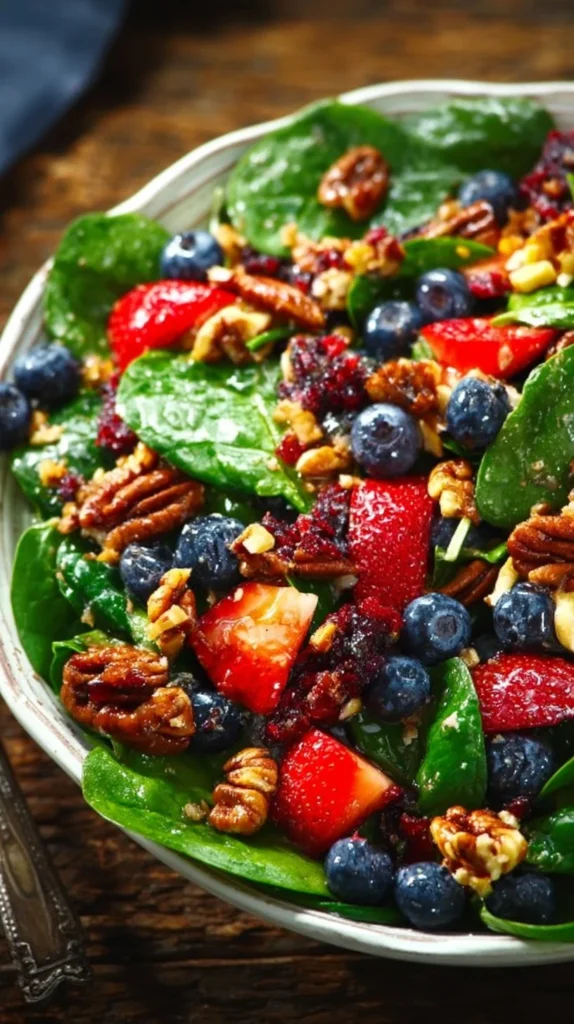
Strawberry Spinach Salad
Ingredients
Method
- In a large bowl, combine the spinach, sliced strawberries, feta cheese, and pecans.
- In a separate bowl, whisk together balsamic vinegar and olive oil.
- Drizzle the dressing over the salad and toss gently to coat.
- Season with salt and pepper to taste.
- Serve immediately.