Cinnamon Roll Protein Crepes
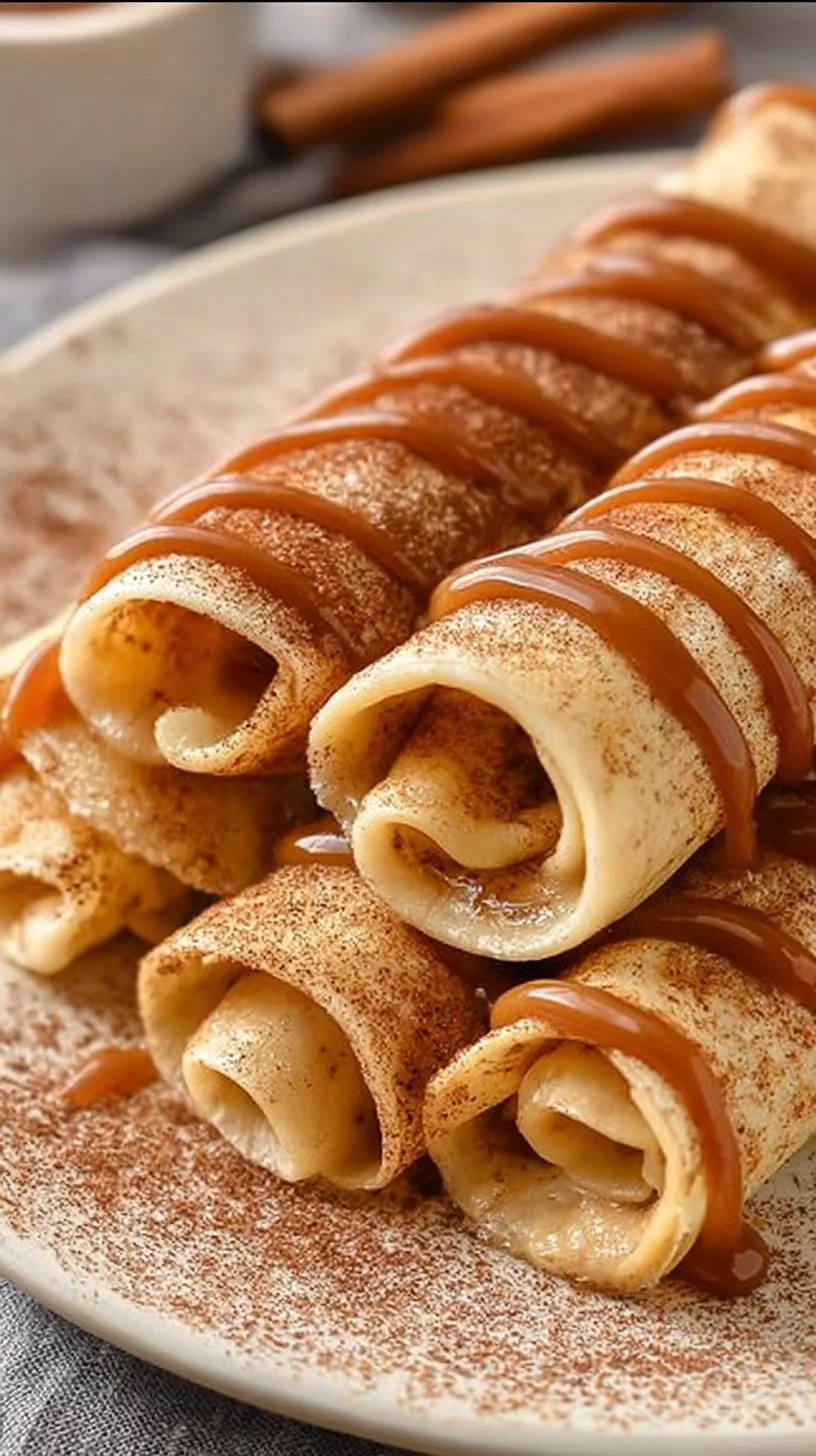
Cinnamon Roll Protein Crepes are one of those dishes that quietly solves a lot of weekday problems: they feel special enough for a weekend brunch, but they’re simple enough to throw together before school drop-off or after a busy afternoon. I created this recipe keeping busy families in mind — it’s satisfying, predictable, and full of the familiar cinnamon-and-vanilla flavors most kids and adults adore. The batter is straightforward, the cooking happens fast, and the results are thin, tender crepes that can be dressed up or kept plain depending on whoever’s at the table.
If you’re juggling sports, piano lessons, and dinner prep, this recipe fits into that rhythm without fuss. It’s easy to double or halve, it doesn’t demand a long rise or special equipment, and it can be part of a larger meal plan if you like. For families who rotate a mix of make-ahead breakfasts and quick skillet meals, this recipe slides right in alongside other favorites — I often pair it with a batch of simple egg bakes or other protein-forward dishes when I’m planning a week of easy mornings, much like the strategies I outline in recipes for easy high-protein meal prep for the week.
In this article I’ll walk you through what to expect at each stage, why certain small steps matter, and how to make the most of leftovers. My goal is that you’ll feel confident making these crepes the first time and comfortable adapting them to your family’s tastes without changing the recipe itself.
How to make Cinnamon Roll Protein Crepes
Think of this as three simple stages: mix, cook, and dress. First, you whisk the batter until it’s smooth — this is where you get the right texture and even cinnamon distribution. Second, you cook the crepes one thin layer at a time in a greased skillet; that’s where you watch timing and look for visual cues. Third, you serve and customize: yogurt, fruit, maple syrup, or a savory twist if someone prefers.
Expect the batter to be fairly thin and pourable — that’s what gives you a delicate crepe rather than a heavy pancake. Beginners should slow down at the pan stage: heat control is the key. A medium flame and a well-seasoned non-stick pan will keep the crepes thin and golden without sticking. Use a ladle to pour, then gently tilt and swirl the pan so the batter coats the surface in an even, thin layer. If you want a shortcut, make a slightly larger batch of batter, store it in the fridge for up to a couple of days, and cook crepes as you need them — busy mornings love this option. If you’re looking for other easy protein-first breakfast ideas, I often turn to quick skillet or waffle recipes as companions, like these easy healthy protein waffles when I want variety on the weekend.
Ingredients
1 cup all-purpose flour, 2 eggs, 1 cup milk (or a milk alternative), 1 tsp vanilla extract, 1 tbsp cinnamon, 2 tbsp sugar (or sweetener of choice), 1/4 tsp salt, Butter or oil for cooking
Each ingredient has a simple job here. The flour provides the structure so the crepes hold together without tearing; eggs add both lift and a silkiness that helps the crepe set quickly in the pan. Milk thins the batter to the right consistency and keeps the crepes tender — a milk alternative will do the same job if you prefer. Vanilla extract and cinnamon are where the “cinnamon roll” notes come from: vanilla deepens the flavor while cinnamon gives that warm, familiar spice kids recognize. Sugar adds a touch of sweetness, but you can use a preferred sweetener to suit your family. Salt is small and essential — it brightens the flavors so the batter doesn’t taste flat. Finally, butter or oil for the pan prevents sticking and gives the edges a pretty, golden finish.
If you’re wondering how to fold these crepes into other meals, I sometimes use them as a creative base in place of a flatbread or as a protein-friendly dessert crust. They’re flexible — for example, the flavor profile pairs nicely with cottage-cheese-forward dishes if you want a savory breakfast board, similar in spirit to recipes like easy high-protein cottage cheese pizza bowls, which are handy when you want to stretch ingredients across several meals.
Directions
- In a bowl, mix the flour, eggs, milk, vanilla extract, cinnamon, sugar, and salt until smooth.
- Heat a non-stick skillet over medium heat and grease with butter or oil.
- Pour a ladle of batter into the skillet and swirl to coat the bottom thinly.
- Cook for about 1-2 minutes until the edges lift and the bottom is golden.
- Flip and cook for an additional minute on the other side.
- Repeat with the remaining batter.
- Serve warm, topped with your favorite toppings such as yogurt, fruit, or a drizzle of maple syrup.
Those numbered directions are intentionally concise because the technique is simple, but here’s the friendly guidance that makes each step feel safe and repeatable:
- Step 1 (mixing): Aim for a lump-free batter. A whisk or a fork does the job; there’s no need for an electric mixer. If you see a few tiny lumps, that’s okay — they usually smooth out while resting. Letting the batter sit for 5–10 minutes isn’t required, but it helps the flour hydrate and makes the crepes even more tender.
- Step 2 (heating the pan): Give the skillet a couple of minutes to reach medium heat. Too hot and the crepes brown too quickly without cooking through; too cool and they’ll take longer and may become thicker. Grease the pan with a thin swipe of butter or a teaspoon of oil — you want enough to prevent sticking but not so much that the crepe fries.
- Step 3 (pouring and swirling): Pour a ladleful near the center, then lift and tilt the pan to spread. If the batter pools in the center, the pan is level and the batter may be too thick; add a splash of milk next time. The goal is a thin, even layer.
- Steps 4–5 (cooking and flipping): Watch the edges — when they look a touch dry and start to lift, and the bottom is golden, it’s time to flip. The flip should be gentle; you can use a spatula or, with practice, a quick wrist motion. The second side cooks faster.
- Step 6 (repeat): Keep the cooked crepes warm in a low oven (around 200°F/95°C) on a plate covered loosely with foil if you’re making a large batch for a family. This keeps them pliable.
- Step 7 (serve): Crepes are at their best warm. Offer a variety of toppings for the family to choose from so picky eaters can customize without fuss — plain yogurt and fruit are always winners.
A technique note: if a crepe tears, don’t worry — fold it and tuck the tear under; most kids won’t notice. For a slightly different texture, you can make each crepe a little thicker by pouring more batter, but follow the recipe as written for the classic thin, cinnamon-roll-inspired result.
Why families love this dish
The flavors here are instantly familiar — cinnamon, a whisper of vanilla, and the gentle sweetness of maple or fruit. That comfort factor matters a lot when you’re feeding little ones or rushing through a morning. Crepes present like something special, which makes weekday breakfasts feel a touch celebratory without extra effort.
Kid-friendliness is built in: these crepes are soft, easy to cut, and they take toppings well. Toddlers can pick at a folded crepe with yogurt, older kids can add fruit or a light drizzle of syrup, and adults can make a slightly more sophisticated plate with nuts or a dollop of ricotta. Versatility also makes them practical. Turn them into a handheld breakfast, a quick dessert, or a late-night snack — everyone finds a way to enjoy them.
If you have picky eaters, the recipe’s straightforward base means you can keep one or two crepes plain while flavoring others. For a heartier spread, serve with simple sides like sliced apples, a green salad, or scrambled eggs so the meal feels balanced without elaborate prep. If you need inspiration for complementary dishes that share the family-friendly, protein-forward approach, I often alternate these crepes with other reliable egg and cottage-cheese breakfasts such as baked cottage cheese eggs for variety during a busy week.
Make-ahead tips, leftovers, and storage
These crepes store well, which is a big win for busy households. Stack cooled crepes with a sheet of parchment between each to prevent sticking, then wrap the stack tightly in plastic wrap or place in an airtight container. In the fridge they’ll keep for 2–3 days; in the freezer they’ll hold for up to a month. To reheat, slide crepes into a warm skillet for 20–30 seconds per side, or microwave them in a single layer on a plate covered with a damp paper towel for 20–30 seconds — the damp towel keeps them from drying out.
Leftover crepes are useful in packed lunches: fold them around fruit and a smear of yogurt or a thin spread of nut butter so they’re easy to eat on the go. You can also repurpose slightly dried crepes into a quick baked custard-style dish similar in spirit to an apple-and-cottage-cheese bake I sometimes use when the week gets busy; for a related idea, see my notes on apple cinnamon cottage cheese bake which pairs well with the same flavors.
A small timing tip: if you plan to make crepes ahead, prepare the batter the night before and keep it chilled. Give it a brisk stir before using — it may have settled slightly but will cook just the same.
Common questions home cooks ask about this recipe
- Timing: How long does it actually take? Mixing is about 5 minutes, each crepe cooks in roughly 2–3 minutes, so a family-sized batch of 8–10 crepes can be ready in about 30 minutes from start to finish if you work steadily.
- Texture issues: If crepes feel gummy or thick, the batter may be too heavy — thin it with a splash more milk next time. If they tear easily, the pan might be too hot or under-greased; lower the heat slightly and refresh the butter between batches.
- Scaling the recipe: Double or triple the batter as needed. Use the same pan and cook time; you’ll just have more rounds to make. If you’re feeding a crowd, keep finished crepes warm in a low oven while you cook the rest.
- Make-it-again confidence: Start with the recommended pan temperature and practice the pour-and-tilt motion — it’s the trickiest part but also the quickest skill to pick up. Once you’ve done a few, you’ll have a rhythm and can hand that job off to a willing teenager or partner.
If you want a breakfast that pairs a thin, delicate crepe with a heartier protein side, I sometimes alternate these with savory protein crepe variations or use them as a replacement for other protein-packed breakfast tools like the ones showcased in recipes such as easy healthy protein waffles and more.
Final thoughts from Sarah
I love this recipe because it’s reliably comforting and forgiving. It’s not fussy, it works with simple pantry staples, and it adapts to the ebbs and flows of family life — sometimes served as a comforting breakfast, sometimes tucked into lunchboxes, and sometimes made for a casual weekend brunch. The cinnamon-and-vanilla combination is familiar, and that familiarity makes it an easy sell to kids and a pleasant, uncomplicated favorite for adults.
If you’re short on time, remember that the batter can be prepped ahead and the crepes reheated quickly. If you want to introduce variety, offer a small toppings station — plain yogurt, fresh fruit, syrup, or a sprinkle of nuts — and let everyone assemble their own plate. You’ll be rewarded with smiles and a recipe that earns its place in a regular rotation. Happy cooking, and I hope these Cinnamon Roll Protein Crepes become one of your go-to quick breakfasts.
Warmly,
Sarah Collins
Conclusion
For another take on Cinnamon Roll Protein Crepes that inspired some flavor ideas, see Cinnamon Roll Protein Crepes – MattsfitChef which explores similar combinations. If you’re curious how other cooks have added texture or adapted the crepe for low-carb approaches, take a look at High Protein Cinnamon Roll Crepes (GF, low sugar, low carb). And for a light egg-white-focused variation that might spark ideas for swapping ingredients while keeping the technique, there’s a helpful guide at Egg White Protein Crepes – Sugar Free Londoner.
Cinnamon Roll Protein Crepes
Ingredients
Method
- In a bowl, mix the flour, eggs, milk, vanilla extract, cinnamon, sugar, and salt until smooth.
- Heat a non-stick skillet over medium heat and grease with butter or oil.
- Pour a ladle of batter into the skillet and swirl to coat the bottom thinly.
- Cook for about 1-2 minutes until the edges lift and the bottom is golden.
- Flip and cook for an additional minute on the other side.
- Repeat with the remaining batter.
- Serve warm, topped with your favorite toppings such as yogurt, fruit, or a drizzle of maple syrup.