Comforting One-Pot Cajun Chicken Alfredo Orzo in Just 30 Minutes
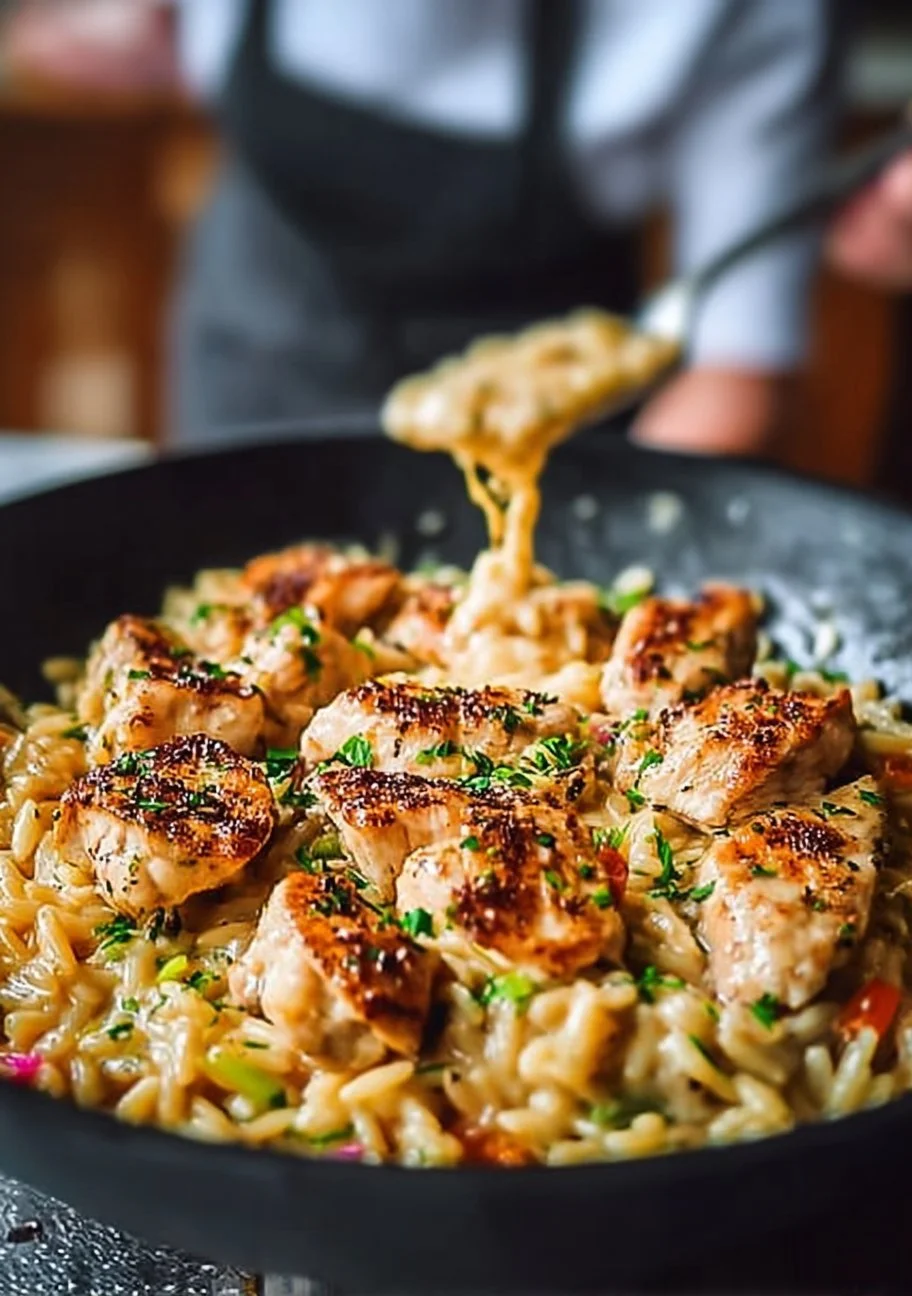
This one-pot Cajun Chicken Alfredo Orzo is the kind of weeknight meal I reach for when I want something that feels indulgent without collapsing my evening with a heavy, slow-cooking project. It’s creamy and comforting, thanks to the Parmesan and heavy cream, but it stays approachable because it’s built around lean chicken, quick-cooking orzo, and a straightforward simmer that keeps the dish bright and manageable. The whole thing comes together in about 30 minutes, which makes it an easy candidate for busy weeknights, a casual Sunday lunch, or a reliable option when you want to cook once and enjoy leftovers.
I aim for meals that are flavor-forward and practical, and this recipe matches that philosophy: bold Cajun seasoning gives the dish personality, while the one-pot method reduces cleanup and preserves the savory pan bits that make any simple meal feel special. If you often rotate simple, bold dishes into your routine, this pairs well with other balanced recipes — for example, I’ll sometimes alternate this with a lighter broth-forward meal like a turmeric chicken soup to keep the week varied without extra effort. That kind of rotation helps the meal feel like part of a sustainable pattern rather than an all-or-nothing approach to cooking.
How this recipe fits into a balanced lifestyle
This dish supports moderation and enjoyment by focusing on portion, texture, and ingredient quality rather than restriction. The orzo gives you the comforting carbohydrate element in a relatively small volume because orzo cooks compactly and absorbs the sauce, making a smaller portion feel satisfying. The diced chicken provides lean protein to anchor the meal, and a modest amount of heavy cream and Parmesan supplies richness without turning the dish into something overwhelmingly dense.
Feeling lighter here is about technique as much as ingredients: sautéing the chicken to golden-brown creates flavor without excess fat, and simmering the orzo directly in broth and cream keeps the sauce integrated rather than overloaded. Using a bold seasoning like Cajun spice allows you to rely on flavor intensity to satisfy cravings that might otherwise want more butter or salt. In a weekly rotation, a dish like this is easy to slot in between simpler, lighter meals and more elaborate dinners — keeping variety and satisfaction in balance without dramatics.
How to make Comforting One-Pot Cajun Chicken Alfredo Orzo in Just 30 Minutes
The overall flow is intentionally simple: brown, remove, sauté aromatics, add orzo and liquids, simmer until tender, then finish with the chicken and cheese. That sequence keeps ingredients from overcooking and preserves the textures that make each bite interesting. Where simplicity matters most is in the timing: get the chicken nicely seared but not dried, keep the aromatics fragrant but not dark, and stir the orzo gently as it absorbs the liquid so it cooks evenly.
Approach the recipe with a calm, step-by-step mindset. Prep your diced chicken, measure the orzo and liquids, and have your Parmesan grated and ready — the active cooking time moves quickly. If you like a bit more brightness, a quick splash of lemon or a handful of chopped parsley at the end brightens the creamy sauce without adding work. And if you want inspiration for pairing this with a more summery, chilled preparation on other nights, consider a recipe like this grilled chicken orzo salad that uses similar ingredients but a lighter assembly approach.
Ingredients
- 1 lb boneless skinless chicken breasts (diced)
- 1 tbsp Cajun seasoning (adjust to taste)
- 1 tbsp olive oil (for sautéing)
- 1 cup diced onions (fresh is best)
- 2 cloves garlic (minced)
- 1 cup bell pepper (diced (optional))
- 1.5 cups orzo pasta
- 4 cups chicken broth
- 1 cup heavy cream
- 1 cup Parmesan cheese (grated)
- Salt (to taste)
- Pepper (to taste)
- Fresh parsley (for garnish (optional))
Each ingredient plays a clear role. The chicken supplies lean protein and texture; dicing it keeps pieces tender and helps the orzo and sauce mingle with every bite. Cajun seasoning is the primary flavor driver here — it adds smoky, savory notes and a little heat so you don’t need extra butter or sauces to feel satisfied. Olive oil is the sautéing medium that helps develop a golden crust on the chicken and carries the flavor into the pot.
Onions and garlic build the aromatic backbone; bell pepper is optional but adds a fresh, slightly sweet contrast that lightens the overall impression of the dish. Orzo is chosen because it cooks quickly and gives a familiar, comforting mouthfeel similar to small pasta shapes without overwhelming the pan. Chicken broth and heavy cream together create a balanced cooking liquid: broth brings savory depth and prevents the sauce from becoming cloying, while cream provides silkiness and mouthfeel. Parmesan finishes the sauce with savory umami and binding texture.
Seasoning is left simple — salt and pepper to taste — because the Cajun blend already contributes complexity. Fresh parsley as a garnish is optional, but it adds color and a hint of freshness that keeps the dish from feeling one-note. All together, this list reflects mindful choices: a compact set of ingredients that work together to create a balanced, satisfying meal without extra clutter.
Directions
Warm 1 tablespoon of olive oil in a large pot over medium heat until shimmering, then add the chicken for sautéing.
Add 1 lb of diced chicken, seasoning it with 1 tablespoon of Cajun seasoning, salt, and pepper. Cook until golden brown and cooked through, about 5-7 minutes.
Remove the browned chicken and set aside, leaving flavorful bits in the pot.
Add 1 cup of diced onions and 2 minced garlic cloves in the same pot. Cook until fragrant, about 2-3 minutes, then stir in 1 cup of diced bell pepper, if using.
Mix in 1.5 cups of orzo pasta, 4 cups of chicken broth, and 1 cup of heavy cream. Bring to a gentle boil.
Reduce heat to low, cover, and let simmer for 10-12 minutes, stirring occasionally until orzo is tender.
Stir in the cooked chicken and 1 cup of grated Parmesan cheese until creamy and well combined. Taste and adjust seasoning as needed.
Ladle the warm orzo mixture into bowls and garnish with fresh parsley.
Around these steps, there’s a lot of simple guidance that keeps the process calm and reliable. When browning the chicken, look for a golden edge — that color is flavor, not dryness. If pieces are larger, you may need an extra minute or two; if you see the pan sticking, a splash of broth will lift those caramelized bits into the sauce. Removing the chicken and leaving the fond (those browned bits) is intentional — they’ll dissolve into the base when you add liquid and carry savory depth.
When you add the onions and garlic, cook them just until soft and translucent; if they brown too much the dish shifts into a deeper, heavier flavor profile, which is still tasty but different than the lighter, cream-forward aim here. For the orzo, stir occasionally to prevent sticking and to judge tenderness the way you would with rice — check at 10 minutes and let it go a minute or two longer if needed. Incorporating the Parmesan off heat or on very low heat keeps it from clumping and helps the sauce remain smooth. If the sauce tightens too much as it cools, a tablespoon or two of broth added when reheating loosens it without watering it down.
If you’re juggling other dishes while making this, it’s forgiving: the orzo tolerates a gentle simmer and the chicken will keep its tenderness if it’s not reheated aggressively. For a slightly different flavor balance — smoky, bright, or more pepper-forward — you can experiment with the Cajun seasoning amount, but keep the base process exactly as written to maintain texture and timing. If you enjoy comparing approaches, this recipe shares a family of one-pot orzo preparations with other savory profiles like a richer Cajun-style skillet that’s fun to try on a different night, and you can read a related take on flavoring in a bang-bang chicken bowl write-up that emphasizes simple sauces and quick finishes.
The role of preparation in keeping this dish light
Preparation decisions — cutting size, timing, and the order of steps — determine whether the finished dish feels featherlight or heavy. Dicing the chicken into bite-size pieces shortens cook time and reduces the chance of overcooking, which preserves a tender texture that reads as lighter on the palate. Sweating rather than browning the aromatics prevents deep caramelization that can anchor the dish in heavier flavors; leaving a little fond for depth is the middle ground.
Simmering the orzo in a mix of broth and cream rather than cooking it separately and adding a large quantity of sauce keeps the liquid-to-pasta ratio balanced. That method lets the orzo absorb flavor without floating in excess cream. Small technique choices — using medium heat for a steady simmer, stirring gently, and finishing with cheese off heat — create a silky sauce that clings to the orzo instead of pooling, which makes a smaller serving feel satisfying.
Simple ways to adjust without losing balance
You can personalize the dish while keeping its balanced nature. To reduce overall richness without changing the recipe, finish with a squeeze of lemon or a few splashes of white wine vinegar — acid brightens the cream and makes each bite seem lighter. Increase the volume and bulk with a can of drained white beans or a cup of frozen peas stirred in at the end; these keep portion sizes reasonable while adding protein or fiber.
If you prefer more heat, add crushed red pepper or increase the Cajun seasoning slightly, but do so in small increments so the balance with cream and Parmesan remains pleasant. For a fresher texture, fold in a handful of chopped spinach at the end; it wilts quickly and adds color. These are conceptual adjustments — they don’t change the ingredient list or steps but help you tailor the dish for different meals and moods without losing the one-pot simplicity.
Pairing ideas for a complete, well-rounded meal
To keep the overall plate light and satisfying, pair the orzo with something green and textural. A simple mixed green salad with a bright vinaigrette or a chopped cucumber and tomato salad complements the creamy orzo with crunch and acidity. Roasted or steamed vegetables like asparagus, Brussels sprouts, or green beans add fiber and a contrasting texture; roast them alongside the meal if you want a hands-off companion.
For bread lovers, a small piece of crusty whole-grain bread or a garlic-rubbed slice adds chew and is useful for mopping up sauce without encouraging oversized portions. If you want to keep things very light, serve smaller bowls of the orzo with a generous side of raw or lightly wilted greens tossed in lemon and olive oil — the combination feels balanced, visually inviting, and keeps the creamy element as the highlight.
Storage, leftovers, and next-day enjoyment
This orzo keeps well for 2–3 days in the refrigerator when stored in an airtight container. The sauce firms up as it chills, so when reheating add a splash of chicken broth (or water) to loosen it and stir gently over low heat. Microwaving is fine — break up the chilled mass with a fork, add a tablespoon of liquid, and heat in 30-second intervals, stirring between bursts.
If you plan to freeze leftovers, know that heavy cream can change texture after freezing and thawing; the meal is best refrigerated rather than frozen. To refresh leftovers and restore brightness, finish with a little fresh parsley, a squeeze of lemon, or an additional sprinkle of grated Parmesan after reheating. These small steps revive the dish and keep repeat meals from feeling stale.
Common questions about lighter everyday cooking
Q: How much should I serve per person?
A: Aim for about 3/4 to 1 cup of the finished orzo mixture per person when serving with a side salad or vegetables. That portion feels satisfying because of the protein and the creaminess, but it’s also easy to increase the vegetable component to stretch the meal.
Q: Can I meal-plan this for several lunches?
A: Yes — portion into individual containers and pair with fresh greens or steamed vegetables the day of eating. The simple reheating steps keep the texture pleasant.
Q: How do I avoid boredom when repeating meals?
A: Change the accents: add lemon and herbs one day, roasted peppers the next, or a different grated cheese like Pecorino for a sharper finish. These small changes maintain familiarity without sameness.
Q: Is “lighter” just about calories?
A: Not at all. In my approach, lighter means balanced portions, varied textures, and clear ingredient choices. That creates meals that support daily energy and allow room for enjoyment.
Final thoughts from Daniel
I like this recipe because it’s a quiet example of how careful choices — a pan-sear to get flavor, a modest amount of cream for silkiness, and a single pot for minimal fuss — can deliver a dinner that feels both comforting and manageable. Trust the sequence: brown the chicken, soften the aromatics, simmer the orzo in broth and a little cream, then finish with cheese and the cooked protein. It’s an everyday kind of comfort that doesn’t demand a lot of spare time or technique, but rewards attention to timing and seasoning.
Cook intuitively: taste as you go, adjust the Cajun seasoning to your preference, and remember that small bright touches at the end transform the bowl. Keep this recipe in rotation alongside lighter, broth-forward meals and brighter salads to maintain variety and satisfaction across the week. It’s a dependable, flavorful dish that earns a regular spot in a balanced cooking routine.
Conclusion
If you want a texturally similar one-pot approach with Italian influence, this version from One-Pot Italian Chicken and Orzo Pasta is a good reference for technique. For a cream-forward Cajun take that emphasizes quick weeknight cooking, see the method used in One Pot Creamy Cajun Chicken Alfredo. And if you enjoy comparing flavor profiles across similar recipes, this Cajun Chicken Orzo Skillet offers another practical perspective on spices, timing, and one-skillet convenience.
Daniel Brooks
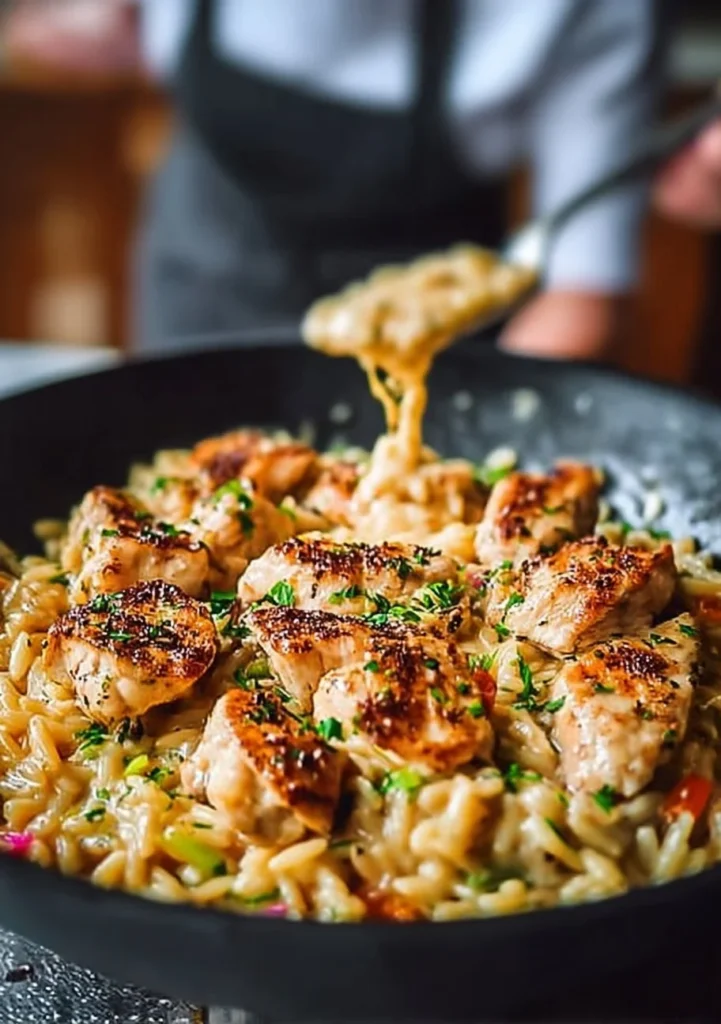
Cajun Chicken Alfredo Orzo
Ingredients
Method
- Warm 1 tablespoon of olive oil in a large pot over medium heat until shimmering, then add the chicken for sautéing.
- Add the diced chicken, seasoning it with Cajun seasoning, salt, and pepper. Cook until golden brown and cooked through, about 5-7 minutes.
- Remove the browned chicken and set aside, leaving flavorful bits in the pot.
- Add diced onions and minced garlic to the same pot. Cook until fragrant, about 2-3 minutes, then stir in diced bell pepper, if using.
- Mix in the orzo pasta, chicken broth, and heavy cream. Bring to a gentle boil.
- Reduce heat to low, cover, and let simmer for 10-12 minutes, stirring occasionally until orzo is tender.
- Stir in the cooked chicken and grated Parmesan cheese until creamy and well combined. Taste and adjust seasoning as needed.
- Ladle the warm orzo mixture into bowls and garnish with fresh parsley.