Mediterranean Baked Feta Eggs

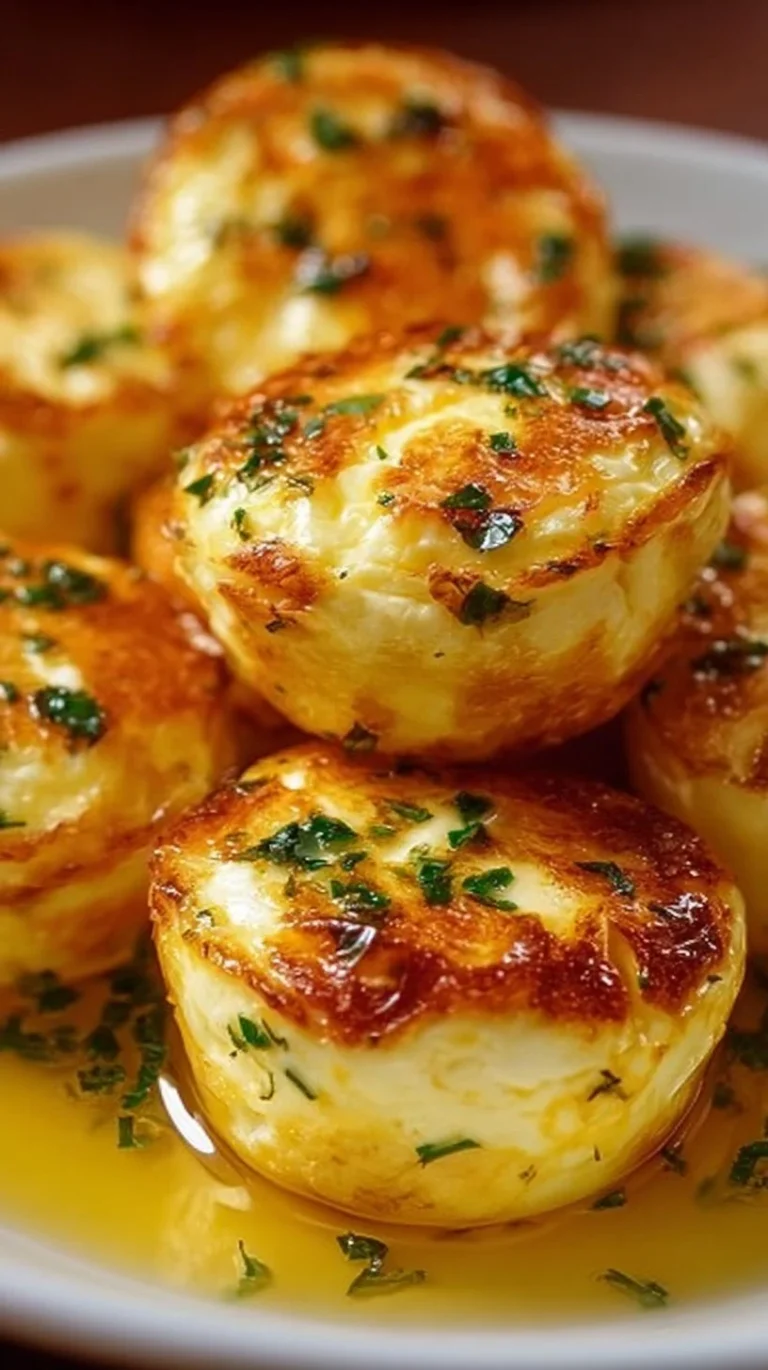
Mediterranean Baked Feta Eggs is one of those recipes that lands easily in the middle of the week: simple to pull together, forgiving in execution, and satisfying without feeling heavy. It combines a modest block of feta, sweet roasted cherry tomatoes, a handful of spinach, and a few eggs baked gently until the whites set and the yolks remain tender. The result is a meal that feels bright and comforting at the same time — suitable for a relaxed weekend brunch or a quick weeknight dinner.
Because the recipe focuses on a few high-quality ingredients and straightforward cooking, it’s easy to repeat without fatigue. If you enjoy variations on baked egg dishes, you might also like my take on baked cottage cheese eggs for a protein-forward breakfast option that keeps things light and creamy: baked cottage cheese eggs.
This dish sits comfortably between breakfast and dinner, but its simplicity and balanced flavor profile make it versatile enough to bring to a casual potluck or to pack for a simple lunch the next day.
How this recipe fits into a balanced lifestyle
This recipe supports a balanced approach to eating because it emphasizes portion control through composition rather than restriction. A block of feta provides a concentrated, savory component so you don’t need large quantities to get satisfying flavor; eggs supply high-quality protein; and tomatoes and spinach add fiber and freshness. Together, these ingredients create a plate that feels full and nourishing without being dense.
When I think about “lighter” meals, I don’t mean skimpy or flavorless. Lighter here is about balance — combining ingredients that deliver texture, fat, and protein in measured amounts so the mouth feels satisfied and the plate doesn’t feel overwhelming. Baking the feta and tomatoes concentrates flavor and creates a silky texture that plays nicely with runny yolks, which are deeply satisfying without adding more butter or cream.
Because the recipe is built from pantry-ready items and relies on simple technique, it’s easy to include in a weekly rotation without taking up mental space. You’ll find it sits well alongside salads, whole grains, or a crisp side of vegetables, so it can be adapted to different meals and hunger levels across the week.
How to make Mediterranean Baked Feta Eggs
The cooking flow is intentionally simple: roast, make wells, and bake again. Start by arranging the feta and vegetables in a baking dish, roast until the tomatoes soften and the feta is warm and slightly pillowy, then create shallow wells for the eggs and finish them in the oven until the whites are set and the yolks are the texture you like.
Simplicity matters most in the setup: use a reasonably sized baking dish so ingredients aren’t crowded, keep the tomato size consistent so they roast evenly, and don’t overwork the spinach — it wilts quickly and contributes both color and a tender lift. Resist the urge to fuss with too many seasonings; a little garlic, olive oil, red pepper flakes, salt, and pepper provide plenty of interest and let the core flavors shine.
Approach the recipe without overthinking timing. Aim for the initial roast to soften the tomatoes and warm the feta, and then watch the eggs closely. Ovens vary, and eggs can move from runny to fully set in minutes; plan to check them toward the shorter end of the suggested bake time if you like soft yolks.
Ingredients
Feta cheese, Eggs, Olive oil, Cherry tomatoes, Spinach, Garlic, Red pepper flakes, Salt, Pepper, Fresh herbs (such as parsley or dill)
Each ingredient has a clear role:
- Feta cheese: Acts as the umami-rich, salty centerpiece. Because it’s compact and flavorful, you don’t need a lot to anchor the whole dish. As it heats, it softens into a creamy, tangy base that pairs beautifully with tomatoes and eggs.
- Eggs: Provide protein and creamy texture from the yolks. They’re the reason this dish can stand alone as a meal — one or two per person make it substantial while keeping portions tidy.
- Olive oil: Helps the tomatoes roast and the garlic flavor bloom. A drizzle before baking gives a glossy finish and helps carry the herbs.
- Cherry tomatoes: Add sweetness and acidity when roasted, which balances the saltiness of the feta. Their bursty texture gives contrast to the creamy cheese and eggs.
- Spinach: Brings a fresh, green note and a light vegetal backbone. It wilts down during roasting, adding bulk and color without heaviness.
- Garlic: Lends a savory background note. A small amount goes a long way when roasted with the tomatoes and spinach.
- Red pepper flakes: Introduce gentle heat and a savory lift. Use sparingly if you prefer a milder profile.
- Salt and Pepper: Essential seasonings that heighten the flavors of the feta and the vegetables. Because feta is salty, taste before adding a lot of extra salt.
- Fresh herbs (parsley or dill): Finishing herbs add brightness and an herbal finish that keeps the dish feeling fresh.
The simplicity of these choices is deliberate: balance comes from how ingredients interact (salt vs. acid, creamy vs. bright) rather than from omitting things. Choosing good-quality feta and ripe tomatoes will make a noticeable difference without complicating the process.
Directions
- Preheat the oven to 375°F (190°C).
- In a baking dish, drizzle olive oil and place blocks of feta cheese in the center.
- Surround the feta with cherry tomatoes and spinach.
- Sprinkle minced garlic, red pepper flakes, salt, and pepper over the top.
- Bake in the preheated oven for about 20 minutes, or until the feta is soft and tomatoes are roasted.
- Remove from the oven and make wells for the eggs in the feta and tomatoes.
- Crack the eggs into the wells and return to the oven for an additional 10-15 minutes, or until the eggs are cooked to your liking.
- Top with fresh herbs before serving and enjoy!
Supportive guidance around the steps:
- Preheat and prep: Set the oven early so the baking dish starts warm when the ingredients go in, which helps the feta loosen evenly. Lightly drizzling the dish with olive oil prevents sticking and gives everything a sheen.
- During the first bake: Look for tomatoes that have blistered and softened and feta that has lost its rigid shape and become slightly glossy and pillowy at the edges. That’s the signal it’s ready for the eggs.
- Making wells: Use a spoon to nudge the softened feta and roasted tomatoes to create shallow wells; you want the egg whites to have contact with the hot dish but not to disappear entirely into deep pockets.
- Finishing the eggs: Check at 10 minutes for whites set and yolks still soft; add a few extra minutes if you prefer more firmness. Because oven temperatures vary, keep a close eye the first time you make it.
- Final touches: Fresh herbs should be added off heat so they retain their color and aroma. A small sprinkle of red pepper flakes or a light grind of black pepper finishes the dish without overwhelming it.
The role of preparation in keeping this dish light
Preparation is where the difference between a heavy, claggy bake and a bright, airy dish is made. Roasting concentrates flavors without the need for heavy creams or excessive oil. The feta’s tang and saltiness means less added fat is required to achieve a satisfying mouthfeel. Spinach and tomatoes contribute volume, fiber, and water content that help the plate feel generous without excess calories.
Technique matters: gentle roasting softens ingredients and melds flavors so each bite feels composed rather than one-note. Avoid drowning the dish in oil — a modest drizzle is enough to promote roasting and develop color. Also, don’t overbake the eggs; a slightly runny yolk lends richness and creaminess that feels satisfying in a small portion, reducing the urge to pile on sides.
Small choices — like using whole cherry tomatoes for more even roasting, tearing spinach instead of over-chopping, and adding herbs at the end — all preserve texture and keep the overall impression light and fresh. The end goal is a balanced plate that tastes complete without needing heavy accompaniments.
Simple ways to adjust without losing balance
You can personalize this dish without altering its core ingredients or steps. For a slightly brighter finish, squeeze a wedge of lemon over the top just before serving — acidity lifts the feta and cuts through richness. If you prefer more green, toss the spinach in at the last five minutes of the initial bake so it retains a bit more snap. For extra heat, increase the red pepper flakes a little at a time.
If you want to increase the protein modestly, add an extra egg per person or serve with a simple side of yogurt mixed with lemon and herbs; the tangy yogurt complements the feta’s saltiness while adding protein without heaviness. For plant-forward variation, emphasize the tomatoes and spinach and serve with a side of roasted chickpeas or a crisp salad; a good example pairing to inspire is a chickpea, feta, and avocado salad that echoes the flavors here while adding a contrasting texture: chickpea, feta, and avocado salad.
The key to keeping adjustments balanced is to think in terms of proportion and contrast: a little acid to brighten, a little fat to satisfy, and plenty of fresh herbs or greens to keep the plate feeling lively.
Pairing ideas for a complete, well-rounded meal
This dish is flexible when it comes to what you serve alongside it. For lighter, well-rounded options:
- Crisp green salad: A simple mix of arugula or mixed greens with lemon vinaigrette adds peppery contrast and a refreshing texture.
- Whole-grain toast or flatbread: A slice of toasted sourdough or a warmed flatbread provides something to scoop up runny yolk without overwhelming the plate.
- Simple grain bowl: A small bed of farro or quinoa adds chew and whole-grain satisfaction; drizzle a touch of olive oil and lemon to tie it to the bake.
- Yogurt and herb dip: Plain yogurt stirred with lemon, garlic, and herbs is a cooling counterpoint to the roasted flavors.
- Light roasted vegetables: A tray of seasonal vegetables roasted with thyme or oregano complements the Mediterranean profile without adding heaviness.
When building a plate, aim for contrast: soft and creamy from the eggs and feta, bright and acidic from tomatoes or lemon, crisp and leafy from greens, and toasted or chewy from bread or grains. That combination keeps the meal balanced and satisfying.
Storage, leftovers, and next-day enjoyment
This dish reheats well with a few considerations. Cool to room temperature and store in an airtight container in the refrigerator for up to three days. Reheat gently in a 325°F oven for 8–10 minutes until warmed through — this helps preserve the texture of the tomatoes and prevents the eggs from becoming rubbery. If you’re reheating a single portion, a short pass under a broiler can refresh the surface, but watch closely.
Leftovers also work cold as a topping for a salad or grain bowl; thinly slice or spoon the components over mixed greens and finish with a squeeze of lemon and a drizzle of olive oil. If you find the eggs become firm in the fridge, consider separating the baked feta and roasted vegetables from the eggs when storing, and add freshly cooked eggs when serving the leftovers for a fresher texture.
Label containers with the date and keep portions modest so reheating is quick and even. Proper storage keeps flavors bright and reduces food waste while giving you an easy, flavorful meal the next day.
Common questions about lighter everyday cooking
Q: How many servings should I plan for?
A: Plan one to two eggs per person depending on appetite and what else you are serving. Because the dish is rich-tasting, a modest serving often feels satisfying.
Q: How can I repeat similar meals without getting bored?
A: Rotate the support components — change the herbs, use different greens, serve with toast one day and a salad the next. Small swaps keep meals interesting without adding complexity.
Q: Is it okay to add more cheese or oil if I want extra richness?
A: Yes, but consider the balance. A little extra cheese brings more salt and fat, so pair it with brighter sides (a lemony salad or crisp vegetables) rather than additional heavy components.
Q: How do I keep eggs from overcooking when reheating?
A: Reheat gently at low temperature and check often. If you plan to reheat frequently, consider cooking eggs to slightly less done initially so they’ll withstand a second brief heating.
Q: How do I keep meals light while still feeling comforting?
A: Focus on texture and contrast. Creaminess from a small amount of fat, a bright acidic note, and crisp or fresh greens achieve comfort without excess.
Final thoughts from Daniel
This Mediterranean Baked Feta Eggs recipe is the kind of kitchen workhorse I return to when I want something that feels both nourishing and uncomplicated. It’s forgiving in technique, highlights ingredient quality, and delivers satisfying depth with minimal fuss. Cooking it a few times will teach you what your oven and personal texture preferences are, and you’ll find small adjustments — a squeeze of lemon, an extra handful of herbs, a side of warm grain — that make it your own.
Trusting simple recipes like this one makes daily cooking feel more enjoyable and less like a production. Balance is flexible: aim for portions and pairings that leave you energized and content, and let flavor guide the rest. If you give it a try, I hope it becomes one of those recipes you’re happy to make on a Wednesday night and excited to serve to friends on the weekend.
Conclusion
For an approachable reference and variations, this adaptation on baked feta eggs from This Healthy Table offers helpful ideas on presentation and seasoning. If you’re curious about another regional take on baked eggs with tomatoes and feta, the version at Eating European provides a nice perspective. For a cozy, family-style interpretation and serving suggestions, see The Modern Nonna.

Mediterranean Baked Feta Eggs
Ingredients
Method
- Preheat the oven to 375°F (190°C).
- In a baking dish, drizzle olive oil and place blocks of feta cheese in the center.
- Surround the feta with cherry tomatoes and spinach.
- Sprinkle minced garlic, red pepper flakes, salt, and pepper over the top.
- Bake in the preheated oven for about 20 minutes, or until the feta is soft and tomatoes are roasted.
- Remove from the oven and make wells for the eggs in the feta and tomatoes.
- Crack the eggs into the wells and return to the oven for an additional 10-15 minutes, or until the eggs are cooked to your liking.
- Top with fresh herbs before serving and enjoy!