Yogurt Chia Pudding
Introduction
If you’re someone who wants a simple, reliable breakfast or snack that feels both nourishing and a little bit special, this Yogurt Chia Pudding is for you. I’ve designed this recipe with beginners in mind — it’s forgiving, straightforward, and gives you a nutritious result with very little fuss. Whether you’re making something healthy before a busy day, easing back into cooking after a break, or simply looking for a calm kitchen win, this pudding is a gentle place to start.
You don’t need fancy tools or an exacting sense of timing to succeed here. A bowl, a spoon, and a fridge are all it takes. If you enjoy portable, fridge-friendly treats, you might also like my spin on frozen bites like Blueberry Swirl Yogurt Bites — they’re great for when you want to take this same creamy idea in a different direction. Read on and I’ll walk you through what’s happening at each step so you can feel confident from the very first stirring.
Why this recipe is easy to get right
This Yogurt Chia Pudding is forgiving for a few reasons. First, the chia seeds do the thickening work for you — they don’t require active cooking or precise temperatures. Second, the ingredient list is short and familiar, which makes it easy to shop for and swap around if needed. Third, the recipe uses resting time in the fridge rather than complicated techniques, so small timing errors won’t ruin the texture.
Flexibility is one of the recipe’s strengths. A little more milk makes a looser pudding; a little less makes it thicker. The optional sweetener lets you control how sweet it is without changing the structure. Because there’s no baking or delicate emulsifications involved, even if your first jar looks a touch watery or a bit clumpy, it will usually smooth out after another gentle stir and additional chilling time. That makes this a low-pressure, high-reward recipe — ideal for cooks of any skill level.
How to make Yogurt Chia Pudding
At its heart, this recipe follows a simple sequence: combine, rest, stir, chill, and serve. Here’s what happens and what to watch for.
First: combine the yogurt and milk. You’re creating a uniform base so that the chia seeds can hydrate evenly. The mixture should look smooth and slightly glossy — if you see streaks of thick yogurt, take a moment to stir until it’s even.
Next: add the chia seeds and sweetener, then let it sit briefly. That five-minute pause is important because chia seeds begin to absorb liquid and form little gel-like clusters. After the short wait, you’ll stir again to break up any early clumps and redistribute the seeds for even hydration.
Last: the fridge does the rest. Covering and refrigerating allows the chia seeds to continue absorbing liquid slowly, resulting in a thick, spoonable pudding. Two hours will give you a pleasantly thick texture; overnight is even better and mellows the flavors.
Where beginners should slow down: take your time stirring the first two steps so the milk and yogurt are truly combined, and don’t skip the five-minute pause and second stir — that step prevents chia from clumping, which is the most common texture issue. Otherwise, this is very relaxed cooking: gentle, tactile, and forgiving.
I also like to point out variations that use similar technique — if you enjoy the set-and-chill approach, recipes like Frozen Greek Yogurt Peanut Butter Bites use the same patient mindset to create a completely different snack.
Ingredients
1 cup yogurt, 1/4 cup chia seeds, 1 cup milk (or plant-based milk), 1-2 tablespoons sweetener (optional, such as honey or maple syrup)
Here’s what each ingredient does and why none are intimidating:
- Yogurt: This is the creamy base. It adds tang, protein, and body. Plain or flavored yogurt will change the final taste a little, but either is fine — the yogurt is what gives the pudding its smooth, dairy-forward character.
- Chia seeds: These are the thickening agent. When they meet liquid, they swell and form a gentle gel, turning the liquid into pudding-like texture without any heating. They’re neutral in flavor, slightly seedy in mouthfeel, and very easy to work with.
- Milk (or plant-based milk): Milk loosens the yogurt so the chia seeds can hydrate. Use dairy milk, almond, oat, soy, or whatever you prefer — each will lend a subtle flavor shift and slightly different creaminess, but none will break the recipe.
- Sweetener (optional): This is for taste, not structure. Honey or maple syrup are common choices; 1-2 tablespoons is a flexible range so you can match your preference. You can also omit sweetener entirely if you like a tangier, less sweet pudding.
Taken together, these ingredients create a balanced pudding: yogurt provides cream and tang, milk allows the chia to set properly, chia seeds provide the gel, and sweetener personalizes the flavor. None of these require special skills — just simple, gentle mixing and patience.
Directions
- In a bowl, mix yogurt and milk until well combined.
- Stir in chia seeds and sweetener.
- Let the mixture sit for 5 minutes, then stir again to prevent chia seeds from clumping.
- Cover and refrigerate for at least 2 hours or overnight until thickened.
- Serve chilled, and enjoy!
Supportive guidance around these steps:
- Visual cues: After the first step the mixture should look uniform — a single, creamy color without streaks. When you stir in chia seeds, they’ll look like tiny dark specks suspended in the liquid. After 5 minutes you may see early gelatinous halos around some seeds; that’s expected.
- Texture and timing: Two hours in the fridge gives you a scoopable but slightly loose pudding. Overnight will give you a denser, spoon-hold texture. If, after chilling, it’s thinner than you like, give it a good stir and let it sit another 30–60 minutes — chia keeps hydrating slowly.
- Reassurance: If the seeds have clumped before you put the pudding in the fridge, don’t panic. A vigorous stir and a little extra resting time will usually redistribute them. If your yogurt is very thick, you might want to add a splash more milk to help the seeds hydrate evenly. Small imperfections — slightly uneven texture or tiny seed clusters — are normal and won’t affect flavor.
Key techniques you’ll practice in this recipe
This recipe uses a few fundamental, broadly useful techniques:
- Gentle combining: Learning to mix ingredients until uniform without overworking them. That’s useful for things like dressings, batters, and sauces.
- Hydration of gelling ingredients: Chia seeds are a great introduction to ingredients that thicken as they absorb liquid — the same idea applies to gelatin, pectin, or agar in other recipes.
- Patience with resting time: Many successful dishes depend on a period of rest rather than active heat. This builds the habit of planning ahead and trusting time in the fridge.
- Taste adjustment: Deciding how much sweetener to add and tasting as you go is a small but powerful skill that applies across cooking.
These are gentle skills, but mastering them builds kitchen confidence quickly. They’ll serve you well in both sweet and savory recipes.
Common mistakes and how to avoid them
Here are the most common missteps and simple ways to recover:
- Clumping chia seeds: This happens when seeds aren’t evenly distributed before they begin absorbing liquid. The five-minute rest-and-stir step is your safeguard. If you still see clumps after refrigerating, stir vigorously; they’ll usually break apart.
- Too thick or too thin: If the pudding is too thin after chilling, let it sit longer in the fridge or add a teaspoon of chia seeds and wait another 30–60 minutes. If it’s too thick, stir in a tablespoon of milk at a time until you reach the texture you like.
- Overly sweet or not sweet enough: Because sweetener is optional, start at the lower end (1 tablespoon) and taste. You can always add more, but you can’t take it out. If you over-sweeten, a spoonful of plain yogurt can help balance it back.
- Grainy or separated appearance: This is often just visual — tiny gelled halos around seeds or slight separation between yogurt and milk. A good stir will usually bring things back together. Use a whisk or fork to smooth it out if needed.
If things go off track, you rarely need to start over. Small fixes like extra stirring, additional chilling, or a splash more liquid will usually rescue the batch.
How to adjust confidently without changing the recipe
You might want different portion sizes, flavors, or textures while keeping the recipe intact. Think conceptually:
- Scaling portions: The ingredients scale linearly. If you double everything, expect the same texture, just more quantity. The important part is keeping the ratio the same so the chia seeds have enough liquid to hydrate properly.
- Flavor preferences: Use the optional sweetener to control sweetness. If you like tang, use plain yogurt; if you prefer sweeter, a flavored yogurt will add sweetness and character. Adding small amounts of vanilla extract or a pinch of cinnamon at the time of mixing is an easy way to vary flavor without changing measurements.
- Texture tweaks: For a looser pudding, add a splash more milk; for a firmer set, reduce milk slightly or let it chill longer. Another textural option is to stir in a spoonful of thicker yogurt just before serving for extra creaminess.
Remember: these are conceptual tweaks — you’re not changing ingredient amounts or steps in the recipe itself, just thinking about the balance between liquid and thickener and how that affects the final result.
Serving, storage, and reheating made simple
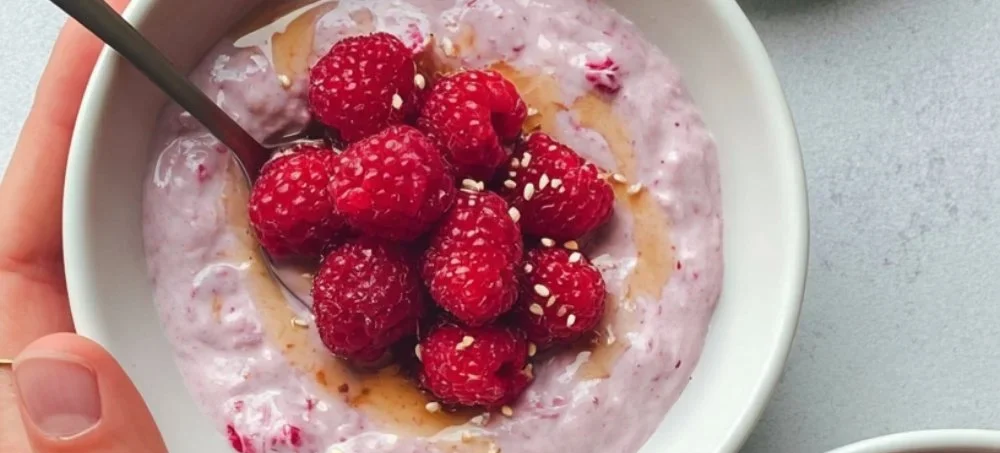
Serving: Yogurt Chia Pudding is best chilled. Serve it in a bowl or jar topped with fresh fruit, nuts, seeds, or a drizzle of honey. The contrast between creamy pudding and crunchy toppings is delightful and adds visual appeal.
Storage: Keep leftovers covered in the refrigerator for up to 3–4 days. Chia continues to hydrate slowly, so texture may thicken a bit over time; you can loosen it with a splash of milk and a stir before serving.
Reheating: This is most often enjoyed cold, so reheating isn’t typical. If you prefer it warm, gently warm a portion in a small saucepan over low heat, stirring constantly and adding a teaspoon of milk if needed to loosen the texture. Heat only enough to take the chill off; prolonged heating can change the texture and flavor.
These simple steps make it easy to plan ahead: make a few jars on Sunday for ready breakfasts throughout the week, or portion into small containers for grab-and-go snacks.
Questions new cooks often ask about this recipe
- How long should I stir the yogurt and milk? Stir until the mixture looks uniform — usually 20–30 seconds. You want no visible streaks of thick yogurt.
- Can I use any type of milk? Yes. Different milks change flavor and creaminess, but the chia will still gel. Thinner milks may produce a slightly looser texture.
- Is it normal to see little jelly halos around the seeds? Yes — those are the chia seeds hydrating. They should be soft and gel-like when ready.
- What if my pudding is too firm the next day? Add a splash of milk and stir until it reaches the texture you like.
- Do I need to use sweetener? No. The sweetener is optional. Yogurt (especially sweetened or flavored yogurts) can provide enough sweetness for many people.
- What equipment do I need? Just a bowl or jar, a spoon or whisk, and a lid or plastic wrap for chilling. Simple tools are all that’s required.
These questions are very common — and every answer is fixable. If something surprises you, a gentle adjustment will usually get things back on track.
Final encouragement from Carla
I want you to remember that this recipe is designed to be kind to you. There’s no exacting heat, no fragile technique, and very little that can go truly wrong. Small adjustments are part of cooking; they’re how you learn what you prefer. If your first jar isn’t exactly what you pictured, that’s okay — you’ll know more for next time, and you’ll still have made something wholesome and tasty.
Take pride in showing up for a simple kitchen task and creating something nourishing. Each time you make a small recipe like this, you’re building skills that carry into more ambitious dishes. Enjoy the process, notice the textures and flavors as you stir and chill, and know that every attempt is progress.
Conclusion
If you’d like additional easy chia pudding inspiration, I find these resources helpful for variations and serving ideas: one clear, quick reference to a similar Yogurt Chia Pudding is available at Yogurt Chia Pudding (Quick & Easy Breakfast) – Foolproof Living, a protein-focused take that pairs yogurt and chia in a hearty way can be found at Creamy Protein Chia Pudding with Yogurt – Eat the Gains, and another solid recipe with straightforward instructions is on Chia Pudding with Yogurt Recipe. Happy spooning — you’ve got this.