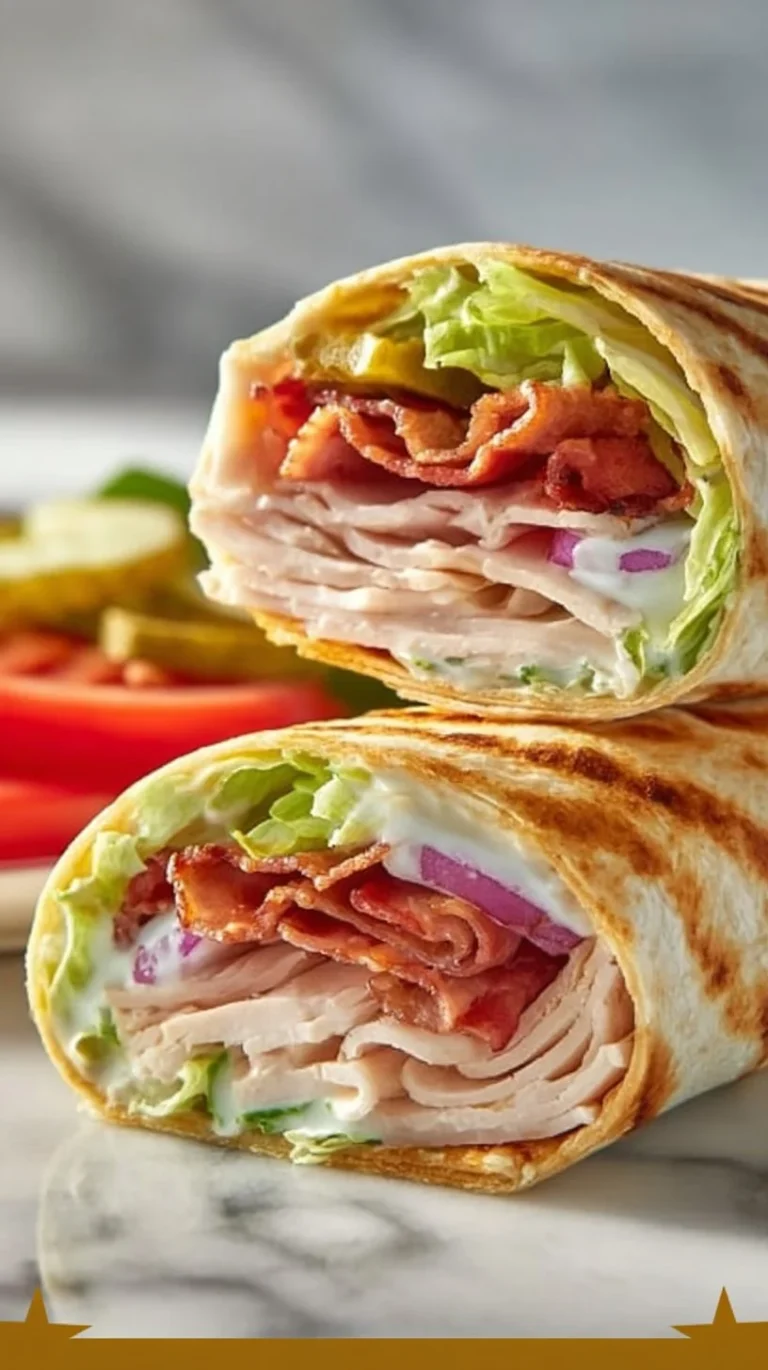
Cottage Cheese Wraps

Introduction
Cottage Cheese Wraps are the kind of simple, honest meal I find myself returning to when I want something that feels light but still satisfying. They take familiar ingredients—creamy dairy, crisp bacon, fresh tomato—and arrange them in a tidy, hand-held format that works for busy evenings, packed lunches, or the kind of repeating-weeknight rotation most of us rely on. The texture contrast is key: a soft, spreadable base paired with crunch and a bright, juicy note from tomato keeps each bite interesting without weighing you down.
If you enjoy turning cottage cheese into different everyday dishes, I often recommend trying related, low-effort bakes for variety — for another take on cottage cheese as a central ingredient, see this apple–cinnamon cottage cheese bake. Those kinds of recipes help you think of cottage cheese not as a single-use item but as a versatile building block for meals that are both nourishing and easy to prepare.
This recipe fits a practical rhythm: it’s straightforward to make on a weeknight, easy to scale for leftovers, and forgiving enough that small swaps in toppings won’t derail the balanced approach I advocate.
How this recipe fits into a balanced lifestyle
This dish supports balance by focusing on portion, texture, and quality rather than strict rules. The cottage cheese and cream cheese combination gives you protein and creaminess, while the tomatoes and bacon add freshness and crunch; wrapped up, the portion feels controlled and satisfying without excess. That balance — a modest amount of richer ingredients paired with whole, fresh components — is what keeps meals feeling lighter and enjoyable.
From a lifestyle perspective, Cottage Cheese Wraps are practical because they’re quick to assemble and easy to tune for different days. On busier nights you can lean on the simple original mix; when you want to feel a little more celebratory or social, swap in a few more textured or brightly flavored toppings. The emphasis is on enjoyment and moderation. It’s a pattern you can repeat across a week without boredom because the core stays the same while toppings and sides change.
This approach keeps cooking grounded: choose ingredients you like, make modest portions, and rely on simple techniques to get reliable results. That consistency helps food feel nourishing and doable, even on the full schedule most of us keep.
How to make Cottage Cheese Wraps
At a glance, the cooking flow is short and logical. Start by creating a smooth, creamy base with the two cheeses, then bake that mixture so it sets into a pliable canvas. After a brief cool-down, add crisp bacon, fresh tomatoes, and your chosen toppings, then roll. The biggest win here is treating the set cheese layer as a component you can build on — like a soft, savory flatbread.
Simplicity matters most at two points: when blending the cheeses and when assembling the wraps. Use a blender or food processor for a uniformly smooth texture; that single step raises the whole dish because it keeps the wrap pliable and pleasant. When assembling, don’t overfill. A modest amount of filling makes rolling easy and keeps each portion balanced.
Approach this without overthinking: the time invested in the blended base and a crisp pan of bacon pays off in texture and satisfaction. Once you get the basic rhythm, the recipe becomes a reliable fast option for many meals.
Ingredients
Cottage cheese, Cream cheese, Crispy bacon, Tomatoes, Wraps (low-carb)
Each ingredient has a clear role in the finished wrap:
- Cottage cheese: Provides body, protein, and a fresh, slightly tangy backdrop. Blended, it becomes silky and spreadable without relying solely on high-fat ingredients.
- Cream cheese: Adds richness and structure so the set base holds together when baked and rolled. A little cream cheese smooths the cottage cheese while keeping the overall mouthfeel creamy.
- Crispy bacon: Introduces salt, smoke, and crunch — the contrast that prevents the wrap from feeling one-note. Using crisp bacon ensures texture that complements the soft filling.
- Tomatoes: Offer acidity, juiciness, and a refreshing counterpoint to the richer cheeses and bacon. They keep the palate bright and help the wrap feel lighter bite by bite.
- Wraps (low-carb): Serve as the handheld vessel. Choosing a low-carb wrap is an option many prefer to keep the meal feeling lighter without eliminating carbs entirely.
Simple, mindful choices are important here. Quality cottage cheese and ripe tomatoes make a noticeable difference; bacon’s intensity means you only need a little to get the effect. Balance in this recipe is about how these elements work together — richness offset by freshness and texture rather than strict omission.
Directions
- Blend the cottage cheese and cream cheese to create a smooth mixture.
- Bake the wrap mixture in a preheated oven until set.
- Allow it to cool slightly, then fill with crispy bacon, tomatoes, and any other toppings of your choice.
- Roll the wraps and serve.
Around those steps, here’s what to watch for and why each part matters. When you blend the cottage cheese and cream cheese, aim for a uniformly smooth consistency — no large curds — because that smoothness is what allows the mixture to set into a pliable sheet. Use a blender or food processor, and scrape the sides once or twice to ensure even texture.
When baking, look for a firm but not rock-hard set. The surface should hold together when you lift an edge, but it should still have a little give so rolling doesn’t crack it. Oven times will vary slightly by thickness and oven calibration, so check early rather than late. After baking, allow the set mixture to cool for a few minutes; this makes spreading and topping easier and prevents steam from making tomatoes soggy.
Filling is where you get to emphasize balance: place the bacon and tomato thoughtfully so each bite contains a little of everything. Roll gently but confidently; if you overstuff, the wrap will be harder to seal and the portion sizes will creep up. Look for a tidy spiral that’s easy to hold and eat — that’s your sign the dish is coming together properly.
The role of preparation in keeping this dish light
Preparation choices make a big difference in how heavy or light the final dish feels. Blending the cheeses creates a base that sets thinly and evenly; that avoids the need for large quantities of cheese to create creaminess. Baking rather than frying helps set the base without added oil, which keeps the mouthfeel satisfying but not greasy.
How you prepare the bacon and tomatoes matters, too. Crisping bacon in a pan and patting it briefly on paper towel removes excess surface fat while preserving flavor. For tomatoes, a light squeeze to remove some seeds and excess juice helps maintain structure inside the wrap so it doesn’t become watery and heavy.
Technique — not limitation — is the tool here. Small steps like draining cottage cheese slightly if it’s very wet, or slicing tomatoes to the right thickness so they add bite without bulk, are what make the wraps feel fresh and balanced on the plate.
Simple ways to adjust without losing balance
You can personalize these wraps without losing the recipe’s sense of balance. Think in terms of texture and brightness rather than swapping out major components. For example, add a handful of arugula or baby spinach for peppery freshness, or a few thin slices of avocado for silkiness and healthy fats — both increase satiety without overwhelming the existing flavors. Swap bacon for a smoked turkey bacon or a seared mushroom slice if you want a lighter or vegetarian-leaning option in spirit; the goal is contrast, not exclusion.
If you prefer more acidity, a light drizzle of lemon juice or a smear of Dijon mustard brightens flavors without adding heaviness. For a Mediterranean twist, include thinly sliced cucumber and a sprinkle of chopped fresh herbs like dill or parsley. Keep portion sizes in mind: a small number of well-chosen additions keeps the wrap uplifting rather than dense.
All adjustments should respect the core: creamy base, crunchy/salty element, and fresh component. That balance is what keeps the meal tasting deliberate and satisfying.
Pairing ideas for a complete, well-rounded meal
Because these wraps are modest in size and calorie density, pairings should complement without overwhelming. A simple mixed-green salad with a bright vinaigrette is a natural companion; the acidity cleanses the palate and extends the meal without heavy calories. A cup of lentil or vegetable soup can add warmth and extra plant-based protein if you want a heartier plate.
For texture contrast, try a side of roasted root vegetables — they bring caramelized flavor and bulk that feel grounding alongside the lighter wraps. If you want something refreshing, a small portion of cucumber and herb salad or a citrusy slaw mirrors the tomatoes’ brightness and adds crunch.
Think of the plate as a balance of temperature, texture, and flavor: a cool salad, a warm roast or soup, and the hand-held wrap make a satisfying trio that feeds energy and comfort without excess.
Storage, leftovers, and next-day enjoyment
These wraps hold up reasonably well, but they’re best when eaten within a day or two. Store unrolled components separately when possible — keep the baked cheese base chilled in an airtight container and the crispy bacon and sliced tomatoes in separate containers. When you’re ready to eat, reassemble and roll; this keeps textures more distinct than storing a fully assembled, stacked wrap.
If you do have fully assembled wraps, wrap them tightly in parchment and then plastic wrap to minimize air exposure. They’ll keep for 24–48 hours in the refrigerator, though the wrap may soften over time. For a reheated option, unwrap and lightly warm in a skillet or an oven set to low heat so the filling comes to life without steaming out the crispness.
Leftovers can also be repurposed: thin strips of the set cheese base make a nice substitute for bread in an open-faced breakfast, or the components can be scattered into a salad. For a different take on using cottage cheese in prepared meals, you might enjoy this idea for baked cottage cheese eggs, which uses similar components in a breakfast-forward format.
Common questions about lighter everyday cooking
How do I keep portions balanced? Aim for a filling that’s roughly one-third richer component (bacon + a small amount of cheese spread), one-third fresh components (tomatoes, greens), and one-third wrapper or starch. Visual portioning like this helps maintain satisfaction without feeling heavy.
How do I plan these in a weekly rotation? Make the blended base in a larger batch and bake multiple thin sheets, then use them across several meals with different toppings. That saves time and keeps variety — different salads, proteins, and spreads create distinct meals from the same base.
How do I avoid boredom when repeating meals? Focus on changing a single element each time: a different herb, a new crunchy topping, or an unexpected sauce can refresh the experience while keeping the core recipe intact. Small shifts in texture or seasoning make a big difference.
How do lighter meals provide enough energy? Prioritize proteins, a little healthy fat, and fiber-rich vegetables. This recipe follows that logic: cottage cheese for protein, a controlled amount of bacon for savory satisfaction, and tomatoes (and optional greens) for fiber and freshness. Balance is about composition, not deprivation.
Final thoughts from Daniel
Cottage Cheese Wraps are exactly the sort of practical recipe I like to keep on rotation: unpretentious, quick, and built around straightforward choices that deliver texture and flavor. They show how small technique steps — blending for smoothness, crisping bacon properly, and choosing ripe tomatoes — create a meal that feels lighter without sacrificing comfort.
Cook intuitively: use ingredients you enjoy, keep portions sensible, and change a topping when you want variety. The flexibility in these wraps makes them a reliable option for many occasions, and they reward modest attention to preparation. That’s why I suggest giving them a spot in your weekly meal plan — they’re easy to make, easy to adapt, and consistently satisfying.
Conclusion
If you want to see a viral take on a cottage cheese wrap for inspiration, this version from Healthy Fitness Meals is a useful reference for technique and presentation: Viral Cottage Cheese Wrap – Healthy Fitness Meals. For another community-tested variation that highlights small tweaks and topping ideas, check out this write-up at Something Nutritious: Viral Cottage Cheese Wrap – Something Nutritious.