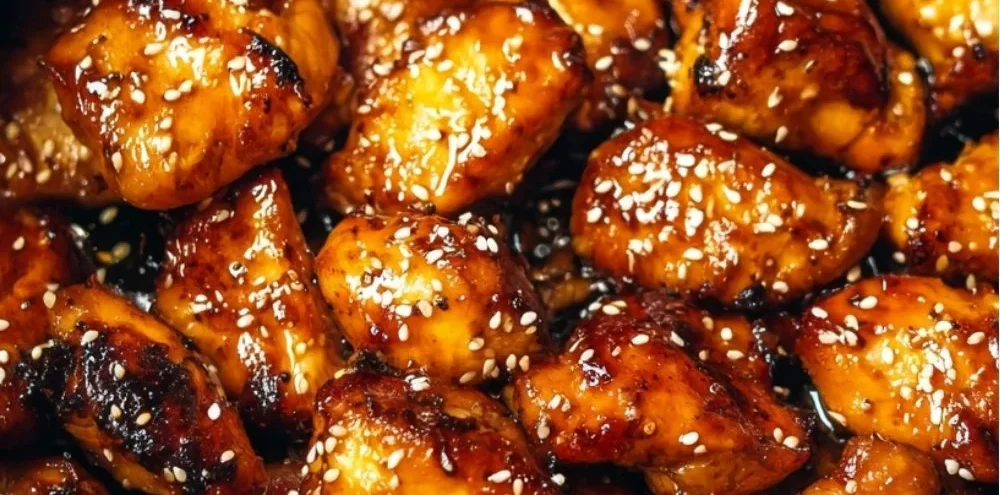
Air Fryer Teriyaki Chicken
Introduction
I cook a lot for weeknights, and one thing I keep coming back to is how simple technique and a few thoughtful ingredients can turn an ordinary protein into a meal that feels light, satisfying, and easy to repeat. Air Fryer Teriyaki Chicken is one of those reliable options: it’s fast, comes together with minimal cleanup, and delivers the sweet-salty comfort we all crave without feeling heavy. I like it for nights when I want something familiar but not fussy — a reliable weeknight anchor that pairs well with different sides and moods.
If you enjoy recipes that are straightforward but flavor-forward, this one fits neatly into that category. It’s a recipe that rewards good timing and modest attention rather than elaborate prep. For a similar kind of weeknight pivot — something that takes a familiar flavor and turns it into an everyday meal — I sometimes pair it with ideas inspired by a favorite BBQ chicken pizza, which shows how versatile a simple protein can be across meals.
How this recipe fits into a balanced lifestyle
This dish supports a practical approach to eating: it’s balanced in portion and flavor, not punitive or restrictive. The chicken brings lean protein and a satisfying bite; the teriyaki sauce gives a concentrated hit of sweet-savory flavor that makes smaller portions feel complete; and serving it with rice or vegetables lets you lean into volume and freshness without adding heaviness.
When I say “lighter,” I mean a few concrete things: portion sizes that satisfy hunger but leave room for other foods, ingredients that are minimally processed when possible, and cooking methods that reduce added fat without sacrificing texture. The air fryer helps here because it crisps edges and concentrates flavor without the need for a lot of oil. That texture — a little char, a glossy sauce — gives the dish weight in your mouth so you don’t feel like you’re missing anything.
This recipe also plays well in a varied weekly routine. Make it on a busy Monday when you want something quick, or double the batch for a couple of lunches. It’s flexible: swap the rice for a salad on a warmer day, or add roasted vegetables to make it more substantial. The point is balance through variety and sensible portions, not restriction.
How to make Air Fryer Teriyaki Chicken
At its core the cooking flow is simple: toss, air-fry, rest, and serve. That simplicity is where this recipe shines. Start by coating bite-size chicken pieces evenly in sauce and oil, then space them in the air fryer so they cook and brown rather than steam. Flip or shake halfway to get even color, and watch for a glossy finish and an internal temperature that indicates doneness.
Simplicity matters most in two places: timing and space. Don’t crowd the basket; give each piece room to breathe so the air can crisp the outside. And don’t over-marinate or overwork the sauce — you want an even coating, not a syrupy pool. The air fryer cooks quickly, so stay nearby and use visual cues (color, gloss, small char spots) in addition to a thermometer if you have one. A short rest after cooking lets juices redistribute and gives the teriyaki a chance to settle on the chicken rather than run off when you plate.
For cooks who like to plan ahead: you can marinate the chicken briefly in the morning or the night before, but the full magic here happens during the quick, high-heat cook, so there’s no need for a long soak. Aim to keep the technique intuitive and forgiving rather than precise and nerve-wracking.
Ingredients
1 pound chicken breast, cut into bite-sized pieces, 1/4 cup teriyaki sauce, 1 tablespoon olive oil, Salt and pepper to taste, Cooked rice or vegetables for serving, Sesame seeds and green onions for garnish (optional)
Each item on that list has a clear role. The chicken breast provides lean protein and a neutral base for the teriyaki flavor to shine. Cutting it into bite-sized pieces shortens cook time and increases surface area, which helps with browning and sauce adhesion. The teriyaki sauce is the flavor driver — it brings umami, salt, and a touch of sweetness, so even a modest portion feels complete. Olive oil is there to help the exterior brown and to carry flavor; it also helps prevent sticking in the air fryer. Salt and pepper are small but essential: they season the protein directly so the teriyaki doesn’t have to do all the work.
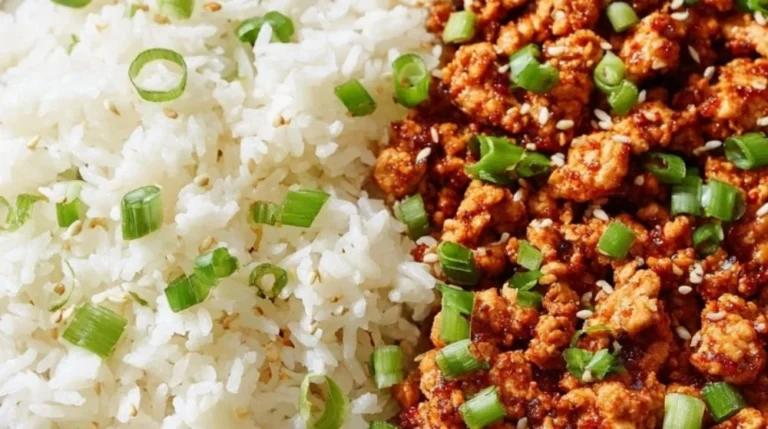
Cooked rice or vegetables are the natural partners here; rice offers comforting starch and soak-up power for the sauce, while vegetables keep the plate light and colorful. Sesame seeds and green onions are optional garnishes that add a nutty crunch and a fresh, slightly pungent lift — little finishing touches that elevate the dish without making it fussy. The simplicity of the ingredient list is intentional: balance comes from how you combine these elements, not from adding layers of complexity.
Directions
- Preheat the air fryer to 400°F (200°C)., 2. In a bowl, combine the chicken, teriyaki sauce, olive oil, salt, and pepper., 3. Toss until the chicken is well-coated., 4. Place the chicken in the air fryer basket in a single layer., 5. Cook for 10-12 minutes, shaking the basket halfway through., 6. Once cooked, remove from the air fryer and serve over rice or vegetables, garnished with sesame seeds and green onions if desired.
Around these steps, here’s practical guidance to keep the cooking calm and reliable. When you preheat the air fryer, give it a couple of minutes to reach temperature; this helps the exterior start browning immediately. When you combine the chicken with the sauce and oil, use a shallow bowl so every piece gets a light, even coating — you’re aiming for coverage, not a heavy glaze. Toss gently and avoid mashing the pieces together.
Arranging the chicken in a single layer matters: if pieces overlap, they steam instead of crisp. If you have a lot of chicken, cook it in batches rather than crowding the basket. The half-time shake is a quick move to encourage even color; use tongs if you prefer to flip individual pieces. For doneness, look for an internal temperature of 165°F (74°C) if you use a thermometer, or cut into a thicker piece to ensure there’s no pink and the juices run clear.
When the chicken comes out of the air fryer, a brief resting period of a minute or two is helpful. It gives the sauce a chance to settle and keeps the pieces juicy. Plate it over rice or vegetables so the sauce can mingle with the base; small leftover puddles of teriyaki are a good thing here, not a sign of excess.
The role of preparation in keeping this dish light
Preparation choices — what you do before food hits the heat — strongly influence whether a dish feels heavy or bright. Here, quick prep (bite-sized cuts, light toss with sauce, single-layer cooking) prioritizes texture and balance. Cutting the chicken into uniform pieces ensures even cooking and prevents overcooking, which can dry out meat and make it feel heavier. A modest amount of olive oil helps with browning but doesn’t add unnecessary richness.
The air fryer itself is a key part of the strategy. It creates crisp edges and concentrates flavors in a way that makes smaller portions feel satisfying. Contrast that with pan-frying in a lot of oil or braising in a heavy sauce — those methods can be delicious, but they produce a different, richer mouthfeel. Here we aim for brightness and clarity: glossy sauce, defined texture, and a plate that invites vegetables or a light grain alongside.
Small finishing touches — sesame seeds for a subtle crunch, green onions for brightness — keep the dish feeling fresh. The way you plate it matters too: give room on the plate for vegetables or a salad to add volume and balance rather than stacking everything into a dense bowl.
Simple ways to adjust without losing balance
There are many small, flavor-forward tweaks that keep the recipe light while tailoring it to your taste. Conceptually, you can:
- Use a reduced-sodium teriyaki sauce or mix it with a splash of water to mellow the sweetness if you prefer less salt or sugar intensity.
- Swap olive oil for a neutral oil if you want a cleaner flavor profile, or omit oil entirely if your air fryer has a reliable nonstick surface — just expect slightly less browning.
- Add aromatics at the end, like a squeeze of lime or a sprinkle of toasted sesame seeds, to lift the flavors without adding heft.
- If you want more texture, toss in thinly sliced bell pepper or snap peas for the last 2–3 minutes of cooking; they’ll keep crunch and add volume.
When making adjustments, the guiding principle is to change one thing at a time and keep the overall balance. If you increase sweetness with an extra glaze, lighten the starch side or add a green salad. If you add a richer side, keep the protein portion modest. These conceptual swaps let you customize the dish for different occasions — weeknight simplicity, a meal prep lunch, or a slightly more festive family dinner — while staying true to the core recipe.
Pairing ideas for a complete, well-rounded meal
To build a satisfying plate around this teriyaki chicken, think about contrast: texture, temperature, and flavor. Some light but satisfying options:
- Steamed or lightly sautéed greens (bok choy, spinach, or broccolini) for a warm, slightly bitter counterpoint.
- A simple cucumber and carrot salad dressed with rice vinegar and a touch of sesame oil for crunch and acid.
- Brown or jasmine rice for a comforting base that soaks up sauce; for even more color, mix in steamed edamame or peas.
- Roasted sweet potatoes or a light slaw if you want something a bit heartier without feeling greasy.
If you’re leaning into a playful, cross-course idea, small slices of flatbread or a light pizza can echo the protein in a different format — I’ve found that the same savory-sweet flavor profile works surprisingly well across dishes and keeps meals from feeling repetitive. For another recipe that lets you shift a simple protein into a different weeknight format, see a classic BBQ chicken pizza approach; it’s a reminder that modest proteins can be versatile building blocks for many meals.
Storage, leftovers, and next-day enjoyment
This chicken holds up well for a couple of days in the refrigerator. Store it in an airtight container and separate it from any softer components (like a tossed salad) that will lose texture. Reheat gently to preserve texture: a quick spin in the air fryer at 350°F for 3–5 minutes will refresh crispness and warm the chicken through without drying it out. If you don’t have an air fryer, a brief bake on a sheet at 375°F or a quick sauté in a hot skillet will do the job.
For lunches, I like to reheat the chicken and then serve it over a bed of cold greens with a spoonful of warm rice at the side — the contrast between warm protein and crisp, cool salad keeps the meal feeling fresh. If you plan to eat it cold (in a salad or wrap), toss the chicken with a touch more teriyaki or a splash of rice vinegar to keep flavors lively.
Leftover sauce tends to concentrate in the fridge. That’s not a problem — a quick warm-up loosens it up. If you find the sauce thickened too much after chilling, stir in a teaspoon of water while reheating to reach the texture you prefer.
Common questions about lighter everyday cooking
How much chicken per person is reasonable? For most adults, 4–6 ounces of cooked chicken feels satisfying when paired with a grain and vegetables. This recipe’s one pound will comfortably serve two generous portions or three smaller ones, depending on appetites and sides.
How do I keep meals interesting if I repeat recipes? Small changes matter: switch the side (rice one night, soba noodles another), tweak the garnish (cilantro vs. green onion), or change the texture (serve warm vs. chilled). These minor shifts keep repetition from feeling monotonous.
How should I plan meals to avoid waste? Cook only what you’ll eat within a couple of days or plan to repurpose leftovers into a different format — wraps, bowls, or even a pizza topping idea are great ways to use the same protein in a fresh way.
How can lighter meals still feel satisfying? Focus on texture (crisp edges, contrasting crunch), concentrated flavor (a well-balanced sauce), and volume from vegetables. Satisfying meals aren’t about cutting calories; they’re about hitting sensory cues that signal completeness: a savory note, a salt balance, a little fat for mouthfeel, and a crisp element for interest.
Final thoughts from Daniel
I come back to this kind of recipe because it fits how many of us eat on a practical level: straightforward, reliable, and adaptable. Air Fryer Teriyaki Chicken gives you a flavorful main that’s easy to repeat and easy to adjust, which is the definition of a dinner you can make often without getting bored. Cook with intention but not perfection — a little attention to space in the air fryer and to timing goes a long way.
Keep your approach simple: use good-quality ingredients where they matter, respect the cooking method, and let small garnishes do the heavy lifting when it comes to flavor and texture. That’s how you build meals that feel lighter on the plate and fuller in satisfaction.
Conclusion
If you want to see a slightly different take or another explanation of technique for making a reliable air fryer teriyaki, I found a helpful version of the recipe that complements these tips at Air Fryer Teriyaki Chicken – Keeping It Relle.
— Daniel Brooks
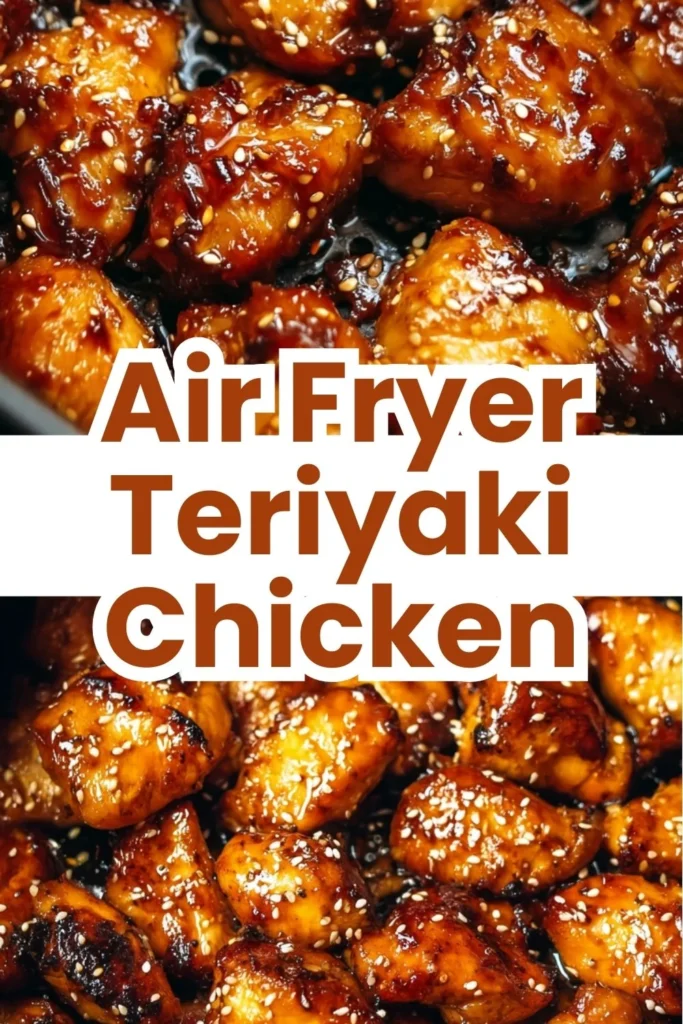
Air Fryer Teriyaki Chicken
Ingredients
Method
- Preheat the air fryer to 400°F (200°C).
- In a bowl, combine the chicken, teriyaki sauce, olive oil, salt, and pepper.
- Toss until the chicken is well-coated.
- Place the chicken in the air fryer basket in a single layer.
- Cook for 10-12 minutes, shaking the basket halfway through.
- Once cooked, remove from the air fryer and serve over rice or vegetables, garnished with sesame seeds and green onions if desired.
- Let the chicken rest for a minute or two before serving to allow juices to redistribute.
- Plate it over cooked rice or vegetables, allowing the sauce to mingle.