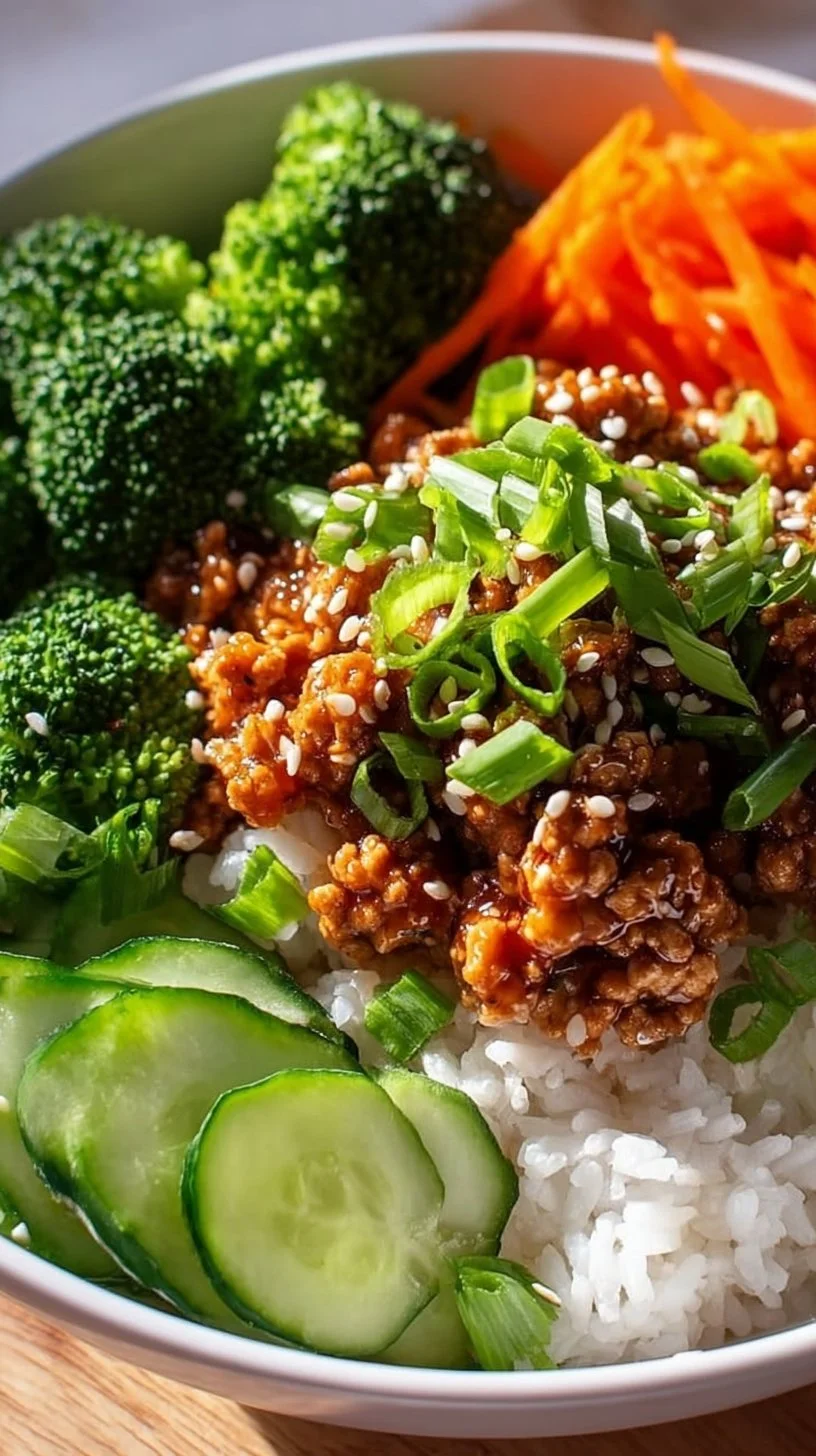
Teriyaki Ground Turkey Bowl
Introduction
If you’re looking for a weeknight dinner that feels comforting, bright, and completely doable, this Teriyaki Ground Turkey Bowl is for you. I developed this recipe to be practical for busy lives — it comes together quickly, uses a short list of familiar ingredients, and delivers big flavor with very little fuss. Whether you’re new to cooking, returning after a long break, or just want a reliable meal to make on repeat, this bowl is approachable and forgiving.
If you enjoy easy bowl meals, you might also like the slightly sweet-heat profile in my take on other bowls; for a different protein and sauce pairing, try the Ground Beef Hot Honey Bowl for another one-pan comfort option. I’ll walk you through what to watch for at every step so you’ll feel confident at the stove and proud of the result.
Why this recipe is easy to get right
This teriyaki turkey bowl is forgiving in several ways. Ground turkey cooks quickly and evenly, so you don’t have to be an expert at timing a whole piece of meat. The sauce is a balanced mix of salty, sweet, and tangy components that come together easily — and the cornstarch slurry lets you control thickness without guessing. If the sauce is a little thinner or thicker than you wanted, small adjustments during cooking make a big difference, so there’s room to learn as you go.
You won’t need special tools or rare ingredients, and the recipe lets you be flexible with heat and accompaniments. For example, the optional red pepper flakes let you dial heat to your taste without changing the core recipe. Those features make it suitable for every skill level: if something looks slightly off at first, there’s a simple, practical fix.
How to make Teriyaki Ground Turkey Bowl
At its heart, this recipe follows a three-part flow: build flavor with aromatics, cook the turkey until browned, then finish with a glossy, seasoned sauce and assemble the bowl. Start by heating oil and softening the onion — this releases sweetness and forms the flavor base. Add garlic briefly so it softens and perfumes the pan without burning. Next, add the ground turkey and break it up; as it browns, it develops small browned bits that add savory depth.
While the turkey cooks, whisk your sauce ingredients and prepare the cornstarch slurry. Adding the sauce to the cooked turkey brings everything together — bring it to a simmer so the flavors meld, then stir in the slurry to thicken. The final steps are sprinkling red pepper flakes if you like heat, serving over rice, and garnishing with green onions and sesame seeds for texture and brightness.
Beginner cooks should slow down when browning the turkey: give it space in the pan so it can brown rather than steam, and use the spatula to break it up evenly. When you add the sauce, bring it to a gentle simmer — a rolling boil isn’t necessary and can evaporate the liquid too quickly. If you’d like another bowl idea with a different flavor profile and similar technique, take a look at the Bang Bang Chicken Bowl which uses the same skills but a different sauce.
Ingredients
1 pound ground turkey, 2 tablespoons olive oil, 1 small onion, diced, 2 cloves garlic, minced, 1/4 cup soy sauce, 1/4 cup water, 2 tablespoons brown sugar, 2 tablespoons rice vinegar, 1 tablespoon sesame oil, 1 tablespoon grated ginger, 1 tablespoon cornstarch, 1/4 cup cold water, 1/2 teaspoon red pepper flakes (optional), 2 cups cooked rice, 1/4 cup sliced green onions, 1 tablespoon sesame seeds
Let’s break down what each ingredient does and why none of them are intimidating:
- 1 pound ground turkey: This is your protein base. Ground turkey is mild in flavor, cooks quickly, and picks up the sauce beautifully. If it looks a little pale while cooking, don’t worry — you’re looking for browning and no pink inside.
- 2 tablespoons olive oil: Used to sauté the onion and prevent sticking. It adds a subtle richness and helps distribute heat.
- 1 small onion, diced: Onions create a sweet, savory foundation when softened. Dicing them small means they’ll soften in just a few minutes.
- 2 cloves garlic, minced: Garlic adds aroma and brightness; a short minute in the pan is enough to release flavor without turning bitter.
- 1/4 cup soy sauce: The salty backbone of the sauce. It provides umami and depth.
- 1/4 cup water: Thins the sauce slightly and helps the soy and vinegar mix evenly through the meat.
- 2 tablespoons brown sugar: Brings sweetness and a hint of caramel that balances the salty soy.
- 2 tablespoons rice vinegar: Adds gentle tang and lifts the flavors so they don’t taste flat.
- 1 tablespoon sesame oil: A small amount gives a toasty, nutty aroma that makes the bowl unmistakably “teriyaki.”
- 1 tablespoon grated ginger: Fresh ginger adds a clean, peppery brightness. If grated, it blends into the sauce well.
- 1 tablespoon cornstarch: Combined with cold water to make a slurry, it thickens the sauce without clouding it.
- 1/4 cup cold water: Needed to dissolve the cornstarch into a lump-free slurry.
- 1/2 teaspoon red pepper flakes (optional): For a touch of heat. Optional means you control the spice level.
- 2 cups cooked rice: The neutral, comforting base of the bowl. Use white, brown, or any cooked grain you prefer.
- 1/4 cup sliced green onions: Freshness and a mild onion crunch on top.
- 1 tablespoon sesame seeds: A final little pop of texture and visual contrast.
Each item plays a clear role: aromatics (onion, garlic, ginger), sauce chemistry (soy, sugar, vinegar, sesame oil, water), texture/thickening (cornstarch slurry), and finishing touches (green onions, sesame seeds). None require special handling, and small variations are fine — the sauce will still come together.
Directions
Heat a large skillet over medium heat and add the olive oil. , Once the oil is hot, add the diced onion to the skillet and sauté for about 3-4 minutes until softened and translucent. , Add the minced garlic to the skillet and cook for another 1 minute until fragrant. , Add the ground turkey to the skillet, breaking it up with a spatula as it cooks. Stir occasionally and cook until the turkey is fully browned and no longer pink, about 6-7 minutes. , While the turkey is cooking, in a small bowl, whisk together the soy sauce, water, brown sugar, rice vinegar, sesame oil, and grated ginger. , In a separate small bowl, mix the cornstarch with the cold water until fully dissolved to create a slurry. , Once the turkey is cooked, pour the soy sauce mixture over the turkey and stir to combine. , Bring the sauce to a simmer and cook for 2-3 minutes to allow the flavors to meld together. , Add the cornstarch slurry to the skillet while stirring to thicken the sauce. Continue simmering for an additional 1-2 minutes, or until the sauce reaches your desired consistency. , If using, sprinkle in the red pepper flakes and stir to combine, adjusting to your heat preference. , Serve the teriyaki ground turkey over the cooked rice, dividing it into bowls. , Garnish each bowl with sliced green onions and a sprinkle of sesame seeds. , Serve immediately while hot and enjoy your Teriyaki Ground Turkey Bowl!
Supportive guidance for each step:
- Heating the skillet and oil: Look for the oil to shimmer slightly — that tells you it’s ready. If it smokes, turn the heat down a bit. A properly heated pan keeps the onion from sticking and helps the turkey brown.
- Sautéing the onion 3–4 minutes: Watch for the onion to go from opaque to soft and a little glossy — that softness releases sweetness. Translucent is the cue; small golden edges are fine too.
- Adding garlic for 1 minute: Garlic goes from raw to fragrant quickly. When you smell it and see tiny bubbles around it, it’s ready. If it turns dark brown, the garlic is burnt and will be bitter — pull the pan off the heat briefly if that happens, and add a tiny splash of water to cool the pan before proceeding.
- Browning the ground turkey 6–7 minutes: Break it apart and spread it in the pan so more surface touches heat; that encourages browning. Stir occasionally — you want even color without drying it out. The meat should be cooked through with no pink.
- Whisking the sauce while turkey cooks: This step saves time and keeps things organized. Whisk until the brown sugar starts to dissolve so the sauce is smooth.
- Making the cornstarch slurry: Cornstarch lumps if added dry. Dissolving it in cold water first ensures a smooth, glossy thickening when you add it to the simmering sauce.
- Pouring the sauce over cooked turkey and simmering 2–3 minutes: Once added, the sauce should bubble gently. That simmer helps the flavors meld and warms the meat through without evaporating all the liquid. A few minutes is enough.
- Adding the slurry and simmering 1–2 minutes: Stir as you pour in the slurry; you’ll see the sauce go from runny to glossy and slightly thicker within a minute or two. If it gets too thick, add a tablespoon of water at a time to loosen it.
- Adjusting heat with red pepper flakes: Add a little, taste, and add more if you want more heat. It’s easier to add heat than remove it.
- Serving and garnishing: Divide the rice into bowls, spoon the saucy turkey over it, and finish with green onions and sesame seeds for freshness and crunch.
If something looks a little thinner or saltier than expected, small fixes work well: a splash more water to thin, or a pinch of sugar to balance excess salt. Calm adjustments are part of learning.
Key techniques you’ll practice in this recipe
This bowl teaches a handful of useful, transferable skills:
- Building flavor with aromatics: Sautéing onion and garlic is foundational — you’ll use this in soups, sauces, and stir-fries.
- Proper browning of ground meat: Learning to spread and not overcrowd the pan helps meat brown evenly and avoids steaming.
- Making a sauce and adjusting its consistency: Whisking a simple sauce and using a cornstarch slurry is an easy way to thicken sauces without heavy cream or long reductions.
- Timing multiple things: While the meat cooks, you prepare sauce and slurry — this teaches multitasking in the kitchen without rushing.
These techniques apply to countless other recipes — once you’re comfortable with them here, you’ll notice how often they come up in weeknight cooking. If you want to practice similar skills with a different flavor set, the high-protein Cottage Cheese Pizza Bowl uses many of the same ideas in a completely different flavor direction.
Common mistakes and how to avoid them
A few things commonly trip up cooks, especially when they’re new, but each has a simple fix:
- Crowding the pan: If you pile the turkey in, it steams instead of browning. Fix: work in batches or use a larger skillet so the meat has room to brown.
- Burning garlic: Garlic can go from fragrant to bitter quickly. Fix: add garlic after the onion has softened and watch closely; lower the heat if it browns too fast.
- Lumpy slurry: Adding dry cornstarch to hot sauce creates lumps. Fix: always dissolve the cornstarch in cold water first, then stir it in while the sauce simmers.
- Sauce too thick or thin: The slurry thickens quickly. Fix: if too thick, thin with a tablespoon or two of water; if too thin, stir in a touch more slurry (mix 1/2 teaspoon cornstarch with a little cold water).
- Too salty: Soy sauce can be strong. Fix: balance with a small pinch of sugar or a splash more water, or serve over a slightly larger portion of rice to spread the saltiness.
If something goes off track, stay calm — simple adjustments usually fix it, and the first attempt is about learning rather than perfection.
How to adjust confidently without changing the recipe
You can scale portion size by thinking of the recipe’s ratios: turkey to rice to sauce. Doubling everything is straightforward — use a larger pan and give the meat space to brown. Halving the recipe works the same way.
For flavor preference adjustments, think conceptually: if you want it sweeter, increase brown sugar slightly; for more tang, add a touch more rice vinegar; for more nuttiness, a tiny extra sesame oil goes a long way. For texture tweaks, serve the turkey over a different grain for a chewier or lighter bite: try quinoa for extra protein or cauliflower rice for lower carbs. These ideas keep the recipe intact while letting you personalize the result.
Serving, storage, and reheating made simple
Serve this bowl hot, with the turkey spooned over freshly cooked rice and garnished with green onions and sesame seeds. The contrast of hot saucy turkey and fresh garnishes makes each bite satisfying.
To store leftovers: cool the bowl contents to room temperature within two hours, then transfer to an airtight container and refrigerate for up to 3–4 days. If you separate the rice and turkey before storing, they’ll reheat more evenly — but storing together is fine for convenience.
To reheat: gently warm the turkey in a skillet over medium-low heat with a splash of water (or a teaspoon of oil) to loosen the sauce; cover briefly to heat through without drying. Reheat rice in a microwave covered with a damp paper towel for 60–90 seconds, or toss with a little water and heat in a covered skillet. These methods preserve texture better than blasting everything at high heat.
If you’d like a nice make-ahead bowl with similar reheating ease, the Honey Sriracha Salmon Bowls follow the same storage and reheat logic and can help you practice.
Questions new cooks often ask about this recipe
- “How do I know when the turkey is done?” Look for no pink inside and a firm, slightly crumbly texture. A quick check is to break a piece open; it should be uniformly cooked.
- “What skillet should I use?” A sturdy 10–12 inch skillet gives good surface area. Nonstick is fine for easy cleanup; stainless steel helps browning but needs a bit more oil.
- “Is it normal if the sauce thickens quickly?” Yes. Cornstarch works fast; add the slurry gradually and stir so you don’t over-thicken.
- “Can I swap ground turkey?” You can use ground chicken or pork, but follow the same cooking cues: browning and no pink.
- “What if my sauce tastes too salty?” Add a small splash of water and a pinch of brown sugar to balance, or serve with a little more rice per bowl.
These are common moments of uncertainty — remember, small adjustments are part of cooking, and each one helps you learn.
Final encouragement from Carla
Cooking a new recipe can feel uncertain at first, but this Teriyaki Ground Turkey Bowl was created to be both kind to a beginner and satisfying for an experienced cook. Take your time with the browning and the sauce, trust your senses (sight and smell are great guides), and don’t worry about tiny imperfections — they’re normal and part of learning. Every time you make a recipe like this you build helpful muscle memory and confidence. Keep going; the progress matters far more than one perfect plate.
Conclusion
If you’d like to see another take on ground turkey with a similar saucing method, this Ground Turkey Teriyaki Rice Bowl – A Peachy Plate is a helpful visual reference. For more inspiration using ground turkey in a balanced, family-friendly bowl, check out this version on Healthy Ground Turkey Teriyaki Rice Bowl – Yellow Bliss Road. And if you’d like a quick stir-fry approach to teriyaki-style turkey, this recipe from Easy 30 Minute Ground Turkey Teriyaki Stir Fry | Lemons & Zest shows another fast method you can learn from.
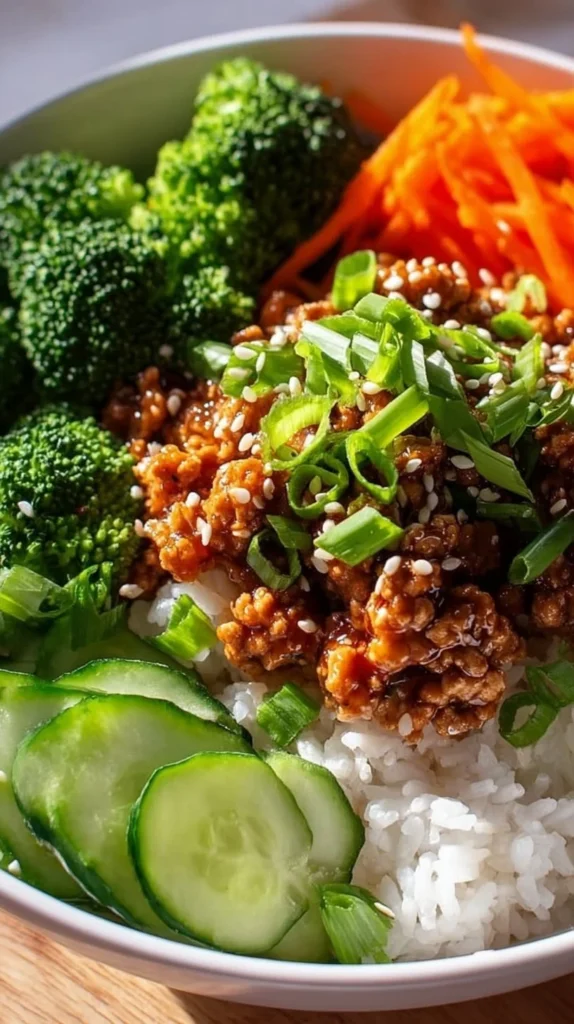
Teriyaki Ground Turkey Bowl
Ingredients
Method
- Heat a large skillet over medium heat and add the olive oil.
- Once the oil is hot, add the diced onion to the skillet and sauté for about 3-4 minutes until softened and translucent.
- Add the minced garlic to the skillet and cook for another 1 minute until fragrant.
- Add the ground turkey to the skillet, breaking it up with a spatula as it cooks. Stir occasionally and cook until the turkey is fully browned and no longer pink, about 6-7 minutes.
- While the turkey is cooking, in a small bowl, whisk together the soy sauce, water, brown sugar, rice vinegar, sesame oil, and grated ginger.
- In a separate small bowl, mix the cornstarch with the cold water until fully dissolved to create a slurry.
- Once the turkey is cooked, pour the soy sauce mixture over the turkey and stir to combine.
- Bring the sauce to a simmer and cook for 2-3 minutes to allow the flavors to meld together.
- Add the cornstarch slurry to the skillet while stirring to thicken the sauce. Continue simmering for an additional 1-2 minutes, or until the sauce reaches your desired consistency.
- If using, sprinkle in the red pepper flakes and stir to combine, adjusting to your heat preference.
- Serve the teriyaki ground turkey over the cooked rice, dividing it into bowls.
- Garnish each bowl with sliced green onions and a sprinkle of sesame seeds.
- Serve immediately while hot and enjoy your Teriyaki Ground Turkey Bowl!