Healthy Sautéed Vegetables – Quick, Flavorful & Nutritious Side
Introduction
This Healthy Sautéed Vegetables recipe is for the home cook who wants a fast, nourishing side that’s forgiving and full of flavor. Maybe you’re new to the stove, or maybe you’ve had a few kitchen hiccups and want something simple to rebuild confidence. Either way, this is a perfect recipe to learn from.
What makes it approachable is its short list of everyday ingredients and a clear, predictable order of steps. You don’t need special equipment or precise technique to get a great result. I’ll walk you through what to look for as you cook, why each step matters, and how to feel calm if things don’t go exactly as planned. The goal here is delicious vegetables with minimal stress.
Why this recipe is easy to get right
This sauté is forgiving because it follows a straightforward rhythm: prep, quick heat, and gentle timing. The recipe’s flexibility is its strength — you can swap a vegetable or change a topping without breaking the dish. Most mistakes are easy to fix on the fly, and the visual and aromatic cues you’ll use (color, smell, texture) tell you what’s happening far more clearly than timers alone.
It’s suitable for all skill levels because the techniques are basic: slicing, heating oil, and stirring. The order of adding vegetables — harder ones first, softer ones later — prevents undercooked or mushy pieces. You don’t have to be precise with measurements (beyond the basics) — this recipe rewards attention more than perfection. That makes it a fantastic recipe to practice with and rely on week after week.
How to make Healthy Sautéed Vegetables – Quick, Flavorful & Nutritious Side
At a glance, the process is simple: prepare everything, heat the pan and oil, build flavors with aromatics, cook the vegetables in stages, season, and serve. Here’s what happens at each phase and what to focus on.
First: Prep everything. Wash and cut the vegetables into similar-sized pieces. When pieces are uniform they cook at the same rate, so a few extra minutes cutting will save you trouble later. Lay everything out within arm’s reach — this is a quick-cooking recipe and you don’t want to be chopping mid-sauté.
Next: Heat the pan and oil. A hot skillet gives you a quick sear and brighter flavor. When the oil shimmers, it’s ready. If it begins to smoke, lower the heat — that’s your cue to slow down so nothing burns.
Then: Cook aromatics (garlic and onion). These are the flavor base. Cook for 1–2 minutes until fragrant and translucent. You’ll smell the sweetness of the onion and the warm aroma of garlic — don’t let the garlic brown too much or it can taste bitter.
After aromatics: Add the harder vegetables (carrots and broccoli). They take longer to soften. Stir frequently so they cook evenly and pick up a little color without burning. You’re aiming for crunch with tenderness — a toothsome bite, not mush.
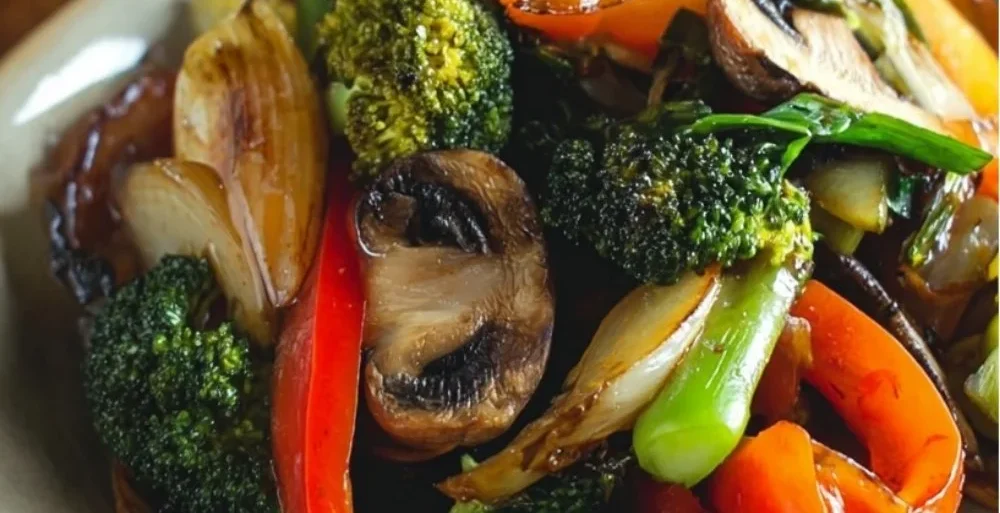
Next stage: Add the softer vegetables (bell pepper, zucchini, mushrooms, snap peas). These release moisture and cook quickly. Keep things moving in the pan so they become crisp-tender — bright color, a little gloss from the oil, and a slight give when you press with a spoon.
Final: Season and finish. A sprinkle of salt and pepper brings out the vegetables’ natural flavors. The optional lemon juice or balsamic/soy adds a bright or savory boost. Toss everything so those finishes coat the vegetables evenly. Serve immediately for the best texture.
Beginners should slow down when cutting vegetables and when the garlic is in the pan — those are the moments most easily gone wrong. Watch the pan temperature and use your senses: sight, smell, and touch are your best tools.
Ingredients
2 tbsp olive oil (or avocado oil/butter), 2 cloves garlic, minced, 1 small onion, thinly sliced, 1 bell pepper, sliced, 1 zucchini, sliced into half-moons, 1 cup broccoli florets, 1 medium carrot, julienned or sliced thin, ½ cup snap peas, ½ cup mushrooms, sliced, Salt and black pepper, to taste, 1 tsp lemon juice (optional), 1 tsp balsamic vinegar or soy sauce (optional), Optional toppings: toasted nuts, seeds, fresh herbs, grated Parmesan
Each ingredient has a simple job in this recipe:
Oil: Carries heat and helps the vegetables brown a little. Olive oil gives gentle fruitiness; avocado oil or butter can be used if you prefer their flavors. The oil also helps the optional finishes cling to the vegetables.
Garlic: A small amount goes a long way in flavoring the oil and giving the dish a warm, savory base. Minced garlic blends quickly into the mix and perfumes the whole pan.
Onion: Adds sweetness and a little body. When thinly sliced it softens quickly and acts as a mild backbone for the other flavors.
Bell pepper: Brings color and a juicy, slightly sweet bite. It stays tender without getting mushy if added at the right time.
Zucchini: Cooks fast and adds a silky texture. Slicing it into half-moons makes for even cooking and pleasant mouthfeel.
Broccoli: A firmer green that gives you texture contrast — florets hold up well when cooked first.
Carrot: Adds a firm, slightly sweet crunch. Julienning or thin slicing lets it tenderize on the stove within a few minutes.
Snap peas: Bright, crisp pods that add freshness and a pop as you bite.
Mushrooms: Add an earthy, savory depth and soak up the oil’s flavor; they also release moisture that becomes part of the sauce.
Salt & pepper: Essential for drawing out flavors and balancing the natural sweetness.
Lemon juice: A small splash brightens the whole dish and lifts the flavors before serving.
Balsamic vinegar or soy sauce: Either adds a savory, slightly acidic note — balsamic brings sweetness and depth; soy sauce adds umami and salt.
Optional toppings: Toasted nuts, seeds, fresh herbs, or grated Parmesan add texture or finishing flavor, making the dish feel rounded and complete.
None of these ingredients are complicated. They are everyday items you’ve likely seen in the grocery store. Together, they build layers of flavor and texture — from crisp to tender, sweet to savory — without drama.
Directions
Prep Vegetables: Wash, peel (if needed), and cut all vegetables into uniform pieces., Heat Pan: Place skillet over medium-high heat and add oil., Cook Aromatics: Add garlic and onions, sauté 1–2 minutes until fragrant., Add Harder Vegetables: Add carrots and broccoli first; cook 3–4 minutes, stirring frequently., Add Softer Vegetables: Add bell peppers, zucchini, mushrooms, and snap peas; sauté another 4–5 minutes until crisp-tender., Season: Add salt, pepper, and optional flavorings (lemon juice, balsamic vinegar, or soy sauce)., Finish & Serve: Toss well and garnish with herbs, seeds, or nuts. Serve immediately for best texture.
Now some supportive guidance to make those directions come alive:
Prep Vegetables: Uniform pieces mean even cooking. If your broccoli florets are large, break them into smaller, similar-sized bits. If the carrot seems thick, slice it thinner. Having everything prepped before the pan heats is the best way to avoid hurried chopping and uneven cooking.
Heat Pan: When the oil looks a little glossy and moves easily across the pan, it’s ready. If you see a thin line of smoke, turn the heat down a touch — you want hot, not burned oil. This gives the vegetables a nice, slightly caramelized edge.
Cook Aromatics: You’ll smell the garlic and the onion soften. They should be translucent and fragrant, not browned. If they brown, reduce heat and remove them from direct contact briefly; burnt garlic tastes bitter.
Add Harder Vegetables: Listen for a light sizzle and watch the color deepen slightly on the broccoli and carrot edges. Stir frequently to encourage even browning. If they’re not soft enough after 3–4 minutes, give them another minute — cooking times vary with pan size and heat.
Add Softer Vegetables: These will cook faster. The bell pepper should remain bright, zucchini become glossy and slightly softened, mushrooms release moisture and shrink a bit, and snap peas stay crisp. Continue stirring so everything cooks on all sides.
Season: Taste a little to check salt and pepper. A quick splash of lemon or a teaspoon of balsamic/soy adds a finishing lift — add a little, taste, and adjust. Optional toppings add texture and visual appeal — sprinkle them on just before serving.
If things aren’t perfect — perhaps the broccoli is a touch firm or a piece is softer than you like — remember it’s okay. Slight differences in texture won’t ruin the dish. Serve and enjoy; you’ll learn more each time you make it.
Key techniques you’ll practice in this recipe
Knife skills: Cutting vegetables into uniform pieces increases confidence and makes for consistent cooking. Practice steady, simple slices rather than speed.
Heat control: Learning to judge when oil is hot enough and when to lower heat prevents burning and helps develop a comfortable sense for stovetop cooking.
Building flavor: Sautéing aromatics first, then layering vegetables, demonstrates how sequencing creates depth without extra ingredients.
Tasting and adjusting: Seasoning at the end and tasting builds a habit of cooking by taste rather than only by measurements.
These techniques apply to stir-fries, one-pan dinners, and many vegetable-centric recipes. They’re foundational and transfer easily to other dishes.
Common mistakes and how to avoid them
Mistake: Overcrowding the pan, which causes steaming instead of sautéing. Fix: Cook in batches or use a larger pan so vegetables have room to brown and lose moisture.
Mistake: Garlic browning too quickly and tasting bitter. Fix: Add garlic after the onions have started to soften or reduce heat slightly; remove from heat briefly if it begins to brown.
Mistake: Vegetables unevenly sized so some are raw, some mushy. Fix: Take a few extra minutes to slice pieces more uniformly; thicker pieces need a little more time.
Mistake: Too much liquid in the pan from mushrooms or zucchini. Fix: Let liquids evaporate before adding delicate vegetables, and increase heat slightly while stirring to hasten evaporation.
If something goes off track — like a burned bit of onion — scoop out the burned pieces, lower the heat, and carry on. Taste as you go; small adjustments save a dish.
How to adjust confidently without changing the recipe
Portion scaling: The method stays the same if you double or halve the ingredients. Use a wider pan if you’re making more so everything has space. Cook longer in batches for larger quantities.
Flavor adjustments: If you like brighter flavors, add a little more lemon at the end. If you prefer deeper, savory notes, use the balsamic or soy option. Add optional toppings for crunch or richness.
Texture tweaks: For a crisper finish, reduce the cooking time slightly and serve immediately. For softer vegetables, cook a minute or two longer, stirring more often. These are timing adjustments only — the steps remain unchanged.
These are conceptual tweaks — you’re not changing ingredients or steps, just small timing or finishing choices to match your preference.
Serving, storage, and reheating made simple
Serve the sauté hot for the best texture — the vegetables will be glossy and slightly crisp when fresh. It pairs well with grains, proteins, or a simple pasta. Add a sprinkle of fresh herbs or toasted nuts to make it feel special without extra work.
To store: Cool to room temperature and refrigerate in an airtight container within two hours. Eat within 3–4 days for best texture and flavor.
To reheat: Use a skillet over medium heat with a small splash of oil to revive some of the original texture. Stir frequently and heat until just warmed through. Avoid the microwave for reheating if you want to keep the vegetables most like their freshly-cooked state, but it’s okay in a pinch — heat gently and stir halfway through.
Questions new cooks often ask about this recipe
How hot should the pan be? Medium-high is a good starting point. You want the oil to shimmer but not smoke. If it smokes, lower the heat a touch.
What pan is best? A large skillet with a heavy bottom gives consistent heat. Nonstick is fine for ease; stainless steel gives a better sear if you’re comfortable with it.
Is it normal if the vegetables release water? Yes. Mushrooms and zucchini release moisture — that’s normal. Keep stirring and raise the heat slightly so excess moisture evaporates, which concentrates flavor.
What if my garlic browns too fast? Turn the heat down, remove the pan from direct heat briefly, or add a splash of oil and the next vegetables to cool things slightly. Small fixes like this are normal and don’t ruin the dish.
Can I make this when short on time? Absolutely — prep quickly by slicing more coarsely and accepting a mix of textures. Remember: progress over perfection.
Final encouragement from Carla
You’ve covered a lot by making this simple sauté — knife practice, timing, and the confidence to adjust as you go. Every time you make it you’ll notice small improvements. Cooking is a series of small experiments, and this recipe is a safe, tasty place to learn.
Be patient with yourself. Even small imperfections are part of learning and usually delicious. Keep trying, and enjoy the process as much as the result.
Conclusion
If you’d like another approachable pan-vegetable recipe to compare techniques, try this Sauteed Vegetables, Easy Side Dish Recipe for a slightly different seasoning profile. For a budget-friendly take that focuses on simple steps and pantry-friendly ingredients, this Simple Sautéed Vegetables – Easy Side Dish – Budget Bytes is a great companion to build confidence and variety in your weeknight cooking.
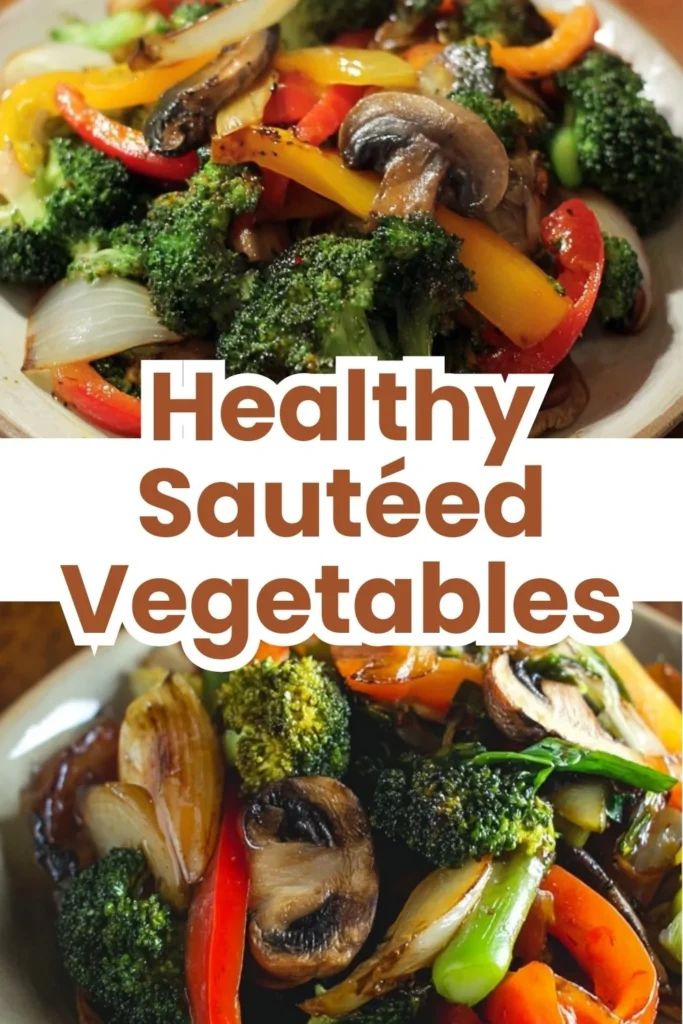
Healthy Sautéed Vegetables
Ingredients
Method
- Prep Vegetables: Wash, peel (if needed), and cut all vegetables into uniform pieces.
- Heat Pan: Place skillet over medium-high heat and add oil.
- Cook Aromatics: Add garlic and onions, sauté for 1–2 minutes until fragrant.
- Add Harder Vegetables: Add carrots and broccoli first; cook for 3–4 minutes, stirring frequently.
- Add Softer Vegetables: Add bell peppers, zucchini, mushrooms, and snap peas; sauté for another 4–5 minutes until crisp-tender.
- Season: Add salt, pepper, and optional flavorings (lemon juice, balsamic vinegar, or soy sauce).
- Finish & Serve: Toss well and garnish with herbs, seeds, or nuts. Serve immediately for best texture.